AT&T satellite service to work with iPhone 12 & later; voice calls too

Share via:


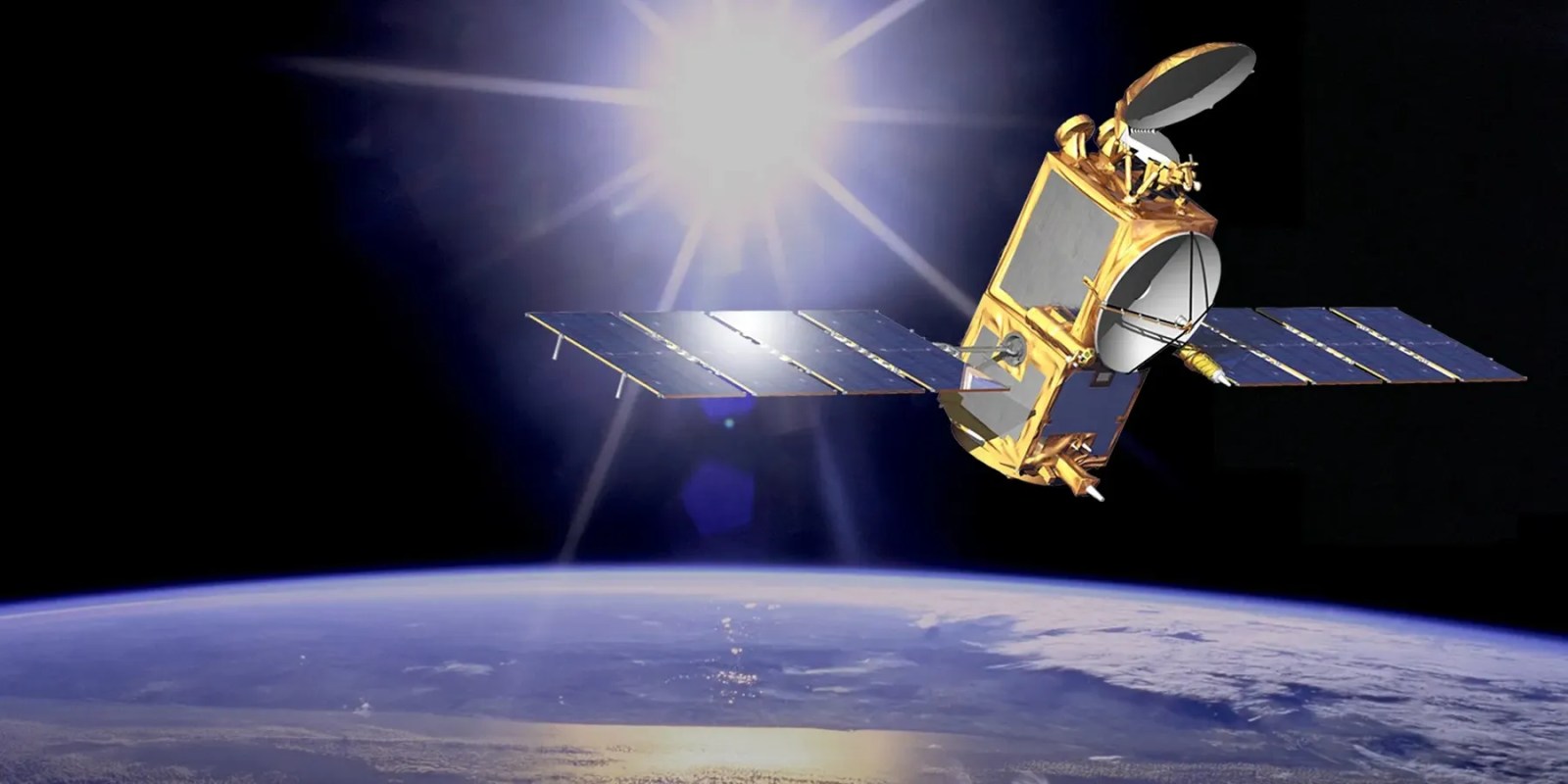
An upcoming AT&T satellite service promises to bring satellite comms to the iPhone 12 and 13 for the first time. Unlike Apple’s Emergency SOS via Satellite service, it will support phone calls as well as text messages.

As such, it will offer more functionality to more people than the Apple satellite comms feature, but there are a number of unanswered questions …

Apple’s Emergency SOS via Satellite service

Apple announced the feature during the iPhone 14 keynote, and it went live in the US and Canada back in November 2022. It was quickly extended to a number of additional countries.

At the time of launch, Apple said it would be free for the first two years after buying a compatible iPhone. That time was later extended, though it remains unclear what happens after that.

The service has been credited with saving multiple lives.

The feature is limited to the iPhone 14 and up because it relies on frequencies only supported by a new radio chip first introduced on that model. The frequencies only support very low bandwidth comms, limiting the service to short emergency text messages.

AT&T satellite service

AT&T is one of several mobile carriers which has been working with AST SpaceMobile on extending satellite comms to more phones.

Because it doesn’t rely on a special frequency, it works with any smartphone with a 5G chip, meaning the iPhone 12 and up. Additionally, it offers significantly greater bandwidth, meaning that it would be suitable for voice calls as well as text.

The ability to make a 5G satellite voice call was first demonstrated back in September of last year.

Engadget reports that AT&T has now signed a commercial contract with AST SpaceMobile, which will allow it to begin offering the service to its subscribers.

Soon, AT&T subscribers will have the option to ensure that they have access to cell service even in typical dead zones, like deep inside national parks or far-flung rural locations. The mobile carrier has been working with AST SpaceMobile since 2018 under a Memorandum of Understanding, helping the latter test two-way audio calls, texts and video calls via satellites in space using ordinary smartphones. Now, the companies have entered a definitive commercial agreement, which means AT&T is getting close to offering subscribers the capability to transform their regular phones into legit satellite devices.

The service will operate using five new AST satellites set to launch into orbit this summer. Further satellites will be added later.

But many unanswered questions

While the news is a welcome step forward, it still leaves key questions unanswered. Specifically:

  • What geographical coverage will be offered by the first five satellites?
  • When will the service launch?
  • What will it cost?

9to5Mac’s Take

Apple’s use of specific radio frequencies is intended to prioritize reliability over bandwidth. As an emergency service, the goal is to ensure that the essential information – location, nature of emergency, help required – can be sent from as many places as possible.

It’s unclear whether 5G radio spectrum can match this reliability, even if it does offer greater bandwidth where available.

Ultimately the two seem like complementary rather than competing services, with AT&T geared more toward competing with existing satellite phone services. All the same, extending support to older iPhones will be welcome in emergency situations also.

T-Mobile is working on a similar service with SpaceX’s Starlink.

FTC: We use income earning auto affiliate links. More.



Source link

Disclaimer

We strive to uphold the highest ethical standards in all of our reporting and coverage. We StartupNews.fyi want to be transparent with our readers about any potential conflicts of interest that may arise in our work. It’s possible that some of the investors we feature may have connections to other businesses, including competitors or companies we write about. However, we want to assure our readers that this will not have any impact on the integrity or impartiality of our reporting. We are committed to delivering accurate, unbiased news and information to our audience, and we will continue to uphold our ethics and principles in all of our work. Thank you for your trust and support.

Popular

More Like this

AT&T satellite service to work with iPhone 12 & later; voice calls too


An upcoming AT&T satellite service promises to bring satellite comms to the iPhone 12 and 13 for the first time. Unlike Apple’s Emergency SOS via Satellite service, it will support phone calls as well as text messages.

As such, it will offer more functionality to more people than the Apple satellite comms feature, but there are a number of unanswered questions …

Apple’s Emergency SOS via Satellite service

Apple announced the feature during the iPhone 14 keynote, and it went live in the US and Canada back in November 2022. It was quickly extended to a number of additional countries.

At the time of launch, Apple said it would be free for the first two years after buying a compatible iPhone. That time was later extended, though it remains unclear what happens after that.

The service has been credited with saving multiple lives.

The feature is limited to the iPhone 14 and up because it relies on frequencies only supported by a new radio chip first introduced on that model. The frequencies only support very low bandwidth comms, limiting the service to short emergency text messages.

AT&T satellite service

AT&T is one of several mobile carriers which has been working with AST SpaceMobile on extending satellite comms to more phones.

Because it doesn’t rely on a special frequency, it works with any smartphone with a 5G chip, meaning the iPhone 12 and up. Additionally, it offers significantly greater bandwidth, meaning that it would be suitable for voice calls as well as text.

The ability to make a 5G satellite voice call was first demonstrated back in September of last year.

Engadget reports that AT&T has now signed a commercial contract with AST SpaceMobile, which will allow it to begin offering the service to its subscribers.

Soon, AT&T subscribers will have the option to ensure that they have access to cell service even in typical dead zones, like deep inside national parks or far-flung rural locations. The mobile carrier has been working with AST SpaceMobile since 2018 under a Memorandum of Understanding, helping the latter test two-way audio calls, texts and video calls via satellites in space using ordinary smartphones. Now, the companies have entered a definitive commercial agreement, which means AT&T is getting close to offering subscribers the capability to transform their regular phones into legit satellite devices.

The service will operate using five new AST satellites set to launch into orbit this summer. Further satellites will be added later.

But many unanswered questions

While the news is a welcome step forward, it still leaves key questions unanswered. Specifically:

  • What geographical coverage will be offered by the first five satellites?
  • When will the service launch?
  • What will it cost?

9to5Mac’s Take

Apple’s use of specific radio frequencies is intended to prioritize reliability over bandwidth. As an emergency service, the goal is to ensure that the essential information – location, nature of emergency, help required – can be sent from as many places as possible.

It’s unclear whether 5G radio spectrum can match this reliability, even if it does offer greater bandwidth where available.

Ultimately the two seem like complementary rather than competing services, with AT&T geared more toward competing with existing satellite phone services. All the same, extending support to older iPhones will be welcome in emergency situations also.

T-Mobile is working on a similar service with SpaceX’s Starlink.

FTC: We use income earning auto affiliate links. More.



Source link

Disclaimer

We strive to uphold the highest ethical standards in all of our reporting and coverage. We StartupNews.fyi want to be transparent with our readers about any potential conflicts of interest that may arise in our work. It’s possible that some of the investors we feature may have connections to other businesses, including competitors or companies we write about. However, we want to assure our readers that this will not have any impact on the integrity or impartiality of our reporting. We are committed to delivering accurate, unbiased news and information to our audience, and we will continue to uphold our ethics and principles in all of our work. Thank you for your trust and support.

Website Upgradation is going on for any glitch kindly connect at office@startupnews.fyi

More like this

Today’s NYT Connections: Sports Edition Hints, Answers for Dec....

Looking for the most recent regular Connections answers? Click here...

New York State will require warning labels on social...

The State of New York will social media...

Deepfakes Leveled up in 2025—Here’s What’s Coming Next

This article originally appeared on The Conversation. Over...

Popular
