
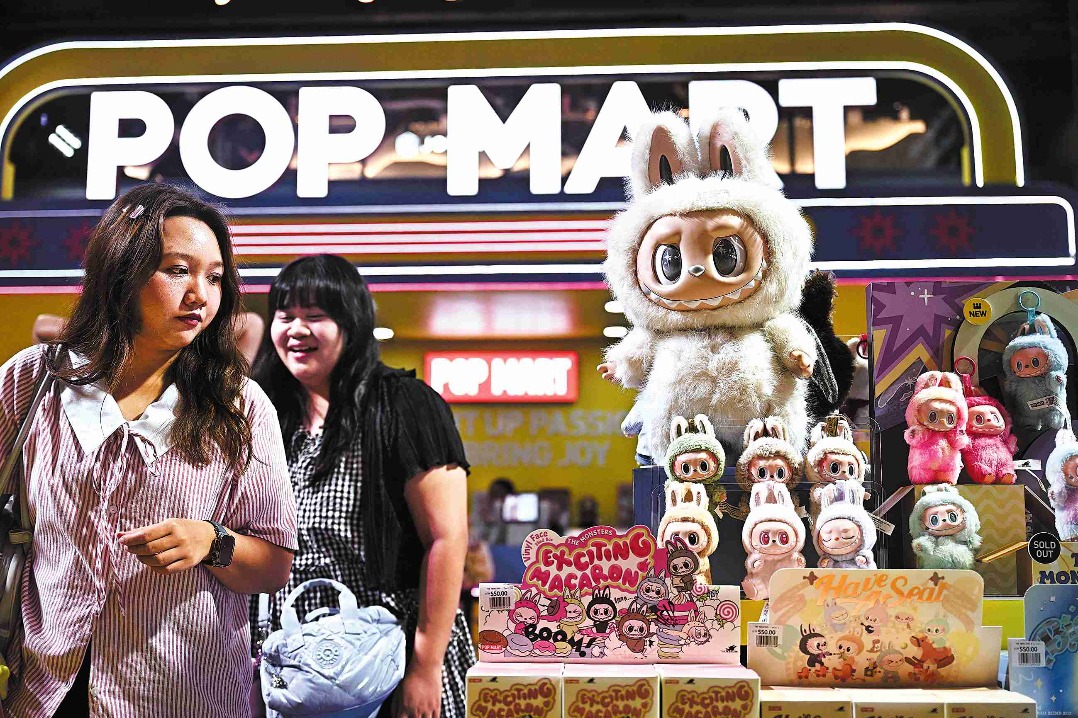
Pop Mart, the Chinese toy giant behind the viral Labubu dolls, is celebrating a massive surge in profits, driven by soaring global demand and a booming resale market. According to the company’s latest update, Pop Mart expects its profits for the first half of 2025 to jump by at least 350%, a testament to the unstoppable popularity of Labubu among collectors worldwide.
The Beijing-based company’s revenue has more than tripled this year, cementing Labubu as a cultural phenomenon in the toy industry. The whimsical, elf-like Labubu characters with their jagged teeth and quirky expressions have captivated fans from China to the United States, triggering long queues outside stores and even sparking a black market for counterfeits.
Launched in 2019, Labubu has transformed Pop Mart’s fortunes. What started as a niche line of collectible dolls sold in “blind boxes” — surprise packages that keep buyers guessing until opened — is now a global money-spinner. Pop Mart’s stock market valuation has skyrocketed, climbing nearly 600% in the last year to over $40 billion (£31.6 billion).
In a sign of its growing international clout, nearly 40% of Pop Mart’s revenue in 2024 came from outside mainland China. In the United States, the Labubu craze has exploded thanks to celebrity fans like Kim Kardashian and Blackpink’s Lisa, who have showcased the collectible dolls on social media. This wave of celebrity endorsement has fuelled unprecedented demand — US sales of Labubu surged by an astonishing 5,000% in June alone, according to M Science, an equity research firm.
“Labubu is not just a toy; it’s a pop culture statement,” says Vinci Zhang, senior analyst at M Science. “The resale market is wild. Some limited editions, originally priced at around $10, now fetch hundreds or even thousands of dollars.”
In one remarkable example, a human-sized Labubu doll sold for $150,000 at a Beijing auction in June, highlighting how far collectors are willing to go to own a piece of this cultural trend.
However, with success comes challenges. The popularity of Labubu has given rise to a flood of counterfeits, known colloquially as “Lafufu.” Chinese authorities have ramped up enforcement, seizing over 46,000 fake Labubu dolls in June alone. Pop Mart has also tightened its supply chains and partnered with major brands like Coca-Cola and One Piece to maintain its brand’s prestige and authenticity.
Despite concerns over blind box marketing — criticised by some as encouraging gambling-like spending — Pop Mart’s business model shows no signs of slowing down. The company currently operates over 2,000 stores and vending machines globally, with plans to expand its footprint in the US market, where it has under 40 outlets compared to about 400 in China.
Retailers worldwide have struggled to keep Labubu in stock, often pausing sales to manage the overwhelming rush. Fans queue for hours, and online resellers have turned the market into a battlefield where the rarest Labubu editions change hands at jaw-dropping prices.
As Labubu continues its unstoppable rise, Pop Mart’s aggressive branding and strategic cost controls are paying off. The firm’s ability to create viral collectible trends has put it in the same league as major global toy players, while its unique “blind box” sales tactic keeps fans coming back for more.
With new collaborations and celebrity tie-ins on the horizon, Pop Mart’s investors are betting big that Labubu will remain a cultural icon for years to come.
In a world craving novelty and nostalgia, Labubu shows how a quirky toy can become a global sensation — and a serious business.


