Sensex Crashes as US Imposes 25% Tariff on Indian Goods from August 1

Share via:

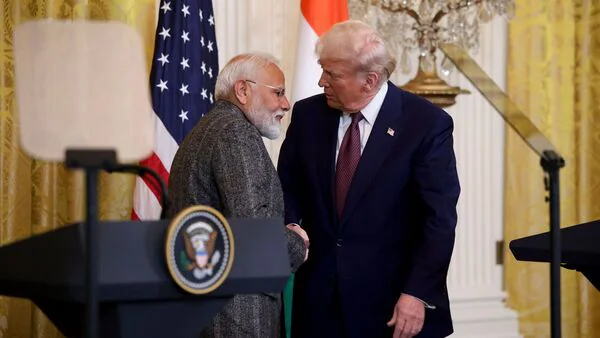
In a shocking move that rattled the Indian stock markets, the Sensex plunged over 780 points in early trade on Thursday, July 31, 2025, following the announcement by US President Donald Trump of a 25% tariff on all Indian exports, effective August 1, coupled with additional penalties targeting India’s continued energy and defense deals with Russia.

This unexpected geopolitical jolt caused the BSE Sensex to plummet to 80,695.50, while the NSE Nifty 50 fell sharply by 212.8 points, closing at 24,642.25, reflecting a broad-based sell-off across sectors.

Why the US Tariff Shocked the Sensex

The new US tariff, which includes unspecified penalties for India’s oil and defense purchases from Russia, is widely seen as a pressure tactic to push India into renegotiating trade and strategic agreements more favorable to Washington.

India has been in the crosshairs due to its large-scale crude oil and arms imports from Russia, making it the first country to be penalized directly for such engagements. Market analysts fear that the move could severely impact India’s export performance, foreign investments, and short-term GDP growth—all red flags for equity markets.

According to VK Vijayakumar, Chief Investment Strategist at Geojit Financial Services, “The 25% tariff on India, combined with penalties for Russian-related purchases, is very bad news for Indian exports. This short-term hit will reflect directly in the Sensex performance.”

Stocks That Took the Hardest Hit

Major index heavyweights like Reliance Industries, Tata Motors, Mahindra & Mahindra, Bharti Airtel, Titan, and State Bank of India witnessed sharp declines, contributing significantly to the Sensex drop.

On the flip side, only a handful of stocks like Hindustan Unilever, ITC, and Power Grid managed to stay afloat, driven by their defensive nature and domestic-focused business models.

Global Reactions and FIIs Exit

The market panic wasn’t confined to India alone. Asian indices like South Korea’s Kospi, China’s Shanghai SSE, and Hong Kong’s Hang Seng also traded lower amid fears of a new wave of protectionist policies. Only Japan’s Nikkei 225 managed to stay positive.

Adding to the bearish momentum, Foreign Institutional Investors (FIIs) pulled out over ₹850 crore from Indian equities on Wednesday, signaling growing risk aversion.

The Brent crude price, meanwhile, dipped slightly to $73.10 per barrel, offering little solace in a market overshadowed by political and economic uncertainty.

Sensex Outlook: What’s Next for Investors?

While the sudden fall in Sensex has alarmed short-term investors, seasoned market watchers suggest this may not be the end of the road. With ongoing negotiations between India and the US, there is hope that the tariff might be revised or partially rolled back. However, much depends on how New Delhi responds to Washington’s diplomatic overtures in the coming days.

For investors, experts recommend caution and a defensive portfolio strategy, especially with heightened volatility expected in the next few weeks. Mid-cap and export-heavy companies may face the brunt, while domestic demand-focused sectors could offer relative safety.

A Jolt That May Shape Future Trade

This Sensex nosedive is more than a market blip—it’s a wake-up call about how deeply geopolitics now intertwine with investor sentiment. If India and the US fail to reach a middle ground soon, Indian markets could remain under pressure, impacting not just Sensex but also broader economic stability.

Stay Updated with Startup & Business News

For daily updates on how these macroeconomic shifts affect India’s startup and tech ecosystem, check out Startup News FYI — your go-to platform for reliable and fast startup insights.


Disclaimer

We strive to uphold the highest ethical standards in all of our reporting and coverage. We StartupNews.fyi want to be transparent with our readers about any potential conflicts of interest that may arise in our work. It’s possible that some of the investors we feature may have connections to other businesses, including competitors or companies we write about. However, we want to assure our readers that this will not have any impact on the integrity or impartiality of our reporting. We are committed to delivering accurate, unbiased news and information to our audience, and we will continue to uphold our ethics and principles in all of our work. Thank you for your trust and support.

Popular

More Like this

Sensex Crashes as US Imposes 25% Tariff on Indian Goods from August 1

In a shocking move that rattled the Indian stock markets, the Sensex plunged over 780 points in early trade on Thursday, July 31, 2025, following the announcement by US President Donald Trump of a 25% tariff on all Indian exports, effective August 1, coupled with additional penalties targeting India’s continued energy and defense deals with Russia.

This unexpected geopolitical jolt caused the BSE Sensex to plummet to 80,695.50, while the NSE Nifty 50 fell sharply by 212.8 points, closing at 24,642.25, reflecting a broad-based sell-off across sectors.

Why the US Tariff Shocked the Sensex

The new US tariff, which includes unspecified penalties for India’s oil and defense purchases from Russia, is widely seen as a pressure tactic to push India into renegotiating trade and strategic agreements more favorable to Washington.

India has been in the crosshairs due to its large-scale crude oil and arms imports from Russia, making it the first country to be penalized directly for such engagements. Market analysts fear that the move could severely impact India’s export performance, foreign investments, and short-term GDP growth—all red flags for equity markets.

According to VK Vijayakumar, Chief Investment Strategist at Geojit Financial Services, “The 25% tariff on India, combined with penalties for Russian-related purchases, is very bad news for Indian exports. This short-term hit will reflect directly in the Sensex performance.”

Stocks That Took the Hardest Hit

Major index heavyweights like Reliance Industries, Tata Motors, Mahindra & Mahindra, Bharti Airtel, Titan, and State Bank of India witnessed sharp declines, contributing significantly to the Sensex drop.

On the flip side, only a handful of stocks like Hindustan Unilever, ITC, and Power Grid managed to stay afloat, driven by their defensive nature and domestic-focused business models.

Global Reactions and FIIs Exit

The market panic wasn’t confined to India alone. Asian indices like South Korea’s Kospi, China’s Shanghai SSE, and Hong Kong’s Hang Seng also traded lower amid fears of a new wave of protectionist policies. Only Japan’s Nikkei 225 managed to stay positive.

Adding to the bearish momentum, Foreign Institutional Investors (FIIs) pulled out over ₹850 crore from Indian equities on Wednesday, signaling growing risk aversion.

The Brent crude price, meanwhile, dipped slightly to $73.10 per barrel, offering little solace in a market overshadowed by political and economic uncertainty.

Sensex Outlook: What’s Next for Investors?

While the sudden fall in Sensex has alarmed short-term investors, seasoned market watchers suggest this may not be the end of the road. With ongoing negotiations between India and the US, there is hope that the tariff might be revised or partially rolled back. However, much depends on how New Delhi responds to Washington’s diplomatic overtures in the coming days.

For investors, experts recommend caution and a defensive portfolio strategy, especially with heightened volatility expected in the next few weeks. Mid-cap and export-heavy companies may face the brunt, while domestic demand-focused sectors could offer relative safety.

A Jolt That May Shape Future Trade

This Sensex nosedive is more than a market blip—it’s a wake-up call about how deeply geopolitics now intertwine with investor sentiment. If India and the US fail to reach a middle ground soon, Indian markets could remain under pressure, impacting not just Sensex but also broader economic stability.

Stay Updated with Startup & Business News

For daily updates on how these macroeconomic shifts affect India’s startup and tech ecosystem, check out Startup News FYI — your go-to platform for reliable and fast startup insights.

Disclaimer

We strive to uphold the highest ethical standards in all of our reporting and coverage. We StartupNews.fyi want to be transparent with our readers about any potential conflicts of interest that may arise in our work. It’s possible that some of the investors we feature may have connections to other businesses, including competitors or companies we write about. However, we want to assure our readers that this will not have any impact on the integrity or impartiality of our reporting. We are committed to delivering accurate, unbiased news and information to our audience, and we will continue to uphold our ethics and principles in all of our work. Thank you for your trust and support.

Website Upgradation is going on for any glitch kindly connect at office@startupnews.fyi

More like this

Centre issues warning to social media platforms over obscene...

The Ministry of Electronics and IT (Meity) has...

The Great Big Power Play

Take yourself back to 2017. Get Out and The...

Popular