Louisiana Approves New Gas Plants to Power Meta’s Massive Data Center

Share via:

Louisiana is once again at the center of America’s energy and technology debate as Entergy Louisiana receives early approval to construct three natural gas plants dedicated to powering a new Meta data center in the northeastern region of the state. The decision, fast-tracked by the Louisiana Public Service Commission, has sparked both excitement for economic growth and concern over transparency and long-term environmental impacts.

A Game-Changing Project for Northeast Louisiana

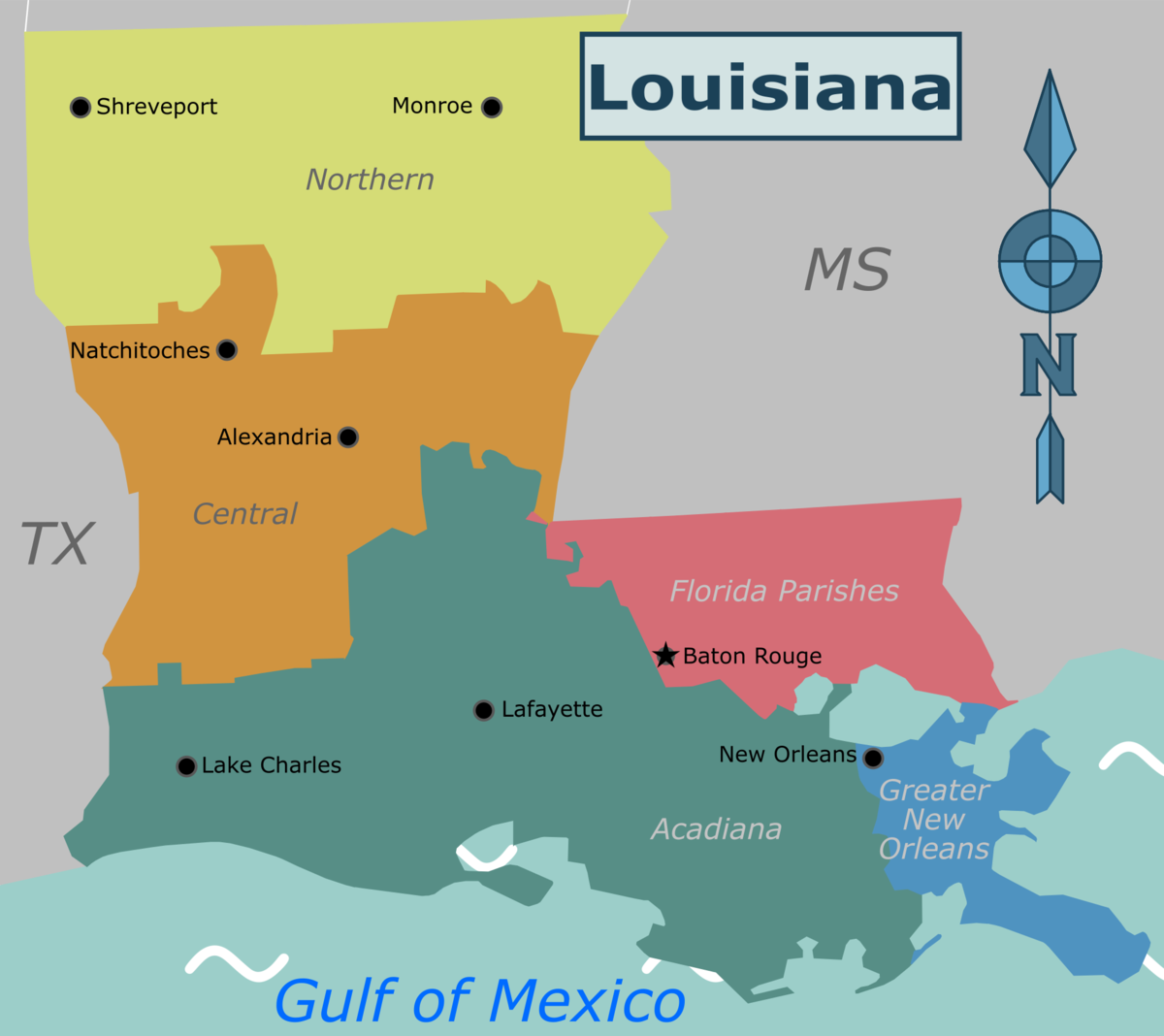
The approved project is set to support Meta’s upcoming data center, which will be built on a sprawling 2,250-acre state-owned site known as Franklin Farms, about 30 miles northeast of Monroe. This development marks one of the most significant investments in the region’s history, promising to reshape Louisiana’s economic landscape.

According to state officials, the project could generate 6,500 construction jobs during its build-out and around 500 permanent jobs once the data center begins operations. With poverty and unemployment rates among the highest in the state, this project represents a lifeline for local communities in rural Louisiana.

Why Meta Chose Louisiana

Meta, the parent company of Facebook, has established over 20 data centers worldwide, but its Louisiana facility is expected to be the largest. The company’s decision to anchor this major facility in Louisiana underscores the state’s growing appeal as a hub for digital infrastructure, thanks to its available land, access to energy resources, and government incentives.

However, the project also highlights a pressing challenge: the massive power demand of data centers. A U.S. Department of Energy report revealed that data centers consumed 4.4% of all U.S. electricity in 2023, a figure expected to rise to between 6.7% and 12% by 2028. For Louisiana, this means balancing economic growth with sustainable energy planning.

Concerns Over Transparency and Fairness

While supporters hail the move as a milestone for Louisiana’s tech and energy future, not everyone is convinced. Advocacy groups such as the Alliance for Affordable Energy and the Louisiana Energy Users Group have raised red flags about transparency and fairness.

Some filings in the case, including Meta’s projected energy loads and Entergy’s cost breakdowns, were sealed by the commission’s administrative law judge, leaving watchdogs concerned about a lack of public accountability. Critics argue that this rush to approve the project prevents citizens from having enough time to understand its long-term implications.

Logan Burke, executive director of the Alliance for Affordable Energy, called the approval process “unusual” and warned that ratepayers could be left footing the bill if Meta decides not to renew its energy deal after 15 years, while the gas plants could continue operating for decades.

Balancing Fossil Fuels with Renewables

Entergy Louisiana’s plan includes three natural gas turbines capable of generating 2,250 megawatts of electricity. While this will meet Meta’s immediate needs, the utility has also pledged to work with Meta on building 1,500 megawatts of solar power generation in the future.

Still, many renewable advocates argue that Louisiana should prioritize clean energy development first, especially since other companies have been waiting years for Entergy to fulfill commitments to build renewable projects. Regulators responded to these concerns by adding provisions to ensure Meta does not receive preferential access to renewable power ahead of other businesses.

Political and Economic Support

The project enjoys bipartisan backing on the Louisiana Public Service Commission. Commissioner Foster Campbell, a Democrat from Bossier Parish, emphasized the importance of job creation in one of the state’s most economically challenged regions. “This is something we’ve been fighting 50 years for to bring jobs to that area,” said Joe Shyne, Campbell’s chief of staff.

Even Commissioner Davante Lewis of Baton Rouge, who voiced some concerns, acknowledged that Entergy’s analysis shows the new gas plants could strengthen Louisiana’s electric grid without raising rates for at least 15 years.

Louisiana at the Crossroads of Energy and Tech

This approval highlights Louisiana’s dual role as both a traditional energy powerhouse and an emerging technology hub. By hosting one of Meta’s most ambitious projects, the state is positioning itself at the forefront of the digital economy. Yet the long-term costs, environmental impacts, and reliance on fossil fuels leave lingering questions about sustainability.

For now, the decision cements Louisiana’s status as a key battleground for the future of energy in the digital age, where the demand for technology collides with the realities of infrastructure and environmental responsibility.

Stay updated with the latest business and startup news shaping industries worldwide at Startup News.


Disclaimer

We strive to uphold the highest ethical standards in all of our reporting and coverage. We StartupNews.fyi want to be transparent with our readers about any potential conflicts of interest that may arise in our work. It’s possible that some of the investors we feature may have connections to other businesses, including competitors or companies we write about. However, we want to assure our readers that this will not have any impact on the integrity or impartiality of our reporting. We are committed to delivering accurate, unbiased news and information to our audience, and we will continue to uphold our ethics and principles in all of our work. Thank you for your trust and support.

Popular

More Like this

Louisiana Approves New Gas Plants to Power Meta’s Massive Data Center

Louisiana is once again at the center of America’s energy and technology debate as Entergy Louisiana receives early approval to construct three natural gas plants dedicated to powering a new Meta data center in the northeastern region of the state. The decision, fast-tracked by the Louisiana Public Service Commission, has sparked both excitement for economic growth and concern over transparency and long-term environmental impacts.

A Game-Changing Project for Northeast Louisiana

The approved project is set to support Meta’s upcoming data center, which will be built on a sprawling 2,250-acre state-owned site known as Franklin Farms, about 30 miles northeast of Monroe. This development marks one of the most significant investments in the region’s history, promising to reshape Louisiana’s economic landscape.

According to state officials, the project could generate 6,500 construction jobs during its build-out and around 500 permanent jobs once the data center begins operations. With poverty and unemployment rates among the highest in the state, this project represents a lifeline for local communities in rural Louisiana.

Why Meta Chose Louisiana

Meta, the parent company of Facebook, has established over 20 data centers worldwide, but its Louisiana facility is expected to be the largest. The company’s decision to anchor this major facility in Louisiana underscores the state’s growing appeal as a hub for digital infrastructure, thanks to its available land, access to energy resources, and government incentives.

However, the project also highlights a pressing challenge: the massive power demand of data centers. A U.S. Department of Energy report revealed that data centers consumed 4.4% of all U.S. electricity in 2023, a figure expected to rise to between 6.7% and 12% by 2028. For Louisiana, this means balancing economic growth with sustainable energy planning.

Concerns Over Transparency and Fairness

While supporters hail the move as a milestone for Louisiana’s tech and energy future, not everyone is convinced. Advocacy groups such as the Alliance for Affordable Energy and the Louisiana Energy Users Group have raised red flags about transparency and fairness.

Some filings in the case, including Meta’s projected energy loads and Entergy’s cost breakdowns, were sealed by the commission’s administrative law judge, leaving watchdogs concerned about a lack of public accountability. Critics argue that this rush to approve the project prevents citizens from having enough time to understand its long-term implications.

Logan Burke, executive director of the Alliance for Affordable Energy, called the approval process “unusual” and warned that ratepayers could be left footing the bill if Meta decides not to renew its energy deal after 15 years, while the gas plants could continue operating for decades.

Balancing Fossil Fuels with Renewables

Entergy Louisiana’s plan includes three natural gas turbines capable of generating 2,250 megawatts of electricity. While this will meet Meta’s immediate needs, the utility has also pledged to work with Meta on building 1,500 megawatts of solar power generation in the future.

Still, many renewable advocates argue that Louisiana should prioritize clean energy development first, especially since other companies have been waiting years for Entergy to fulfill commitments to build renewable projects. Regulators responded to these concerns by adding provisions to ensure Meta does not receive preferential access to renewable power ahead of other businesses.

Political and Economic Support

The project enjoys bipartisan backing on the Louisiana Public Service Commission. Commissioner Foster Campbell, a Democrat from Bossier Parish, emphasized the importance of job creation in one of the state’s most economically challenged regions. “This is something we’ve been fighting 50 years for to bring jobs to that area,” said Joe Shyne, Campbell’s chief of staff.

Even Commissioner Davante Lewis of Baton Rouge, who voiced some concerns, acknowledged that Entergy’s analysis shows the new gas plants could strengthen Louisiana’s electric grid without raising rates for at least 15 years.

Louisiana at the Crossroads of Energy and Tech

This approval highlights Louisiana’s dual role as both a traditional energy powerhouse and an emerging technology hub. By hosting one of Meta’s most ambitious projects, the state is positioning itself at the forefront of the digital economy. Yet the long-term costs, environmental impacts, and reliance on fossil fuels leave lingering questions about sustainability.

For now, the decision cements Louisiana’s status as a key battleground for the future of energy in the digital age, where the demand for technology collides with the realities of infrastructure and environmental responsibility.

Stay updated with the latest business and startup news shaping industries worldwide at Startup News.

Disclaimer

We strive to uphold the highest ethical standards in all of our reporting and coverage. We StartupNews.fyi want to be transparent with our readers about any potential conflicts of interest that may arise in our work. It’s possible that some of the investors we feature may have connections to other businesses, including competitors or companies we write about. However, we want to assure our readers that this will not have any impact on the integrity or impartiality of our reporting. We are committed to delivering accurate, unbiased news and information to our audience, and we will continue to uphold our ethics and principles in all of our work. Thank you for your trust and support.

Website Upgradation is going on for any glitch kindly connect at office@startupnews.fyi

More like this

Popular