
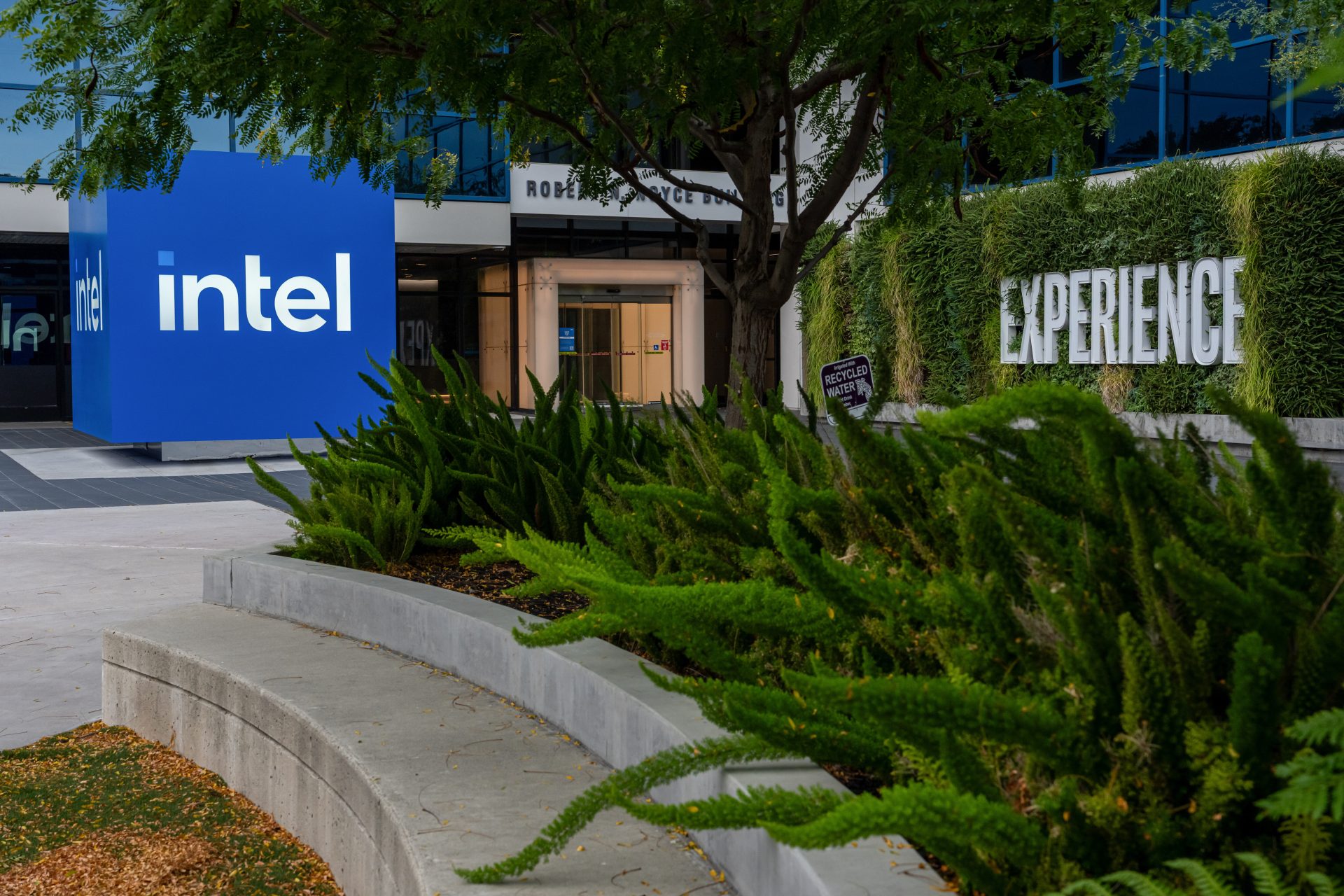
The news was as baffling as it was big: On September 18, Nvidia and Intel data-analytics-id=”inline-link” href=”https://www.tomshardware.com/pc-components/cpus/nvidia-and-intel-announce-jointly-developed-intel-x86-rtx-socs-for-pcs-with-nvidia-graphics-also-custom-nvidia-data-center-x86-processors-nvidia-buys-usd5-billion-in-intel-stock-in-seismic-deal” data-before-rewrite-localise=”https://www.tomshardware.com/pc-components/cpus/nvidia-and-intel-announce-jointly-developed-intel-x86-rtx-socs-for-pcs-with-nvidia-graphics-also-custom-nvidia-data-center-x86-processors-nvidia-buys-usd5-billion-in-intel-stock-in-seismic-deal”>announced a collaboration to co-develop multiple generations of data center and PC products. As part of the deal, Nvidia said it would purchase $5 billion of stock in the troubled tech firm.
Intel was so dominant in the 1990s that it still holds data-analytics-id=”inline-link” href=”https://www.tomshardware.com/pc-components/cpus/amd-gained-consumer-desktop-and-laptop-cpu-market-share-in-2024-server-passes-25-percent” data-before-rewrite-localise=”https://www.tomshardware.com/pc-components/cpus/amd-gained-consumer-desktop-and-laptop-cpu-market-share-in-2024-server-passes-25-percent”>a 75% share of the global consumer PC processor market. Being the biggest name in the space was a boon for Intel, which has been struggling for years. However, it also highlighted just how…


