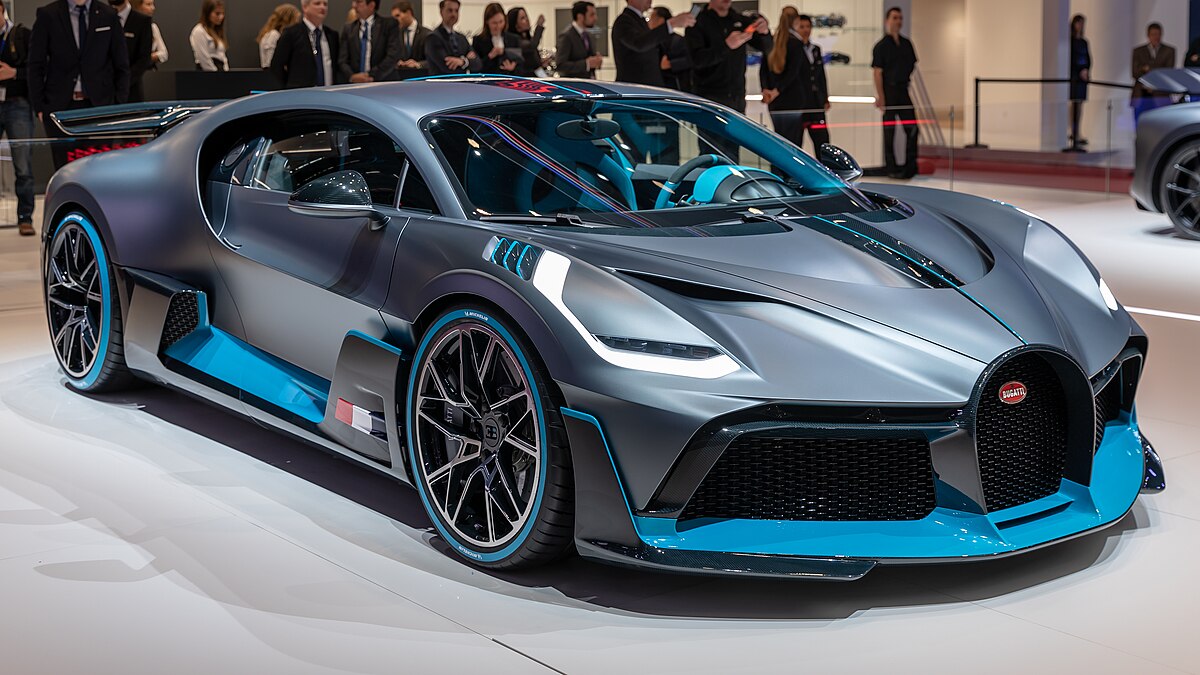
Bugatti Veyron Turns 20: A Legacy That Redefined Supercars

Share via:

Twenty years ago, the automotive world witnessed the birth of a legend: the Bugatti Veyron. In September 2005, Bugatti delivered a car that wasn’t just fast—it completely rewrote the rulebook on what a production car could achieve. Today, two decades later, enthusiasts and industry insiders agree that the Veyron is more relevant and admired than ever.

The Vision Behind Bugatti’s Reinvention

The modern Bugatti story began when the Volkswagen Group acquired the brand in 1998. Under the ambitious leadership of Ferdinand Piëch, the goal wasn’t simply to revive Bugatti but to create the most advanced and powerful car in the world. His vision? A machine with over 1,000 horsepower, capable of surpassing 250 mph, while still refined enough to take to the opera in comfort.

That dream crystallized into the Bugatti Veyron, powered by an 8.0-liter, quad-turbocharged W16 engine. With 1,001 PS and a top speed exceeding 253 mph, it was unlike anything that came before it. Even in today’s world, where hypercars frequently boast four-digit horsepower figures, the Veyron still stands out for its audacity and engineering brilliance.

Breaking Barriers and Facing Challenges

Creating the Bugatti Veyron was far from straightforward. Engineers faced endless obstacles, from driveshaft seals that shredded at extreme speeds to CV joints that couldn’t withstand the brutal forces at play. The project demanded breakthroughs in cooling, aerodynamics, and gearbox technology. Ultimately, it became one of the most complex and expensive automotive endeavors in history.

Despite the hurdles, Bugatti succeeded. The Veyron didn’t just meet Piëch’s vision—it exceeded it. But there was a catch: while the car solidified Bugatti’s position as a brand of ultimate luxury and performance, Volkswagen reportedly lost millions of dollars on each unit sold. In total, just 450 examples were produced, making it a rare and highly coveted piece of automotive history.

The Enthusiast Shift: From Criticism to Admiration

When the Veyron first launched, purists weren’t entirely convinced. Many dismissed it as too heavy, too complex, and too focused on numbers rather than driver engagement. Critics compared it unfavorably to icons like the McLaren F1 or Ferrari Enzo, which prioritized lightweight design and pure handling.

Yet, as time passed, perceptions changed. The Bugatti Veyron is now celebrated not just for its top speed but for what it represented: an uncompromising pursuit of engineering excellence. Industry veterans like Gordon Murray, creator of the McLaren F1, acknowledged its groundbreaking nature, calling it a “massive technical achievement.” For younger enthusiasts, the Veyron has become a symbol of ambition and technological daring.

Why the Bugatti Veyron Matters Today

In 2025, the Bugatti Veyron’s impact is clearer than ever. It laid the foundation for successors like the Bugatti Chiron, while influencing rivals from brands such as Koenigsegg and Rimac. More importantly, it demonstrated that the automobile could be both a work of art and a technical marvel, regardless of profitability.

The Veyron also helped shape Bugatti’s identity as a modern luxury powerhouse. While the company continues to push boundaries with hybrid and electric innovations, the Veyron remains the car that proved the impossible was possible.

Looking Ahead: Bugatti’s Next Chapter

As Bugatti transitions into an electrified era under the Rimac partnership, enthusiasts wonder what comes next. Will the brand’s future hypercars carry the same emotional weight as the Veyron? One thing is certain—the bar set by Bugatti 20 years ago continues to inspire the industry to this day.

For more breaking stories and insights from the world of innovation and startups, visit Startupnews.


Disclaimer

We strive to uphold the highest ethical standards in all of our reporting and coverage. We StartupNews.fyi want to be transparent with our readers about any potential conflicts of interest that may arise in our work. It’s possible that some of the investors we feature may have connections to other businesses, including competitors or companies we write about. However, we want to assure our readers that this will not have any impact on the integrity or impartiality of our reporting. We are committed to delivering accurate, unbiased news and information to our audience, and we will continue to uphold our ethics and principles in all of our work. Thank you for your trust and support.

Popular

More Like this

Bugatti Veyron Turns 20: A Legacy That Redefined Supercars

Twenty years ago, the automotive world witnessed the birth of a legend: the Bugatti Veyron. In September 2005, Bugatti delivered a car that wasn’t just fast—it completely rewrote the rulebook on what a production car could achieve. Today, two decades later, enthusiasts and industry insiders agree that the Veyron is more relevant and admired than ever.

The Vision Behind Bugatti’s Reinvention

The modern Bugatti story began when the Volkswagen Group acquired the brand in 1998. Under the ambitious leadership of Ferdinand Piëch, the goal wasn’t simply to revive Bugatti but to create the most advanced and powerful car in the world. His vision? A machine with over 1,000 horsepower, capable of surpassing 250 mph, while still refined enough to take to the opera in comfort.

That dream crystallized into the Bugatti Veyron, powered by an 8.0-liter, quad-turbocharged W16 engine. With 1,001 PS and a top speed exceeding 253 mph, it was unlike anything that came before it. Even in today’s world, where hypercars frequently boast four-digit horsepower figures, the Veyron still stands out for its audacity and engineering brilliance.

Breaking Barriers and Facing Challenges

Creating the Bugatti Veyron was far from straightforward. Engineers faced endless obstacles, from driveshaft seals that shredded at extreme speeds to CV joints that couldn’t withstand the brutal forces at play. The project demanded breakthroughs in cooling, aerodynamics, and gearbox technology. Ultimately, it became one of the most complex and expensive automotive endeavors in history.

Despite the hurdles, Bugatti succeeded. The Veyron didn’t just meet Piëch’s vision—it exceeded it. But there was a catch: while the car solidified Bugatti’s position as a brand of ultimate luxury and performance, Volkswagen reportedly lost millions of dollars on each unit sold. In total, just 450 examples were produced, making it a rare and highly coveted piece of automotive history.

The Enthusiast Shift: From Criticism to Admiration

When the Veyron first launched, purists weren’t entirely convinced. Many dismissed it as too heavy, too complex, and too focused on numbers rather than driver engagement. Critics compared it unfavorably to icons like the McLaren F1 or Ferrari Enzo, which prioritized lightweight design and pure handling.

Yet, as time passed, perceptions changed. The Bugatti Veyron is now celebrated not just for its top speed but for what it represented: an uncompromising pursuit of engineering excellence. Industry veterans like Gordon Murray, creator of the McLaren F1, acknowledged its groundbreaking nature, calling it a “massive technical achievement.” For younger enthusiasts, the Veyron has become a symbol of ambition and technological daring.

Why the Bugatti Veyron Matters Today

In 2025, the Bugatti Veyron’s impact is clearer than ever. It laid the foundation for successors like the Bugatti Chiron, while influencing rivals from brands such as Koenigsegg and Rimac. More importantly, it demonstrated that the automobile could be both a work of art and a technical marvel, regardless of profitability.

The Veyron also helped shape Bugatti’s identity as a modern luxury powerhouse. While the company continues to push boundaries with hybrid and electric innovations, the Veyron remains the car that proved the impossible was possible.

Looking Ahead: Bugatti’s Next Chapter

As Bugatti transitions into an electrified era under the Rimac partnership, enthusiasts wonder what comes next. Will the brand’s future hypercars carry the same emotional weight as the Veyron? One thing is certain—the bar set by Bugatti 20 years ago continues to inspire the industry to this day.

For more breaking stories and insights from the world of innovation and startups, visit Startupnews.

Disclaimer

We strive to uphold the highest ethical standards in all of our reporting and coverage. We StartupNews.fyi want to be transparent with our readers about any potential conflicts of interest that may arise in our work. It’s possible that some of the investors we feature may have connections to other businesses, including competitors or companies we write about. However, we want to assure our readers that this will not have any impact on the integrity or impartiality of our reporting. We are committed to delivering accurate, unbiased news and information to our audience, and we will continue to uphold our ethics and principles in all of our work. Thank you for your trust and support.

Website Upgradation is going on for any glitch kindly connect at office@startupnews.fyi

More like this

Electric Three-Wheelers Power India’s EV Transition — and L5...

New Delhi , January 13: India’s electric mobility...

Solving the Problems That Accompany API Sprawl With AI

API sprawl hides both security dangers and missed...

Popular

iptv iptv iptv iptv iptv iptv iptv iptv iptv iptv iptv iptv iptv iptv iptv iptv iptv iptv iptv iptv iptv iptv iptv iptv iptv iptv iptv iptv iptv iptv iptv iptv iptv iptv iptv iptv iptv iptv iptv iptv iptv iptv iptv iptv iptv iptv iptv iptv iptv iptv iptv iptv iptv iptv iptv iptv iptv iptv iptv iptv iptv iptv iptv iptv iptv iptv iptv iptv iptv iptv iptv iptv iptv iptv iptv iptv iptv iptv iptv iptv iptv iptv iptv iptv iptv iptv iptv iptv iptv iptv iptv iptv iptv iptv iptv iptv iptv iptv iptv iptv iptv iptv iptv iptv iptv iptv iptv iptv iptv iptv iptv iptv iptv iptv iptv iptv iptv iptv iptv iptv iptv iptv iptv iptv iptv iptv iptv iptv iptv iptv iptv iptv iptv iptv iptv iptv iptv iptv iptv iptv iptv iptv iptv iptv iptv iptv iptv iptv iptv iptv iptv iptv iptv iptv iptv iptv iptv iptv iptv iptv iptv iptv iptv iptv iptv iptv iptv iptv iptv iptv iptv iptv iptv iptv iptv iptv iptv iptv iptv iptv iptv iptv iptv iptv iptv iptv iptv iptv iptv iptv iptv iptv iptv iptv iptv iptv iptv iptv iptv iptv iptv iptv iptv iptv iptv iptv iptv iptv iptv iptv iptv iptv iptv iptv iptv iptv iptv iptv iptv iptv iptv iptv iptv iptv iptv iptv iptv iptv iptv iptv iptv iptv iptv iptv iptv iptv iptv iptv iptv iptv iptv iptv iptv iptv iptv iptv iptv iptv iptv iptv iptv iptv iptv iptv iptv iptv iptv iptv iptv iptv iptv iptv iptv iptv iptv iptv iptv iptv iptv iptv iptv iptv iptv iptv iptv iptv iptv iptv iptv iptv iptv iptv iptv iptv iptv iptv iptv iptv iptv iptv iptv iptv iptv iptv iptv iptv iptv iptv iptv iptv iptv iptv iptv iptv iptv iptv iptv iptv iptv iptv iptv iptv iptv iptv iptv iptv iptv iptv iptv iptv iptv iptv iptv iptv iptv iptv iptv iptv iptv iptv iptv iptv iptv iptv iptv iptv iptv iptv iptv iptv iptv iptv iptv iptv iptv iptv iptv iptv iptv iptv iptv iptv iptv iptv iptv iptv iptv iptv iptv iptv iptv iptv iptv iptv iptv iptv iptv iptv iptv iptv iptv iptv iptv iptv iptv iptv iptv iptv iptv iptv iptv iptv iptv iptv iptv iptv iptv iptv iptv iptv iptv iptv iptv iptv iptv iptv iptv iptv iptv iptv iptv iptv iptv iptv iptv iptv iptv iptv iptv iptv iptv iptv iptv iptv iptv iptv iptv iptv iptv iptv iptv iptv iptv iptv iptv iptv iptv iptv iptv iptv iptv iptv iptv iptv iptv iptv iptv iptv iptv iptv iptv iptv iptv iptv iptv iptv iptv iptv iptv iptv iptv iptv iptv iptv iptv iptv iptv iptv iptv iptv iptv iptv iptv iptv iptv iptv iptv iptv iptv iptv iptv iptv iptv iptv iptv iptv