Singapore’s LTA Autonomous Bus Pilot Program to Launch in 2026

Share via:

Singapore is preparing to take another major step toward the future of public transportation with the launch of the LTA autonomous bus pilot program. Announced on October 2, the Land Transport Authority (LTA) confirmed that a consortium of global technology companies has secured an $8.1 million contract to deploy driverless buses in Marina Bay and one-north starting from the second half of 2026.

The initiative reflects Singapore’s long-term ambition to integrate autonomous vehicles (AVs) into its urban mobility network, easing manpower challenges while providing commuters with more efficient, sustainable, and innovative travel options.

What the Pilot Program Involves

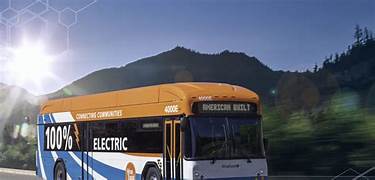
Under the LTA autonomous bus pilot program, six 16-seater electric driverless buses will operate along two public bus routes: Service 400 in Marina Bay and Service 191 in one-north. Both routes connect major business and leisure hubs, such as Marina Bay Cruise Centre, Gardens by the Bay, Downtown MRT, and Buona Vista MRT, ensuring the pilot tests AVs in high-traffic and diverse commuter settings.

The three-year pilot will be led by a consortium comprising MKX Technologies, Zhidao Network Technology of Beijing, and Chinese electric vehicle giant BYD. MKX will manage project development and research in Singapore, Zhidao will provide AV software and hardware including sensors and remote operation systems, while BYD will supply the buses.

Features of the Driverless Buses

The driverless buses will closely resemble existing public buses in design and function. They will include wheelchair-accessible ramps, space for personal mobility devices, and features to support families with strollers. Initially, each bus will have a safety operator onboard, ensuring smooth operations and compliance with regulations. Over time, once the vehicles are proven safe, the onboard operator will be replaced by remote monitoring staff, while a customer service officer will be present to assist commuters.

As part of the LTA autonomous bus pilot program, fares will remain the same as regular public bus services, ensuring affordability and accessibility for all riders.

Safety and Training Measures

Safety remains a key focus. LTA will conduct rigorous testing before public deployment, and real-time performance monitoring will be implemented. SBS Transit, which currently runs the two routes, will play a major role in gathering commuter feedback to improve the system.

To prepare for the transition, the consortium will also collaborate with the Singapore Bus Academy to retrain existing bus drivers, equipping them with the skills to operate as safety operators for autonomous buses.

Expanding the Pilot Program

The $8.1 million contract allows for expansion beyond the initial six vehicles. LTA has the option to procure 14 more driverless buses in later phases, enabling the pilot to scale up across Singapore’s public transport network. This aligns with the government’s broader target of deploying between 100 and 150 self-driving vehicles by the end of 2026.

Senior Minister of State for Transport Sun Xueling highlighted the benefits of the program, noting that the LTA autonomous bus pilot program will help Singapore understand how AVs can safely complement existing transport services. She emphasized that automation can alleviate manpower shortages while maintaining high standards of service.

Global Partnerships and Technology Backing

The program also reflects Singapore’s ability to attract international collaboration. Chinese carmaker BYD, already a major supplier of electric buses to Singapore, will expand its footprint through this project. The buses will also feature Huawei’s high-speed liquid-cooled chargers, ensuring reliable and efficient charging for daily operations.

The involvement of Tencent-backed Mogo Auto, linked to Zhidao Network Technology, underscores the growing role of Chinese tech firms in shaping the global AV industry.

A Glimpse Into Singapore’s Transport Future

The LTA autonomous bus pilot program represents more than just a transport experiment—it is a vision of how cities can integrate technology to improve urban mobility. Following recent trials of self-driving shuttles in Punggol, the Marina Bay and one-north pilot expands the testing grounds for AVs in complex urban settings.

Acting Transport Minister Jeffrey Siow previously stated that Singapore aims to become a leader in autonomous mobility, with driverless technology expected to transform how residents and visitors move around the city-state.

With the LTA autonomous bus pilot program set to roll out in 2026, Singapore is positioning itself at the forefront of smart mobility innovation. By blending advanced AV technology with public transport infrastructure, the city-state is not only tackling manpower challenges but also offering commuters a glimpse of how driverless buses can become an integral part of daily life.

Stay updated with the latest global business, transport, and tech innovation stories at Startup News.


Disclaimer

We strive to uphold the highest ethical standards in all of our reporting and coverage. We StartupNews.fyi want to be transparent with our readers about any potential conflicts of interest that may arise in our work. It’s possible that some of the investors we feature may have connections to other businesses, including competitors or companies we write about. However, we want to assure our readers that this will not have any impact on the integrity or impartiality of our reporting. We are committed to delivering accurate, unbiased news and information to our audience, and we will continue to uphold our ethics and principles in all of our work. Thank you for your trust and support.

Popular

More Like this

Singapore’s LTA Autonomous Bus Pilot Program to Launch in 2026

Singapore is preparing to take another major step toward the future of public transportation with the launch of the LTA autonomous bus pilot program. Announced on October 2, the Land Transport Authority (LTA) confirmed that a consortium of global technology companies has secured an $8.1 million contract to deploy driverless buses in Marina Bay and one-north starting from the second half of 2026.

The initiative reflects Singapore’s long-term ambition to integrate autonomous vehicles (AVs) into its urban mobility network, easing manpower challenges while providing commuters with more efficient, sustainable, and innovative travel options.

What the Pilot Program Involves

Under the LTA autonomous bus pilot program, six 16-seater electric driverless buses will operate along two public bus routes: Service 400 in Marina Bay and Service 191 in one-north. Both routes connect major business and leisure hubs, such as Marina Bay Cruise Centre, Gardens by the Bay, Downtown MRT, and Buona Vista MRT, ensuring the pilot tests AVs in high-traffic and diverse commuter settings.

The three-year pilot will be led by a consortium comprising MKX Technologies, Zhidao Network Technology of Beijing, and Chinese electric vehicle giant BYD. MKX will manage project development and research in Singapore, Zhidao will provide AV software and hardware including sensors and remote operation systems, while BYD will supply the buses.

Features of the Driverless Buses

The driverless buses will closely resemble existing public buses in design and function. They will include wheelchair-accessible ramps, space for personal mobility devices, and features to support families with strollers. Initially, each bus will have a safety operator onboard, ensuring smooth operations and compliance with regulations. Over time, once the vehicles are proven safe, the onboard operator will be replaced by remote monitoring staff, while a customer service officer will be present to assist commuters.

As part of the LTA autonomous bus pilot program, fares will remain the same as regular public bus services, ensuring affordability and accessibility for all riders.

Safety and Training Measures

Safety remains a key focus. LTA will conduct rigorous testing before public deployment, and real-time performance monitoring will be implemented. SBS Transit, which currently runs the two routes, will play a major role in gathering commuter feedback to improve the system.

To prepare for the transition, the consortium will also collaborate with the Singapore Bus Academy to retrain existing bus drivers, equipping them with the skills to operate as safety operators for autonomous buses.

Expanding the Pilot Program

The $8.1 million contract allows for expansion beyond the initial six vehicles. LTA has the option to procure 14 more driverless buses in later phases, enabling the pilot to scale up across Singapore’s public transport network. This aligns with the government’s broader target of deploying between 100 and 150 self-driving vehicles by the end of 2026.

Senior Minister of State for Transport Sun Xueling highlighted the benefits of the program, noting that the LTA autonomous bus pilot program will help Singapore understand how AVs can safely complement existing transport services. She emphasized that automation can alleviate manpower shortages while maintaining high standards of service.

Global Partnerships and Technology Backing

The program also reflects Singapore’s ability to attract international collaboration. Chinese carmaker BYD, already a major supplier of electric buses to Singapore, will expand its footprint through this project. The buses will also feature Huawei’s high-speed liquid-cooled chargers, ensuring reliable and efficient charging for daily operations.

The involvement of Tencent-backed Mogo Auto, linked to Zhidao Network Technology, underscores the growing role of Chinese tech firms in shaping the global AV industry.

A Glimpse Into Singapore’s Transport Future

The LTA autonomous bus pilot program represents more than just a transport experiment—it is a vision of how cities can integrate technology to improve urban mobility. Following recent trials of self-driving shuttles in Punggol, the Marina Bay and one-north pilot expands the testing grounds for AVs in complex urban settings.

Acting Transport Minister Jeffrey Siow previously stated that Singapore aims to become a leader in autonomous mobility, with driverless technology expected to transform how residents and visitors move around the city-state.

With the LTA autonomous bus pilot program set to roll out in 2026, Singapore is positioning itself at the forefront of smart mobility innovation. By blending advanced AV technology with public transport infrastructure, the city-state is not only tackling manpower challenges but also offering commuters a glimpse of how driverless buses can become an integral part of daily life.

Stay updated with the latest global business, transport, and tech innovation stories at Startup News.

Disclaimer

We strive to uphold the highest ethical standards in all of our reporting and coverage. We StartupNews.fyi want to be transparent with our readers about any potential conflicts of interest that may arise in our work. It’s possible that some of the investors we feature may have connections to other businesses, including competitors or companies we write about. However, we want to assure our readers that this will not have any impact on the integrity or impartiality of our reporting. We are committed to delivering accurate, unbiased news and information to our audience, and we will continue to uphold our ethics and principles in all of our work. Thank you for your trust and support.

Website Upgradation is going on for any glitch kindly connect at office@startupnews.fyi

More like this

Nature-Inspired Computers Are Shockingly Good At Math

An R&D lab under America's Energy Department annnounced...

The tipping point: Here’s when buying a NAS make...

Robert Triggs / Android AuthorityWith everything moving to a...

Squinting Face, Pickle, and Lighthouse Among New Emoji Coming...

The Unicode Consortium has published a draft list of...

Popular

iptv iptv iptv