
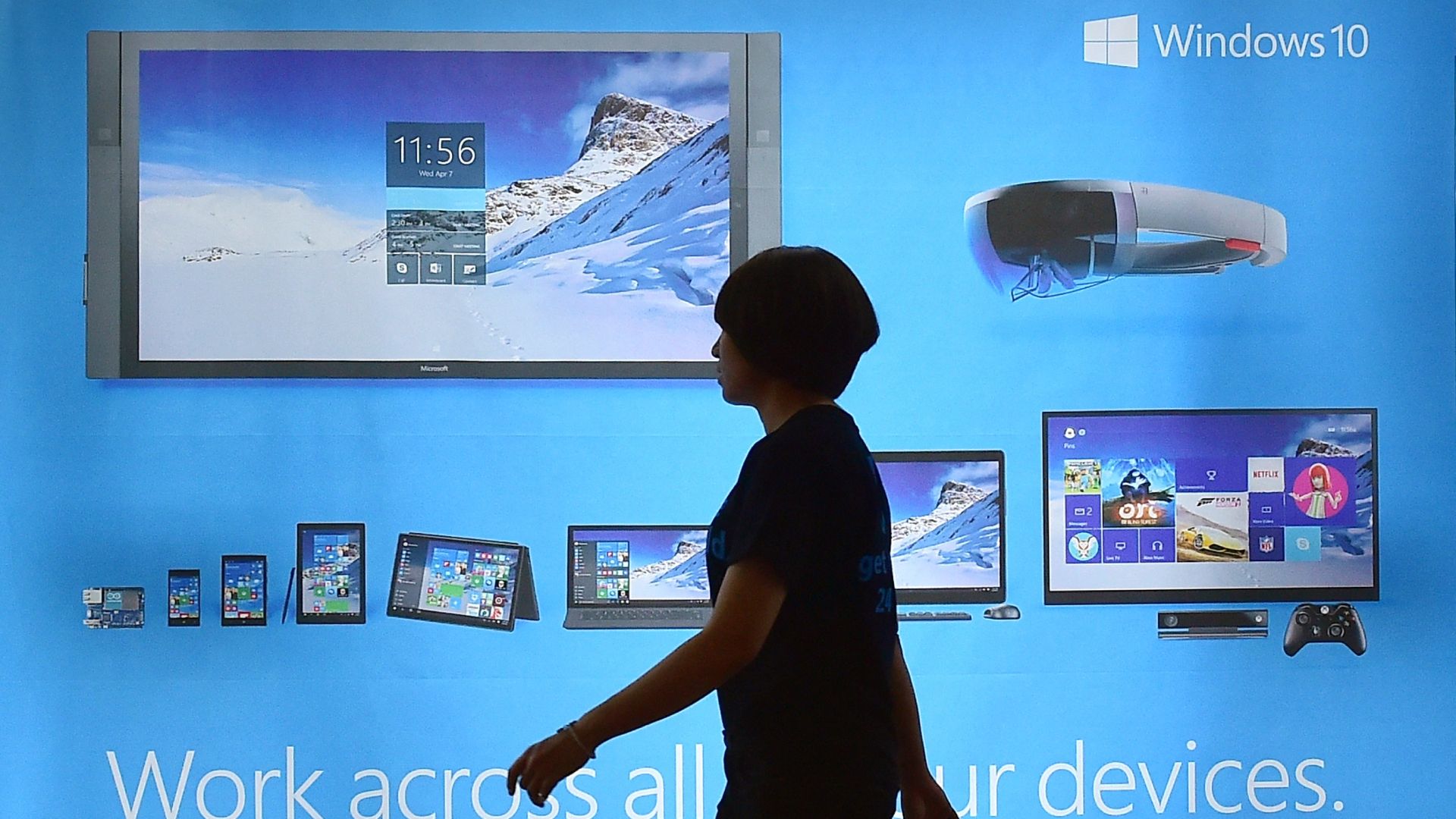
Today, on October 14th, 2025, data-analytics-id=”inline-link” href=”https://www.tomshardware.com/tag/microsoft” data-auto-tag-linker=”true” data-before-rewrite-localise=”https://www.tomshardware.com/tag/microsoft”>Microsoft is ending mainstream support for Windows 10, the operating system that ten years ago was famously billed as “the last version of Windows.” For many, the announcement data-analytics-id=”inline-link” href=”https://www.tomshardware.com/software/windows/california-man-sues-microsoft-for-discontinuing-windows-10-says-company-is-doing-this-to-monopolize-the-generative-ai-market” data-before-rewrite-localise=”https://www.tomshardware.com/software/windows/california-man-sues-microsoft-for-discontinuing-windows-10-says-company-is-doing-this-to-monopolize-the-generative-ai-market”>doesn’t feel like progress. It feels like an eviction.
Over the last several months, users have been scrambling to prepare for life after Windows 10. Microsoft offers a stopgap in the form of Extended data-analytics-id=”inline-link” href=”https://www.tomshardware.com/tag/security” data-auto-tag-linker=”true” data-before-rewrite-localise=”https://www.tomshardware.com/tag/security”>Security Updates (ESU) — a one-year lifeline that costs either a $30 one-time fee or, tellingly, a…


