
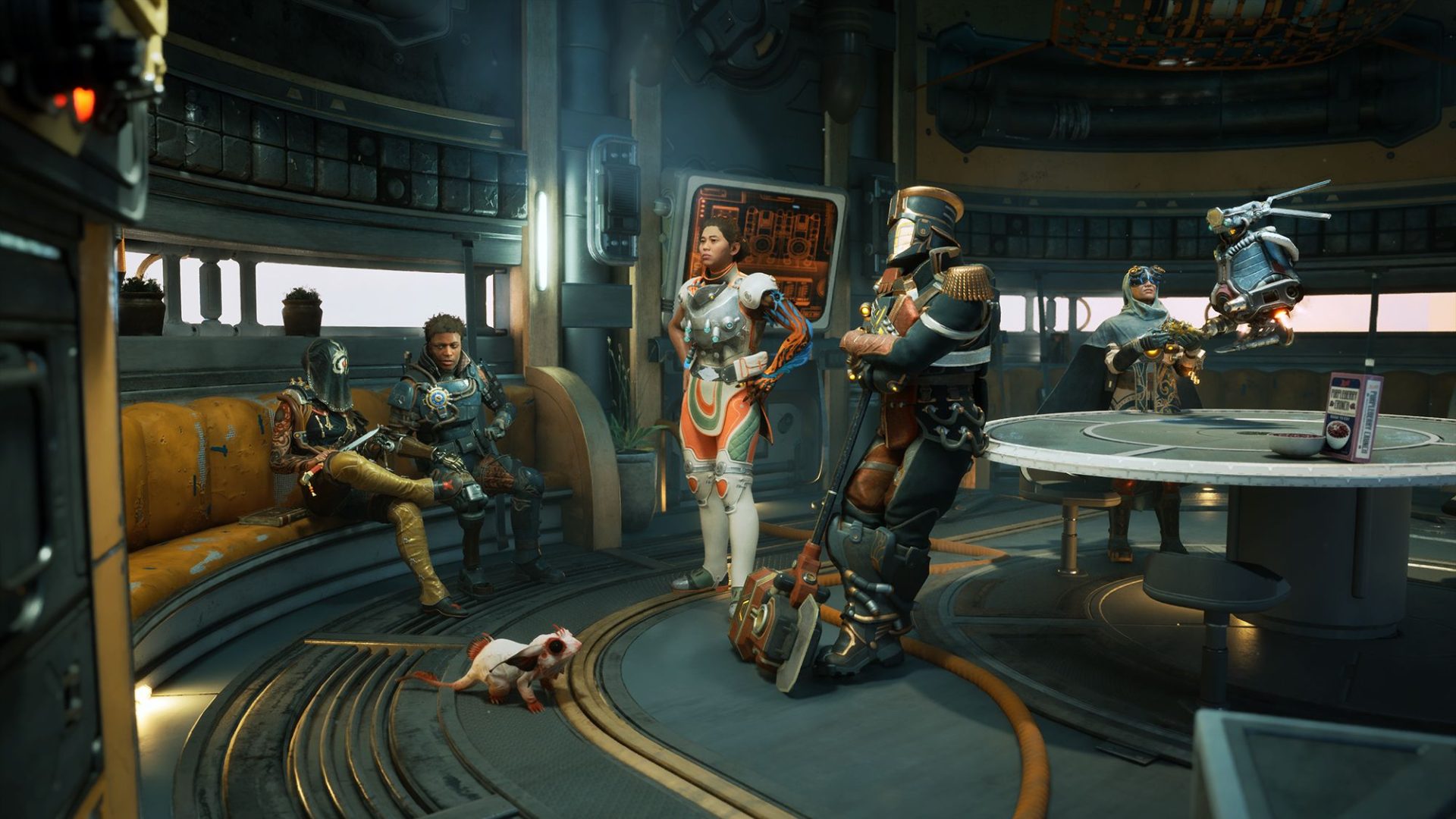
Obsidian RPGs such as data-analytics-id=”inline-link” href=”https://www.tomsguide.com/gaming/avowed-review” data-before-rewrite-localise=”https://www.tomsguide.com/gaming/avowed-review”> Avowed have a certain… something that makes them different. Even when the formula is applied to an established franchise like Fallout (with the fan-favorite data-analytics-id=”inline-link” href=”https://www.tomsguide.com/gaming/this-is-the-game-im-playing-to-prepare-for-fallout-season-2″ data-before-rewrite-localise=”https://www.tomsguide.com/gaming/this-is-the-game-im-playing-to-prepare-for-fallout-season-2″>New Vegas), you just know who made the game from the way it feels and the way the characters interact.
data-analytics-id=”inline-link” href=”https://www.tomsguide.com/features/the-outer-worlds-lampoons-unchecked-capitalism-and-i-love-it” data-before-rewrite-localise=”https://www.tomsguide.com/features/the-outer-worlds-lampoons-unchecked-capitalism-and-i-love-it”>The Outer Worlds, and now its sequel, The Outer Worlds 2, are as “Obsidian” as you can find. And while I loved the first one and the way it used the company’s tried and true formula for RPG goodness, the developer wasn’t too…


