How Kingshot Leads the Next Wave of Mobile Strategy Innovation for Indie Game Studios?

Share via:

Introduction:

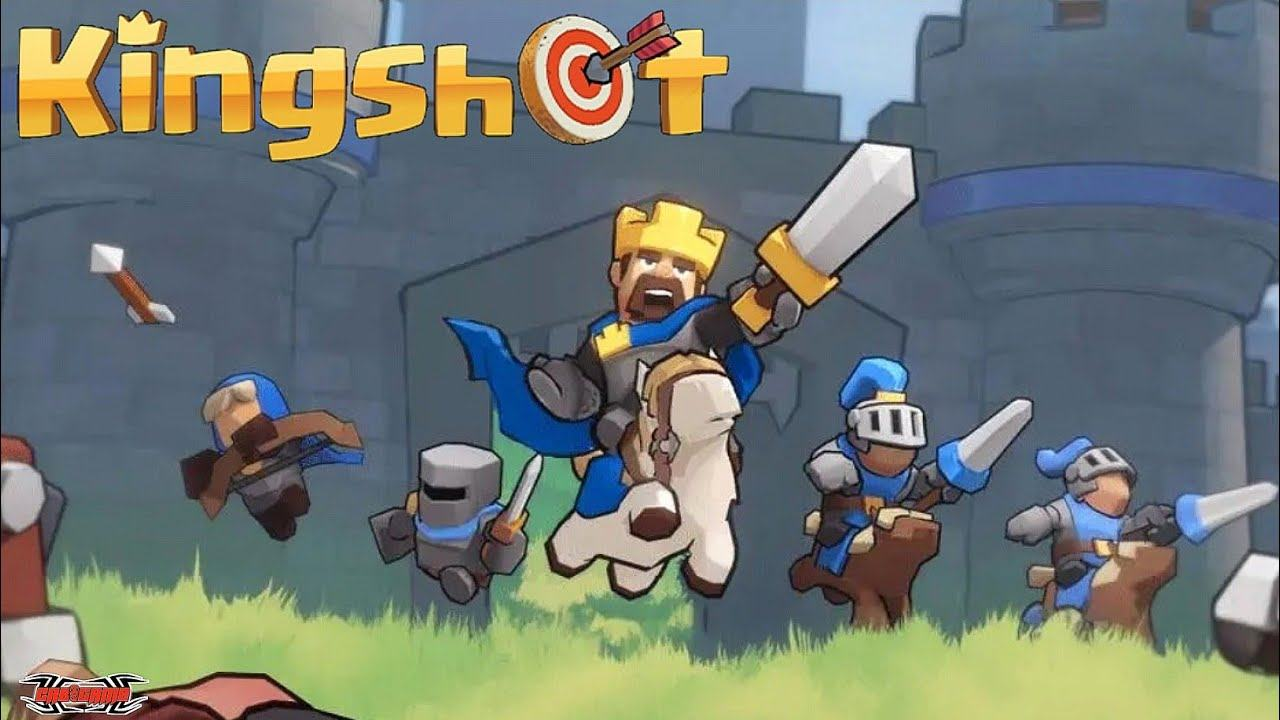
Kingshot, produced by Century Games and set up globally in early 2025, has swiftly come up in the orders in the mobile strategy games, mixing light survival mechanisms with deep strategic layers in a knightly fantasy setting. This rush positions Kingshot not even as a commercial bang but as a design for indie game studios searching to navigate the aggressive mobile landscape.

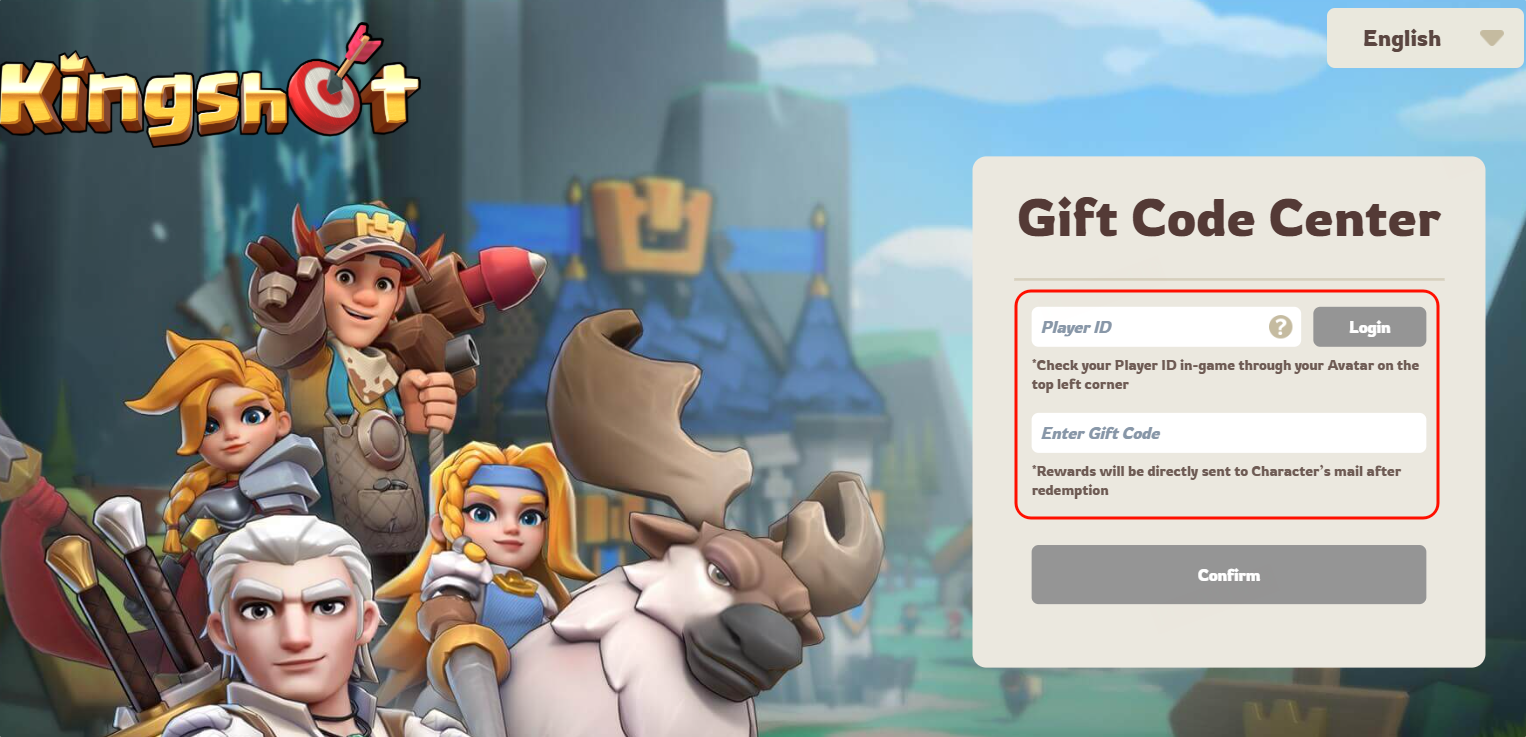
Key to this development is the concept of “gaming recharge” mechanisms, which let players top up in-game currencies such as gems to accelerate advancement, recruit heroes, or increase resources. In this game, Kingshot, these Kingshot recharge boasts a civilized approach, offering value-driven packages that raise engagement rather than gatekeeping it, indicating a new criterion for balancing free-to-play availability with profitability.

The Mobile Strategy Landscape & the Role of Recharge Systems:

The mobile strategy marketplace in the year 2025 remains rich, with strategy championships such as SLG (simulation league games) and 4X (explore, expand, exploit, exterminate) genres beating back substantial revenue amid general app growth. Worldwide downloads and in-app usage continue to rise, though user skill costs increase due to privacy rules and platform diversification. Contest steps up from established hulks like Honor of Kings and Whiteout Survival, forcing monetization to develop beyond competitive paywalls toward hybrid examples that prioritize retention.

For indie studios, controlling recharge systems is vital: they account for 70-80% of mobile profit in strategy games, and even poor execution can boil over. Realizing Kingshot’s model clearly values, event-tied proposes assists indies design fair, repetitive monetization that holds long-run player trust among rising CPI (cost per install).

What Kingshot Gets Right: Design & Monetisation?

Kingshot is introduced by combining tower defense, city-building, and hero collection into a sticky, lazy survival loop. Players cope with survivor parts, fight back against waves of immediately hero-controlled fights, and expand through 4X elements such as resource raids and tech trees, beat a low-poly knightly world that gets down entry barriers, although rewarding depth.

Monetization strikes through sharp video game recharge integration: gems stock non-essential speedups without leveling up free advancement. Bundles yield high perceived value, for example: first-time reloads allot SSR Hero Helga plus keys, aiming for $220 million in 6 months, with 43% from the U.S. Engagement stays high (1.3 million DAU), as reloads increase rather than replace core iterations such as alliance rallies or Suppress mode.

Indies can copy this: prioritize addictive gist iterations (e.g., Fast defenses yielding resources), and so layer elective Kingshot-style recharges. Keep off pay-to-win PvP dominance; or else, utilize packages for cosmetic or convenience fringe benefits, assuring f2p players feel authorized.

Lessons for Indie Game Studios:

Tip 1: Build engaging core gameplay first, then layer recharge.

Kingshot’s tower defense onboarding robs players instantly, building loyalty before monetization prompts. Indies had better prototype fun, a replayable mechanism, resource allotment, and wave selection, using tools such as Unity, and screened through playtests to bang 40%+ Day 1 retention before adding recharges.

Tip 2: Recharge mechanics must be meaningful — players should feel value.

Kingshot recharge follows with incentives (for example, 200% gem comes back on 1st buys) and event synergies, making spends feel like investments. Indies: Design bundles with 2-3x value (resources + exclusives), A/B test pricing, and cap every day walls to build up trust and drive for ARPU below $5 at the start.

Tip 3: Growth plan: Kingshot’s global rollout shows a scale strategy.

Post-launch, Kingshot extended through aimed UA in the U.S./Asia, bumping off 42 million downloads without pre-reg hype. Indies: begin soft-launching in 2 to 3 markets (e.g., Canada, Philippines), scale with FoxData-like analytics for download trends, and set up local-currency recharges.

Tip 4: Monitor and iterate: data‑driven tweaks to recharge systems matter.

Century Games uses UA information to personalize offers, thereby encouraging LTV. Indies: incorporate free analytics (Google Play Console), cross-recharge transition (aim 5 to 10%), and hotfix based on feedback, for example., Add up F2P milestones to bring down ahead-of-time churn.
Operational Insights & Community Growth:

Kingshot’s bond arrangements are retention fireballs: players form groupings for tech research, associated rallies, and events such as Mobilization, where aligned charges yield tiered repays. This nurtures social bonds, with parts (gems/resources) discovering buffs for all, immediately bonding into monetization through alignment shops.

Indies, with list ops, had better emulate through easy Discord integration and quick updates (fortnightly events). Smart UA Kingshot’s competitive post-launch advertisements (2,000 AI creatives per day, “no advertisements” hooks) aimed at 200K downloads early. Concentrate on CPI under $1 through TikTok/FB, hybrid casual-strategy creatives, and cross-promo bonds.

Conclusion:

Kingshot directs mobile strategy’s following wave through advanced hybrid design and recharge-driven monetization, amassing $220+ million while keeping up solid DAU through fair, value-bundled Kingshot recharge and video game recharge arrangements. Its worldwide rollout, alignment depth, and UA control prove that scalable success is possible.

Indie studios: conform to these lessons, prioritize iterations, important reloads, and data looping to equalize gameplay and profit. Well-executed video game recharge can endue players, building up trust over time. At last, a durable mobile strategy success calls for bold design merged with smart monetization, growing indies into genre innovators.


Disclaimer

We strive to uphold the highest ethical standards in all of our reporting and coverage. We StartupNews.fyi want to be transparent with our readers about any potential conflicts of interest that may arise in our work. It’s possible that some of the investors we feature may have connections to other businesses, including competitors or companies we write about. However, we want to assure our readers that this will not have any impact on the integrity or impartiality of our reporting. We are committed to delivering accurate, unbiased news and information to our audience, and we will continue to uphold our ethics and principles in all of our work. Thank you for your trust and support.

Team SNFYI
Hi! This is Admin.

Popular

More Like this

How Kingshot Leads the Next Wave of Mobile Strategy Innovation for Indie Game Studios?

Introduction:

Kingshot, produced by Century Games and set up globally in early 2025, has swiftly come up in the orders in the mobile strategy games, mixing light survival mechanisms with deep strategic layers in a knightly fantasy setting. This rush positions Kingshot not even as a commercial bang but as a design for indie game studios searching to navigate the aggressive mobile landscape.

Key to this development is the concept of “gaming recharge” mechanisms, which let players top up in-game currencies such as gems to accelerate advancement, recruit heroes, or increase resources. In this game, Kingshot, these Kingshot recharge boasts a civilized approach, offering value-driven packages that raise engagement rather than gatekeeping it, indicating a new criterion for balancing free-to-play availability with profitability.

The Mobile Strategy Landscape & the Role of Recharge Systems:

The mobile strategy marketplace in the year 2025 remains rich, with strategy championships such as SLG (simulation league games) and 4X (explore, expand, exploit, exterminate) genres beating back substantial revenue amid general app growth. Worldwide downloads and in-app usage continue to rise, though user skill costs increase due to privacy rules and platform diversification. Contest steps up from established hulks like Honor of Kings and Whiteout Survival, forcing monetization to develop beyond competitive paywalls toward hybrid examples that prioritize retention.

For indie studios, controlling recharge systems is vital: they account for 70-80% of mobile profit in strategy games, and even poor execution can boil over. Realizing Kingshot’s model clearly values, event-tied proposes assists indies design fair, repetitive monetization that holds long-run player trust among rising CPI (cost per install).

What Kingshot Gets Right: Design & Monetisation?

Kingshot is introduced by combining tower defense, city-building, and hero collection into a sticky, lazy survival loop. Players cope with survivor parts, fight back against waves of immediately hero-controlled fights, and expand through 4X elements such as resource raids and tech trees, beat a low-poly knightly world that gets down entry barriers, although rewarding depth.

Monetization strikes through sharp video game recharge integration: gems stock non-essential speedups without leveling up free advancement. Bundles yield high perceived value, for example: first-time reloads allot SSR Hero Helga plus keys, aiming for $220 million in 6 months, with 43% from the U.S. Engagement stays high (1.3 million DAU), as reloads increase rather than replace core iterations such as alliance rallies or Suppress mode.

Indies can copy this: prioritize addictive gist iterations (e.g., Fast defenses yielding resources), and so layer elective Kingshot-style recharges. Keep off pay-to-win PvP dominance; or else, utilize packages for cosmetic or convenience fringe benefits, assuring f2p players feel authorized.

Lessons for Indie Game Studios:

Tip 1: Build engaging core gameplay first, then layer recharge.

Kingshot’s tower defense onboarding robs players instantly, building loyalty before monetization prompts. Indies had better prototype fun, a replayable mechanism, resource allotment, and wave selection, using tools such as Unity, and screened through playtests to bang 40%+ Day 1 retention before adding recharges.

Tip 2: Recharge mechanics must be meaningful — players should feel value.

Kingshot recharge follows with incentives (for example, 200% gem comes back on 1st buys) and event synergies, making spends feel like investments. Indies: Design bundles with 2-3x value (resources + exclusives), A/B test pricing, and cap every day walls to build up trust and drive for ARPU below $5 at the start.

Tip 3: Growth plan: Kingshot’s global rollout shows a scale strategy.

Post-launch, Kingshot extended through aimed UA in the U.S./Asia, bumping off 42 million downloads without pre-reg hype. Indies: begin soft-launching in 2 to 3 markets (e.g., Canada, Philippines), scale with FoxData-like analytics for download trends, and set up local-currency recharges.

Tip 4: Monitor and iterate: data‑driven tweaks to recharge systems matter.

Century Games uses UA information to personalize offers, thereby encouraging LTV. Indies: incorporate free analytics (Google Play Console), cross-recharge transition (aim 5 to 10%), and hotfix based on feedback, for example., Add up F2P milestones to bring down ahead-of-time churn.

Operational Insights & Community Growth:

Kingshot’s bond arrangements are retention fireballs: players form groupings for tech research, associated rallies, and events such as Mobilization, where aligned charges yield tiered repays. This nurtures social bonds, with parts (gems/resources) discovering buffs for all, immediately bonding into monetization through alignment shops.

Indies, with list ops, had better emulate through easy Discord integration and quick updates (fortnightly events). Smart UA Kingshot’s competitive post-launch advertisements (2,000 AI creatives per day, “no advertisements” hooks) aimed at 200K downloads early. Concentrate on CPI under $1 through TikTok/FB, hybrid casual-strategy creatives, and cross-promo bonds.

Conclusion:

Kingshot directs mobile strategy’s following wave through advanced hybrid design and recharge-driven monetization, amassing $220+ million while keeping up solid DAU through fair, value-bundled Kingshot recharge and video game recharge arrangements. Its worldwide rollout, alignment depth, and UA control prove that scalable success is possible.

Indie studios: conform to these lessons, prioritize iterations, important reloads, and data looping to equalize gameplay and profit. Well-executed video game recharge can endue players, building up trust over time. At last, a durable mobile strategy success calls for bold design merged with smart monetization, growing indies into genre innovators.

Disclaimer

We strive to uphold the highest ethical standards in all of our reporting and coverage. We StartupNews.fyi want to be transparent with our readers about any potential conflicts of interest that may arise in our work. It’s possible that some of the investors we feature may have connections to other businesses, including competitors or companies we write about. However, we want to assure our readers that this will not have any impact on the integrity or impartiality of our reporting. We are committed to delivering accurate, unbiased news and information to our audience, and we will continue to uphold our ethics and principles in all of our work. Thank you for your trust and support.

Website Upgradation is going on for any glitch kindly connect at office@startupnews.fyi

Team SNFYI
Hi! This is Admin.

More like this

I test TVs for living, and these are the...

After a day’s work of reporting on the TV...

New Rule Forbids GNOME Shell Extensions Made Using AI-Generated...

An anonymous reader shared this report from Phoronix: Due...

Popular