
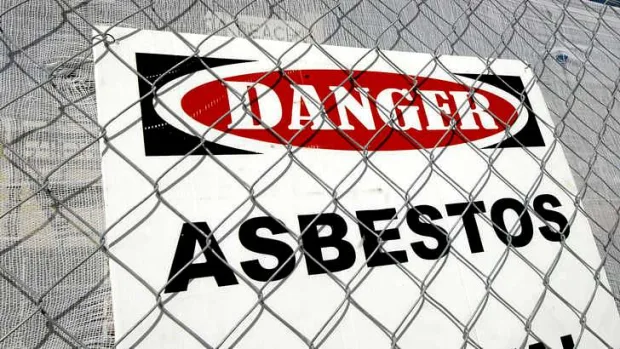
A major asbestos contamination scare has forced multiple schools across Brisbane and the ACT to close temporarily after authorities traced the risk back to batches of Kadink decorative sand, a popular coloured sand product used for arts and classroom activities. According to an ABC News report, urgent testing confirmed potential asbestos fibres in certain sand supplies, prompting swift intervention from health and education officials.
The incident has raised significant public concern, as decorative sand is commonly used in early childhood centres, primary schools, and school events. With parents demanding clarity and safety assurances, the recall of coloured sand products is now underway nationwide.
How the Asbestos Risk Was Discovered
The risk first came to light when routine testing of classroom materials identified suspicious mineral fibres in unopened bags of decorative sand. Further investigation revealed that several batches of Kadink decorative sand—sold widely through educational suppliers—may have been contaminated with asbestos during production or packaging.
Once authorities suspected a link, they acted immediately by:
- ordering emergency closure of impacted schools
- securing classrooms where the product had been used
- isolating sand supplies for forensic testing
- notifying education departments across Australia
The discovery led to major disruptions, especially in the ACT, where several campuses shut down as testing teams assessed potential exposure risks.
ACT and Brisbane Schools Close as Precaution
Education departments in both regions emphasized that the closures were precautionary. Still, the move underscores the seriousness of the potential contamination. Schools affected in the ACT were instructed to:
- suspend on-site classes
- initiate professional cleaning
- follow asbestos management guidelines
- communicate directly with parents about safety measures
Similar steps were taken in Brisbane, where some classrooms were restricted while remediation teams conducted air and surface testing.
Officials maintain that the risk to students remains low, as the product was typically used in contained activities such as craft tables and sensory play. However, since asbestos exposure carries long-term health consequences, authorities chose to adopt the highest level of caution.
National Recall of Kadink Coloured Sand Underway
In response to the scare, distributors have begun recalling affected batches of Kadink decorative sand. Large retailers, including educational supply stores, have removed the product from shelves pending further investigation.
The recall affects:
- multiple colour varieties
- different package sizes
- sand imported from specific overseas batches
Parents and teachers are advised to check any coloured sand purchased within the past year and avoid opening containers until official guidance is issued.
How Asbestos Ends Up in Decorative Sand
Experts note that while coloured sand products are generally safe, contamination can occur during:
- mining of naturally occurring minerals
- processing in facilities where asbestos deposits are nearby
- inadequate quality controls during manufacturing
- cross-contamination during packaging
Because asbestos can appear naturally in some geological formations, decorative sand sourced without strict mineral testing could carry inadvertent fibres.
Health Officials Urge Calm But Vigilance
Authorities reiterate that the current risk of asbestos exposure in schools remains limited. Asbestos becomes hazardous primarily when airborne, and coloured sand used in damp or contained activities poses far lower risk compared to dry, loose handling.
Still, health agencies stress the importance of:
- avoiding disturbance of any questionable materials
- following official school updates
- participating in community information sessions
Parents in Canberra and Brisbane have expressed concern, but officials assure them that comprehensive testing protocols are underway.
Could More Schools Be Affected?
The education department has not ruled out further closures as investigations continue. Testing is being expanded to:
- early learning centres
- after-school programs
- arts and crafts activity sites
- community spaces that purchased the product
The broader public recall is expected to continue through the coming weeks, depending on laboratory results.
What Happens Next
Authorities will provide updates following further testing of the coloured sand batches. Regulatory bodies are also examining import pathways and manufacturing practices to prevent similar incidents in the future.
The asbestos scare has reignited debate about Australia’s monitoring of imported craft materials and the need for stricter compliance checks, especially for products used by children.
Schools are expected to reopen once they receive clearance certifying that no asbestos fibres are present in classrooms or materials.
Stay Updated
For more important updates on developing stories, health alerts, and major education sector news, follow the latest reports on The Canberra Times and trusted Australian news outlets.Stay informed about the latest trends, technology updates, and startup insights by visiting https://startupnews.fyi/.


