Stuttgart 21 Opening Delayed Again: Germany’s Rail Megaproject Faces Mounting Criticism

Share via:

Bahnhof Stuttgart 21 costs soar past €12 billion as delays stretch to nearly two decades

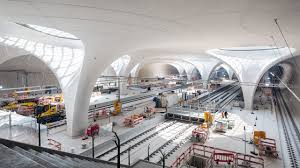
The long-delayed Stuttgart 21 project, Germany’s most ambitious rail infrastructure overhaul, has once again been pushed back, sparking renewed public frustration and political scrutiny. Originally envisioned as a symbol of modernization and progress, the underground Bahnhof Stuttgart 21 has instead become a case study in cost overruns, planning chaos, and eroding public trust.

According to a commentary published by Tagesschau, the once-celebrated vision for a futuristic transport hub in southern Germany has “become a global laughingstock.” The project’s timeline has stretched far beyond its initial projections, with the Stuttgart 21 Eröffnung (opening) now delayed until at least 2030 — nearly 16 years after construction began.

Stuttgart 21: From Symbol of Progress to National Controversy

When Stuttgart 21 Baubeginn (construction) officially commenced in 2010, it was promoted as the beating heart of Germany’s future rail network. The ambitious plan involved transforming Stuttgart’s traditional terminus station into a through-station, moving operations underground, and freeing up valuable city-center land for development.

However, as Tagesschau notes, critics — including environmental activists and local residents — have been warning for years that the project was too complex, too expensive, and ultimately unnecessary. Their warnings, once dismissed as reactionary, have proven prophetic.

With total costs now exceeding €11.9 billion, up from the original €4.5 billion estimate, Stuttgart 21 stands as one of Europe’s most expensive public infrastructure projects. “The worst fears have come true,” wrote journalist Daniel Hechler. “A project that was meant to symbolize a modern, competitive Germany has turned into an embarrassment.”

Risks Underestimated, Complexity Overlooked

According to experts, one of the fundamental flaws behind Stuttgart21 was the underestimation of risk. Deutsche Bahn officials and political leaders consistently downplayed the challenges of executing such a massive engineering feat in one of Europe’s busiest transport corridors.

“From the beginning, it was complicated and became even more so,” Hechler observed. “The digitalization of Germany’s most complex rail junction was practically a suicide mission.”

The project’s complexity stems not only from the underground design but also from the integration of new digital rail technologies, seismic safety concerns, and coordination between regional and national transport systems.

Accountability and Leadership: Who Is to Blame?

After years of missed deadlines, no single authority appears willing to take responsibility for the project’s ongoing difficulties. The new Deutsche Bahn CEO, Evelyn Palla, has pledged transparency moving forward, promising “no more empty promises that cannot be kept.”

Palla’s approach marks a shift from previous leadership, which often downplayed issues to maintain political support. Instead, she has called for measured, realistic decision-making to bring the project to completion while minimizing further cost inflation.

“The goal now,” she said, “is to complete Stuttgart 21 with discipline and prudence — and to ensure lessons are learned for future projects.”

Public Frustration and Political Fallout

The frustration among residents in Stuttgart and beyond remains high. Many locals, once labeled as “Wutbürger” (angry citizens), now feel vindicated. They were among the first to protest Stuttgart 21 Baubeginn, warning that the underground design would prove prohibitively expensive and environmentally disruptive.

Today, those same citizens point to the ongoing Eröffnung Bahnhof Stuttgart delays as proof that public skepticism was justified. “People have lost faith not just in Deutsche Bahn, but in how major infrastructure is managed in Germany,” said a transport analyst from SWR.

Opposition politicians have called for greater transparency and a parliamentary review into the project’s management, arguing that taxpayers deserve accountability for what has become one of the country’s most controversial investments.

A Lesson for Future Megaprojects

While S21 continues to move forward, albeit at a slow pace, experts say it represents an important cautionary tale for Germany’s future infrastructure ambitions. The emphasis on architectural prestige and political symbolism, critics argue, overshadowed practical concerns about feasibility, cost, and public value.

“The obsession with prestige and grand design came at the expense of realism,” Tagesschau’s commentary noted. “Now it’s time to finish the project sensibly and learn from the mistakes — rather than continue running headlong into them.”

Conclusion: Stuttgart 21’s Legacy Still Unwritten

As Stuttgart 21 Eröffnung slips further into the future, the project’s legacy remains uncertain. Supporters still believe it will eventually deliver a world-class transport hub and transform Stuttgart’s urban core. But for many, the damage — both financial and reputational — has already been done.

What was once envisioned as a bold step toward progress now stands as a sobering reminder of how large-scale infrastructure dreams can derail without foresight, transparency, and accountability.

For the latest developments in European infrastructure and innovation, visit StartupNews.fyi.

Disclaimer

We strive to uphold the highest ethical standards in all of our reporting and coverage. We StartupNews.fyi want to be transparent with our readers about any potential conflicts of interest that may arise in our work. It’s possible that some of the investors we feature may have connections to other businesses, including competitors or companies we write about. However, we want to assure our readers that this will not have any impact on the integrity or impartiality of our reporting. We are committed to delivering accurate, unbiased news and information to our audience, and we will continue to uphold our ethics and principles in all of our work. Thank you for your trust and support.

Popular

More Like this

Stuttgart 21 Opening Delayed Again: Germany’s Rail Megaproject Faces Mounting Criticism

Bahnhof Stuttgart 21 costs soar past €12 billion as delays stretch to nearly two decades

The long-delayed Stuttgart 21 project, Germany’s most ambitious rail infrastructure overhaul, has once again been pushed back, sparking renewed public frustration and political scrutiny. Originally envisioned as a symbol of modernization and progress, the underground Bahnhof Stuttgart 21 has instead become a case study in cost overruns, planning chaos, and eroding public trust.

According to a commentary published by Tagesschau, the once-celebrated vision for a futuristic transport hub in southern Germany has “become a global laughingstock.” The project’s timeline has stretched far beyond its initial projections, with the Stuttgart 21 Eröffnung (opening) now delayed until at least 2030 — nearly 16 years after construction began.

Stuttgart 21: From Symbol of Progress to National Controversy

When Stuttgart 21 Baubeginn (construction) officially commenced in 2010, it was promoted as the beating heart of Germany’s future rail network. The ambitious plan involved transforming Stuttgart’s traditional terminus station into a through-station, moving operations underground, and freeing up valuable city-center land for development.

However, as Tagesschau notes, critics — including environmental activists and local residents — have been warning for years that the project was too complex, too expensive, and ultimately unnecessary. Their warnings, once dismissed as reactionary, have proven prophetic.

With total costs now exceeding €11.9 billion, up from the original €4.5 billion estimate, Stuttgart 21 stands as one of Europe’s most expensive public infrastructure projects. “The worst fears have come true,” wrote journalist Daniel Hechler. “A project that was meant to symbolize a modern, competitive Germany has turned into an embarrassment.”

Risks Underestimated, Complexity Overlooked

According to experts, one of the fundamental flaws behind Stuttgart21 was the underestimation of risk. Deutsche Bahn officials and political leaders consistently downplayed the challenges of executing such a massive engineering feat in one of Europe’s busiest transport corridors.

“From the beginning, it was complicated and became even more so,” Hechler observed. “The digitalization of Germany’s most complex rail junction was practically a suicide mission.”

The project’s complexity stems not only from the underground design but also from the integration of new digital rail technologies, seismic safety concerns, and coordination between regional and national transport systems.

Accountability and Leadership: Who Is to Blame?

After years of missed deadlines, no single authority appears willing to take responsibility for the project’s ongoing difficulties. The new Deutsche Bahn CEO, Evelyn Palla, has pledged transparency moving forward, promising “no more empty promises that cannot be kept.”

Palla’s approach marks a shift from previous leadership, which often downplayed issues to maintain political support. Instead, she has called for measured, realistic decision-making to bring the project to completion while minimizing further cost inflation.

“The goal now,” she said, “is to complete Stuttgart 21 with discipline and prudence — and to ensure lessons are learned for future projects.”

Public Frustration and Political Fallout

The frustration among residents in Stuttgart and beyond remains high. Many locals, once labeled as “Wutbürger” (angry citizens), now feel vindicated. They were among the first to protest Stuttgart 21 Baubeginn, warning that the underground design would prove prohibitively expensive and environmentally disruptive.

Today, those same citizens point to the ongoing Eröffnung Bahnhof Stuttgart delays as proof that public skepticism was justified. “People have lost faith not just in Deutsche Bahn, but in how major infrastructure is managed in Germany,” said a transport analyst from SWR.

Opposition politicians have called for greater transparency and a parliamentary review into the project’s management, arguing that taxpayers deserve accountability for what has become one of the country’s most controversial investments.

A Lesson for Future Megaprojects

While S21 continues to move forward, albeit at a slow pace, experts say it represents an important cautionary tale for Germany’s future infrastructure ambitions. The emphasis on architectural prestige and political symbolism, critics argue, overshadowed practical concerns about feasibility, cost, and public value.

“The obsession with prestige and grand design came at the expense of realism,” Tagesschau’s commentary noted. “Now it’s time to finish the project sensibly and learn from the mistakes — rather than continue running headlong into them.”

Conclusion: Stuttgart 21’s Legacy Still Unwritten

As Stuttgart 21 Eröffnung slips further into the future, the project’s legacy remains uncertain. Supporters still believe it will eventually deliver a world-class transport hub and transform Stuttgart’s urban core. But for many, the damage — both financial and reputational — has already been done.

What was once envisioned as a bold step toward progress now stands as a sobering reminder of how large-scale infrastructure dreams can derail without foresight, transparency, and accountability.

For the latest developments in European infrastructure and innovation, visit StartupNews.fyi.

Disclaimer

We strive to uphold the highest ethical standards in all of our reporting and coverage. We StartupNews.fyi want to be transparent with our readers about any potential conflicts of interest that may arise in our work. It’s possible that some of the investors we feature may have connections to other businesses, including competitors or companies we write about. However, we want to assure our readers that this will not have any impact on the integrity or impartiality of our reporting. We are committed to delivering accurate, unbiased news and information to our audience, and we will continue to uphold our ethics and principles in all of our work. Thank you for your trust and support.

Website Upgradation is going on for any glitch kindly connect at office@startupnews.fyi

More like this

US Blocks All Offshore Wind Construction, Says Reason Is...

An anonymous reader quotes a report from Ars...

Still missing stocking stuffers? This Apple AirTag 4-Pack deal...

Eric Zeman / Android AuthorityChristmas is always here, and...

Battlefield 6 drops in US charts as Call of...

Despite a strong release across all platforms, Battlefield 6...

Popular
