
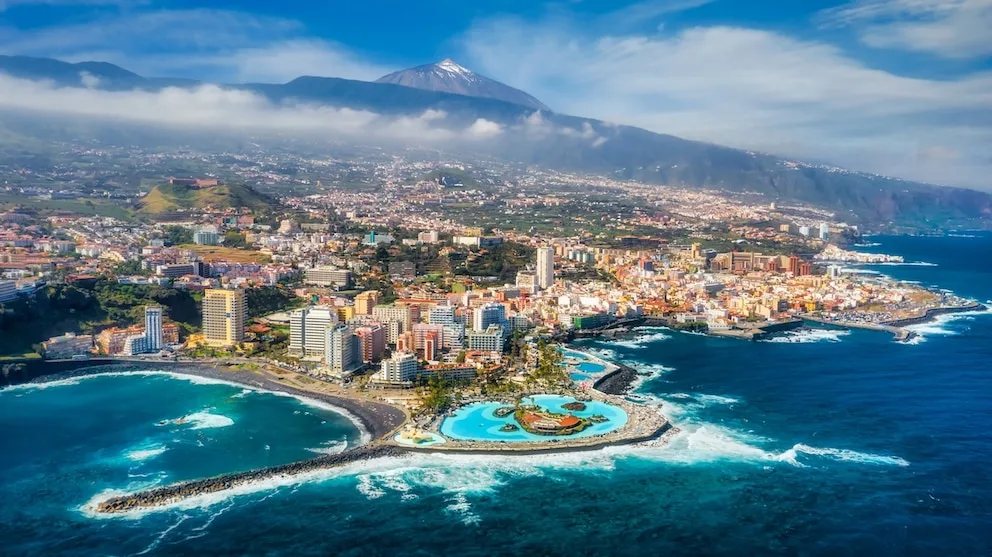
Rising Concerns Over Mass Tourism in the Canary Islands
As global destinations grapple with overtourism, the Canary Islands are now under growing scrutiny for their skyrocketing visitor numbers ahead of the 2026 season. Inspired by similar warnings issued for other natural destinations like Montana’s Glacier National Park, local authorities in Tenerife and Gran Canaria are urging for a more sustainable approach to tourism before it’s too late.
Much like the “No List” destinations highlighted by The Independent for 2026, including Glacier National Park, the Canary Islands overtourism 2026 debate underscores the tension between economic dependence on visitors and the urgent need to protect fragile ecosystems.
Record Visitor Arrivals Strain Local Resources
In 2025 alone, the Canary Islands welcomed more than 14 million international visitors — a post-pandemic record that has stretched infrastructure, housing, and public services to their limits. Environmental groups warn that if the current pace continues, the islands could face irreversible ecological damage by mid-2026.
The tourism influx has led to issues similar to those in the US national parks: increased litter, water scarcity, traffic congestion, and higher carbon emissions. Beaches in Lanzarote and Tenerife have seen erosion accelerate, while waste management systems are struggling to cope with seasonal peaks.
“Tourism is the backbone of our economy, but it’s becoming unsustainable,” said a spokesperson from the Canary Islands’ environmental department. “If we don’t act now, our natural and cultural assets could be permanently compromised.”
Balancing Tourism and Sustainability
Authorities are developing a new sustainability framework for Canary Islands overtourism 2026, aiming to regulate the number of cruise ships docking in the ports and limit new hotel construction. Measures may also include eco-taxation, similar to models adopted in other European tourist destinations like Venice and Barcelona.
Local mayors have also urged visitors to travel outside peak months to spread tourism’s economic benefits and environmental load more evenly.
Environmentalists point to examples like Glacier National Park in the US — where travel guides have recommended temporary visitor restraint — as a model for encouraging responsible tourism rather than outright bans.
Residents Push Back Against “Tourism Saturation”
Beyond environmental damage, social tensions have been rising across the islands. Protests in 2025 saw residents in Tenerife and Fuerteventura calling for limits on short-term rentals and a cap on visitor numbers.
Locals argue that overtourism is driving up rent prices, overburdening healthcare and transport services, and altering community life. Many now advocate for a “quality over quantity” tourism model that prioritizes higher-value, eco-conscious visitors.
Activist groups have urged regional leaders to establish a clear visitor threshold for 2026, suggesting the Canary Islands’ carrying capacity may already have been exceeded.
Global Tourism Patterns Reflect Similar Challenges
The Canary Islands overtourism 2026 debate mirrors global concerns raised by sustainability experts and travel researchers. As climate change intensifies, more tourists are engaging in “last-chance tourism” — visiting natural sites before they deteriorate or disappear.
This has created a paradox: the more people seek to experience these destinations, the faster they risk damaging them. The situation at Glacier National Park, as reported by The Independent, illustrates this cycle — visitors rushing to see glaciers before they melt, only to accelerate their decline.
The same pattern is now visible in the Canary Islands, where eco-sensitive zones like Teide National Park and Masca Valley are seeing unprecedented footfall.
A Turning Point for the Canary Islands
Experts warn that without strategic intervention, Canary Islands overtourism 2026 could reach a critical tipping point. Regional authorities are preparing to present a new “Tourism Resilience Plan” early next year, which will include stricter environmental standards for resorts and tougher penalties for illegal rentals.
Meanwhile, the government is also working with EU partners to explore green tourism funding initiatives aimed at improving renewable energy use and reducing carbon footprints in hospitality infrastructure.
If implemented effectively, these measures could help preserve the islands’ unique biodiversity while maintaining their position as one of Europe’s top holiday destinations.
Final Thoughts
The Canary Islands face a defining moment in 2026. As global awareness of overtourism grows, local leaders must strike a delicate balance between economic growth and environmental stewardship.
By learning from destinations like Montana’s Glacier National Park, the islands have the opportunity to transform their tourism model — ensuring that paradise remains both profitable and sustainable for generations to come.For more insights into global sustainability, tourism, and economic policy updates, visit StartupNews.fyi.


