
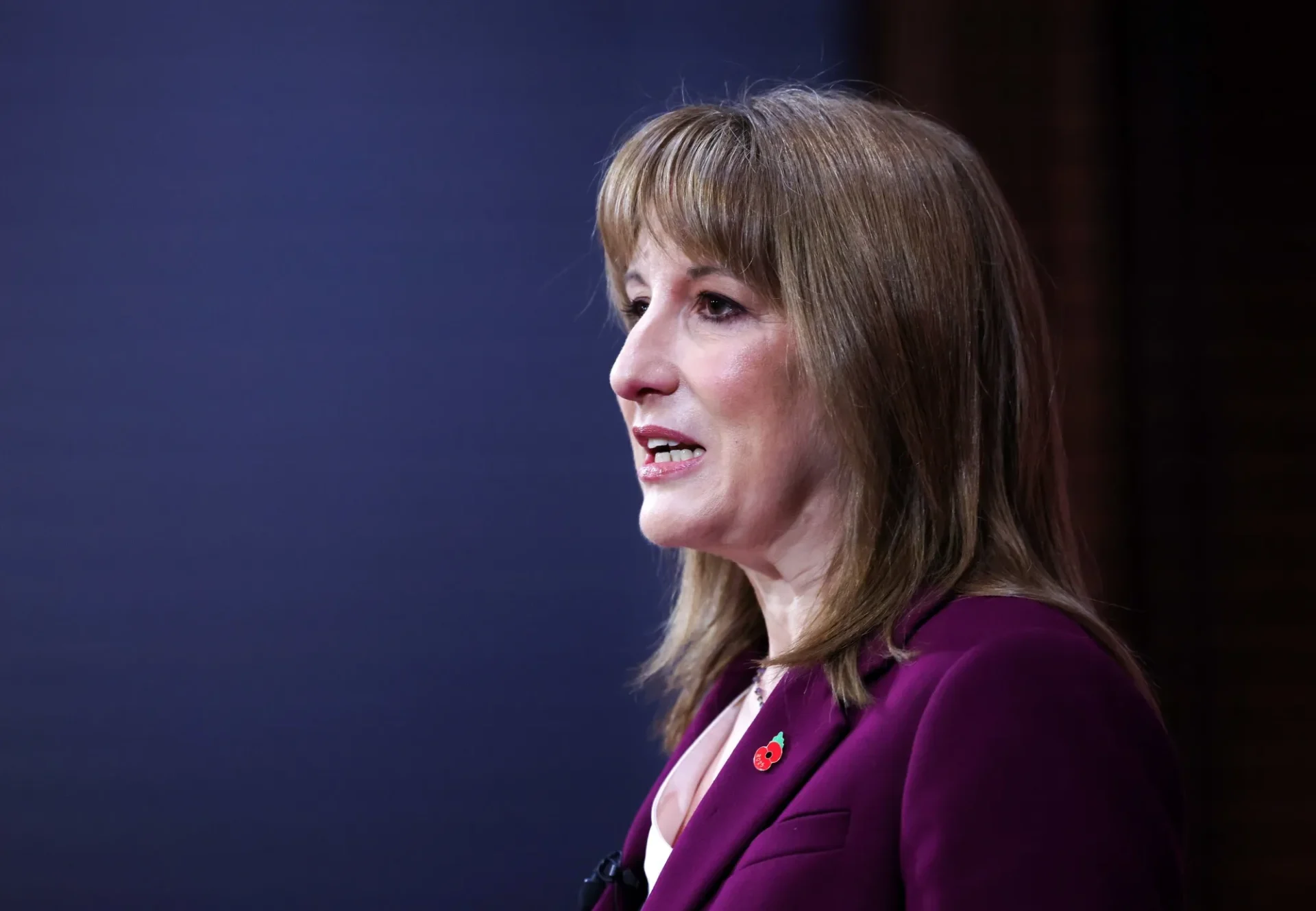
Chancellor Rachel Reeves Unveils Major Changes to ISA Rules in New Budget
British savers received a long-awaited boost this week after Chancellor Rachel Reeves announced an increase to the cash ISA limit in her 2025 Autumn Budget. The move is part of a broader strategy to encourage savings and investment amid sluggish economic growth and persistent inflation, The Financial Times reported.
The cash ISA limit, which had remained frozen at £20,000 for several years, will now rise to £25,000 starting April 2026. This change applies to all adult savers in the UK and aims to give households more flexibility to protect their savings from taxes as interest rates stabilize.
According to Reeves, the decision reflects the government’s commitment to “rewarding responsible savers” and supporting financial resilience in uncertain economic times.
What the New Cash ISA Limit Means for Savers
Under the updated rules, individuals can now deposit up to £25,000 annually into a cash ISA — a tax-free savings account that allows interest to accumulate without being subject to income tax. The increase marks the first adjustment to the limit since 2017 and comes after months of pressure from financial institutions and consumer advocates.
Analysts say that with the Bank of England’s base rate expected to hover around 4%, savers could see improved returns on their deposits. The cash ISA limit budget adjustment may encourage more people to shift funds into tax-efficient accounts rather than traditional savings options.
However, some economists warn that the benefit may be skewed toward higher-income households, as many lower earners are unlikely to have enough disposable income to take full advantage of the higher limit.
Rachel Reeves’ Economic Vision and Fiscal Policy
The decision to raise the cash ISA limit fits into Rachel Reeves’ broader fiscal plan to strengthen individual savings and investment in the post-inflationary economy. The Chancellor stated that the change would “empower working families and retirees to build financial security without facing tax penalties.”
Critics, however, argue that while the new limit is welcome, it does little to address broader economic concerns such as stagnant wage growth and high living costs. Some MPs from the opposition benches have called for complementary measures to increase financial literacy and expand access to savings schemes for low-income households.
Still, financial experts believe Reeves’ move signals a shift toward encouraging long-term saving and reducing household dependency on short-term credit.
Cash ISA Rate Increases: What to Expect Next Year
Following the budget announcement, several banks and building societies have already hinted at potential cash ISA rate increases in 2026. Lenders are expected to offer more competitive interest rates to attract new deposits, especially as inflation continues to slow and borrowing demand eases.
Market observers anticipate that the average ISA interest rate could rise above 5% for the first time in years, particularly for fixed-term accounts. This may further strengthen consumer confidence in saving rather than spending, which economists say could help cool inflationary pressures.
However, the government faces a balancing act — encouraging savings without stifling consumer spending, which remains crucial for GDP growth.
The Political and Economic Context
The cash ISA limit budget announcement also comes at a politically sensitive time. With the next general election approaching, Reeves and the Treasury are keen to position the Labour government as financially responsible yet fair to ordinary citizens.
The Chancellor emphasized that the new ISA reforms would “benefit millions of savers, not just the wealthy elite,” while maintaining fiscal discipline. She also hinted that further adjustments to pension and investment rules could follow in next year’s budget cycle.
Economists view the reform as a symbolic step — signaling stability and forward planning after years of volatile tax and monetary policies.
Final Thoughts
The cash ISA limit increase marks a significant shift in the UK’s savings landscape. While not a complete solution to the cost-of-living challenges, it provides a meaningful incentive for households to build their financial cushion in a tax-efficient manner.
As banks prepare for cash ISA rate increases and markets adjust to the new fiscal framework, all eyes will be on how Rachel Reeves’ policies shape the UK’s broader economic recovery.For ongoing updates on finance, budgeting, and tax-efficient saving strategies, visit StartupNews.fyi.


