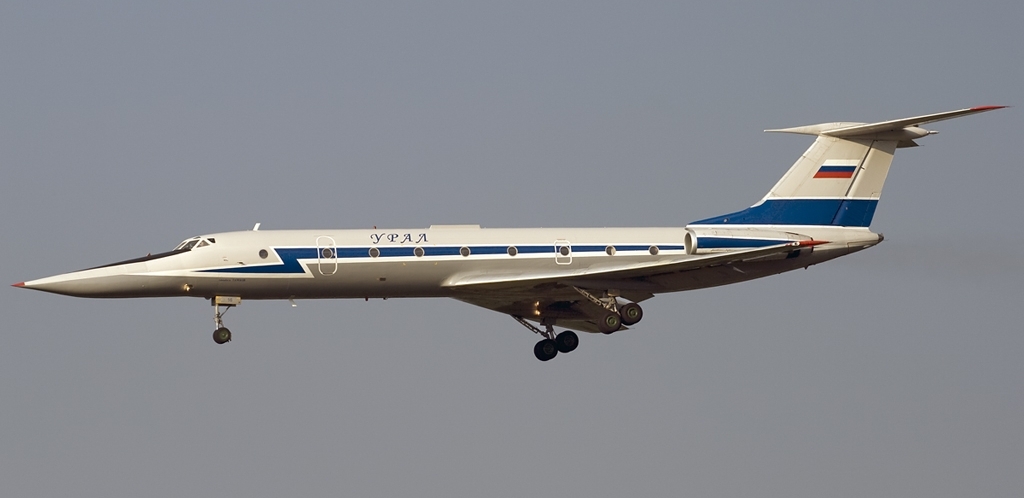
Tupolew Tu-134 Black Pearl: Rare Russian Aircraft Intercepted by NATO Over Baltic Sea

Share via:

NATO Fighters Intercept Tu-134 Black Pearl in November Operation

In early November 2025, NATO aircraft intercepted a Tupolew Tu-134 Black Pearl, a rare variant of the Russian Tu-134UBL, over the Baltic Sea, according to a statement from NATO Air Command. The operation was conducted by Italian Eurofighter Typhoon jets deployed at Ämari Air Base in Estonia, part of NATO’s Baltic Air Policing mission.

The Tu-134 Black Pearl, officially known as the Tu-134UBL or UBKM, was reportedly escorted by two Su-30 fighter jets as it approached the Baltic airspace. NATO pilots intercepted the formation and escorted it away from the area without escalation. The incident marks one of several airspace provocations carried out by Russian forces in recent months.

The Unique Role of the Tu-134 Black Pearl

Unlike the standard Tu-134, which was originally a civilian airliner, the Tupolew Tu-134 Black Pearl is a military training variant designed to prepare Russian Air Force crews for flying Tu-160 “Blackjack” strategic bombers the backbone of Russia’s long-range nuclear fleet.

The Tu-134UBL and its advanced variant, the Tu-134UBKM, are equipped with specialized navigation systems, radar simulation modules, and bomber-style cockpits, making them ideal for mission training and flight coordination exercises.

However, NATO analysts believe that the Tu-134 Black Pearl intercepted in this latest incident was not engaged in training but was possibly modified for VIP transport, raising suspicions that it was being used for intelligence or command operations near NATO borders.

Rare and Symbolic Only a Few Remain in Service

There are believed to be fewer than 20 Tu-134UBL aircraft still in active service with the Russian military, while an additional 25 remain in storage. These planes are prized assets due to their dual function as both training and reconnaissance platforms.

Ukraine once operated seven such aircraft, stationed at Kulbakino and Pryluky airbases, before the fleet was retired or destroyed in the years following the collapse of the Soviet Union.

This makes the Tu-134 Black Pearl an increasingly rare sight in the skies, and its use in sensitive airspace near NATO territories signals Russia’s continued reliance on Cold War-era technology to project military presence and provoke responses.

Escalation Over the Baltic Sea

The Tu-134 Black Pearl interception follows a string of similar airspace violations reported in October 2025, when two Russian aircraft a Su-30 fighter and an Il-76 tanker crossed into Lithuanian airspace from the Kaliningrad region during an aerial refueling operation.

These incidents have heightened concerns among Baltic states Lithuania, Latvia, and Estonia that Russia may be conducting deliberate provocations to test NATO’s readiness and response times.

Military experts note that while the Tu-134 Black Pearl is not a direct combat aircraft, its presence in contested airspace serves a strategic psychological purpose demonstrating Russia’s ability to deploy both legacy and modern assets near NATO’s borders.

A Symbol of Cold War Legacy and Modern Tensions

The Tu-134 Black Pearl stands as a symbol of continuity in Russian aviation doctrine. Originally developed in the 1960s as a civilian passenger jet, the Tu-134 evolved into multiple military versions, with the UBL variant becoming one of the most distinctive. Its streamlined design and polished black paint earned it the nickname “Black Pearl” among aviation enthusiasts and military observers.

Even as Russia invests in next-generation bombers like the PAK DA, the continued use of the Tu-134 Black Pearl underscores the country’s reliance on proven Cold War-era platforms for training, reconnaissance, and strategic signaling.

NATO’s Continued Vigilance

NATO’s interception of the Tu-134 Black Pearl reflects the alliance’s ongoing vigilance over Eastern European airspace. The Baltic Air Policing mission, launched in 2004, has become a cornerstone of NATO’s deterrence posture, ensuring that member nations can rapidly respond to any aerial incursions from Russia.

Defense analysts suggest that these repeated encounters are designed not only to test NATO’s defenses but also to gather electronic intelligence. The Tu-134UBKM’s radar and communication systems make it capable of recording electromagnetic emissions during intercepts a valuable asset in electronic warfare.

Final ThoughtsThe Return of the Black Pearl

The reappearance of the Tupolew Tu-134 Black Pearl over the Baltic is both a historical curiosity and a modern-day warning. While it may be a relic of Soviet engineering, its presence near NATO airspace signals that Russia continues to blend legacy aircraft into its military provocations.

As geopolitical tensions between Moscow and NATO escalate, the Tu-134 Black Pearl serves as a reminder that even old technology can play a potent role in 21st-century power projection.Stay updated on global defense developments and strategic insights at StartupNews.fyi your trusted source for aviation, military, and geopolitical news.

Disclaimer

We strive to uphold the highest ethical standards in all of our reporting and coverage. We StartupNews.fyi want to be transparent with our readers about any potential conflicts of interest that may arise in our work. It’s possible that some of the investors we feature may have connections to other businesses, including competitors or companies we write about. However, we want to assure our readers that this will not have any impact on the integrity or impartiality of our reporting. We are committed to delivering accurate, unbiased news and information to our audience, and we will continue to uphold our ethics and principles in all of our work. Thank you for your trust and support.

Popular

More Like this

Tupolew Tu-134 Black Pearl: Rare Russian Aircraft Intercepted by NATO Over Baltic Sea

NATO Fighters Intercept Tu-134 Black Pearl in November Operation

In early November 2025, NATO aircraft intercepted a Tupolew Tu-134 Black Pearl, a rare variant of the Russian Tu-134UBL, over the Baltic Sea, according to a statement from NATO Air Command. The operation was conducted by Italian Eurofighter Typhoon jets deployed at Ämari Air Base in Estonia, part of NATO’s Baltic Air Policing mission.

The Tu-134 Black Pearl, officially known as the Tu-134UBL or UBKM, was reportedly escorted by two Su-30 fighter jets as it approached the Baltic airspace. NATO pilots intercepted the formation and escorted it away from the area without escalation. The incident marks one of several airspace provocations carried out by Russian forces in recent months.

The Unique Role of the Tu-134 Black Pearl

Unlike the standard Tu-134, which was originally a civilian airliner, the Tupolew Tu-134 Black Pearl is a military training variant designed to prepare Russian Air Force crews for flying Tu-160 “Blackjack” strategic bombers the backbone of Russia’s long-range nuclear fleet.

The Tu-134UBL and its advanced variant, the Tu-134UBKM, are equipped with specialized navigation systems, radar simulation modules, and bomber-style cockpits, making them ideal for mission training and flight coordination exercises.

However, NATO analysts believe that the Tu-134 Black Pearl intercepted in this latest incident was not engaged in training but was possibly modified for VIP transport, raising suspicions that it was being used for intelligence or command operations near NATO borders.

Rare and Symbolic Only a Few Remain in Service

There are believed to be fewer than 20 Tu-134UBL aircraft still in active service with the Russian military, while an additional 25 remain in storage. These planes are prized assets due to their dual function as both training and reconnaissance platforms.

Ukraine once operated seven such aircraft, stationed at Kulbakino and Pryluky airbases, before the fleet was retired or destroyed in the years following the collapse of the Soviet Union.

This makes the Tu-134 Black Pearl an increasingly rare sight in the skies, and its use in sensitive airspace near NATO territories signals Russia’s continued reliance on Cold War-era technology to project military presence and provoke responses.

Escalation Over the Baltic Sea

The Tu-134 Black Pearl interception follows a string of similar airspace violations reported in October 2025, when two Russian aircraft a Su-30 fighter and an Il-76 tanker crossed into Lithuanian airspace from the Kaliningrad region during an aerial refueling operation.

These incidents have heightened concerns among Baltic states Lithuania, Latvia, and Estonia that Russia may be conducting deliberate provocations to test NATO’s readiness and response times.

Military experts note that while the Tu-134 Black Pearl is not a direct combat aircraft, its presence in contested airspace serves a strategic psychological purpose demonstrating Russia’s ability to deploy both legacy and modern assets near NATO’s borders.

A Symbol of Cold War Legacy and Modern Tensions

The Tu-134 Black Pearl stands as a symbol of continuity in Russian aviation doctrine. Originally developed in the 1960s as a civilian passenger jet, the Tu-134 evolved into multiple military versions, with the UBL variant becoming one of the most distinctive. Its streamlined design and polished black paint earned it the nickname “Black Pearl” among aviation enthusiasts and military observers.

Even as Russia invests in next-generation bombers like the PAK DA, the continued use of the Tu-134 Black Pearl underscores the country’s reliance on proven Cold War-era platforms for training, reconnaissance, and strategic signaling.

NATO’s Continued Vigilance

NATO’s interception of the Tu-134 Black Pearl reflects the alliance’s ongoing vigilance over Eastern European airspace. The Baltic Air Policing mission, launched in 2004, has become a cornerstone of NATO’s deterrence posture, ensuring that member nations can rapidly respond to any aerial incursions from Russia.

Defense analysts suggest that these repeated encounters are designed not only to test NATO’s defenses but also to gather electronic intelligence. The Tu-134UBKM’s radar and communication systems make it capable of recording electromagnetic emissions during intercepts a valuable asset in electronic warfare.

Final ThoughtsThe Return of the Black Pearl

The reappearance of the Tupolew Tu-134 Black Pearl over the Baltic is both a historical curiosity and a modern-day warning. While it may be a relic of Soviet engineering, its presence near NATO airspace signals that Russia continues to blend legacy aircraft into its military provocations.

As geopolitical tensions between Moscow and NATO escalate, the Tu-134 Black Pearl serves as a reminder that even old technology can play a potent role in 21st-century power projection.Stay updated on global defense developments and strategic insights at StartupNews.fyi your trusted source for aviation, military, and geopolitical news.

Disclaimer

We strive to uphold the highest ethical standards in all of our reporting and coverage. We StartupNews.fyi want to be transparent with our readers about any potential conflicts of interest that may arise in our work. It’s possible that some of the investors we feature may have connections to other businesses, including competitors or companies we write about. However, we want to assure our readers that this will not have any impact on the integrity or impartiality of our reporting. We are committed to delivering accurate, unbiased news and information to our audience, and we will continue to uphold our ethics and principles in all of our work. Thank you for your trust and support.

Website Upgradation is going on for any glitch kindly connect at office@startupnews.fyi

More like this

Apple Days sale on Vijay Sales: Top deals on...

Vijay Sales is hosting its Apple Days Sale,...

Apple may see the future of LLMs very differently...

Apple has been subject to a lot of...

Is Sam Altman and Jony Ive’s first AI device...

Earlier this year, OpenAI announced its partnership with...

Popular
