“It’s About to Become Dire”: Drought Conditions Threaten Grady County’s Water Flow and Agriculture

Share via:

Severe Drought Impacting Ranchers, Farmers, and the Local Economy

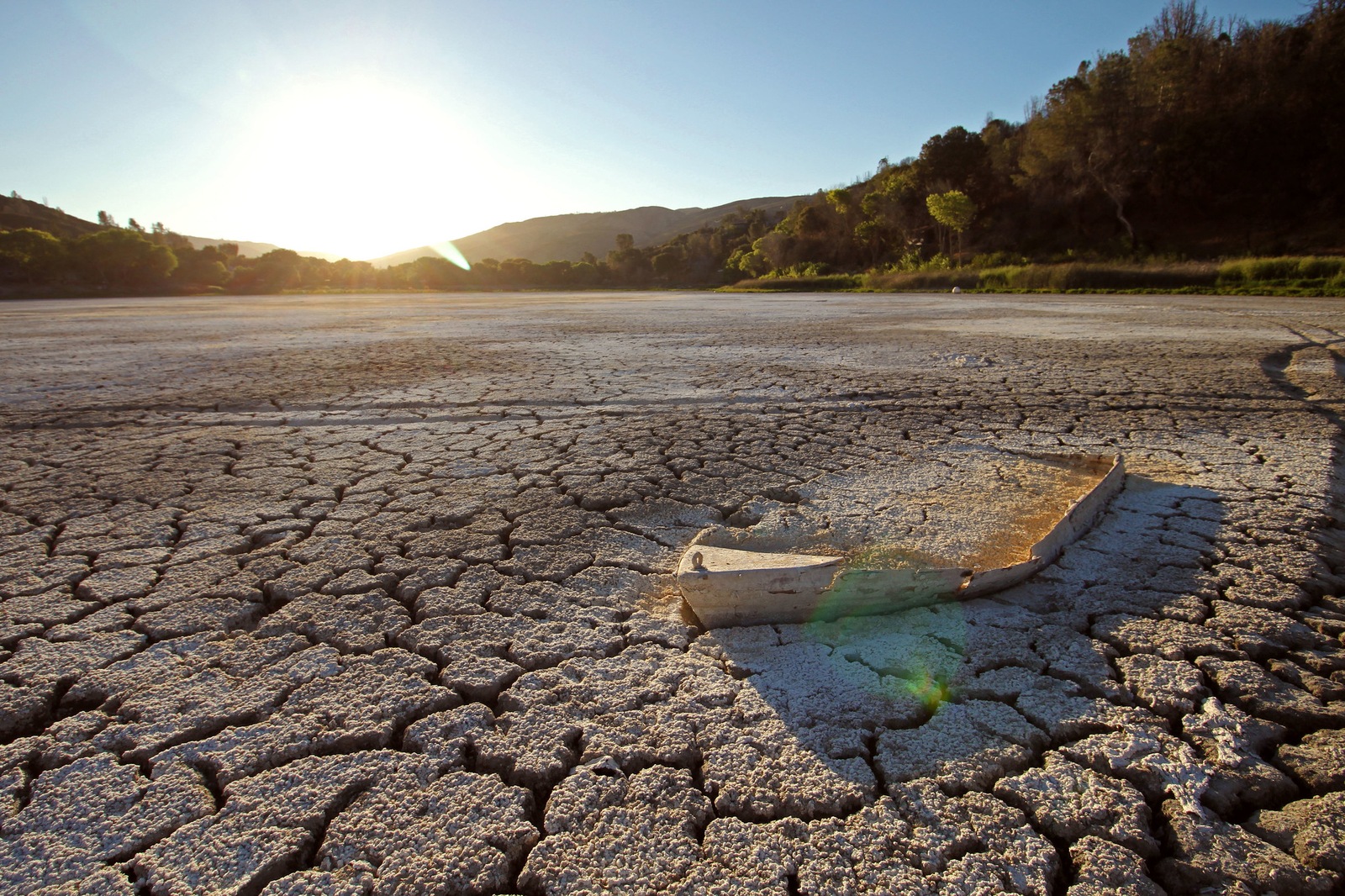
A prolonged dry spell is creating a crisis for farmers and ranchers across Grady County, Georgia, as water flow levels in key creeks and reservoirs continue to drop to record lows. According to WALB News, local officials have described the situation as “dire,” warning that the combination of high temperatures, low rainfall, and poor groundwater recharge could cause long-term economic and environmental damage if conditions don’t improve soon.

Agricultural experts report that flow reductions in irrigation systems are now affecting thousands of acres of farmland, especially those dedicated to corn, peanut, and hay production. Many ranchers have been forced to reduce herd sizes due to shrinking grazing areas and lack of available water for livestock.

“This year’s drought is unlike anything we’ve seen in a decade,” said a local cattle producer. “Our ponds are drying up, and feed costs are climbing because of poor pasture growth. We’re running out of options.”

Water Flow and Drought Severity

Meteorologists with the National Weather Service have confirmed that the region is currently experiencing severe to extreme drought levels, part of a broader dry pattern affecting parts of the southeastern United States. Stream gauges along smaller creeks in southwest Georgia show significantly reduced water flow, in some areas dropping below 40% of seasonal averages.

The Chattahoochee-Flint River Basin, which supports much of the area’s agriculture, has seen minimal rainfall over the past three months. With forecasts predicting only scattered showers through December, there is growing concern that water shortages could continue into the early planting season of 2026.

“The lack of consistent rainfall means less surface runoff and declining aquifer recharge,” explained a hydrologist at the University of Georgia. “That’s a problem for both farmers and communities relying on wells and natural water flow.”

Economic Toll on Local Agriculture

The impact on Grady County’s agricultural economy has been immediate and severe. Farmers are spending more on irrigation, diesel, and feed, while yields are expected to drop significantly for key crops.

Some producers have already begun cutting back on planting plans for the upcoming season. “It’s not just about this year’s harvest,” one farmer said. “If the water flow doesn’t recover, we’ll see long-term soil degradation and higher production costs for years.”

The drought has also led to increased insurance claims and mounting financial strain among small family-owned operations. County officials are urging state and federal agencies to provide emergency relief funding to stabilize the rural economy.

Environmental and Ecological Consequences

Beyond agriculture, the declining flow of rivers and streams is threatening local ecosystems. Fish populations, wetlands, and groundwater-dependent vegetation are showing signs of stress due to low water levels. Wildlife experts warn that continued drought could alter the region’s ecological balance, making recovery slower even after rains return.

Local authorities have begun implementing voluntary water conservation measures, urging residents to reduce outdoor water use and monitor wells closely. However, without substantial rainfall, experts say that conservation alone will not be enough to reverse the trend.

Hopes for Relief and Long-Term Solutions

Meteorologists are cautiously optimistic that a change in weather patterns could bring some relief early next year, but they warn that any short-term rainfall won’t immediately restore groundwater or stream flow levels.

Agricultural leaders are now calling for long-term water management solutions, including expanded storage infrastructure, drought-resistant crop research, and better irrigation technologies to conserve water flow.

“This isn’t just a bad year — it’s a sign of how vulnerable we are to climate extremes,” said a state agricultural extension officer. “We need policies and innovation that can help our farmers adapt.”

Conclusion

The situation in Grady County highlights how dependent local economies remain on stable water flow and rainfall patterns. As the drought worsens, both farmers and officials are preparing for what could become one of the toughest winters in recent memory.

If relief doesn’t come soon, experts warn that the consequences could ripple far beyond agriculture, affecting everything from rural employment to food prices.For the latest updates on environment, agriculture, and startup innovation in sustainability, visit StartupNews.fyi.


Disclaimer

We strive to uphold the highest ethical standards in all of our reporting and coverage. We StartupNews.fyi want to be transparent with our readers about any potential conflicts of interest that may arise in our work. It’s possible that some of the investors we feature may have connections to other businesses, including competitors or companies we write about. However, we want to assure our readers that this will not have any impact on the integrity or impartiality of our reporting. We are committed to delivering accurate, unbiased news and information to our audience, and we will continue to uphold our ethics and principles in all of our work. Thank you for your trust and support.

Popular

More Like this

“It’s About to Become Dire”: Drought Conditions Threaten Grady County’s Water Flow and Agriculture

Severe Drought Impacting Ranchers, Farmers, and the Local Economy

A prolonged dry spell is creating a crisis for farmers and ranchers across Grady County, Georgia, as water flow levels in key creeks and reservoirs continue to drop to record lows. According to WALB News, local officials have described the situation as “dire,” warning that the combination of high temperatures, low rainfall, and poor groundwater recharge could cause long-term economic and environmental damage if conditions don’t improve soon.

Agricultural experts report that flow reductions in irrigation systems are now affecting thousands of acres of farmland, especially those dedicated to corn, peanut, and hay production. Many ranchers have been forced to reduce herd sizes due to shrinking grazing areas and lack of available water for livestock.

“This year’s drought is unlike anything we’ve seen in a decade,” said a local cattle producer. “Our ponds are drying up, and feed costs are climbing because of poor pasture growth. We’re running out of options.”

Water Flow and Drought Severity

Meteorologists with the National Weather Service have confirmed that the region is currently experiencing severe to extreme drought levels, part of a broader dry pattern affecting parts of the southeastern United States. Stream gauges along smaller creeks in southwest Georgia show significantly reduced water flow, in some areas dropping below 40% of seasonal averages.

The Chattahoochee-Flint River Basin, which supports much of the area’s agriculture, has seen minimal rainfall over the past three months. With forecasts predicting only scattered showers through December, there is growing concern that water shortages could continue into the early planting season of 2026.

“The lack of consistent rainfall means less surface runoff and declining aquifer recharge,” explained a hydrologist at the University of Georgia. “That’s a problem for both farmers and communities relying on wells and natural water flow.”

Economic Toll on Local Agriculture

The impact on Grady County’s agricultural economy has been immediate and severe. Farmers are spending more on irrigation, diesel, and feed, while yields are expected to drop significantly for key crops.

Some producers have already begun cutting back on planting plans for the upcoming season. “It’s not just about this year’s harvest,” one farmer said. “If the water flow doesn’t recover, we’ll see long-term soil degradation and higher production costs for years.”

The drought has also led to increased insurance claims and mounting financial strain among small family-owned operations. County officials are urging state and federal agencies to provide emergency relief funding to stabilize the rural economy.

Environmental and Ecological Consequences

Beyond agriculture, the declining flow of rivers and streams is threatening local ecosystems. Fish populations, wetlands, and groundwater-dependent vegetation are showing signs of stress due to low water levels. Wildlife experts warn that continued drought could alter the region’s ecological balance, making recovery slower even after rains return.

Local authorities have begun implementing voluntary water conservation measures, urging residents to reduce outdoor water use and monitor wells closely. However, without substantial rainfall, experts say that conservation alone will not be enough to reverse the trend.

Hopes for Relief and Long-Term Solutions

Meteorologists are cautiously optimistic that a change in weather patterns could bring some relief early next year, but they warn that any short-term rainfall won’t immediately restore groundwater or stream flow levels.

Agricultural leaders are now calling for long-term water management solutions, including expanded storage infrastructure, drought-resistant crop research, and better irrigation technologies to conserve water flow.

“This isn’t just a bad year — it’s a sign of how vulnerable we are to climate extremes,” said a state agricultural extension officer. “We need policies and innovation that can help our farmers adapt.”

Conclusion

The situation in Grady County highlights how dependent local economies remain on stable water flow and rainfall patterns. As the drought worsens, both farmers and officials are preparing for what could become one of the toughest winters in recent memory.

If relief doesn’t come soon, experts warn that the consequences could ripple far beyond agriculture, affecting everything from rural employment to food prices.For the latest updates on environment, agriculture, and startup innovation in sustainability, visit StartupNews.fyi.

Disclaimer

We strive to uphold the highest ethical standards in all of our reporting and coverage. We StartupNews.fyi want to be transparent with our readers about any potential conflicts of interest that may arise in our work. It’s possible that some of the investors we feature may have connections to other businesses, including competitors or companies we write about. However, we want to assure our readers that this will not have any impact on the integrity or impartiality of our reporting. We are committed to delivering accurate, unbiased news and information to our audience, and we will continue to uphold our ethics and principles in all of our work. Thank you for your trust and support.

Website Upgradation is going on for any glitch kindly connect at office@startupnews.fyi

More like this

tvOS 26.2 now available for Apple TV 4K, here’s...

Apple’s latest lineup of software updates has arrived,...

Today’s NYT Strands Hints, Answer and Help for Dec....

Looking for the most recent Strands answer? Click here for...

iOS 26.2 is here with another Liquid Glass tweak,...

Apple has released iOS 26.2, bringing a number of...

Popular