
The Ultimate Guide to Understanding the Variety of Digital Currencies

Share via:

Digital currencies continue gaining attention as people search for flexible, secure, and diverse ways to manage money online. The sector grows broader each year, with countless terms and technologies shaping how value moves through virtual spaces. A closer look at the different types of digital currencies helps create a clearer picture of how they function and why they matter.

How Digital Currencies Are Categorized

Digital currencies come in distinct groups that each serve a different purpose. Some focus on rapid transactions, while others are built to store value more stably. These categories give users the chance to choose systems that match their financial goals.

A common way to separate them is by the level of centralization involved. Certain currencies rely on open networks that allow anyone to participate, while others exist under controlled systems run by organizations or governments. These divisions help highlight what makes each type unique in the broader ecosystem.

The Rise of Cryptocurrencies and What Sets Them Apart

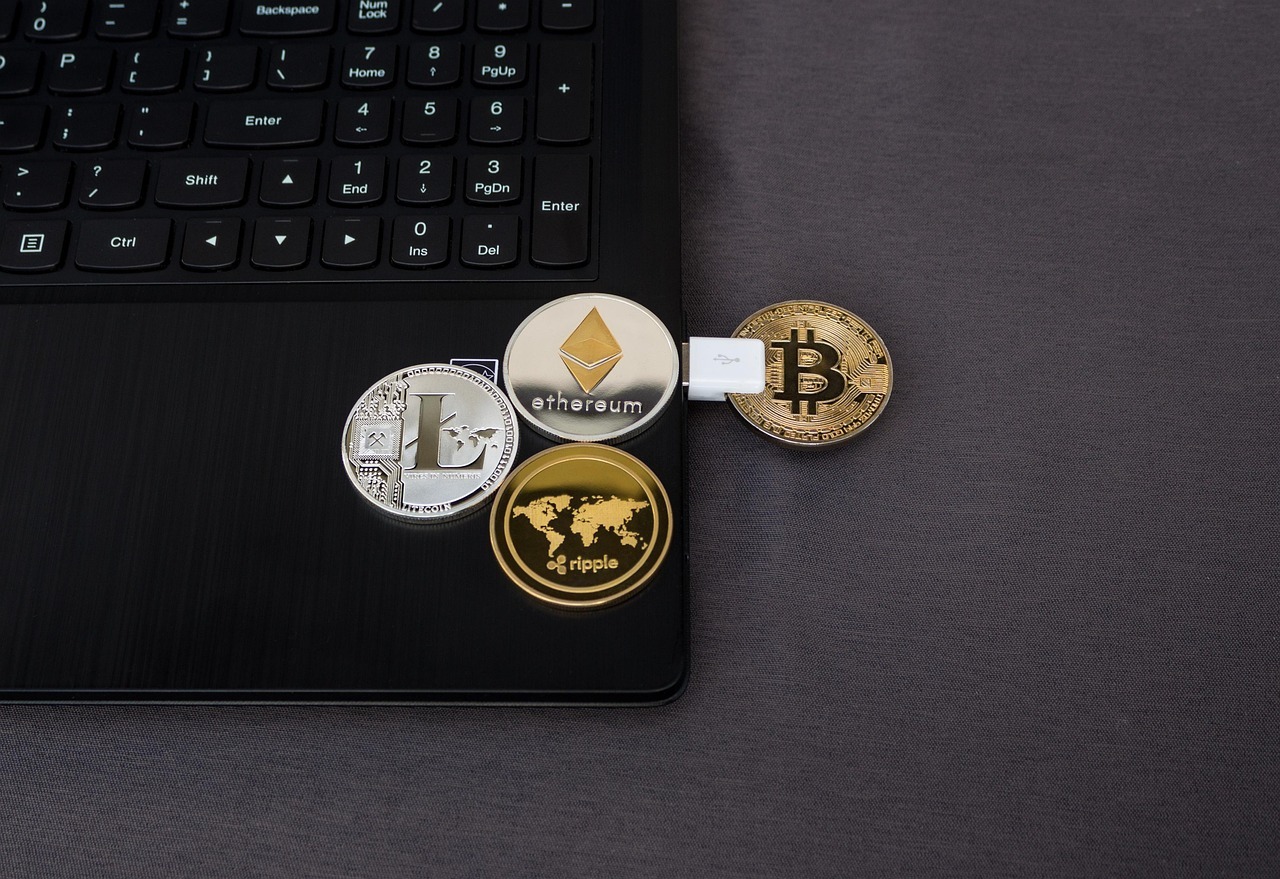
Cryptocurrencies represent one of the most familiar branches of digital money. They rely on blockchain networks that maintain transparency and security without relying on traditional institutions. Many users appreciate the level of autonomy these systems offer when handling transactions online.

This category includes well-known names that sparked the shift toward decentralized finance. Every coin operates through its own set of rules and technical structures, which shape how people use it. The variety within this group keeps expanding as developers experiment with new features and functions.

Where Utility Tokens Fit Into the Digital Sector

Utility tokens bring practical functions to digital environments designed for active user engagement. When exploring how they behave within a digital asset trading platform, it becomes easier to see how these tokens support movement, access, and interaction across systems used in Europe, Asia, and the United States. Their presence often shapes how users navigate features, join communities, or participate in platform-specific activities without serving as investment instruments.

These tokens are woven into the structure of trading platforms that rely on smooth, coordinated activity. As explained by experts from Zoomex, many platforms use them to fuel internal processes such as fee reductions, membership perks, or advanced tool access that help traders move through markets with greater ease. Their design gives platforms the freedom to create tailored functions that strengthen user interaction.

Utility tokens often appear in projects that aim to refine how digital trading spaces operate. They can grant entry to premium sections, support reward cycles that encourage steady participation, or unlock specialized utilities tied to market analysis tools. This approach helps trading platforms create a more cohesive and dynamic environment that responds to the needs of active users.

The Role of Stablecoins in Reducing Price Fluctuations

Stablecoins aim to provide a calmer alternative to volatile crypto markets by linking their value to external assets. This link makes them approachable for users who want digital money without constant price changes. They are often used for payments, transfers, and savings in a way that feels more predictable.

Many stablecoins rely on reserves such as fiat currencies or commodities to keep their price steady. Their structure helps bridge the gap between traditional finance and blockchain systems. This connection allows people to move funds quickly while still maintaining a sense of balance.

Exploring the World of Central Bank Digital Currencies

Central Bank Digital Currencies, or CBDCs, introduce an entirely different approach to digital money. These currencies operate under government oversight and mirror national currencies in digital form. They aim to enhance how countries manage financial activities across public and private sectors.

CBDCs have sparked conversation among policymakers who seek ways to modernize financial systems. Each country explores different designs that reflect its economic structure and priorities. Their development may influence how people store and move money across borders in the future.
Security Tokens and Their Relationship With Ownership

Security tokens take inspiration from traditional investment assets. They represent ownership rights in areas such as real estate, business shares, or revenue-bearing products. Their purpose revolves around creating a digital version of familiar investment tools while adding the transparency of blockchain technology.

The rules surrounding these tokens often follow strict oversight due to their investment-based nature. Their structure offers a pathway to more accessible investment opportunities in digital form. This category continues evolving as companies explore new ways to tokenize assets.

The world of digital currencies stretches far beyond a single definition, expanding into a collection of tools designed for different purposes. Each branch, from cryptocurrencies to CBDCs, builds its own place in a changing financial field. The more people explore these categories, the easier it becomes to navigate the opportunities and challenges they bring.

This variety continues shaping the future of digital finance as new technologies emerge. With every innovation, users gain access to more ways to manage, transfer, and understand value in virtual spaces. Taking the time to understand each type lays the groundwork for more confident participation in the digital economy.


Disclaimer

We strive to uphold the highest ethical standards in all of our reporting and coverage. We StartupNews.fyi want to be transparent with our readers about any potential conflicts of interest that may arise in our work. It’s possible that some of the investors we feature may have connections to other businesses, including competitors or companies we write about. However, we want to assure our readers that this will not have any impact on the integrity or impartiality of our reporting. We are committed to delivering accurate, unbiased news and information to our audience, and we will continue to uphold our ethics and principles in all of our work. Thank you for your trust and support.

Team SNFYI
Hi! This is Admin.

Popular

More Like this

The Ultimate Guide to Understanding the Variety of Digital Currencies

Digital currencies continue gaining attention as people search for flexible, secure, and diverse ways to manage money online. The sector grows broader each year, with countless terms and technologies shaping how value moves through virtual spaces. A closer look at the different types of digital currencies helps create a clearer picture of how they function and why they matter.

How Digital Currencies Are Categorized

Digital currencies come in distinct groups that each serve a different purpose. Some focus on rapid transactions, while others are built to store value more stably. These categories give users the chance to choose systems that match their financial goals.

A common way to separate them is by the level of centralization involved. Certain currencies rely on open networks that allow anyone to participate, while others exist under controlled systems run by organizations or governments. These divisions help highlight what makes each type unique in the broader ecosystem.

The Rise of Cryptocurrencies and What Sets Them Apart

Cryptocurrencies represent one of the most familiar branches of digital money. They rely on blockchain networks that maintain transparency and security without relying on traditional institutions. Many users appreciate the level of autonomy these systems offer when handling transactions online.

This category includes well-known names that sparked the shift toward decentralized finance. Every coin operates through its own set of rules and technical structures, which shape how people use it. The variety within this group keeps expanding as developers experiment with new features and functions.

Where Utility Tokens Fit Into the Digital Sector

Utility tokens bring practical functions to digital environments designed for active user engagement. When exploring how they behave within a digital asset trading platform, it becomes easier to see how these tokens support movement, access, and interaction across systems used in Europe, Asia, and the United States. Their presence often shapes how users navigate features, join communities, or participate in platform-specific activities without serving as investment instruments.

These tokens are woven into the structure of trading platforms that rely on smooth, coordinated activity. As explained by experts from Zoomex, many platforms use them to fuel internal processes such as fee reductions, membership perks, or advanced tool access that help traders move through markets with greater ease. Their design gives platforms the freedom to create tailored functions that strengthen user interaction.

Utility tokens often appear in projects that aim to refine how digital trading spaces operate. They can grant entry to premium sections, support reward cycles that encourage steady participation, or unlock specialized utilities tied to market analysis tools. This approach helps trading platforms create a more cohesive and dynamic environment that responds to the needs of active users.

The Role of Stablecoins in Reducing Price Fluctuations

Stablecoins aim to provide a calmer alternative to volatile crypto markets by linking their value to external assets. This link makes them approachable for users who want digital money without constant price changes. They are often used for payments, transfers, and savings in a way that feels more predictable.

Many stablecoins rely on reserves such as fiat currencies or commodities to keep their price steady. Their structure helps bridge the gap between traditional finance and blockchain systems. This connection allows people to move funds quickly while still maintaining a sense of balance.

Exploring the World of Central Bank Digital Currencies

Central Bank Digital Currencies, or CBDCs, introduce an entirely different approach to digital money. These currencies operate under government oversight and mirror national currencies in digital form. They aim to enhance how countries manage financial activities across public and private sectors.

CBDCs have sparked conversation among policymakers who seek ways to modernize financial systems. Each country explores different designs that reflect its economic structure and priorities. Their development may influence how people store and move money across borders in the future.

Security Tokens and Their Relationship With Ownership

Security tokens take inspiration from traditional investment assets. They represent ownership rights in areas such as real estate, business shares, or revenue-bearing products. Their purpose revolves around creating a digital version of familiar investment tools while adding the transparency of blockchain technology.

The rules surrounding these tokens often follow strict oversight due to their investment-based nature. Their structure offers a pathway to more accessible investment opportunities in digital form. This category continues evolving as companies explore new ways to tokenize assets.

The world of digital currencies stretches far beyond a single definition, expanding into a collection of tools designed for different purposes. Each branch, from cryptocurrencies to CBDCs, builds its own place in a changing financial field. The more people explore these categories, the easier it becomes to navigate the opportunities and challenges they bring.

This variety continues shaping the future of digital finance as new technologies emerge. With every innovation, users gain access to more ways to manage, transfer, and understand value in virtual spaces. Taking the time to understand each type lays the groundwork for more confident participation in the digital economy.

Disclaimer

We strive to uphold the highest ethical standards in all of our reporting and coverage. We StartupNews.fyi want to be transparent with our readers about any potential conflicts of interest that may arise in our work. It’s possible that some of the investors we feature may have connections to other businesses, including competitors or companies we write about. However, we want to assure our readers that this will not have any impact on the integrity or impartiality of our reporting. We are committed to delivering accurate, unbiased news and information to our audience, and we will continue to uphold our ethics and principles in all of our work. Thank you for your trust and support.

Website Upgradation is going on for any glitch kindly connect at office@startupnews.fyi

Team SNFYI
Hi! This is Admin.

More like this

Apple iPhone 16 Pro price slashed by up to...

Flipkart’s End of Season Sale, running from 12...

WhatsApp is Rolling Out Strict Account Security Settings for...

This week, WhatsApp is testing Strict Account Security...

Paramount’s Hostile Bid for Warner Bros. Aims to Block...

Netflix announced last Friday its intention to acquire Warner Bros.,...

Popular