FBI Warns Bitcoin ATM Scams Caused $333 Million in Losses

Share via:

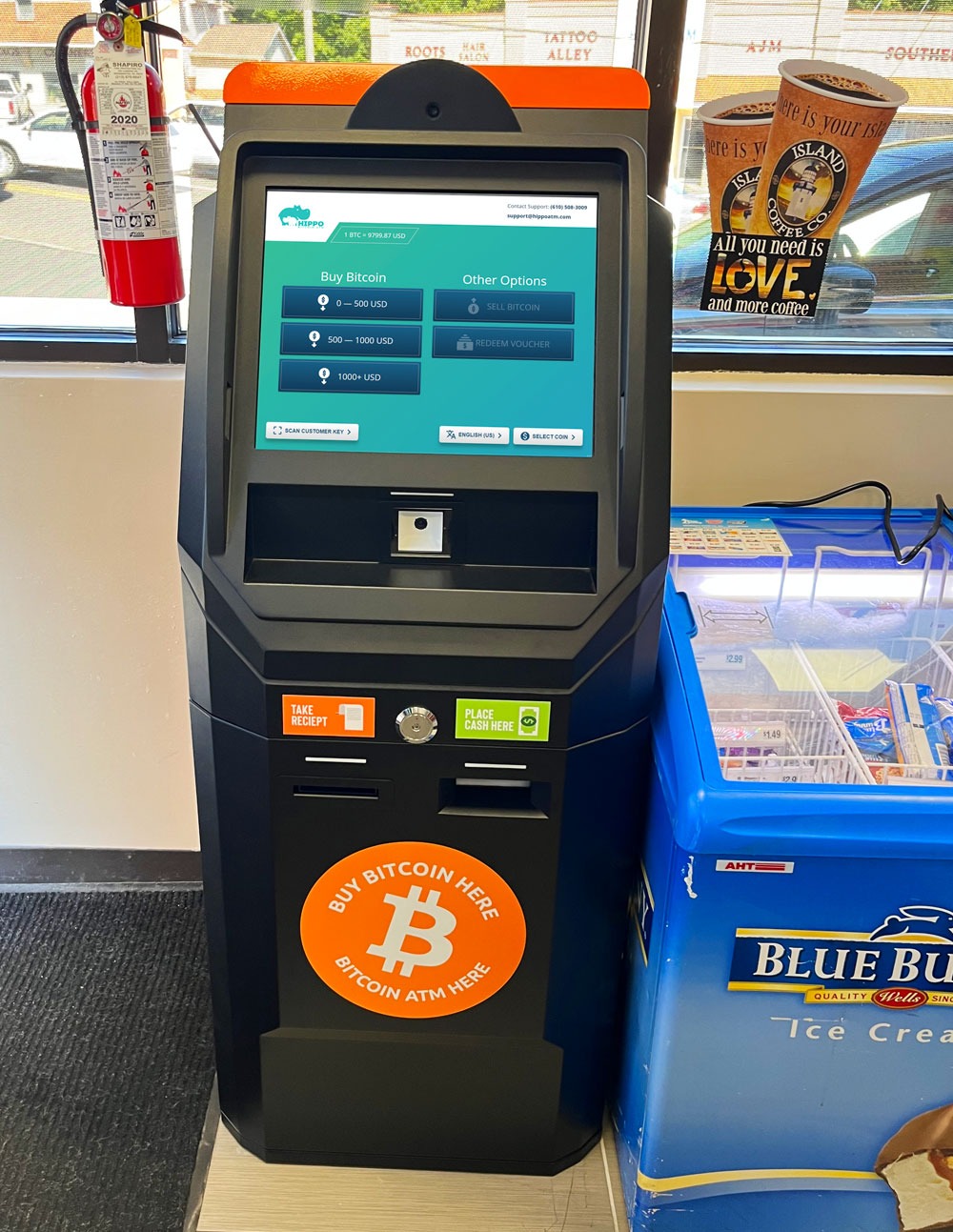
The Federal Bureau of Investigation has issued a renewed warning after reporting $333 million in losses tied to Bitcoin ATM scams, highlighting a sharp rise in cryptocurrency-related fraud targeting U.S. consumers.

According to federal data, scammers are increasingly using Bitcoin ATMs to extract money from victims by impersonating trusted authorities and creating a sense of urgency that pressures individuals into acting quickly.

Summary

Bitcoin ATM scams resulted in $333 million in reported losses, prompting an FBI warning to consumers nationwide. The fraud schemes often involve impersonation, urgent payment demands, and step-by-step instructions that lead victims to deposit cash into Bitcoin ATMs, making recovery nearly impossible.

How Bitcoin ATM Scams Typically Work

The scams usually begin with an unsolicited phone call, text message, or email. Criminals pose as government officials, law enforcement officers, utility companies, banks, or even family members.

Victims are told they face immediate consequences, such as arrest, account closure, or financial loss. To resolve the issue, scammers instruct them to withdraw cash and deposit it into a Bitcoin ATM.

Once the transaction is completed, the funds are converted into cryptocurrency and transferred to wallets controlled by the scammers. At that point, the money is effectively gone.

Why Bitcoin ATMs Are Targeted

Bitcoin ATMs have become a preferred tool for scammers due to several characteristics:

  • Transactions are fast and irreversible
  • Payments are difficult to trace
  • Machines are widely accessible in retail locations
  • Victims often lack familiarity with cryptocurrency

These factors make Bitcoin ATMs particularly attractive for fraud schemes that rely on speed and confusion.

Older Adults Disproportionately Affected

Federal authorities report that older adults account for a significant share of the losses. Many victims are unfamiliar with digital currencies and follow instructions out of fear or trust in perceived authority figures.

Scammers frequently stay on the phone with victims while guiding them through the ATM process, ensuring the transaction is completed before doubts arise.

Consumer advocates stress that education and awareness are critical to protecting older populations from these schemes.

FBI and Law Enforcement Response

The FBI has emphasized that legitimate government agencies and businesses never request payment using cryptocurrency. Officials urge consumers to slow down, verify claims independently, and consult trusted family members before making any urgent payments.

Law enforcement agencies are also working with Bitcoin ATM operators to improve warning signage and detect suspicious activity. Some jurisdictions are considering additional safeguards, including transaction limits and mandatory fraud alerts.

Challenges in Recovering Funds

Recovering money lost through Bitcoin ATM scams is extremely difficult. Cryptocurrency transactions lack the consumer protections commonly associated with credit cards or bank transfers.

Once funds are transferred, scammers often move them through multiple wallets, making tracing and recovery complex and time-consuming. As a result, prevention remains the most effective defense.

What Consumers Should Do

The FBI recommends several steps to reduce the risk of falling victim:

  • Be skeptical of urgent or threatening payment requests
  • Never pay government agencies or businesses using cryptocurrency
  • Verify claims through official channels
  • Talk to a trusted person before making large payments
  • Report suspected scams as soon as possible

Officials say reporting scams quickly can help prevent others from becoming victims.

Conclusion

The $333 million lost to Bitcoin ATM scams underscores how criminals continue to adapt their tactics alongside emerging financial technologies. While cryptocurrency has legitimate uses, its speed and lack of reversibility make it an appealing tool for fraud.

The FBI warns that without increased awareness and safeguards, these scams could continue to grow. Consumers are urged to stay informed and cautious when confronted with unusual payment demands.

Key Highlights

  • Bitcoin ATM scams caused $333 million in reported losses
  • Scammers use impersonation and urgency to pressure victims
  • Older adults are disproportionately affected
  • Cryptocurrency payments are difficult to recover
  • FBI urges vigilance and consumer education

Disclaimer

We strive to uphold the highest ethical standards in all of our reporting and coverage. We StartupNews.fyi want to be transparent with our readers about any potential conflicts of interest that may arise in our work. It’s possible that some of the investors we feature may have connections to other businesses, including competitors or companies we write about. However, we want to assure our readers that this will not have any impact on the integrity or impartiality of our reporting. We are committed to delivering accurate, unbiased news and information to our audience, and we will continue to uphold our ethics and principles in all of our work. Thank you for your trust and support.

Team SNFYI
Hi! This is Admin.

Popular

More Like this

FBI Warns Bitcoin ATM Scams Caused $333 Million in Losses

The Federal Bureau of Investigation has issued a renewed warning after reporting $333 million in losses tied to Bitcoin ATM scams, highlighting a sharp rise in cryptocurrency-related fraud targeting U.S. consumers.

According to federal data, scammers are increasingly using Bitcoin ATMs to extract money from victims by impersonating trusted authorities and creating a sense of urgency that pressures individuals into acting quickly.

Summary

Bitcoin ATM scams resulted in $333 million in reported losses, prompting an FBI warning to consumers nationwide. The fraud schemes often involve impersonation, urgent payment demands, and step-by-step instructions that lead victims to deposit cash into Bitcoin ATMs, making recovery nearly impossible.

How Bitcoin ATM Scams Typically Work

The scams usually begin with an unsolicited phone call, text message, or email. Criminals pose as government officials, law enforcement officers, utility companies, banks, or even family members.

Victims are told they face immediate consequences, such as arrest, account closure, or financial loss. To resolve the issue, scammers instruct them to withdraw cash and deposit it into a Bitcoin ATM.

Once the transaction is completed, the funds are converted into cryptocurrency and transferred to wallets controlled by the scammers. At that point, the money is effectively gone.

Why Bitcoin ATMs Are Targeted

Bitcoin ATMs have become a preferred tool for scammers due to several characteristics:

  • Transactions are fast and irreversible
  • Payments are difficult to trace
  • Machines are widely accessible in retail locations
  • Victims often lack familiarity with cryptocurrency

These factors make Bitcoin ATMs particularly attractive for fraud schemes that rely on speed and confusion.

Older Adults Disproportionately Affected

Federal authorities report that older adults account for a significant share of the losses. Many victims are unfamiliar with digital currencies and follow instructions out of fear or trust in perceived authority figures.

Scammers frequently stay on the phone with victims while guiding them through the ATM process, ensuring the transaction is completed before doubts arise.

Consumer advocates stress that education and awareness are critical to protecting older populations from these schemes.

FBI and Law Enforcement Response

The FBI has emphasized that legitimate government agencies and businesses never request payment using cryptocurrency. Officials urge consumers to slow down, verify claims independently, and consult trusted family members before making any urgent payments.

Law enforcement agencies are also working with Bitcoin ATM operators to improve warning signage and detect suspicious activity. Some jurisdictions are considering additional safeguards, including transaction limits and mandatory fraud alerts.

Challenges in Recovering Funds

Recovering money lost through Bitcoin ATM scams is extremely difficult. Cryptocurrency transactions lack the consumer protections commonly associated with credit cards or bank transfers.

Once funds are transferred, scammers often move them through multiple wallets, making tracing and recovery complex and time-consuming. As a result, prevention remains the most effective defense.

What Consumers Should Do

The FBI recommends several steps to reduce the risk of falling victim:

  • Be skeptical of urgent or threatening payment requests
  • Never pay government agencies or businesses using cryptocurrency
  • Verify claims through official channels
  • Talk to a trusted person before making large payments
  • Report suspected scams as soon as possible

Officials say reporting scams quickly can help prevent others from becoming victims.

Conclusion

The $333 million lost to Bitcoin ATM scams underscores how criminals continue to adapt their tactics alongside emerging financial technologies. While cryptocurrency has legitimate uses, its speed and lack of reversibility make it an appealing tool for fraud.

The FBI warns that without increased awareness and safeguards, these scams could continue to grow. Consumers are urged to stay informed and cautious when confronted with unusual payment demands.

Key Highlights

  • Bitcoin ATM scams caused $333 million in reported losses
  • Scammers use impersonation and urgency to pressure victims
  • Older adults are disproportionately affected
  • Cryptocurrency payments are difficult to recover
  • FBI urges vigilance and consumer education

Disclaimer

We strive to uphold the highest ethical standards in all of our reporting and coverage. We StartupNews.fyi want to be transparent with our readers about any potential conflicts of interest that may arise in our work. It’s possible that some of the investors we feature may have connections to other businesses, including competitors or companies we write about. However, we want to assure our readers that this will not have any impact on the integrity or impartiality of our reporting. We are committed to delivering accurate, unbiased news and information to our audience, and we will continue to uphold our ethics and principles in all of our work. Thank you for your trust and support.

Website Upgradation is going on for any glitch kindly connect at office@startupnews.fyi

Team SNFYI
Hi! This is Admin.

More like this

Neuralink plans ‘high-volume’ brain implant production by 2026, Musk...

SynopsisElon Musk's company Neuralink plans to begin mass...

Instagram head warns AI-generated content will overwhelm feeds, says...

AI generated content has already become a part...

Here’s What It’s Like to Use Acuity Scheduling for...

Once you've created appointment types, set calendar availability, the...

Popular
