
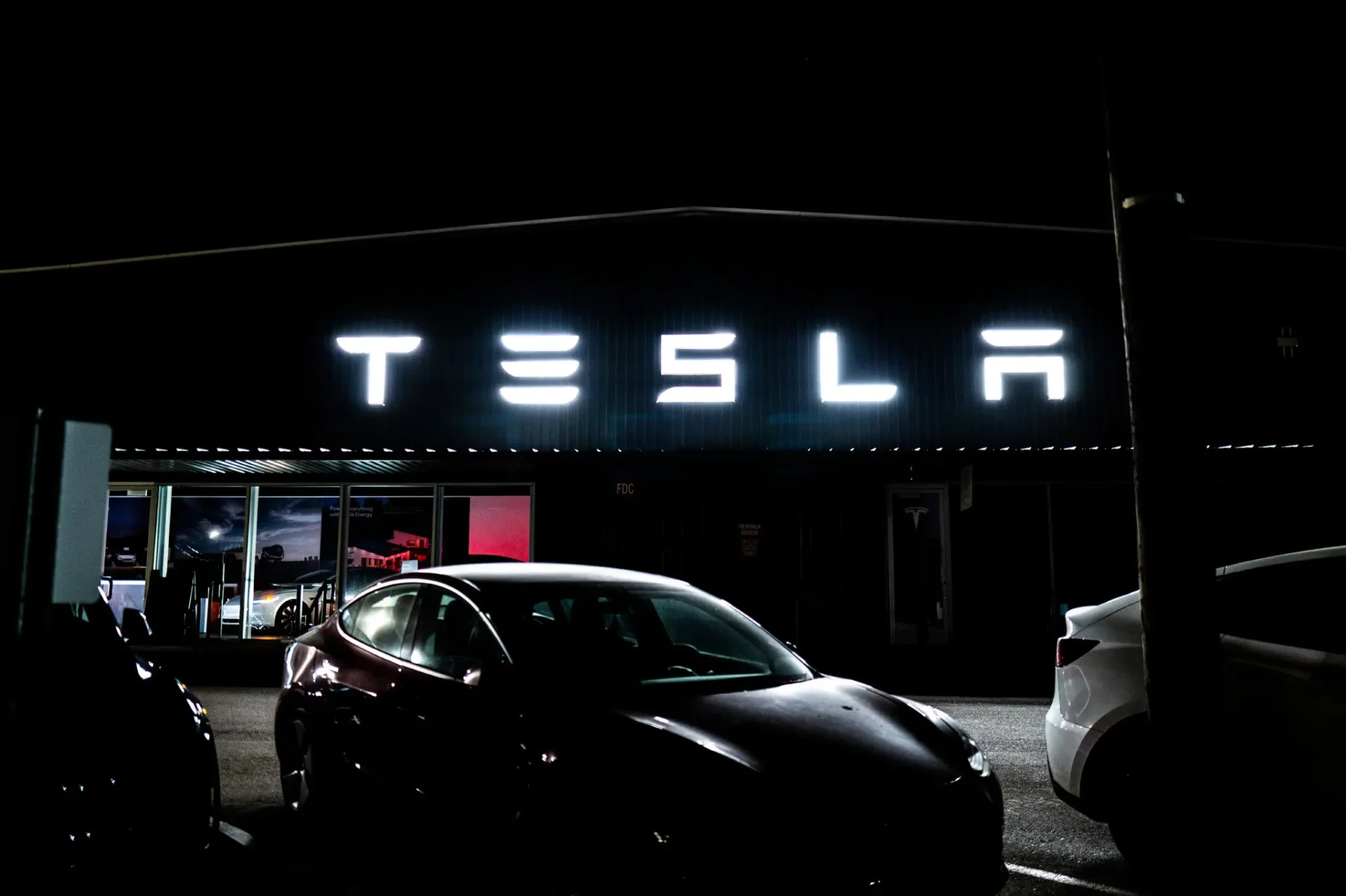
China’s BYD has surpassed Tesla to become the world’s leading electric vehicle seller, marking a major shift in the global EV market, according to The New York Times. The milestone reflects BYD’s rapid expansion, strong domestic demand in China, and growing international presence.
Summary
BYD has overtaken Tesla in global electric vehicle sales, driven by strong fourth-quarter deliveries and sustained growth across multiple markets. The development highlights increasing competition in the EV industry and underscores the rising influence of Chinese automakers worldwide.
BYD Takes the Global Lead
According to The New York Times, BYD sold more electric vehicles than Tesla during the most recent reporting period, allowing the Chinese automaker to claim the top position globally. The change in ranking follows a strong fourth quarter for BYD and a comparatively slower period for Tesla.
BYD’s rise has been fueled by its wide range of vehicles, including both fully electric cars and plug-in hybrids, which appeal to a broad customer base. Tesla, by contrast, remains focused exclusively on battery-electric vehicles.
Tesla Reports Slower Growth
Tesla reported a decline in fourth-quarter vehicle deliveries compared with earlier expectations, according to the report. While the company continues to dominate several key markets, including the United States, its overall growth rate has slowed amid intensifying competition and pricing pressures.
The New York Times noted that Tesla has faced challenges related to global demand fluctuations, price cuts, and increased competition from both legacy automakers and newer Chinese brands.
BYD’s China Advantage
China remains the world’s largest electric vehicle market, and BYD has benefited significantly from its strong domestic position. The company offers a broad lineup of affordable and mid-range EVs that align closely with consumer demand in China.
In addition, BYD has benefited from China’s extensive EV infrastructure, government incentives, and a well-developed supply chain. These factors have helped the company scale production faster than many global rivals.
Vertical Integration Plays a Key Role
One of BYD’s major advantages is its high level of vertical integration. The company manufactures its own batteries, semiconductors, and many core components, reducing costs and limiting exposure to supply chain disruptions.
According to The New York Times, this strategy has allowed BYD to maintain competitive pricing while protecting margins, even as global input costs have fluctuated.
Expanding Beyond China
BYD is also expanding aggressively into international markets, including Europe, Southeast Asia, and Latin America. The company has introduced multiple models overseas and continues to invest in distribution networks outside China.
While Tesla still leads in brand recognition globally, BYD’s growing international footprint is narrowing the gap. The report notes that BYD’s overseas sales remain a smaller portion of its total volume but are increasing steadily.
Implications for the Global EV Market
BYD’s rise to the top signals a broader shift in the electric vehicle industry. Chinese automakers are becoming increasingly competitive on the global stage, offering lower-priced vehicles with improving technology and design.
The development also puts additional pressure on Tesla and other EV makers to innovate and manage costs. As competition intensifies, price wars and margin compression may continue across key markets.
Tesla’s Long-Term Position
Despite losing the top spot in global sales, Tesla remains a dominant force in the EV industry. The company continues to lead in profitability, charging infrastructure, and software capabilities.
The New York Times emphasized that Tesla’s long-term prospects still depend on its ability to introduce new models, expand manufacturing capacity, and maintain technological leadership amid rising competition.
A Turning Point for the Industry
BYD surpassing Tesla represents a symbolic moment for the electric vehicle market. It highlights the growing influence of Chinese manufacturers and the increasingly global nature of EV competition.
As more countries push toward electrification, the battle for market leadership is expected to intensify, with pricing, technology, and scale playing critical roles
Conclusion
BYD’s emergence as the world’s largest electric car seller marks a significant shift in the global automotive landscape. According to The New York Times, the Chinese automaker’s success reflects strong domestic demand, efficient manufacturing, and expanding international ambitions.
While Tesla remains a key player with significant advantages, BYD’s ascent underscores how rapidly the EV market is evolving—and how competitive it has become.


