Lockin Introduces Smart Locks Powered by Infrared Light, Eliminating the Need for Recharging

Share via:

Smart lock maker Lockin has unveiled a new line of smart locks that do not require battery recharging, instead using infrared light for power, according to a report by Gizmodo. The announcement highlights an alternative approach to one of the most common pain points in smart home security: battery dependence.

Summary

Lockin’s newly announced smart locks use infrared light to generate power, removing the need for traditional batteries or frequent recharging. The technology is designed to improve reliability and reduce maintenance for connected home security devices.

Lockin Targets Battery Anxiety in Smart Locks

Smart locks have become a popular part of modern smart homes, but battery life remains a frequent concern. According to Gizmodo, Lockin aims to address this issue by introducing smart locks that operate without rechargeable or replaceable batteries.

Instead of relying on stored power, Lockin’s new locks draw energy from infrared light. This design removes the risk of a lock losing power unexpectedly, a scenario that can inconvenience users or raise security concerns.

How Infrared Light Powers the Locks

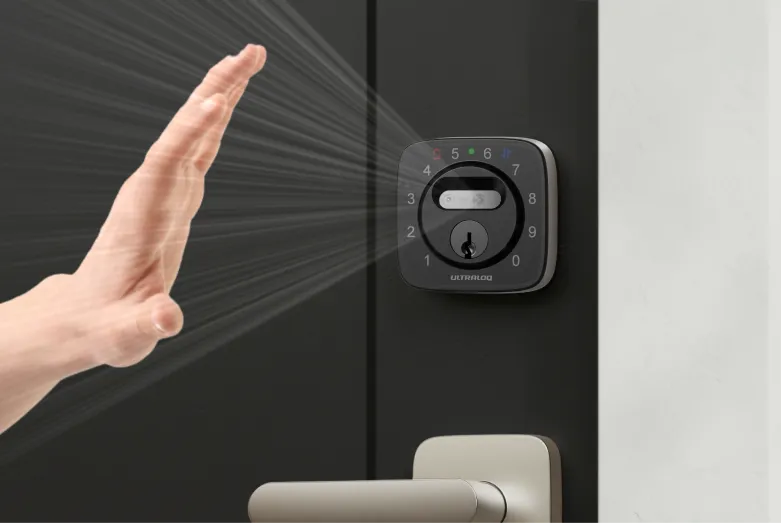
The key innovation behind Lockin’s new smart locks is their use of infrared light as a power source. As reported by Gizmodo, the system uses an external infrared light emitter that directs energy toward the lock.

The lock then converts the received infrared light into usable electrical power. This continuous energy transfer allows the lock to function without an internal battery that needs charging or replacement.

While the technology is unconventional for consumer smart locks, it reflects broader experimentation with alternative power sources in connected devices.

Designed for Consistent, Long-Term Use

Lockin’s approach is intended to reduce ongoing maintenance. Traditional smart locks typically require battery changes every few months, depending on usage. Forgetting to recharge or replace batteries can result in temporary lockouts or reduced functionality.

By removing batteries entirely, Lockin’s infrared-powered locks are designed for consistent, long-term operation. According to Gizmodo, this could make the locks particularly appealing for users who value reliability over frequent hands-on maintenance.

Installation Considerations

The infrared-powered design does introduce new installation requirements. The locks rely on a dedicated infrared light source, which must be positioned correctly to deliver power to the lock.

As reported, this means users may need to install both the lock and the accompanying infrared emitter. While this adds complexity compared to battery-powered models, Lockin appears to be positioning the tradeoff as worthwhile for eliminating recharging concerns.

Smart Features Remain Central

Despite the unconventional power system, Lockin’s new locks still fall firmly within the smart home category. According to Gizmodo, the locks support typical smart lock functions, such as remote access and digital authentication.

The company has focused on maintaining core smart lock capabilities while changing how the device is powered. This suggests Lockin is not abandoning convenience features in favor of experimental hardware.

Security and Reliability Focus

Lock reliability is critical in home security products. Battery-powered smart locks can fail if users ignore low-battery warnings or if extreme temperatures affect battery performance.

By using infrared power, Lockin is attempting to reduce one of the most common failure points. Continuous power delivery means the lock does not degrade gradually as batteries drain, potentially improving reliability.

However, the system’s reliability also depends on the infrared emitter remaining functional and properly aligned.

Market Context

The smart lock market is crowded with products that emphasize app integration, voice assistant support, and sleek design. Power innovation has received less attention, even though battery issues are a frequent user complaint.

According to Gizmodo, Lockin’s infrared-powered locks stand out by addressing a practical issue rather than adding new digital features. This approach may appeal to users who prioritize dependability over novelty.

Not Yet a Mainstream Solution

While the technology is promising, infrared-powered smart locks are not yet common. The added hardware requirements may limit immediate mainstream adoption.

Lockin’s product appears to target early adopters and users willing to experiment with new smart home technologies. Broader adoption may depend on how easily the system can be installed and maintained.

What Lockin Has and Has Not Disclosed

The Gizmodo report focuses primarily on the power technology and design concept. Detailed information about pricing, availability, and regional rollout has not been fully outlined.

This suggests that Lockin may still be testing market response or preparing for a phased launch.

Why This Matters

Power reliability is a critical but often overlooked aspect of smart home devices. Lockin’s infrared-powered smart locks highlight a different approach to solving a longstanding problem.

If successful, the concept could influence how future smart home devices are designed, particularly those where power failure creates security risks.

Conclusion

Lockin’s new smart locks eliminate the need for recharging by using infrared light as a continuous power source. As reported by Gizmodo, the technology aims to improve reliability and reduce maintenance, addressing a common frustration with smart locks.

While the approach introduces new installation requirements, it represents a notable shift in how smart home security devices can be powered. Lockin’s experiment could signal broader changes in the design of connected home products.


Disclaimer

We strive to uphold the highest ethical standards in all of our reporting and coverage. We StartupNews.fyi want to be transparent with our readers about any potential conflicts of interest that may arise in our work. It’s possible that some of the investors we feature may have connections to other businesses, including competitors or companies we write about. However, we want to assure our readers that this will not have any impact on the integrity or impartiality of our reporting. We are committed to delivering accurate, unbiased news and information to our audience, and we will continue to uphold our ethics and principles in all of our work. Thank you for your trust and support.

Popular

More Like this

Lockin Introduces Smart Locks Powered by Infrared Light, Eliminating the Need for Recharging

Smart lock maker Lockin has unveiled a new line of smart locks that do not require battery recharging, instead using infrared light for power, according to a report by Gizmodo. The announcement highlights an alternative approach to one of the most common pain points in smart home security: battery dependence.

Summary

Lockin’s newly announced smart locks use infrared light to generate power, removing the need for traditional batteries or frequent recharging. The technology is designed to improve reliability and reduce maintenance for connected home security devices.

Lockin Targets Battery Anxiety in Smart Locks

Smart locks have become a popular part of modern smart homes, but battery life remains a frequent concern. According to Gizmodo, Lockin aims to address this issue by introducing smart locks that operate without rechargeable or replaceable batteries.

Instead of relying on stored power, Lockin’s new locks draw energy from infrared light. This design removes the risk of a lock losing power unexpectedly, a scenario that can inconvenience users or raise security concerns.

How Infrared Light Powers the Locks

The key innovation behind Lockin’s new smart locks is their use of infrared light as a power source. As reported by Gizmodo, the system uses an external infrared light emitter that directs energy toward the lock.

The lock then converts the received infrared light into usable electrical power. This continuous energy transfer allows the lock to function without an internal battery that needs charging or replacement.

While the technology is unconventional for consumer smart locks, it reflects broader experimentation with alternative power sources in connected devices.

Designed for Consistent, Long-Term Use

Lockin’s approach is intended to reduce ongoing maintenance. Traditional smart locks typically require battery changes every few months, depending on usage. Forgetting to recharge or replace batteries can result in temporary lockouts or reduced functionality.

By removing batteries entirely, Lockin’s infrared-powered locks are designed for consistent, long-term operation. According to Gizmodo, this could make the locks particularly appealing for users who value reliability over frequent hands-on maintenance.

Installation Considerations

The infrared-powered design does introduce new installation requirements. The locks rely on a dedicated infrared light source, which must be positioned correctly to deliver power to the lock.

As reported, this means users may need to install both the lock and the accompanying infrared emitter. While this adds complexity compared to battery-powered models, Lockin appears to be positioning the tradeoff as worthwhile for eliminating recharging concerns.

Smart Features Remain Central

Despite the unconventional power system, Lockin’s new locks still fall firmly within the smart home category. According to Gizmodo, the locks support typical smart lock functions, such as remote access and digital authentication.

The company has focused on maintaining core smart lock capabilities while changing how the device is powered. This suggests Lockin is not abandoning convenience features in favor of experimental hardware.

Security and Reliability Focus

Lock reliability is critical in home security products. Battery-powered smart locks can fail if users ignore low-battery warnings or if extreme temperatures affect battery performance.

By using infrared power, Lockin is attempting to reduce one of the most common failure points. Continuous power delivery means the lock does not degrade gradually as batteries drain, potentially improving reliability.

However, the system’s reliability also depends on the infrared emitter remaining functional and properly aligned.

Market Context

The smart lock market is crowded with products that emphasize app integration, voice assistant support, and sleek design. Power innovation has received less attention, even though battery issues are a frequent user complaint.

According to Gizmodo, Lockin’s infrared-powered locks stand out by addressing a practical issue rather than adding new digital features. This approach may appeal to users who prioritize dependability over novelty.

Not Yet a Mainstream Solution

While the technology is promising, infrared-powered smart locks are not yet common. The added hardware requirements may limit immediate mainstream adoption.

Lockin’s product appears to target early adopters and users willing to experiment with new smart home technologies. Broader adoption may depend on how easily the system can be installed and maintained.

What Lockin Has and Has Not Disclosed

The Gizmodo report focuses primarily on the power technology and design concept. Detailed information about pricing, availability, and regional rollout has not been fully outlined.

This suggests that Lockin may still be testing market response or preparing for a phased launch.

Why This Matters

Power reliability is a critical but often overlooked aspect of smart home devices. Lockin’s infrared-powered smart locks highlight a different approach to solving a longstanding problem.

If successful, the concept could influence how future smart home devices are designed, particularly those where power failure creates security risks.

Conclusion

Lockin’s new smart locks eliminate the need for recharging by using infrared light as a continuous power source. As reported by Gizmodo, the technology aims to improve reliability and reduce maintenance, addressing a common frustration with smart locks.

While the approach introduces new installation requirements, it represents a notable shift in how smart home security devices can be powered. Lockin’s experiment could signal broader changes in the design of connected home products.

Disclaimer

We strive to uphold the highest ethical standards in all of our reporting and coverage. We StartupNews.fyi want to be transparent with our readers about any potential conflicts of interest that may arise in our work. It’s possible that some of the investors we feature may have connections to other businesses, including competitors or companies we write about. However, we want to assure our readers that this will not have any impact on the integrity or impartiality of our reporting. We are committed to delivering accurate, unbiased news and information to our audience, and we will continue to uphold our ethics and principles in all of our work. Thank you for your trust and support.

Website Upgradation is going on for any glitch kindly connect at office@startupnews.fyi

More like this

Popular

iptv-subscription iptv-subscription iptv-subscription iptv-subscription iptv-subscription iptv-subscription iptv-subscription iptv-subscription iptv-subscription iptv-subscription iptv-subscription iptv-subscription iptv-subscription iptv-subscription iptv-subscription iptv-subscription iptv-subscription iptv-subscription iptv-subscription iptv-subscription iptv-subscription iptv-subscription iptv-subscription iptv-subscription iptv-subscription iptv-subscription iptv-subscription iptv-subscription iptv-subscription iptv-subscription iptv-subscription iptv-subscription iptv-subscription iptv-subscription iptv-subscription iptv-subscription iptv-subscription iptv-subscription iptv-subscription iptv-subscription iptv-subscription iptv-subscription iptv-subscription iptv-subscription iptv-subscription iptv-subscription iptv-subscription iptv-subscription iptv-subscription iptv-subscription iptv-subscription iptv-subscription iptv-subscription iptv-subscription iptv-subscription iptv-subscription iptv-subscription iptv-subscription iptv-subscription iptv-subscription iptv-subscription iptv-subscription iptv-subscription iptv-subscription iptv-subscription iptv-subscription iptv-subscription iptv-subscription iptv-subscription iptv-subscription iptv-subscription iptv-subscription iptv-subscription iptv-subscription iptv-subscription iptv-subscription iptv-subscription iptv-subscription iptv-subscription iptv-subscription iptv-subscription iptv-subscription iptv-subscription iptv-subscription iptv-subscription iptv-subscription iptv-subscription iptv-subscription iptv-subscription iptv-subscription iptv-subscription iptv-subscription iptv-subscription iptv-subscription iptv-subscription iptv-subscription iptv-subscription iptv-subscription iptv-subscription iptv-subscription iptv-subscription iptv-subscription iptv-subscription iptv-subscription iptv-subscription iptv-subscription iptv-subscription iptv-subscription iptv-subscription iptv-subscription iptv-subscription iptv-subscription iptv-subscription iptv-subscription iptv-subscription iptv-subscription iptv-subscription iptv-subscription iptv-subscription iptv-subscription iptv-subscription iptv-subscription iptv-subscription iptv-subscription iptv-subscription iptv-subscription iptv-subscription iptv-subscription iptv-subscription iptv-subscription iptv-subscription iptv-subscription iptv-subscription iptv-subscription iptv-subscription iptv-subscription iptv-subscription iptv-subscription iptv-subscription iptv-subscription iptv-subscription iptv-subscription iptv-subscription iptv-subscription iptv-subscription iptv-subscription iptv-subscription iptv-subscription iptv-subscription iptv-subscription iptv-subscription iptv-subscription iptv-subscription iptv-subscription iptv-subscription iptv-subscription iptv-subscription iptv-subscription iptv-subscription iptv-subscription iptv-subscription iptv-subscription iptv-subscription iptv-subscription iptv-subscription iptv-subscription iptv-subscription iptv-subscription iptv-subscription iptv-subscription iptv-subscription iptv-subscription iptv-subscription iptv-subscription iptv-subscription iptv-subscription iptv-subscription iptv-subscription iptv-subscription iptv-subscription iptv-subscription iptv-subscription iptv-subscription iptv-subscription iptv-subscription iptv-subscription iptv-subscription iptv-subscription iptv-subscription iptv-subscription iptv-subscription iptv-subscription iptv-subscription iptv-subscription iptv-subscription iptv-subscription iptv-subscription iptv-subscription iptv-subscription iptv-subscription iptv-subscription iptv-subscription iptv-subscription iptv-subscription