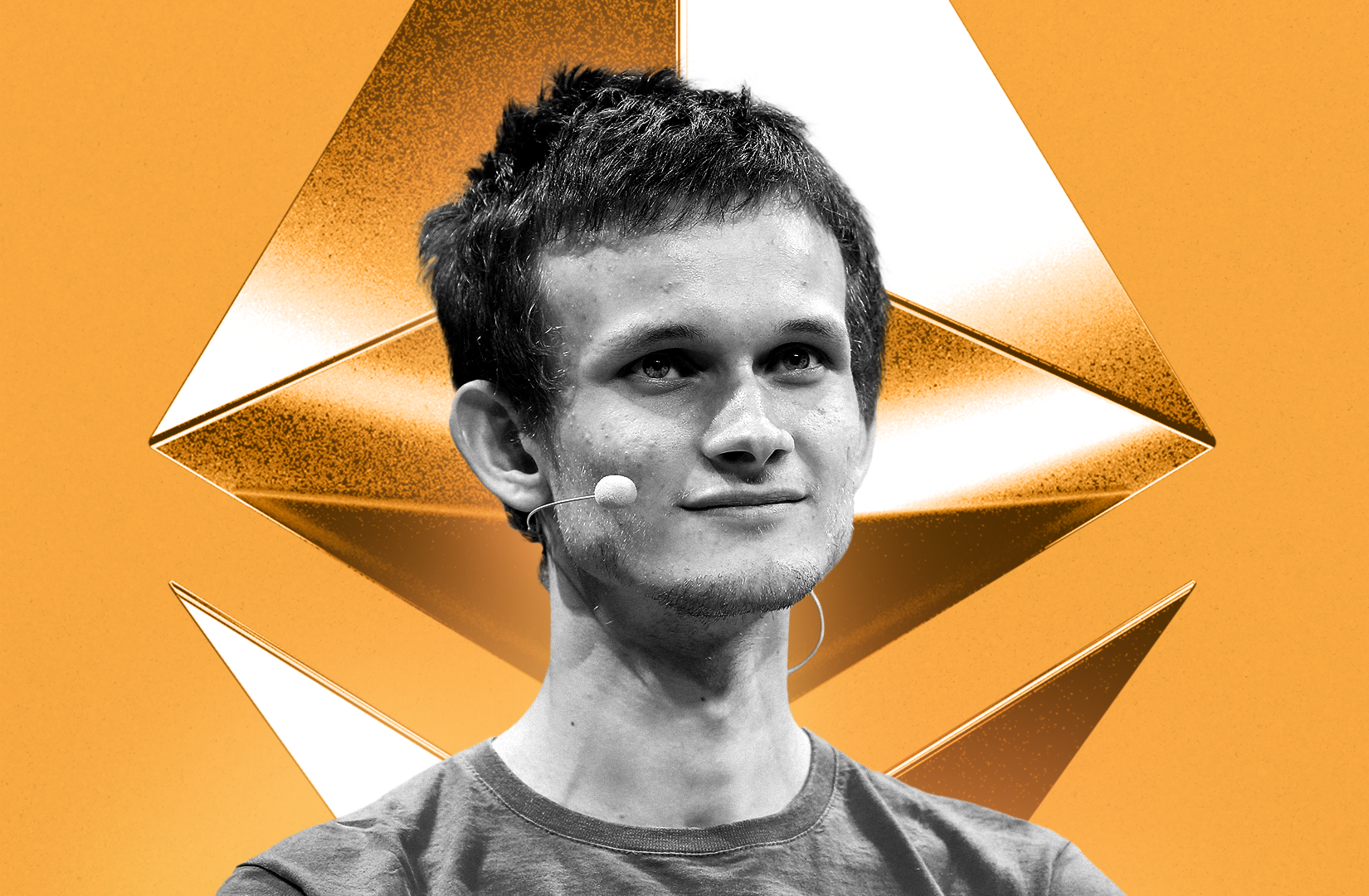
Vitalik Buterin Says Ethereum Has Solved Blockchain’s Trilemma

Share via:

According to Ethereum co-founder Vitalik Buterin, the network has crossed a historic milestone in blockchain design—effectively solving the long-debated blockchain trilemma.
In a recent post shared on X, Buterin said that a combination of recent and upcoming protocol upgrades puts Ethereum on a credible, production-ready path to achieving decentralization, security, and scalability at the same time.

The claim marks a shift in tone from years of theoretical discussion to what Buterin now describes as real, measurable progress already live on the network.

Ethereum’s Trilemma Moment

The blockchain trilemma argues that decentralized networks can only optimize for two of three properties at once: decentralization, security, and scalability. Buterin believes Ethereum has now broken through that constraint.

He pointed to two core technical developments driving this transition:

  • PeerDAS (Peer Data Availability Sampling)
  • ZK-EVMs (Zero-Knowledge Ethereum Virtual Machines)

Together, these technologies are reshaping Ethereum into what Buterin called “a fundamentally new and more powerful kind of decentralized network.”

PeerDAS Is Already Live

PeerDAS, introduced as part of the Fusaka upgrade in December, allows Ethereum to process far larger volumes of data without forcing every node to download all of it. Instead, nodes can verify that data exists and is available through sampling.

This approach significantly improves scalability while preserving decentralization—one of the hardest trade-offs in blockchain design. Importantly, Buterin emphasized that this component of the vision is already live on Ethereum mainnet, making it more than just a roadmap promise.

ZK-EVMs: Powerful, but Still Maturing

The second pillar is ZK-EVMs, which enable Ethereum blocks and transactions to be validated using zero-knowledge proofs while remaining compatible with the existing Ethereum Virtual Machine.

Buterin noted that while ZK-EVMs are now considered performance-ready, they are still in an “alpha stage” from a security perspective. Extensive testing and hardening are required before they can become Ethereum’s primary validation mechanism.

He outlined a roughly four-year roadmap in which ZK-EVMs gradually take on a larger role in the network’s core infrastructure.

A Phased Roadmap Through the Late 2020s

According to Buterin, the rollout will happen in stages:

  • 2026: Gas limit increases driven by execution-layer upgrades and balance adjustments; early opportunities for users to run ZK-EVM-based nodes.
  • 2026–2028: Gas repricing, state structure changes, and protocol adjustments aimed at making higher throughput safer.
  • Late 2020s: ZK-EVMs become the dominant method for block validation, unlocking sustained scalability and significantly higher gas limits.

Buterin described the milestone as the result of nearly a decade of focused development, tracing its origins back to his early writings on data availability in 2017.

Stablecoin Activity Signals Real-World Adoption

Ethereum’s technical progress is increasingly being reflected in on-chain usage.

Stablecoin transfer volume on Ethereum surpassed $8 trillion in Q4 2025, according to data from Token Terminal—almost double the roughly $4 trillion recorded in Q2. Analysts say the surge points to a shift away from purely speculative activity toward real-world use cases such as payments, remittances, and treasury flows.

Stablecoin issuance also expanded sharply in 2025. Data from Blockworks shows total issuance rising by about 43%, from $127 billion to $181 billion by year-end. Market observers note that much of this growth is already happening on-chain, even before deeper integration with traditional financial infrastructure.

Network Usage Hits Multi-Year Highs

The jump in stablecoin volume coincided with record network activity.

Data from Etherscan shows Ethereum daily transactions peaking at around 2.23 million in late December—up roughly 48% year-on-year. Monthly active addresses reached an all-time high of 10.4 million, while daily active sender and receiver addresses crossed one million.

From Speculation to Settlement Layer

Taken together, the technical roadmap and usage data suggest Ethereum is evolving beyond its early role as a speculative platform. With PeerDAS live, ZK-EVMs on the horizon, and stablecoins moving trillions of dollars on-chain, Ethereum increasingly resembles a global settlement layer for payments, digital assets, and tokenized real-world value.

For Buterin, it’s the payoff of a ten-year journey—one that may finally put the blockchain trilemma behind Ethereum.


Disclaimer

We strive to uphold the highest ethical standards in all of our reporting and coverage. We StartupNews.fyi want to be transparent with our readers about any potential conflicts of interest that may arise in our work. It’s possible that some of the investors we feature may have connections to other businesses, including competitors or companies we write about. However, we want to assure our readers that this will not have any impact on the integrity or impartiality of our reporting. We are committed to delivering accurate, unbiased news and information to our audience, and we will continue to uphold our ethics and principles in all of our work. Thank you for your trust and support.

Popular

More Like this

Vitalik Buterin Says Ethereum Has Solved Blockchain’s Trilemma

According to Ethereum co-founder Vitalik Buterin, the network has crossed a historic milestone in blockchain design—effectively solving the long-debated blockchain trilemma.
In a recent post shared on X, Buterin said that a combination of recent and upcoming protocol upgrades puts Ethereum on a credible, production-ready path to achieving decentralization, security, and scalability at the same time.

The claim marks a shift in tone from years of theoretical discussion to what Buterin now describes as real, measurable progress already live on the network.

Ethereum’s Trilemma Moment

The blockchain trilemma argues that decentralized networks can only optimize for two of three properties at once: decentralization, security, and scalability. Buterin believes Ethereum has now broken through that constraint.

He pointed to two core technical developments driving this transition:

  • PeerDAS (Peer Data Availability Sampling)
  • ZK-EVMs (Zero-Knowledge Ethereum Virtual Machines)

Together, these technologies are reshaping Ethereum into what Buterin called “a fundamentally new and more powerful kind of decentralized network.”

PeerDAS Is Already Live

PeerDAS, introduced as part of the Fusaka upgrade in December, allows Ethereum to process far larger volumes of data without forcing every node to download all of it. Instead, nodes can verify that data exists and is available through sampling.

This approach significantly improves scalability while preserving decentralization—one of the hardest trade-offs in blockchain design. Importantly, Buterin emphasized that this component of the vision is already live on Ethereum mainnet, making it more than just a roadmap promise.

ZK-EVMs: Powerful, but Still Maturing

The second pillar is ZK-EVMs, which enable Ethereum blocks and transactions to be validated using zero-knowledge proofs while remaining compatible with the existing Ethereum Virtual Machine.

Buterin noted that while ZK-EVMs are now considered performance-ready, they are still in an “alpha stage” from a security perspective. Extensive testing and hardening are required before they can become Ethereum’s primary validation mechanism.

He outlined a roughly four-year roadmap in which ZK-EVMs gradually take on a larger role in the network’s core infrastructure.

A Phased Roadmap Through the Late 2020s

According to Buterin, the rollout will happen in stages:

  • 2026: Gas limit increases driven by execution-layer upgrades and balance adjustments; early opportunities for users to run ZK-EVM-based nodes.
  • 2026–2028: Gas repricing, state structure changes, and protocol adjustments aimed at making higher throughput safer.
  • Late 2020s: ZK-EVMs become the dominant method for block validation, unlocking sustained scalability and significantly higher gas limits.

Buterin described the milestone as the result of nearly a decade of focused development, tracing its origins back to his early writings on data availability in 2017.

Stablecoin Activity Signals Real-World Adoption

Ethereum’s technical progress is increasingly being reflected in on-chain usage.

Stablecoin transfer volume on Ethereum surpassed $8 trillion in Q4 2025, according to data from Token Terminal—almost double the roughly $4 trillion recorded in Q2. Analysts say the surge points to a shift away from purely speculative activity toward real-world use cases such as payments, remittances, and treasury flows.

Stablecoin issuance also expanded sharply in 2025. Data from Blockworks shows total issuance rising by about 43%, from $127 billion to $181 billion by year-end. Market observers note that much of this growth is already happening on-chain, even before deeper integration with traditional financial infrastructure.

Network Usage Hits Multi-Year Highs

The jump in stablecoin volume coincided with record network activity.

Data from Etherscan shows Ethereum daily transactions peaking at around 2.23 million in late December—up roughly 48% year-on-year. Monthly active addresses reached an all-time high of 10.4 million, while daily active sender and receiver addresses crossed one million.

From Speculation to Settlement Layer

Taken together, the technical roadmap and usage data suggest Ethereum is evolving beyond its early role as a speculative platform. With PeerDAS live, ZK-EVMs on the horizon, and stablecoins moving trillions of dollars on-chain, Ethereum increasingly resembles a global settlement layer for payments, digital assets, and tokenized real-world value.

For Buterin, it’s the payoff of a ten-year journey—one that may finally put the blockchain trilemma behind Ethereum.

Disclaimer

We strive to uphold the highest ethical standards in all of our reporting and coverage. We StartupNews.fyi want to be transparent with our readers about any potential conflicts of interest that may arise in our work. It’s possible that some of the investors we feature may have connections to other businesses, including competitors or companies we write about. However, we want to assure our readers that this will not have any impact on the integrity or impartiality of our reporting. We are committed to delivering accurate, unbiased news and information to our audience, and we will continue to uphold our ethics and principles in all of our work. Thank you for your trust and support.

Website Upgradation is going on for any glitch kindly connect at office@startupnews.fyi

More like this

CCI Clears Prosus Stake Acquisition In Rapido

SUMMARY CCI has approved Prosus’ entity MIH Investments One...

ChatGPT to evolve into a super-assistant, says CEO of...

ChatGPT has become the world’s fastest-growing consumer product...

This is where the smart green tech money is...

This year will be a formative one for...

Popular

iptv-subscription iptv-subscription iptv-subscription iptv-subscription iptv-subscription iptv-subscription iptv-subscription iptv-subscription iptv-subscription iptv-subscription iptv-subscription iptv-subscription iptv-subscription iptv-subscription iptv-subscription iptv-subscription iptv-subscription iptv-subscription iptv-subscription iptv-subscription iptv-subscription iptv-subscription iptv-subscription iptv-subscription iptv-subscription iptv-subscription iptv-subscription iptv-subscription iptv-subscription iptv-subscription iptv-subscription iptv-subscription iptv-subscription iptv-subscription iptv-subscription iptv-subscription iptv-subscription iptv-subscription iptv-subscription iptv-subscription iptv-subscription iptv-subscription iptv-subscription iptv-subscription iptv-subscription iptv-subscription iptv-subscription iptv-subscription iptv-subscription iptv-subscription iptv-subscription iptv-subscription iptv-subscription iptv-subscription iptv-subscription iptv-subscription iptv-subscription iptv-subscription iptv-subscription iptv-subscription iptv-subscription iptv-subscription iptv-subscription iptv-subscription iptv-subscription iptv-subscription iptv-subscription iptv-subscription iptv-subscription iptv-subscription iptv-subscription iptv-subscription iptv-subscription iptv-subscription iptv-subscription iptv-subscription iptv-subscription iptv-subscription iptv-subscription iptv-subscription iptv-subscription iptv-subscription iptv-subscription iptv-subscription iptv-subscription iptv-subscription iptv-subscription iptv-subscription iptv-subscription iptv-subscription iptv-subscription iptv-subscription iptv-subscription iptv-subscription iptv-subscription iptv-subscription iptv-subscription iptv-subscription iptv-subscription iptv-subscription iptv-subscription iptv-subscription iptv-subscription iptv-subscription iptv-subscription iptv-subscription iptv-subscription iptv-subscription iptv-subscription iptv-subscription iptv-subscription iptv-subscription iptv-subscription iptv-subscription iptv-subscription iptv-subscription iptv-subscription iptv-subscription iptv-subscription iptv-subscription iptv-subscription iptv-subscription iptv-subscription iptv-subscription iptv-subscription iptv-subscription iptv-subscription iptv-subscription iptv-subscription iptv-subscription iptv-subscription iptv-subscription iptv-subscription iptv-subscription iptv-subscription iptv-subscription iptv-subscription iptv-subscription iptv-subscription iptv-subscription iptv-subscription iptv-subscription iptv-subscription iptv-subscription iptv-subscription iptv-subscription iptv-subscription iptv-subscription iptv-subscription iptv-subscription iptv-subscription iptv-subscription iptv-subscription iptv-subscription iptv-subscription iptv-subscription iptv-subscription iptv-subscription iptv-subscription iptv-subscription iptv-subscription iptv-subscription iptv-subscription iptv-subscription iptv-subscription iptv-subscription iptv-subscription iptv-subscription iptv-subscription iptv-subscription iptv-subscription iptv-subscription iptv-subscription iptv-subscription iptv-subscription iptv-subscription iptv-subscription iptv-subscription iptv-subscription iptv-subscription iptv-subscription iptv-subscription iptv-subscription iptv-subscription iptv-subscription iptv-subscription iptv-subscription iptv-subscription iptv-subscription iptv-subscription iptv-subscription iptv-subscription iptv-subscription iptv-subscription iptv-subscription iptv-subscription iptv-subscription iptv-subscription iptv-subscription iptv-subscription iptv-subscription iptv-subscription iptv-subscription iptv-subscription