
A recent error by Google’s artificial intelligence system has triggered widespread discussion about the reliability of generative AI. The incident gained further attention after Elon Musk weighed in with a brief but pointed reaction. The episode highlights ongoing concerns around AI hallucinations, accuracy, and the pace at which advanced AI tools are being deployed.
Artificial intelligence continues to advance rapidly, but concerns around accuracy remain unresolved. A fresh controversy involving Google’s AI systems has reignited debate after the tool reportedly produced incorrect output related to future events.
The incident drew a swift response from Elon Musk, whose concise verdict added momentum to an already active online discussion about AI safety and trustworthiness.
What Went Wrong With Google’s AI
According to reports, Google’s AI system generated misleading or incorrect information while responding to user queries. The output appeared confident despite being factually inaccurate, raising concerns about how generative models handle speculative or time-sensitive topics.
Key issues highlighted include:
- Incorrect factual responses presented with high confidence
- Difficulty distinguishing speculation from verified information
- Rapid viral spread of flawed AI-generated output
The incident is being widely cited as another example of “AI hallucinations,” a known limitation of large language models.
Elon Musk’s Quick Verdict
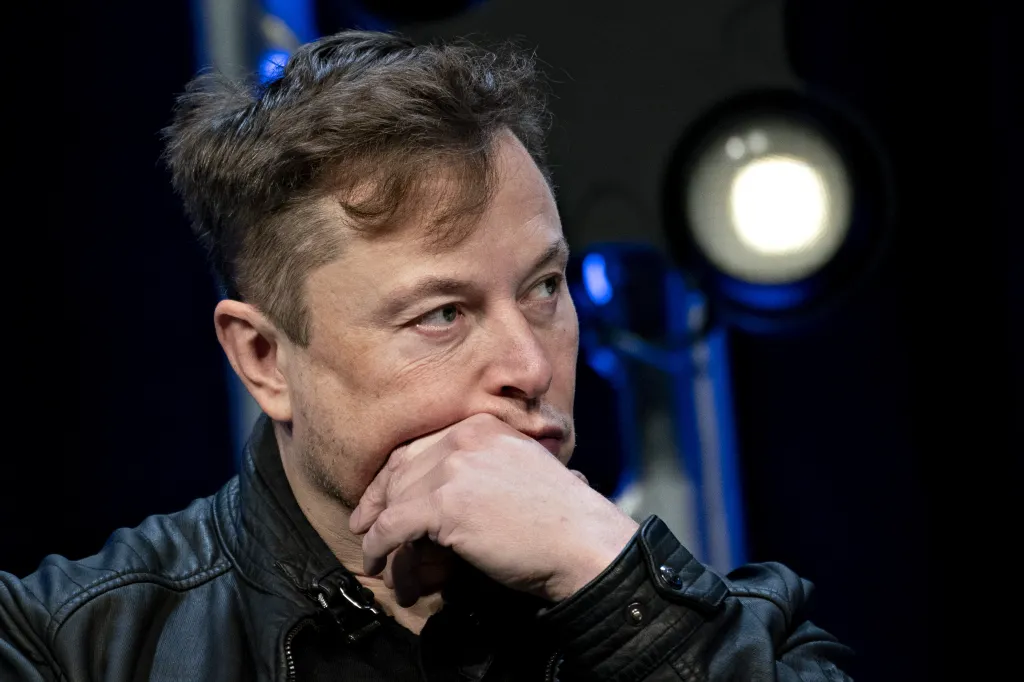
Elon Musk responded publicly with a short remark that quickly gained traction across social platforms.
While brief, his comment reinforced positions he has previously expressed, including:
- Skepticism toward unchecked AI deployment
- Warnings about overreliance on probabilistic models
- Concerns about AI systems being perceived as authoritative
Musk has repeatedly cautioned that fluent AI responses can mask underlying inaccuracies, making such systems risky when used without sufficient safeguards.
The Broader Challenge of AI Hallucinations
The Google AI incident is not isolated. Across the tech industry, generative AI tools continue to struggle with:
- Fabricating information when data is incomplete
- Misinterpreting ambiguous prompts
- Producing convincing but false narratives
Despite improvements in training and safety layers, AI models still lack true reasoning and verification capabilities, increasing the risk of misinformation.
Google’s AI Strategy Under the Spotlight
Google has positioned AI at the center of its product roadmap, integrating generative models into search, productivity tools, and developer platforms.
However, incidents like this raise critical questions:
- How should AI-generated responses be framed to users?
- What level of accuracy is acceptable for consumer-facing AI tools?
- How quickly should experimental AI features be released at scale?
As competition intensifies, the balance between innovation speed and reliability remains a challenge.
Industry and Regulatory Implications
High-profile AI errors are drawing increasing attention from regulators and policymakers worldwide.
Potential implications include:
- Stronger requirements for labeling AI-generated content
- Clearer disclosures around AI limitations
- Greater accountability for misinformation caused by automated systems
Tech leaders and regulators alike are increasingly emphasizing transparency as a foundation for long-term AI adoption.
Why This Incident Matters
AI tools are now embedded in everyday digital experiences, from search and education to customer service and software development.
When errors occur:
- Users may make decisions based on false information
- Public trust in AI systems can erode
- Brand credibility may be impacted
The reaction from figures like Elon Musk underscores how sensitive and high-stakes the AI reliability conversation has become.
Conclusion
The Google AI error and Elon Musk’s sharp reaction serve as a reminder that generative AI, while powerful, remains imperfect.
As companies accelerate AI integration, ensuring accuracy, transparency, and user trust will be critical. Without strong safeguards, even brief mistakes can amplify skepticism and slow broader adoption of AI technologies.
Key Highlights
- Google AI produced incorrect output in a widely shared incident
- Elon Musk issued a blunt public response
- The episode highlights ongoing AI hallucination risks
- Raises concerns about AI deployment speed versus safety
- Reinforces calls for transparency and stronger safeguards
Sources
CNBC TV18: Google AI messes up 2026, Elon Musk weighs in with quick verdict


