
As Grand Theft Auto 6 approaches release, its hyper-realistic visuals and lifelike violence have reignited a long-running debate: are modern video games becoming too realistic? With advances in graphics, AI, and physics engines, critics and creators alike are questioning whether heightened realism enhances storytelling or risks pushing violent content beyond what players actually want or need.
Introduction
Video games have always reflected the technological limits of their time. Today, those limits are rapidly disappearing. With the reveal of Grand Theft Auto 6, audiences have seen just how close mainstream games are getting to photorealism — from detailed character animations to convincingly simulated violence.
According to a recent analysis by BBC, this growing realism is prompting uncomfortable questions. When virtual worlds begin to resemble real life too closely, does violence become harder to contextualize as fiction? And at what point does realism stop serving the game?
How Video Game Realism Has Reached This Point
Over the past decade, game development has undergone a fundamental shift. Modern titles now rely on:
- Photogrammetry to recreate real-world locations
- Motion capture for near-human animation
- Advanced physics engines for believable reactions
- AI-driven NPC behavior
In the case of GTA 6, early footage suggests an unprecedented level of environmental detail and character realism, narrowing the visual gap between gameplay and cinema.
This technological leap has intensified scrutiny, especially for games where violence is a core mechanic rather than a narrative consequence.
Why GTA 6 Is at the Center of the Debate
The Grand Theft Auto franchise has always been controversial. However, earlier entries were buffered by stylization — exaggerated animations, satirical tone, and clear separation from reality.
GTA 6 appears different.
Experts cited by the BBC note that when violence looks indistinguishable from real-world footage, players may experience it differently. Facial expressions, realistic injuries, and believable crowd reactions can shift violent acts from abstract gameplay into something more visceral.
One developer interviewed by the BBC described this level of realism as “unnecessary — and even too much” for a game whose core identity has historically been satire rather than simulation.
Does More Realism Improve Storytelling?
Supporters of hyper-realism argue that it can:
- Deepen emotional engagement
- Increase immersion in narrative-driven games
- Enable more nuanced storytelling
In serious genres — such as historical dramas or survival games — realism can add weight and authenticity. However, critics argue that in open-world crime games, realism may clash with player freedom and tone.
When actions feel too real, players may feel less inclined to experiment, undermining the sandbox design that defines franchises like GTA.
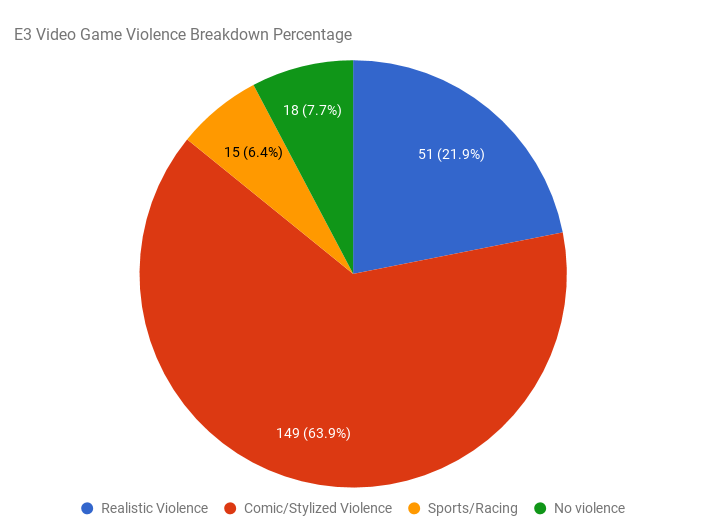

The Psychological and Cultural Concerns
The debate is not just about graphics. Psychologists and media scholars point out that realism affects emotional processing.
Key concerns raised include:
- Desensitization through repeated exposure
- Blurring of fiction and reality for younger players
- Reduced narrative distance from violent acts
While decades of research have failed to prove a direct link between violent games and real-world violence, the BBC notes that realism changes how content is experienced, even if it doesn’t change behavior.
Developers Are Questioning Their Own Limits
Interestingly, this debate is increasingly coming from within the industry itself. Developers now face ethical and creative dilemmas that didn’t exist when graphics were abstract.
Studios must ask:
- Should every technical capability be used?
- Is restraint a creative choice, not a limitation?
- Does realism serve the story or distract from it?
Some developers interviewed by the BBC argue that stylization can actually be more powerful, allowing players to engage with difficult themes without feeling overwhelmed.
Where Players Fit Into the Conversation
Player expectations are also evolving. While many gamers celebrate realism, others express fatigue with relentless intensity.
Online discussions show a growing appetite for:
- Stylized art directions
- Less graphic depictions of violence
- Games that prioritize mood over realism
This suggests that realism alone is no longer a guaranteed selling point — especially when it comes at the cost of comfort or accessibility.
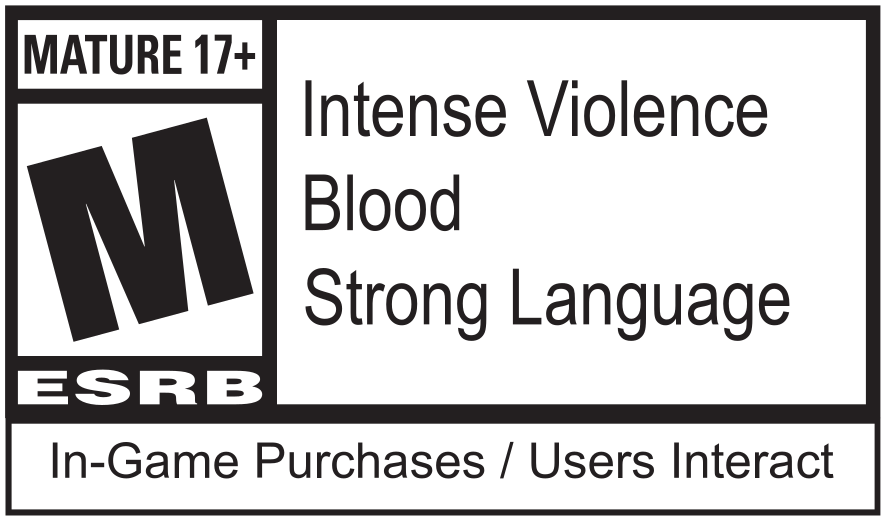
Ratings, Responsibility, and the Future of Violent Games
As realism increases, rating boards like PEGI and ESRB may face new challenges. Content that once felt cartoonish may now require stricter classification due to its lifelike presentation.
Publishers, meanwhile, must balance:
- Creative freedom
- Commercial success
- Social responsibility
GTA 6 will likely pass regulatory standards, but its reception may influence how future violent games are designed — not just visually, but philosophically.
What This Means for the Industry Going Forward
The question is no longer whether games can be realistic, but whether they should be.
As technology continues to advance, developers may increasingly choose intentional stylization, abstraction, or selective realism — using fidelity where it adds meaning and pulling back where it doesn’t.
GTA 6 stands at the crossroads of this shift, representing both the peak of technical achievement and a test case for how much realism players are willing to embrace.
Conclusion
Violent video games like Grand Theft Auto 6 are entering a new era, where realism is no longer constrained by hardware but by creative judgment. While lifelike visuals can enhance immersion, they also raise ethical, emotional, and artistic questions that the industry can no longer ignore.
As players, developers, and critics continue this conversation, one thing is clear: the future of video games will not be defined solely by realism — but by how thoughtfully it is used.
Key Highlights
- GTA 6’s realism has reignited debate about violence in games
- Advances in graphics and AI are narrowing the gap with real life
- Developers are questioning whether realism always adds value
- Player preferences are shifting toward balance, not extremes


