
At CES 2026, Dell Technologies openly acknowledged a critical shift in consumer priorities: buyers are not choosing new computers for AI features. Dell’s head of product revealed that AI-centric marketing isn’t driving PC sales — instead, traditional attributes like price, battery life, and performance remain the dominant factors. This candid admission signals a major recalibration in how PC makers should approach AI messaging amid widespread industry hype. (The Verge)
Introduction
At the biggest technology show of the year, CES 2026, Dell made a surprising confession: consumers are indifferent to AI PCs. After more than a year of industry focus on artificial intelligence as the next big selling point for computers, Dell’s blunt assessment challenges the prevailing narrative pushed by hardware makers and software giants alike.
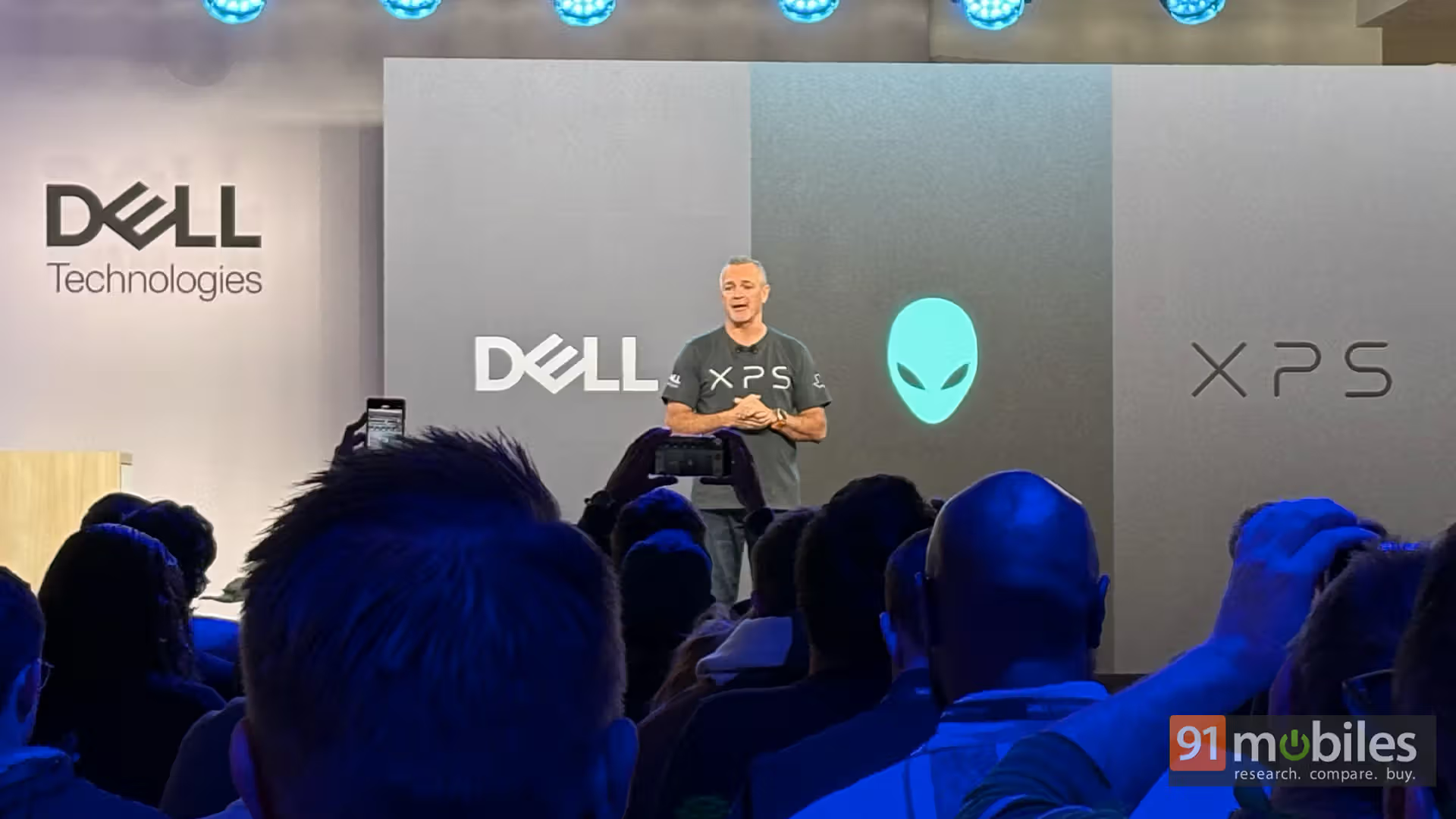
Dell’s Honest Take at CES 2026
Kevin Terwilliger, Dell’s Head of Product, stated that while every new Dell device does include dedicated AI hardware (Neural Processing Units), customers aren’t buying them for those AI capabilities. Instead, things that shoppers actually notice — like price, battery life, and everyday performance — continue to drive purchasing decisions. According to Dell, AI as a marketing hook “confuses them more than it helps.” (The Verge)
This stance marks a pivot away from Dell’s previous alignment with Microsoft’s Copilot Plus PC initiative, which tried to position AI functionality as the centerpiece of next-generation laptops. Dell now acknowledges that much of the real perceived value from those machines came from better battery life and performance improvements, not AI itself.
Why Consumers Aren’t Sold on AI PCs
1. AI Is Not a Clear Consumer Benefit Yet
Despite heavy industry hype, many AI functions on laptops are not clearly understood or experienced by average users. Local AI acceleration often runs behind the scenes and doesn’t materially change workflows for most people — leading to confusion rather than excitement. This aligns with real-world reactions showing that even tech-savvy audiences aren’t convinced local AI chips make a meaningful difference today. (Facebook)
2. Practical Hardware Specs Still Matter Most
Purchasers are still driven by traditional metrics:
- Battery life
- Price affordability
- Reliable performance
- Durability and design
These factors consistently rank higher in consumer choice models than symbolic “AI readiness” badges. Dell’s admission reinforces that people don’t choose computers because they are labeled “AI-ready” — they choose them because they perform well for everyday tasks. (LinkedIn)
3. AI Feature Launches Have Had Stumbles
Part of the weak consumer interest also stems from slow or problematic releases of AI features. For example, Microsoft’s Recall feature — a flagship move in the Copilot ecosystem — was delayed by nearly a year amid security concerns, undercutting the promise of compelling AI use cases on PCs.

Broader Industry Implications
This shift in narrative has implications far beyond Dell:
AI PC Market Forecasts vs. Reality
Analysts have forecasted major growth in AI-ready devices, with the AI PC segment expected to grow rapidly over the next decade. However, Dell’s candid assessment suggests that market demand may not yet match projected hype, indicating companies might need to rethink how they deliver and communicate AI benefits to end users. (Yahoo Finance)
A Cautionary Tale for Tech Marketing
Dell’s strategy change is reminiscent of other technology hype cycles — such as 3D TVs or the early metaverse craze — which saw companies push a feature aggressively even before consumers understood or wanted it. The lesson here is that technology must offer real, palpable value to users, rather than relying on buzzwords to drive sales. (LinkedIn)

What This Means for Dell and the PC Market
Dell isn’t abandoning AI hardware altogether — NPUs and AI acceleration still ship in new devices — but the company won’t lead its messaging with AI anymore. Instead, it will focus on tangible improvements that matter to customers today. This pragmatic shift reflects broader consumer preferences and suggests software and hardware vendors need to ground AI features in meaningful outcomes rather than abstract promises. (PC Gamer)
Conclusion
Dell’s admission that “consumers don’t care about AI PCs” is a rare instance of a major tech company acknowledging a disconnect between industry hype and consumer demand. While AI will certainly continue to shape the future of computing, its current allure as a standalone selling point is questionable. For the PC industry, the message is clear: real value — not marketing hype — wins customers.
Key Highlights
AI PC market growth projections may need recalibration.
Dell publicly confirmed that AI features aren’t driving consumer PC purchases. The Verge
Traditional factors like cost, battery life, and performance still lead buying decisions. WebProNews
Weak consumer interest challenges industry AI marketing strategies. LinkedIn


