
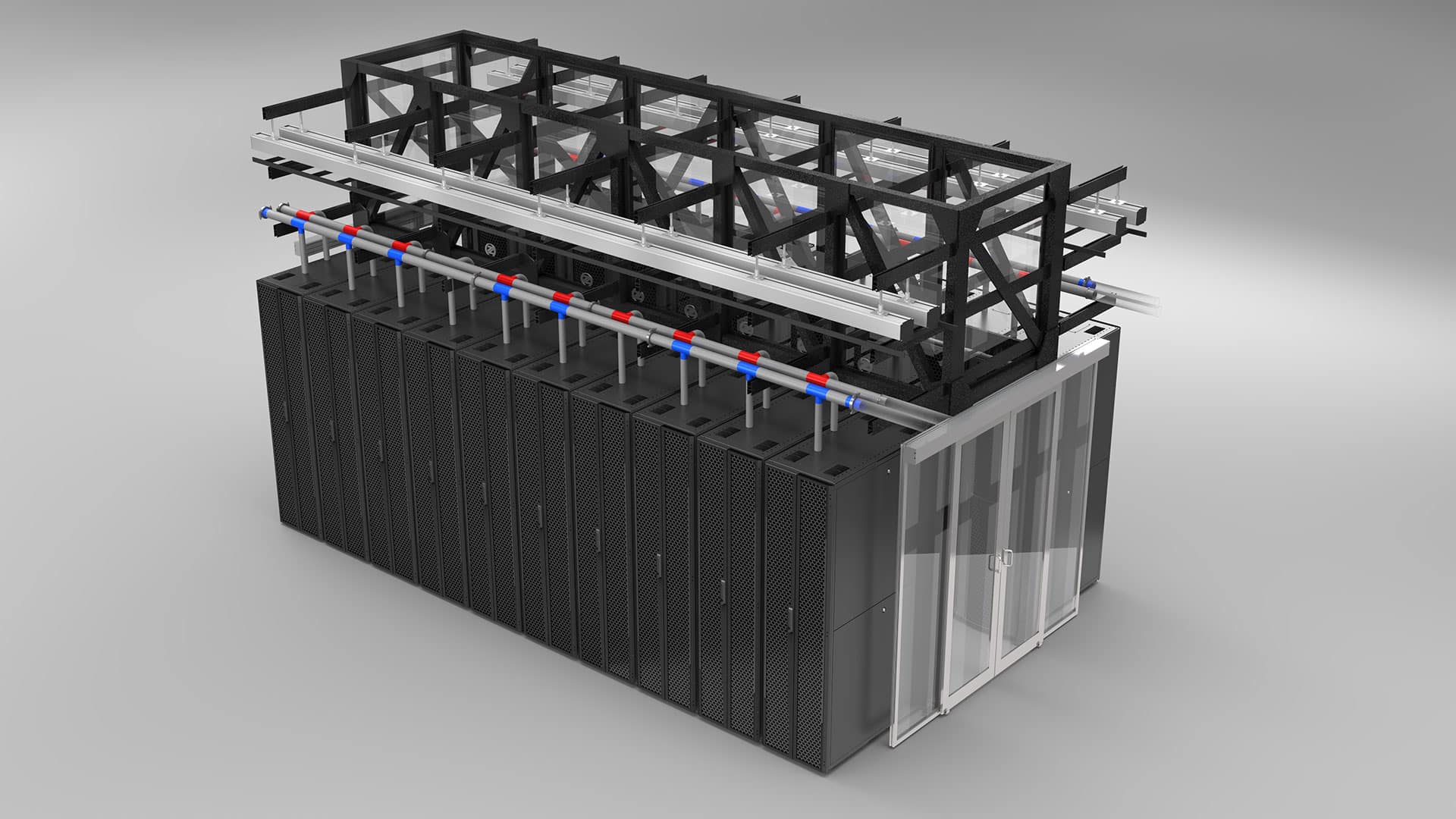
Deep inside a highly secured, temperature-controlled facility, the world’s most powerful computer operates in near-sub-zero conditions to achieve unmatched performance. According to a BBC report, extreme cooling, custom hardware, and strict physical controls are essential to keeping this supercomputer stable while it processes calculations at unprecedented scale — supporting scientific research, national security, and advanced AI development.
Introduction
Modern supercomputers no longer resemble traditional data centers. Instead, they operate in environments that feel closer to scientific laboratories than server rooms. According to a detailed report by the BBC, the world’s most powerful computer runs inside a sub-zero “lair”, where temperature control is just as critical as raw processing power.
This facility is engineered to handle enormous computational loads while preventing overheating — one of the biggest challenges in high-performance computing. The result is a machine that can solve problems far beyond the reach of conventional computers, from climate modeling to nuclear simulations.
Why the World’s Fastest Computer Needs Extreme Cold
At peak operation, the world’s most powerful supercomputer consumes vast amounts of electricity and generates intense heat. Without aggressive cooling, its processors would fail within seconds.
To prevent this, engineers rely on:
- Sub-zero ambient temperatures
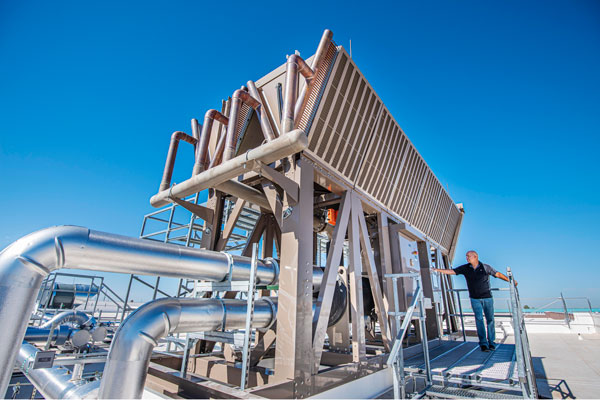
- Advanced liquid-cooling systems
- Highly controlled airflow and insulation
The BBC reports that some areas of the facility are kept so cold that special clothing is required for staff entering certain zones. This environment allows the machine to run at maximum efficiency without throttling performance.
Cooling at a Scale Unlike Anything Else
Traditional air-cooled data centers are no longer sufficient at this level. Instead, the system uses direct liquid cooling, where coolant flows close to — or directly over — the processors.
This approach offers several advantages:
- Faster heat removal than air cooling
- Lower overall energy waste
- Greater system stability during long workloads
Cooling infrastructure now represents a major portion of a supercomputer’s total design, highlighting how performance gains increasingly depend on thermal engineering rather than silicon alone.

What Makes It the World’s Most Powerful Computer
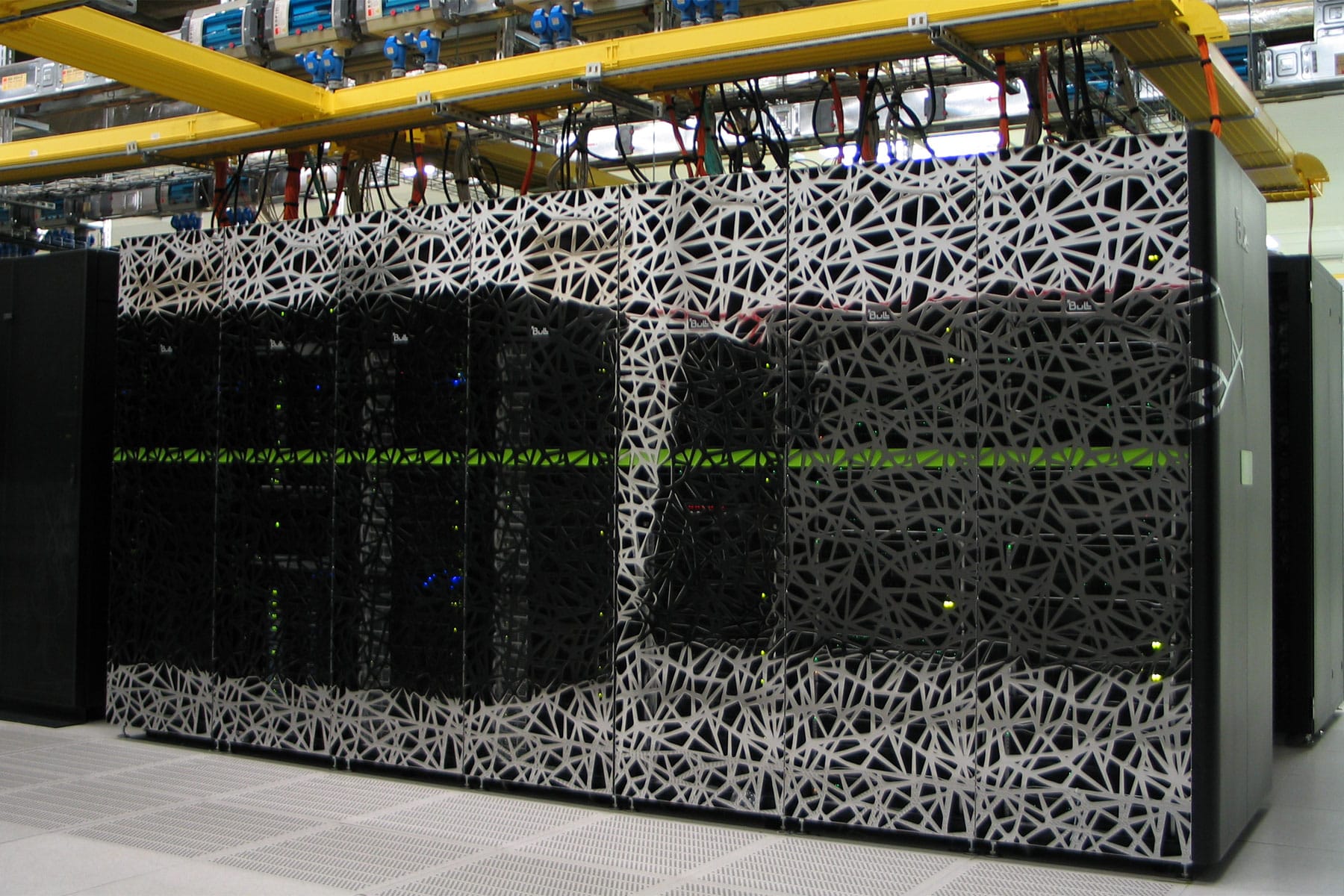
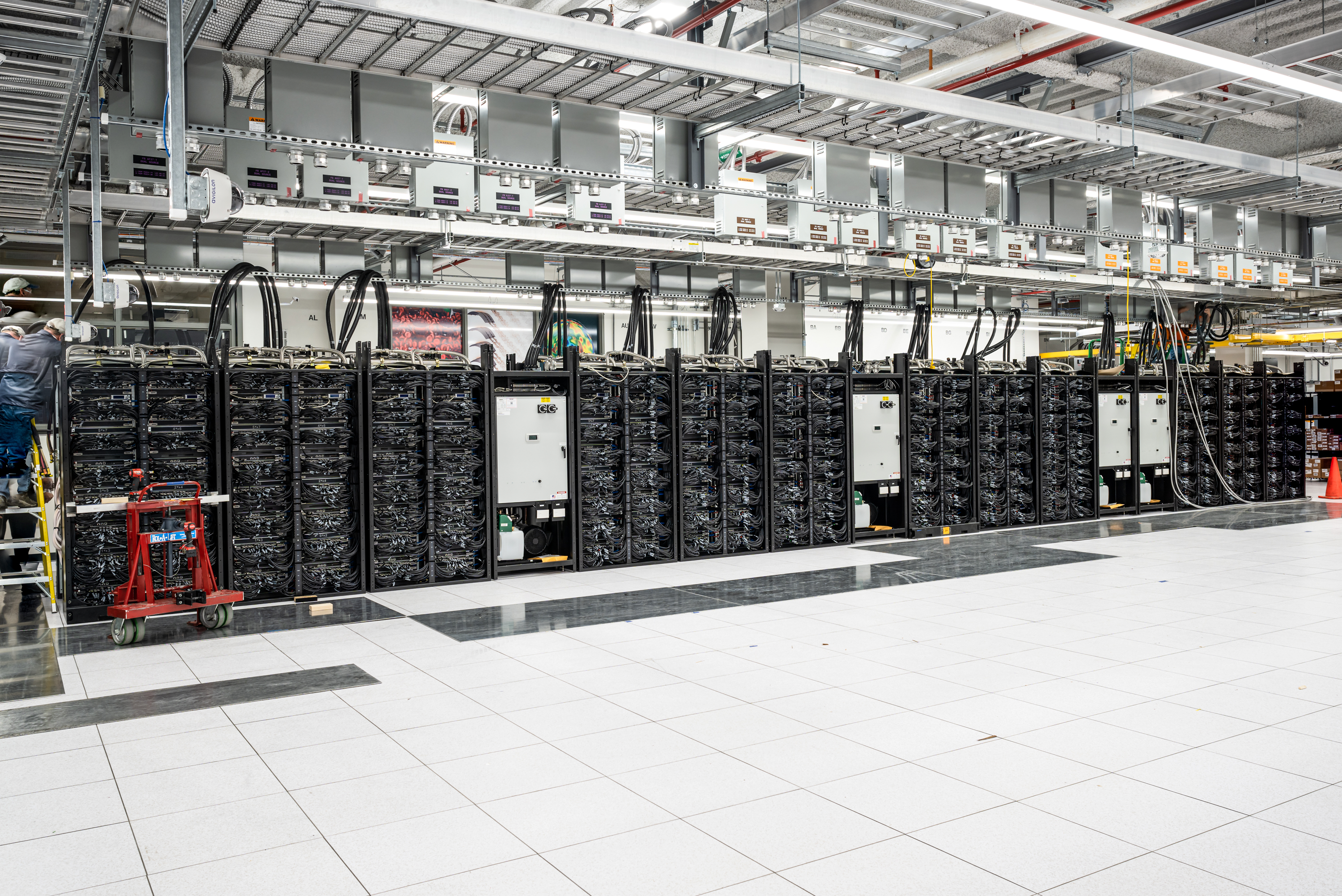
While raw processing speed is the headline metric, true supercomputing power comes from parallelism. This machine combines:
- Tens of thousands of high-performance processors
- Specialized accelerators optimized for advanced calculations
- Ultra-fast internal networking to move data with minimal delay
Together, these components allow the system to perform calculations at a scale measured in exaflops, meaning quintillions of operations per second — a benchmark only a handful of machines worldwide can approach.
What This Supercomputer Is Used For
According to the BBC, the system supports a wide range of critical workloads, including:
- Climate and weather modeling
- Materials science and physics simulations
- Advanced artificial intelligence research
- National security and defense analysis
In some cases, the supercomputer replaces physical experiments that would be too dangerous, expensive, or time-consuming to conduct in the real world.
Security and Secrecy Inside the Facility
Access to the facility is tightly controlled. Multiple layers of physical security protect both the machine and the sensitive data it processes.
Key safeguards include:
- Restricted zones with biometric access
- Continuous monitoring of personnel movement
- Segmented network architecture
This level of security reflects the importance of the computations being performed and the strategic value of the system itself.
Energy Use and Sustainability Concerns
One of the biggest challenges facing modern supercomputers is energy consumption. Machines at this scale can draw power equivalent to a small town.
To address this, engineers focus on:
- Energy-efficient processor architectures
- Heat reuse systems that redirect waste heat
- Optimization software that reduces unnecessary computation
The BBC notes that cooling efficiency is now directly tied to sustainability goals, as reducing wasted heat lowers overall power demand.
Why This Matters Beyond Supercomputing
Technologies developed for the world’s fastest computers often trickle down into consumer and enterprise products. Liquid cooling, energy-efficient chips, and advanced workload scheduling are already influencing cloud data centers and AI infrastructure worldwide.
In this sense, the sub-zero lair is not just a technological extreme — it is a testing ground for the future of computing at every level.
Conclusion
Inside its frozen, highly secured environment, the world’s most powerful computer represents the cutting edge of human engineering. Extreme cold, sophisticated cooling systems, and enormous energy flows are all part of what makes this machine possible.
As computing demands continue to rise — driven by AI, climate science, and complex simulations — facilities like this one offer a glimpse into the future. Performance no longer depends solely on faster chips, but on mastering heat, power, and physical infrastructure at unprecedented scale.
Key Highlights
- The world’s most powerful computer operates in near-sub-zero conditions
- Advanced liquid cooling is essential to prevent overheating
- The system supports scientific research, AI, and national security work
- Energy efficiency and thermal design are now central to supercomputer innovation


