
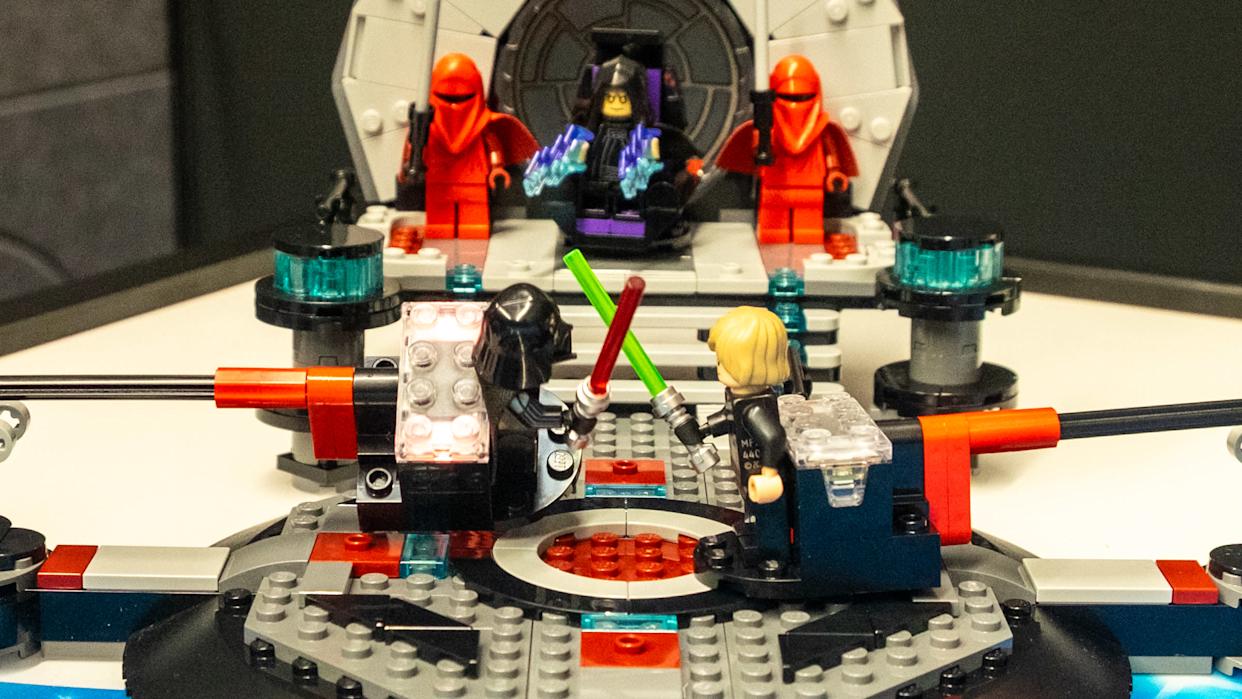
LEGO’s new Smart Play concept blends physical bricks with embedded intelligence to encourage collaborative, screen-light play. Built around a new Smart Brick system, the platform focuses on group interaction, creativity, and learning rather than solo digital experiences. Early hands-on impressions suggest LEGO is redefining how technology can enhance, not replace, traditional play.
Introduction
As concerns grow over excessive screen time and isolated digital play, LEGO is exploring a different path. At recent hands-on demonstrations, the company revealed LEGO Smart Play, a new interactive system built around Smart Brick technology that aims to bring kids back to shared, physical play experiences.
According to hands-on coverage from Engadget, Smart Play is not about turning LEGO into a video game. Instead, it uses subtle technology embedded inside bricks to guide cooperation, problem-solving, and social interaction — while keeping the focus firmly on building together.
What Is LEGO Smart Play?
LEGO Smart Play is a modular play system that combines traditional LEGO elements with digitally enhanced bricks. At the center of the experience is the Smart Brick, which contains sensors, lights, and connectivity features.
Rather than relying on constant screen interaction, Smart Play uses:
- Light signals
- Physical feedback
- Simple audio or visual cues
These elements help structure group activities while allowing children to remain focused on real-world building and collaboration.
How Smart Brick Technology Works
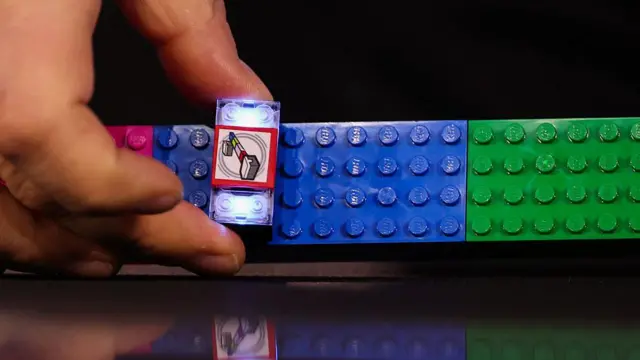
The Smart Brick acts as both a controller and a guide. When placed into a build, it can detect interactions such as:
- Brick placement
- Movement or rotation
- Proximity to other Smart Bricks
Based on these inputs, the system can trigger responses like glowing lights or progress indicators, encouraging kids to work together toward shared goals.
Importantly, the technology is designed to be supportive, not directive. There are no complex menus or required screens, reducing cognitive overload and keeping play intuitive.


Designed to Encourage Cooperative Play
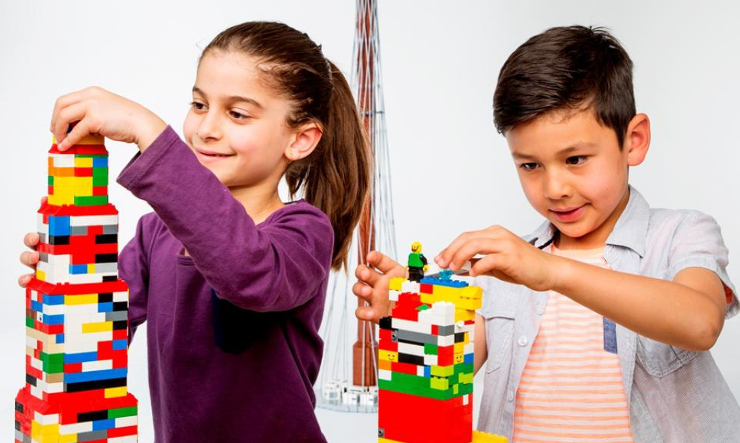
One of LEGO Smart Play’s core goals is social interaction. Many activities are intentionally structured so that no single child can complete them alone.
Examples of cooperative mechanics include:
- Tasks requiring multiple builders to activate bricks simultaneously
- Shared construction challenges with group objectives
- Feedback systems that reward teamwork rather than speed
This approach reflects LEGO’s broader research into child development, which emphasizes the importance of collaboration, communication, and shared creativity in early learning.
Balancing Technology and Traditional LEGO Values
Unlike app-heavy smart toys, Smart Play minimizes reliance on smartphones or tablets. Any companion software is positioned as optional setup or progress tracking, not the core experience.
This design choice aligns with LEGO’s long-standing philosophy:
- Physical creativity comes first
- Technology should enhance, not dominate
- Play should remain open-ended
Hands-on impressions suggest Smart Play feels more like “guided LEGO” than a tech product, preserving the tactile satisfaction that defines the brand.
Educational and Developmental Potential
From an educational perspective, Smart Play could support:
- Problem-solving through group challenges
- Early STEM concepts using cause-and-effect feedback
- Social skill development through shared goals
Educators and parents increasingly look for toys that balance fun with developmental value, and Smart Play appears tailored to meet that demand without formal lessons or rigid rules.

Who Is LEGO Smart Play For?
Based on early demonstrations, LEGO Smart Play is aimed primarily at:
- Young children in early to middle childhood
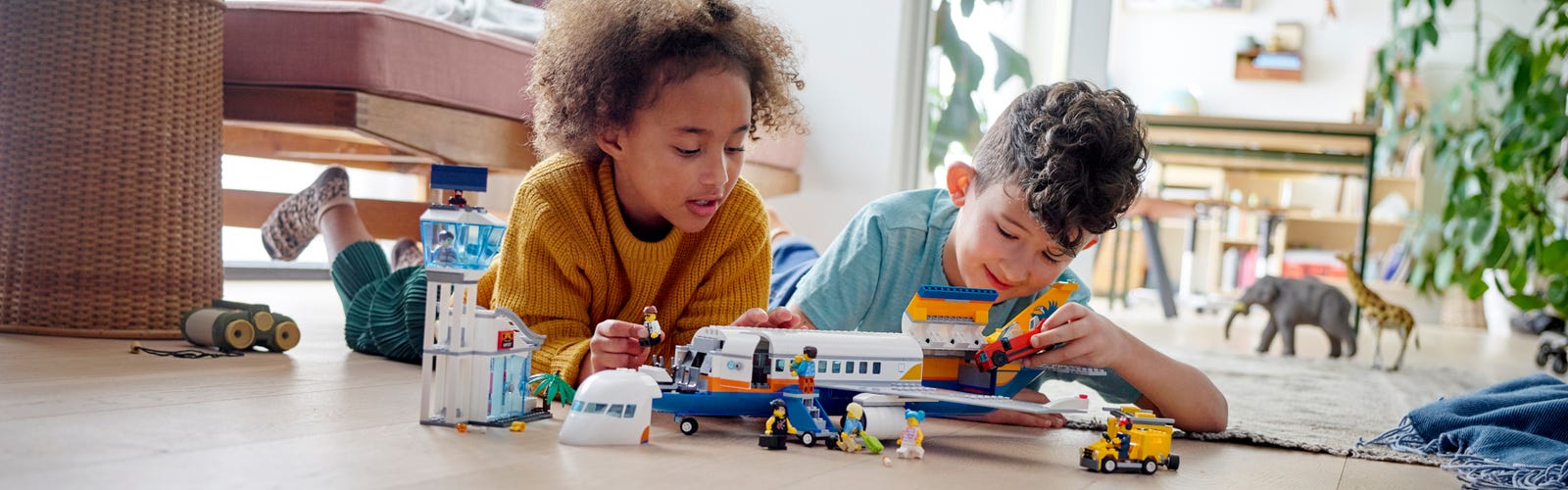
- Families seeking screen-light interactive toys
- Classrooms or group play environments
The system’s modular nature suggests it could scale in complexity, growing with a child’s abilities rather than becoming obsolete after a few months.
Open Questions and Challenges
Despite the promising concept, several questions remain unanswered:
- Pricing and availability timelines
- Durability of electronic components in everyday play
- Long-term battery and maintenance considerations
LEGO has positioned Smart Play as an exploratory platform, indicating that feedback from hands-on testing will shape any final consumer release.
How Smart Play Fits Into LEGO’s Broader Strategy
LEGO has experimented with connected play before, from robotics kits to app-integrated sets. Smart Play feels like a refinement of those ideas — stripping back complexity while keeping meaningful interactivity.
Rather than chasing trends in gaming or AR, LEGO appears focused on technology that supports human connection, especially at a time when many toys compete for attention through screens.
Conclusion
LEGO Smart Play offers a thoughtful take on interactive toys, using Smart Brick technology to bring children together rather than isolating them. Early hands-on impressions suggest a system that respects the essence of LEGO while quietly introducing modern intelligence beneath the surface.
If LEGO brings Smart Play to market, it could set a new benchmark for how physical toys and digital technology coexist — not by replacing imagination, but by encouraging kids to build, solve, and play together.
Key Highlights
- LEGO Smart Play uses Smart Brick technology to guide collaborative play
- The system prioritizes physical interaction over screen-based experiences
- Designed to support creativity, teamwork, and early learning
- Still a concept, with pricing and launch details yet to be announced


