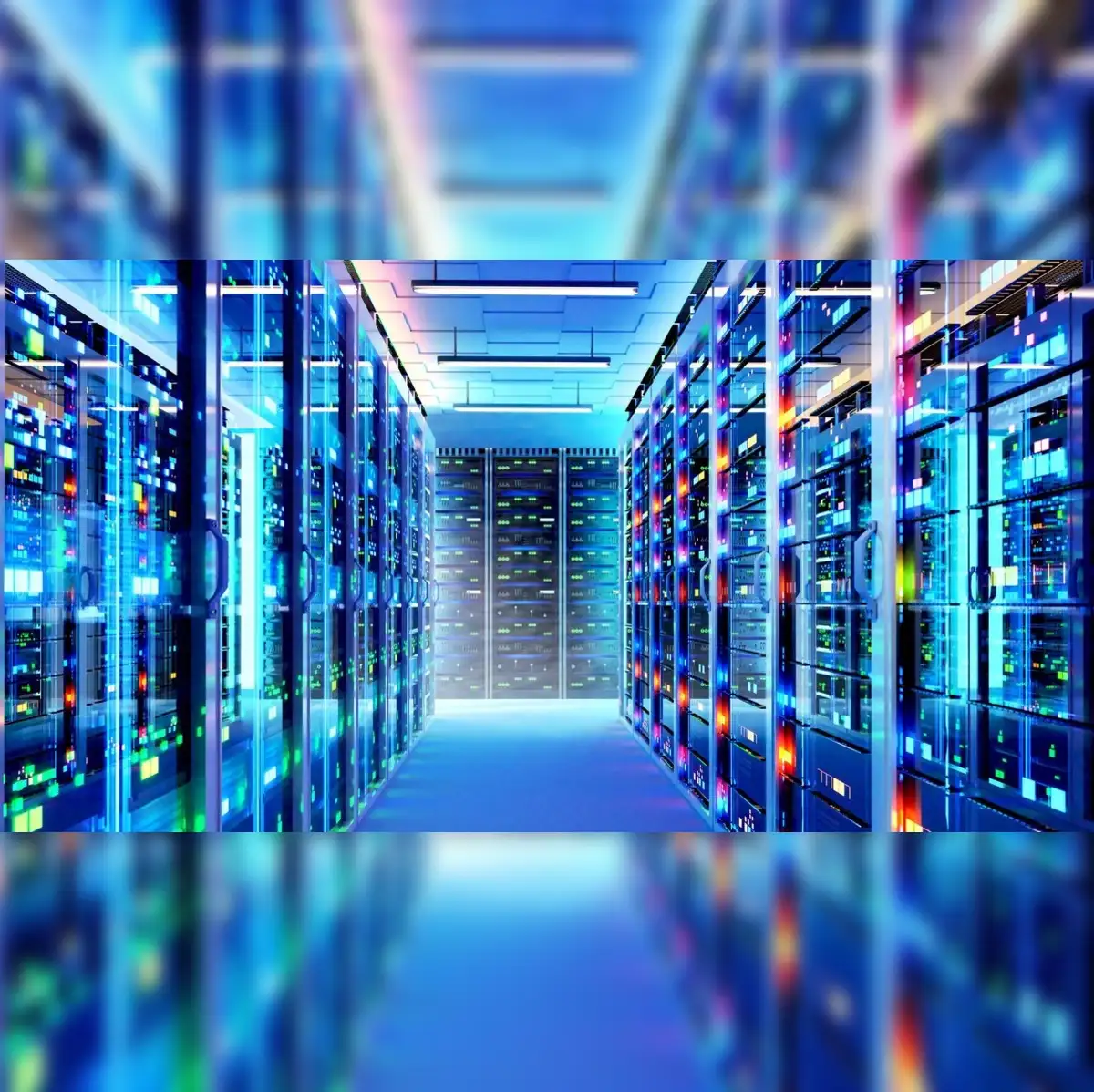
Vertiv: AI, Digital Twins, and Liquid Cooling Will Redefine the Future of Data Centers

Share via:

Vertiv expects the rapid rise of AI workloads, digital twin technology, and adaptive liquid cooling to fundamentally transform how data centers are designed, built, and operated. As power density increases and efficiency becomes critical, the company says next-generation infrastructure will require smarter power management, advanced cooling systems, and predictive software-driven operations.

Introduction

The global data center industry is entering a new phase of transformation, driven by the explosive growth of artificial intelligence and increasingly power-hungry computing workloads. According to Vertiv, the convergence of AI computing, digital twin technology, and adaptive liquid cooling is set to redefine both the physical design and day-to-day operation of data centers.

As hyperscale operators, enterprises, and colocation providers race to support AI training and inference at scale, traditional approaches to power, cooling, and monitoring are no longer sufficient. Vertiv argues that future-ready data centers must be designed as intelligent, flexible systems capable of adapting in real time to changing workloads and environmental conditions.

AI Workloads Are Redefining Power Density

Artificial intelligence has emerged as the single most disruptive force shaping modern data centers. Training large AI models and running inference at scale require dense clusters of GPUs and accelerators that consume far more power than traditional CPU-based workloads.

Vertiv notes that AI racks are now routinely exceeding power densities that were once considered extreme. This shift is forcing operators to rethink everything from rack layout to power distribution architecture.

Key changes driven by AI include:

  • Dramatically higher rack-level power densities
  • Increased strain on electrical and cooling infrastructure
  • Greater sensitivity to thermal fluctuations
  • Higher operational risk if systems are not precisely managed

As AI adoption accelerates across industries, Vertiv expects these demands to become the norm rather than the exception.

Why Traditional Cooling No Longer Scales

Air cooling has long been the foundation of data center thermal management. However, Vertiv warns that conventional air-based systems are reaching their practical limits as power densities rise.

High-density AI deployments generate concentrated heat loads that are difficult to manage efficiently with air alone. This inefficiency not only increases energy consumption but can also limit performance and reliability.

Vertiv believes this is where adaptive liquid cooling becomes essential.
Adaptive Liquid Cooling Moves Into the Mainstream

Liquid cooling is not new, but Vertiv says its role is rapidly expanding from niche deployments to a core component of next-generation data centers.

Adaptive liquid cooling systems are designed to dynamically adjust cooling output based on real-time workload and thermal conditions. This flexibility allows operators to manage extreme heat loads more efficiently while reducing wasted energy.

Benefits highlighted by Vertiv include:

  • Improved heat removal at high power densities
  • Greater energy efficiency compared to air-only systems
  • More consistent thermal performance for AI hardware
  • Reduced need for overprovisioning cooling capacity

As AI accelerators continue to evolve, Vertiv expects liquid cooling to become a standard design consideration rather than a specialized option.

Digital Twins Bring Predictive Intelligence to Data Centers

Beyond physical infrastructure, Vertiv emphasizes the growing importance of digital twin technology in data center operations.

A digital twin is a virtual model of a physical system that mirrors real-world behavior using live data. In data centers, digital twins can simulate power flows, thermal behavior, and equipment performance across the facility.

According to Vertiv, digital twins enable operators to:

  • Predict how infrastructure will respond to new workloads
  • Identify potential bottlenecks before they cause outages
  • Optimize energy efficiency through scenario modeling
  • Improve planning for expansions and retrofits

By combining digital twins with real-time monitoring, operators gain deeper visibility into complex environments that would be difficult to manage manually.

From Reactive to Predictive Operations

One of the most significant shifts Vertiv anticipates is the move from reactive maintenance to predictive and adaptive operations.

Traditional data center management often relies on thresholds and alarms that trigger responses after a problem has already emerged. With AI-scale complexity, this approach becomes increasingly risky.

Vertiv argues that digital twins and advanced analytics allow operators to anticipate issues before they escalate. For example:

  • Predicting thermal hotspots as workloads shift
  • Forecasting power demand spikes
  • Identifying equipment nearing failure
  • Testing configuration changes virtually before deployment

This predictive model reduces downtime risk and enables more confident decision-making in high-density environments.

Power Infrastructure Must Become Smarter

AI-driven data centers are not just a cooling challenge—they are also a power management challenge.

Vertiv highlights the need for smarter, more flexible power infrastructure capable of handling rapid changes in demand. AI workloads can fluctuate significantly, requiring systems that can respond without compromising stability.

Key priorities for power infrastructure include:

  • Scalable power distribution units
  • High-efficiency UPS systems
  • Integration with monitoring and control software
  • Support for modular expansion

Vertiv expects software-defined power management to play a growing role as operators seek greater control and efficiency.

Sustainability Pressures Add Complexity

Sustainability remains a central concern for the data center industry. Governments, customers, and investors are increasingly demanding reductions in energy consumption and carbon emissions.

Vertiv notes that AI workloads complicate sustainability goals by dramatically increasing energy use. However, the company argues that advanced cooling and digital twin optimization can help mitigate this impact.

Adaptive liquid cooling, in particular, can improve power usage effectiveness by targeting cooling precisely where it is needed. Digital twins further support sustainability by enabling operators to test efficiency improvements virtually before implementing them in the real world.

Design Philosophy Is Shifting

Vertiv believes these technological changes are driving a fundamental shift in data center design philosophy.

Instead of static facilities designed for predictable workloads, future data centers must be:

  • Highly modular
  • Software-driven
  • Adaptable to changing hardware generations
  • Designed with AI density in mind from day one

This approach allows operators to scale incrementally and respond more quickly to market and technology shifts.

Impact on Colocation and Enterprise Data Centers

While hyperscalers often lead technology adoption, Vertiv emphasizes that these trends will impact colocation and enterprise data centers as well.

Colocation providers must support a wide range of customer workloads, including AI deployments with extreme requirements. Enterprises adopting AI internally face similar challenges but may lack hyperscale-level resources.

Vertiv sees an opportunity for standardized, integrated solutions that lower the barrier to entry for advanced cooling and predictive operations.

Why Vertiv’s Perspective Matters

As a global provider of power, cooling, and infrastructure solutions, Vertiv occupies a central position in the data center ecosystem. Its insights reflect direct engagement with hyperscalers, cloud providers, telecom operators, and enterprises worldwide.

Vertiv’s outlook suggests that incremental upgrades will no longer be sufficient. Instead, the industry must embrace holistic, system-level design to keep pace with AI-driven change.

Challenges Ahead

Despite the promise of these technologies, challenges remain.

Operators must navigate:

  • Higher upfront costs for liquid cooling systems
  • Skills gaps related to advanced infrastructure and software
  • Integration complexity across legacy and new systems
  • Rapidly evolving AI hardware requirements

Vertiv acknowledges that adoption will be uneven, but expects momentum to build as AI becomes central to business operations.

Long-Term Implications for the Industry

Looking ahead, Vertiv expects data centers to evolve into highly intelligent, adaptive platforms rather than static facilities.

In this future:

  • Infrastructure responds dynamically to workloads
  • AI optimizes not just compute, but power and cooling
  • Digital twins become standard operational tools
  • Efficiency and reliability improve despite rising complexity

This transformation mirrors broader trends in automation and digitalization across industrial sectors.

Conclusion

Vertiv’s outlook underscores a pivotal moment for the data center industry. AI workloads, digital twins, and adaptive liquid cooling are not isolated trends—they are interconnected forces reshaping how data centers are designed and operated.

As power density climbs and sustainability pressures intensify, operators will need smarter infrastructure, deeper visibility, and greater flexibility. Vertiv argues that those who invest early in predictive, software-driven systems will be best positioned to meet the demands of an AI-driven future.

The message is clear: the next generation of data centers will not just host AI—they will be built around it.

Key Highlights

  • Vertiv expects AI to drive major changes in data center design
  • Adaptive liquid cooling becomes critical for high-density workloads
  • Digital twins enable predictive and optimized operations
  • Power infrastructure must become more flexible and intelligent
  • Sustainability and efficiency remain central challenges

Disclaimer

We strive to uphold the highest ethical standards in all of our reporting and coverage. We StartupNews.fyi want to be transparent with our readers about any potential conflicts of interest that may arise in our work. It’s possible that some of the investors we feature may have connections to other businesses, including competitors or companies we write about. However, we want to assure our readers that this will not have any impact on the integrity or impartiality of our reporting. We are committed to delivering accurate, unbiased news and information to our audience, and we will continue to uphold our ethics and principles in all of our work. Thank you for your trust and support.

Popular

More Like this

Vertiv: AI, Digital Twins, and Liquid Cooling Will Redefine the Future of Data Centers

Vertiv expects the rapid rise of AI workloads, digital twin technology, and adaptive liquid cooling to fundamentally transform how data centers are designed, built, and operated. As power density increases and efficiency becomes critical, the company says next-generation infrastructure will require smarter power management, advanced cooling systems, and predictive software-driven operations.

Introduction

The global data center industry is entering a new phase of transformation, driven by the explosive growth of artificial intelligence and increasingly power-hungry computing workloads. According to Vertiv, the convergence of AI computing, digital twin technology, and adaptive liquid cooling is set to redefine both the physical design and day-to-day operation of data centers.

As hyperscale operators, enterprises, and colocation providers race to support AI training and inference at scale, traditional approaches to power, cooling, and monitoring are no longer sufficient. Vertiv argues that future-ready data centers must be designed as intelligent, flexible systems capable of adapting in real time to changing workloads and environmental conditions.

AI Workloads Are Redefining Power Density

Artificial intelligence has emerged as the single most disruptive force shaping modern data centers. Training large AI models and running inference at scale require dense clusters of GPUs and accelerators that consume far more power than traditional CPU-based workloads.

Vertiv notes that AI racks are now routinely exceeding power densities that were once considered extreme. This shift is forcing operators to rethink everything from rack layout to power distribution architecture.

Key changes driven by AI include:

  • Dramatically higher rack-level power densities
  • Increased strain on electrical and cooling infrastructure
  • Greater sensitivity to thermal fluctuations
  • Higher operational risk if systems are not precisely managed

As AI adoption accelerates across industries, Vertiv expects these demands to become the norm rather than the exception.

Why Traditional Cooling No Longer Scales

Air cooling has long been the foundation of data center thermal management. However, Vertiv warns that conventional air-based systems are reaching their practical limits as power densities rise.

High-density AI deployments generate concentrated heat loads that are difficult to manage efficiently with air alone. This inefficiency not only increases energy consumption but can also limit performance and reliability.

Vertiv believes this is where adaptive liquid cooling becomes essential.

Adaptive Liquid Cooling Moves Into the Mainstream

Liquid cooling is not new, but Vertiv says its role is rapidly expanding from niche deployments to a core component of next-generation data centers.

Adaptive liquid cooling systems are designed to dynamically adjust cooling output based on real-time workload and thermal conditions. This flexibility allows operators to manage extreme heat loads more efficiently while reducing wasted energy.

Benefits highlighted by Vertiv include:

  • Improved heat removal at high power densities
  • Greater energy efficiency compared to air-only systems
  • More consistent thermal performance for AI hardware
  • Reduced need for overprovisioning cooling capacity

As AI accelerators continue to evolve, Vertiv expects liquid cooling to become a standard design consideration rather than a specialized option.

Digital Twins Bring Predictive Intelligence to Data Centers

Beyond physical infrastructure, Vertiv emphasizes the growing importance of digital twin technology in data center operations.

A digital twin is a virtual model of a physical system that mirrors real-world behavior using live data. In data centers, digital twins can simulate power flows, thermal behavior, and equipment performance across the facility.

According to Vertiv, digital twins enable operators to:

  • Predict how infrastructure will respond to new workloads
  • Identify potential bottlenecks before they cause outages
  • Optimize energy efficiency through scenario modeling
  • Improve planning for expansions and retrofits

By combining digital twins with real-time monitoring, operators gain deeper visibility into complex environments that would be difficult to manage manually.

From Reactive to Predictive Operations

One of the most significant shifts Vertiv anticipates is the move from reactive maintenance to predictive and adaptive operations.

Traditional data center management often relies on thresholds and alarms that trigger responses after a problem has already emerged. With AI-scale complexity, this approach becomes increasingly risky.

Vertiv argues that digital twins and advanced analytics allow operators to anticipate issues before they escalate. For example:

  • Predicting thermal hotspots as workloads shift
  • Forecasting power demand spikes
  • Identifying equipment nearing failure
  • Testing configuration changes virtually before deployment

This predictive model reduces downtime risk and enables more confident decision-making in high-density environments.

Power Infrastructure Must Become Smarter

AI-driven data centers are not just a cooling challenge—they are also a power management challenge.

Vertiv highlights the need for smarter, more flexible power infrastructure capable of handling rapid changes in demand. AI workloads can fluctuate significantly, requiring systems that can respond without compromising stability.

Key priorities for power infrastructure include:

  • Scalable power distribution units
  • High-efficiency UPS systems
  • Integration with monitoring and control software
  • Support for modular expansion

Vertiv expects software-defined power management to play a growing role as operators seek greater control and efficiency.

Sustainability Pressures Add Complexity

Sustainability remains a central concern for the data center industry. Governments, customers, and investors are increasingly demanding reductions in energy consumption and carbon emissions.

Vertiv notes that AI workloads complicate sustainability goals by dramatically increasing energy use. However, the company argues that advanced cooling and digital twin optimization can help mitigate this impact.

Adaptive liquid cooling, in particular, can improve power usage effectiveness by targeting cooling precisely where it is needed. Digital twins further support sustainability by enabling operators to test efficiency improvements virtually before implementing them in the real world.

Design Philosophy Is Shifting

Vertiv believes these technological changes are driving a fundamental shift in data center design philosophy.

Instead of static facilities designed for predictable workloads, future data centers must be:

  • Highly modular
  • Software-driven
  • Adaptable to changing hardware generations
  • Designed with AI density in mind from day one

This approach allows operators to scale incrementally and respond more quickly to market and technology shifts.

Impact on Colocation and Enterprise Data Centers

While hyperscalers often lead technology adoption, Vertiv emphasizes that these trends will impact colocation and enterprise data centers as well.

Colocation providers must support a wide range of customer workloads, including AI deployments with extreme requirements. Enterprises adopting AI internally face similar challenges but may lack hyperscale-level resources.

Vertiv sees an opportunity for standardized, integrated solutions that lower the barrier to entry for advanced cooling and predictive operations.

Why Vertiv’s Perspective Matters

As a global provider of power, cooling, and infrastructure solutions, Vertiv occupies a central position in the data center ecosystem. Its insights reflect direct engagement with hyperscalers, cloud providers, telecom operators, and enterprises worldwide.

Vertiv’s outlook suggests that incremental upgrades will no longer be sufficient. Instead, the industry must embrace holistic, system-level design to keep pace with AI-driven change.

Challenges Ahead

Despite the promise of these technologies, challenges remain.

Operators must navigate:

  • Higher upfront costs for liquid cooling systems
  • Skills gaps related to advanced infrastructure and software
  • Integration complexity across legacy and new systems
  • Rapidly evolving AI hardware requirements

Vertiv acknowledges that adoption will be uneven, but expects momentum to build as AI becomes central to business operations.

Long-Term Implications for the Industry

Looking ahead, Vertiv expects data centers to evolve into highly intelligent, adaptive platforms rather than static facilities.

In this future:

  • Infrastructure responds dynamically to workloads
  • AI optimizes not just compute, but power and cooling
  • Digital twins become standard operational tools
  • Efficiency and reliability improve despite rising complexity

This transformation mirrors broader trends in automation and digitalization across industrial sectors.

Conclusion

Vertiv’s outlook underscores a pivotal moment for the data center industry. AI workloads, digital twins, and adaptive liquid cooling are not isolated trends—they are interconnected forces reshaping how data centers are designed and operated.

As power density climbs and sustainability pressures intensify, operators will need smarter infrastructure, deeper visibility, and greater flexibility. Vertiv argues that those who invest early in predictive, software-driven systems will be best positioned to meet the demands of an AI-driven future.

The message is clear: the next generation of data centers will not just host AI—they will be built around it.

Key Highlights

  • Vertiv expects AI to drive major changes in data center design
  • Adaptive liquid cooling becomes critical for high-density workloads
  • Digital twins enable predictive and optimized operations
  • Power infrastructure must become more flexible and intelligent
  • Sustainability and efficiency remain central challenges

Disclaimer

We strive to uphold the highest ethical standards in all of our reporting and coverage. We StartupNews.fyi want to be transparent with our readers about any potential conflicts of interest that may arise in our work. It’s possible that some of the investors we feature may have connections to other businesses, including competitors or companies we write about. However, we want to assure our readers that this will not have any impact on the integrity or impartiality of our reporting. We are committed to delivering accurate, unbiased news and information to our audience, and we will continue to uphold our ethics and principles in all of our work. Thank you for your trust and support.

Website Upgradation is going on for any glitch kindly connect at office@startupnews.fyi

More like this

Apple iPhone 18 Pro, Pro Max could arrive with...

Apple’s next wave of flagship iPhones may still...

funding revival, profitable models, and consolidation

Once viewed as one of the most promising...

Popular

iptv iptv iptv iptv iptv iptv iptv iptv iptv iptv iptv iptv iptv iptv iptv iptv iptv iptv iptv iptv iptv iptv iptv iptv melhor iptv portugal lista melhor iptv portugal lista melhor iptv portugal lista melhor iptv portugal lista melhor iptv portugal lista melhor iptv portugal lista melhor iptv portugal lista melhor iptv portugal lista melhor iptv portugal lista melhor iptv portugal lista melhor iptv portugal lista melhor iptv portugal lista melhor iptv portugal lista melhor iptv portugal lista melhor iptv portugal lista melhor iptv portugal lista melhor iptv portugal lista melhor iptv portugal lista melhor iptv portugal lista melhor iptv portugal lista melhor iptv portugal lista melhor iptv portugal lista melhor iptv portugal lista melhor iptv portugal lista melhor iptv portugal lista melhor iptv portugal lista melhor iptv portugal lista melhor iptv portugal lista melhor iptv portugal lista melhor iptv portugal lista melhor iptv portugal lista melhor iptv portugal lista melhor iptv portugal lista melhor iptv portugal lista melhor iptv portugal lista melhor iptv portugal lista melhor iptv portugal lista melhor iptv portugal lista melhor iptv portugal lista melhor iptv portugal lista melhor iptv portugal lista melhor iptv portugal lista melhor iptv portugal lista melhor iptv portugal lista melhor iptv portugal lista melhor iptv portugal lista melhor iptv portugal lista melhor iptv portugal lista melhor iptv portugal lista melhor iptv portugal lista melhor iptv portugal lista melhor iptv portugal lista melhor iptv portugal lista melhor iptv portugal lista melhor iptv portugal lista melhor iptv portugal lista melhor iptv portugal lista melhor iptv portugal lista melhor iptv portugal lista melhor iptv portugal lista melhor iptv portugal lista melhor iptv portugal lista melhor iptv portugal lista melhor iptv portugal lista melhor iptv portugal lista melhor iptv portugal lista best iptv best iptv best iptv best iptv best iptv best iptv best iptv best iptv best iptv best iptv best iptv best iptv best iptv best iptv best iptv best iptv best iptv best iptv best iptv best iptv best iptv best iptv best iptv best iptv best iptv best iptv best iptv best iptv best iptv best iptv best iptv best iptv best iptv best iptv best iptv best iptv best iptv best iptv best iptv best iptv best iptv best iptv best iptv best iptv best iptv best iptv best iptv best iptv best iptv best iptv best iptv best iptv best iptv best iptv best iptv best iptv best iptv best iptv best iptv best iptv best iptv best iptv best iptv best iptv best iptv best iptv best iptv best iptv best iptv best iptv best iptv best iptv best iptv best iptv best iptv best iptv best iptv best iptv best iptv best iptv best iptv best iptv best iptv best iptv best iptv best iptv best iptv best iptv best iptv best iptv best iptv best iptv best iptv best iptv best iptv best iptv best iptv best iptv best iptv best iptv best iptv best iptv best iptv best iptv best iptv best iptv best iptv best iptv best iptv best iptv best iptv best iptv best iptv best iptv best iptv best iptv best iptv best iptv best iptv best iptv best iptv best iptv best iptv best iptv best iptv best iptv best iptv best iptv best iptv best iptv best iptv best iptv best iptv best iptv best iptv best iptv best iptv best iptv best iptv best iptv best iptv best iptv best iptv best iptv best iptv best iptv best iptv best iptv best iptv best iptv best iptv best iptv best iptv best iptv best iptv best iptv best iptv best iptv best iptv best iptv best iptv best iptv best iptv best iptv best iptv best iptv best iptv best iptv best iptv best iptv best iptv best iptv best iptv best iptv best iptv best iptv best iptv best iptv best iptv best iptv best iptv best iptv best iptv best iptv best iptv best iptv best iptv best iptv best iptv best iptv best iptv best iptv best iptv best iptv best iptv best iptv best iptv best iptv best iptv iptv iptv iptv iptv iptv iptv iptv iptv iptv iptv iptv iptv iptv portugal iptv portugal iptv portugal iptv portugal iptv portugal iptv portugal iptv portugal iptv portugal iptv portugal iptv portugal iptv portugal iptv portugal iptv iptv iptv iptv iptv iptv iptv iptv iptv iptv iptv iptv
