
CES 2026 unfolded against a backdrop of rising memory prices and constrained storage supply, often described as a looming “RAM and storage apocalypse.” Yet instead of retreating, the PC industry responded with innovation. From higher-density memory modules and next-gen SSD controllers to smarter caching and AI-optimized architectures, manufacturers showcased how they plan to deliver performance gains despite tighter resources and higher costs.
Introduction
The PC hardware industry arrived at CES 2026 facing one of its most complex challenges in years. Memory prices are rising, storage components are becoming more expensive, and demand from artificial intelligence workloads continues to strain global supply chains. Industry analysts have described the situation as a RAM and storage apocalypse—a convergence of cost pressure, limited capacity, and unprecedented demand.
Yet CES 2026 proved that crisis often breeds creativity. Instead of simply waiting for prices to stabilize, hardware makers unveiled new approaches to memory efficiency, storage performance, and system architecture. The result was a show defined not by scarcity alone, but by adaptation and innovation.
Drawing on coverage from Tom’s Hardware, TechRadar, AnandTech, and CNET, this article explores the best PC component innovations of CES 2026 and how they are reshaping computing in an era of constrained resources.
Why RAM and Storage Are Under Pressure in 2026
The Perfect Storm
The memory and storage crunch did not emerge overnight. Several forces converged to create today’s pressure:
- Explosive growth in AI and machine learning workloads
- Data center expansion consuming high-end memory and SSDs
- Rising manufacturing costs at advanced process nodes
- Supply discipline by memory manufacturers to protect margins
At the same time, consumers expect PCs to deliver better performance year after year, even as component costs rise.
Memory Innovation Takes Center Stage

DDR5 Matures, Density Increases
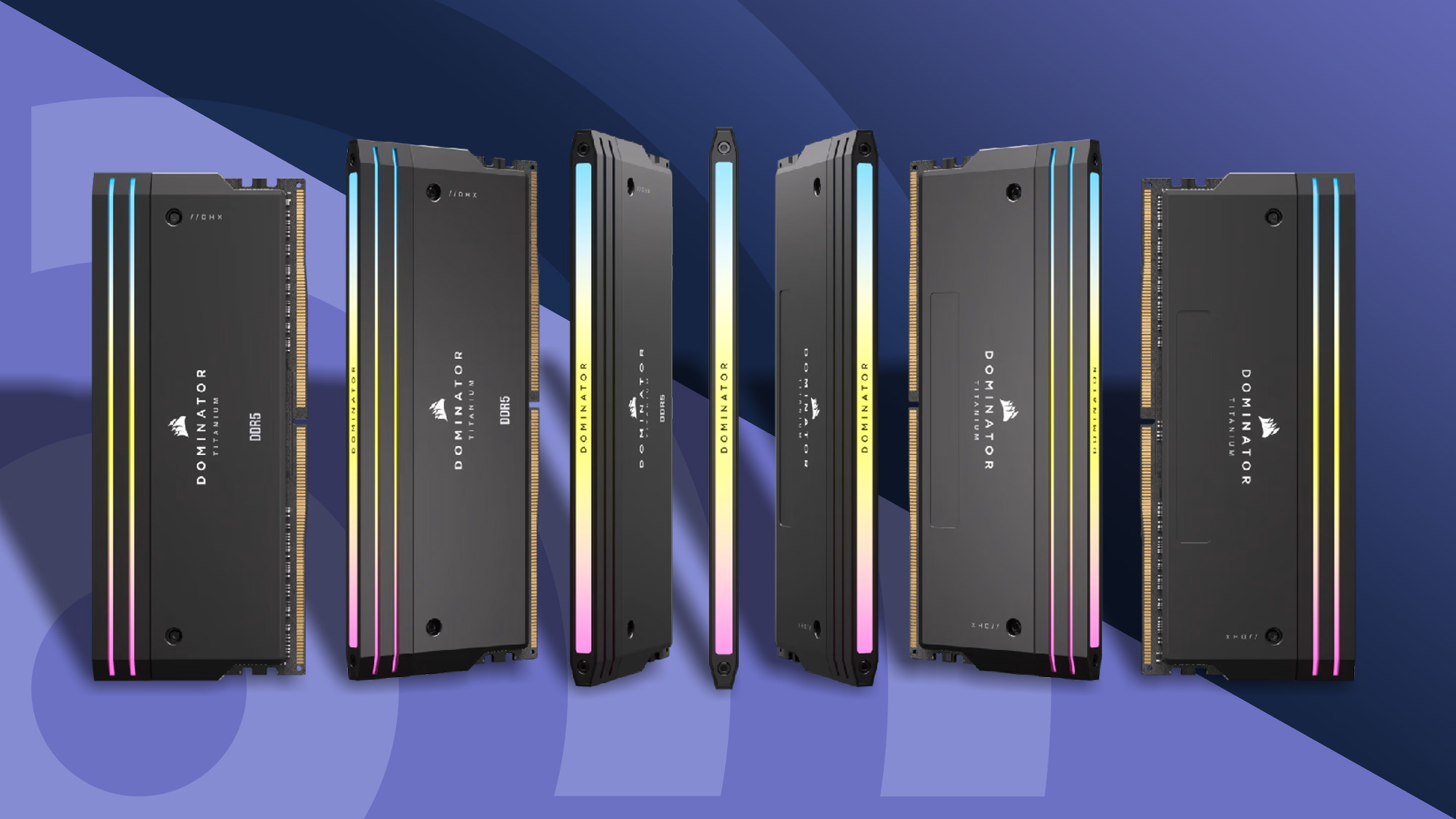
Memory makers at CES 2026 focused less on raw frequency jumps and more on capacity per module.
Key trends included:
- Higher-density DDR5 DIMMs
- Improved power efficiency
- Better thermal management for compact systems
Manufacturers demonstrated memory kits designed to deliver more usable capacity without significantly increasing motherboard footprint.
CAMM and New Memory Form Factors
One of the most discussed innovations was the continued push toward Compression Attached Memory Modules (CAMM).
Advantages showcased at CES 2026 included:
- Higher memory density in thinner devices
- Improved signal integrity
- Easier upgrades compared to soldered memory
CAMM solutions are especially appealing for laptops and small form-factor PCs, where traditional SO-DIMMs face physical limits.
Storage Innovation Under Constraint
PCIe 5.0 SSDs Push Efficiency, Not Just Speed
While PCIe 5.0 SSDs remain expensive, CES 2026 revealed a shift in focus.
Instead of headline-grabbing peak speeds, manufacturers emphasized:
- Better sustained performance
- Lower power consumption
- Improved endurance
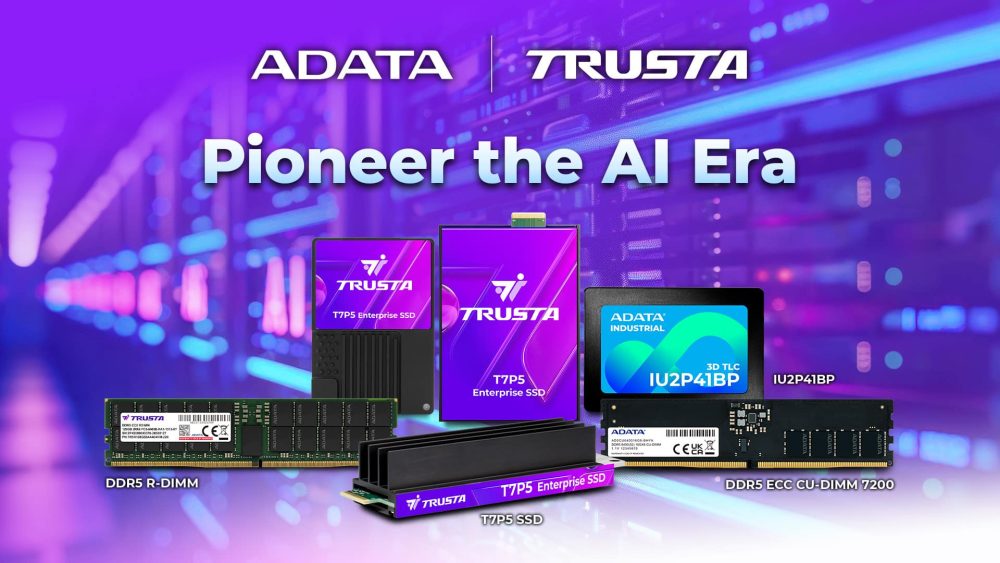
New controllers showcased smarter caching algorithms and thermal-aware throttling to maintain consistent performance in real-world workloads.
Higher-Capacity Drives Become Strategic
As NAND prices rise, storage vendors are prioritizing larger-capacity SSDs aimed at reducing cost per gigabyte over time.
Key developments included:
- Consumer SSDs exceeding previous capacity ceilings
- Enterprise drives optimized for AI and cloud workloads
- More efficient use of NAND layers
This strategy allows manufacturers to offer better value without relying solely on price cuts.
AI Is Driving Memory and Storage Design
Hardware for AI, Not Just Gaming
Artificial intelligence workloads dominated conversations around memory and storage at CES 2026.
AI demands:
- Large memory pools
- Fast, low-latency access
- High endurance storage
Component makers responded by optimizing designs for AI inference and training, even in consumer and prosumer PCs.
Smarter Caching and Tiered Storage
Several vendors demonstrated systems that dynamically manage data between:
- High-speed RAM
- Fast SSDs
- Slower mass storage
By intelligently moving data based on workload, these systems reduce the need for massive amounts of expensive memory.
Motherboards and Platforms Adapt
Platform-Level Optimization
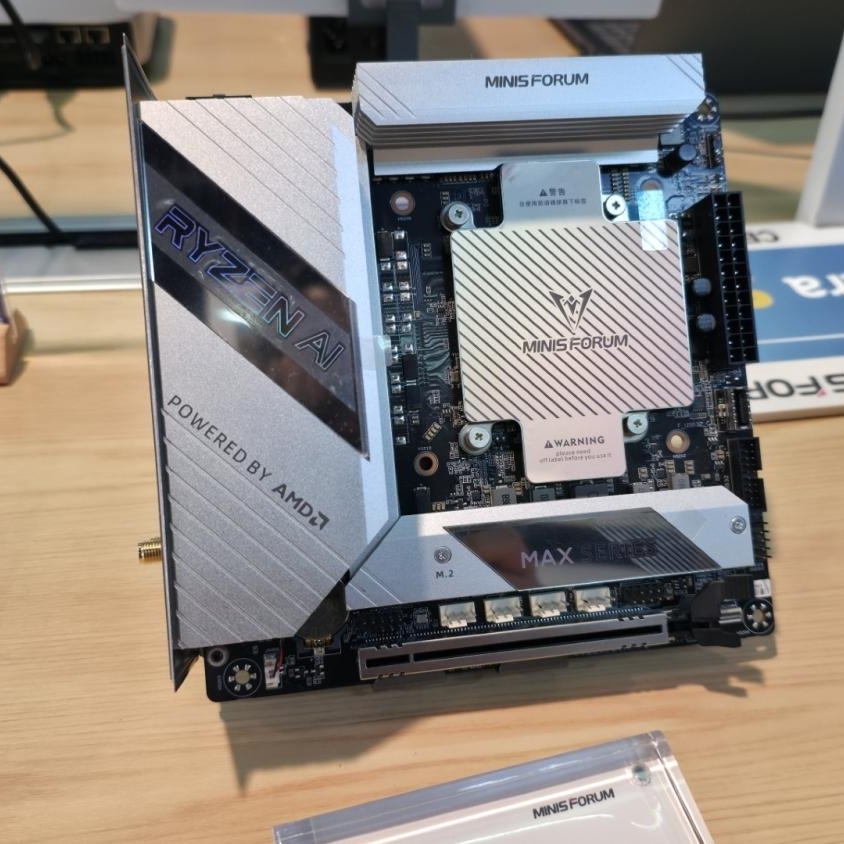
Motherboard manufacturers played a key role in addressing the memory crunch.
Innovations included:
- Improved power delivery for dense memory configurations
- Enhanced BIOS-level memory tuning
- Support for higher-capacity modules
These improvements help users extract more performance from limited resources.
Laptops and Small PCs Feel the Pressure Most
Thin Devices, Big Demands
Laptops face unique challenges:
- Limited physical space
- Thermal constraints
- Soldered memory in many designs
CES 2026 showcased efforts to balance these constraints through:
- More efficient memory layouts
- Smarter storage allocation
- Software-assisted memory management
These approaches aim to deliver responsiveness without requiring massive hardware upgrades.
The Role of Major Chipmakers
Strategic Positioning
Major semiconductor players used CES 2026 to signal long-term strategies.
While they acknowledged ongoing supply challenges, messaging emphasized:
- Gradual capacity expansion
- Focus on premium segments
- Investment in next-gen memory technologies
The tone suggested that cheap memory is unlikely to return soon, reinforcing the need for efficiency-focused design.
Gaming PCs: Performance Without Excess
Doing More With Less
Gaming remains a key driver of PC hardware demand, but CES 2026 reflected a more restrained approach.
Instead of encouraging ever-larger RAM capacities, vendors emphasized:
- Faster load times through optimized storage
- Better memory utilization
- Platform-level performance tuning
This approach acknowledges cost realities while maintaining high-end gaming experiences.
Enterprise Lessons Trickling Down
Data Center Strategies for Consumers
Many innovations showcased at CES 2026 originated in enterprise environments.
Examples include:
- Tiered memory architectures
- Software-defined storage concepts
- Predictive caching algorithms
As enterprise techniques move into consumer PCs, users benefit from efficiency-driven performance gains
Sustainability and Cost Efficiency
Less Waste, More Value
Rising component costs have also increased focus on sustainability.
Trends included:
- Longer product lifecycles
- Upgradable designs
- Reduced reliance on overprovisioning
By making better use of existing resources, manufacturers aim to reduce waste and extend system longevity.
What This Means for PC Buyers in 2026
Smarter Choices Matter More Than Ever
For consumers, the RAM and storage crunch means:
- Upfront configuration decisions are more important
- Overbuying “just in case” is less practical
- System balance matters more than raw specs
CES 2026 reinforced the idea that intelligent design can offset hardware constraints.
Industry Outlook: Is Relief Coming?
Gradual, Not Immediate
Analysts expect:
- Memory prices to remain elevated through much of 2026
- Storage costs to stabilize slowly
- AI demand to continue absorbing supply
This suggests that innovation under constraint will remain the industry norm for the foreseeable future.
Why CES 2026 Stands Out
CES 2026 will be remembered not for abundance, but for adaptation.
Rather than showcasing excess, the industry focused on:
- Efficiency
- Optimization
- Smarter architectures
These themes reflect a more mature PC ecosystem responding to real-world limitations.
The Bigger Picture
From Brute Force to Intelligence
The RAM and storage apocalypse has forced a philosophical shift:
- From brute-force hardware scaling
- Toward intelligent system design
This shift may ultimately benefit users by delivering more consistent, efficient computing experiences.
Conclusion
The best of CES 2026 shows that even amid rising memory and storage costs, innovation is far from stalled. By rethinking how RAM and SSDs are designed, deployed, and managed, the PC industry is finding ways to deliver meaningful performance gains without relying on cheap abundance.
From higher-density memory and smarter storage controllers to AI-driven optimization and platform-level efficiency, CES 2026 highlighted a new era of computing—one defined by doing more with less.


