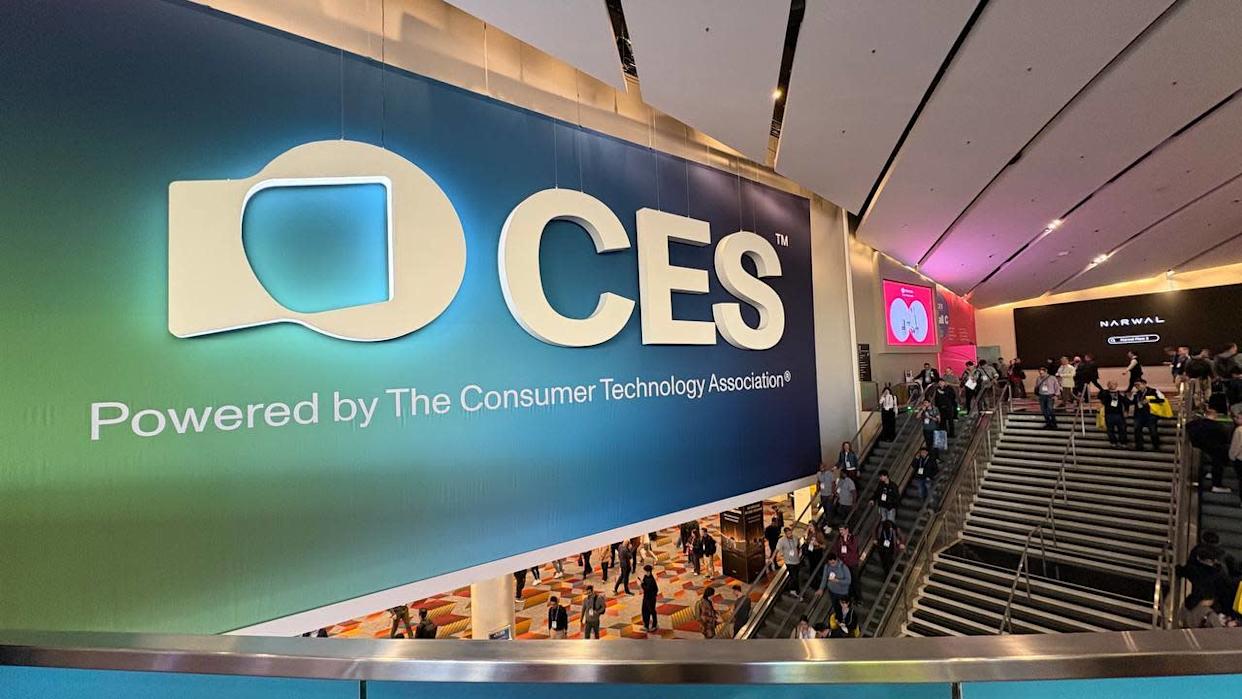
CES 2026 delivered major updates across televisions, laptops, AI-powered devices, and experimental gadgets. From next-generation display tech to smarter PCs and unconventional hardware concepts, the world’s biggest tech show offered a clear glimpse into where consumer electronics are heading next.
Introduction
The annual Consumer Electronics Show once again turned Las Vegas into a global showcase of future-facing technology. CES 2026 may not have been dominated by a single headline-grabbing product, but it revealed several important shifts across TVs, laptops, and emerging gadget categories that could shape consumer tech over the next few years.
While many announcements flew under the radar amid the noise of press conferences and booth demos, a closer look reveals seven standout trends and product stories that matter most. These developments highlight how manufacturers are rethinking displays, personal computing, artificial intelligence, and even what qualifies as a “useful” gadget.
Here’s a comprehensive breakdown of the seven biggest CES 2026 stories you may have missed.
1. TVs Took Another Step Toward Display Perfection
Brighter, Smarter, and More Efficient Panels
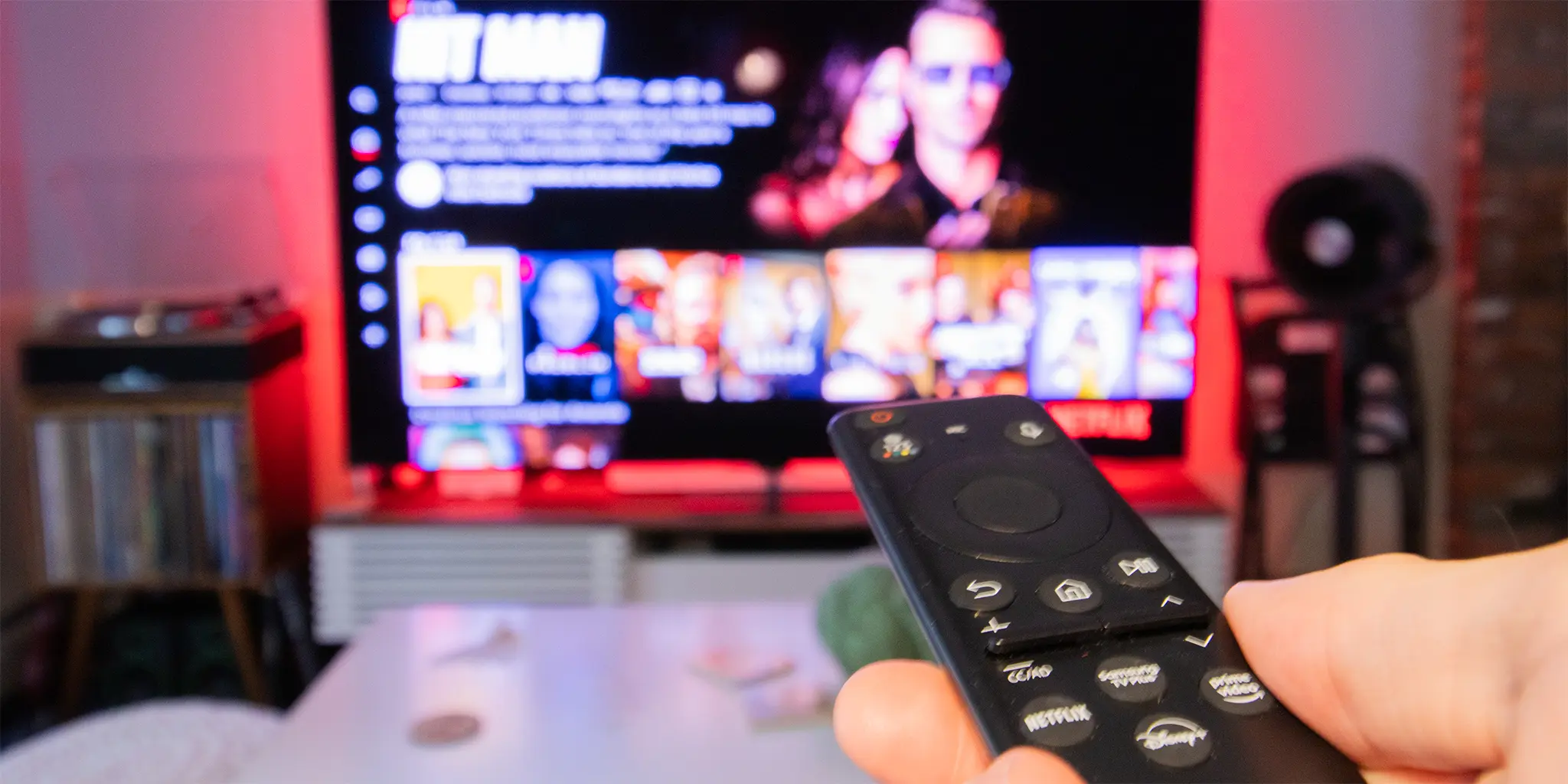
Television makers doubled down on display innovation at CES 2026. Leading brands such as Samsung and LG showcased advancements focused less on resolution and more on brightness control, power efficiency, and color accuracy.
Rather than pushing beyond 8K, manufacturers emphasized:
- Improved OLED and QD-OLED brightness
- Better burn-in prevention
- AI-based picture optimization
- Thinner, lighter panel designs
These changes reflect growing consumer demand for picture quality improvements that deliver real-world benefits rather than spec-sheet upgrades.
2. Transparent and Rollable Displays Made a Comeback
Still Experimental, But More Refined
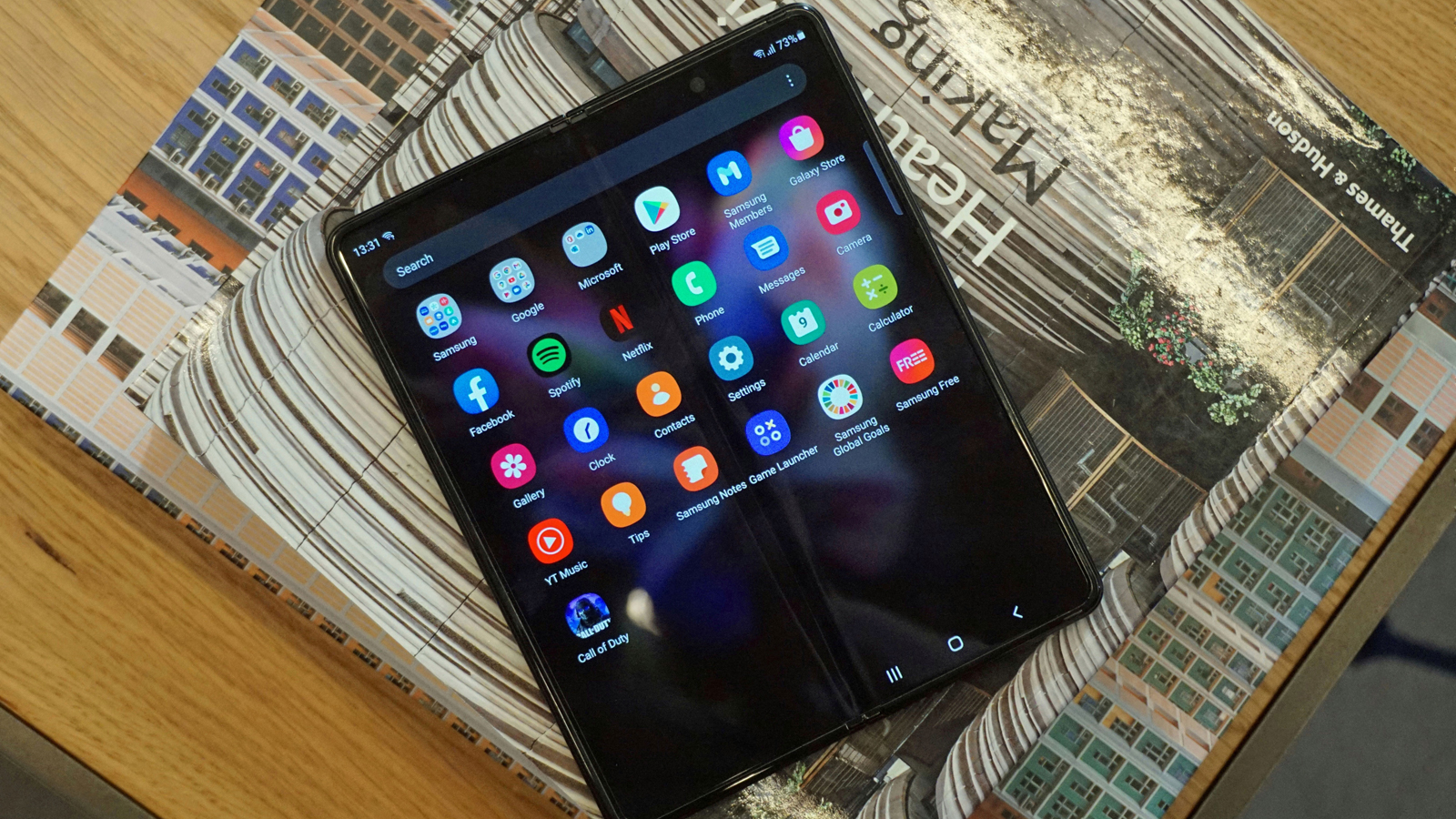
Transparent and rollable displays returned to CES 2026, but this time with more practical demonstrations. Instead of pure concept pieces, companies showed prototypes that hinted at commercial viability in signage, smart homes, and premium TVs.
Key takeaways included:
- Improved transparency without major brightness loss
- More durable rollable screen materials
- Integration with furniture and architectural elements
While mass adoption remains distant, CES 2026 suggested these display formats are moving slowly from novelty to niche products.
3. Laptops Entered the “AI-First” Era
On-Device AI Became a Core Feature
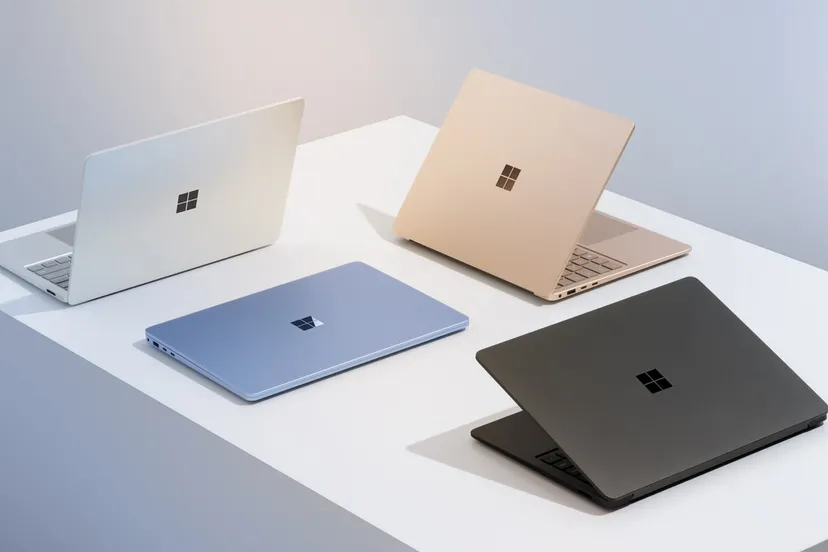
One of the most consistent themes across laptop announcements was local AI processing. Major PC manufacturers highlighted devices built around new AI-capable chips, positioning laptops as personal AI assistants rather than just productivity tools.
Brands like Intel, AMD, and Qualcomm emphasized dedicated AI engines designed to handle tasks such as:
- Real-time transcription
- Image and video enhancement
- Background noise removal
- Contextual search and organization
This shift suggests that AI workloads are becoming as fundamental to laptops as CPUs and GPUs.
4. Thinner, Lighter Laptops Didn’t Sacrifice Power
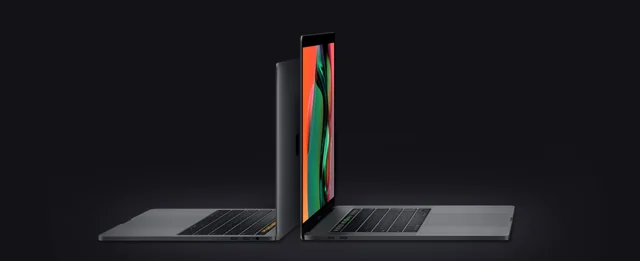
Design Efficiency Took Center Stage
Despite growing AI and performance demands, CES 2026 laptops trended toward lighter and more energy-efficient designs. Manufacturers showcased machines that balanced portability with all-day battery life and respectable performance.
Notable design trends included:
- Fanless or near-silent cooling
- Improved ARM-based Windows laptops
- Premium materials for durability and weight reduction
This signals a renewed focus on mobility as hybrid work continues to shape buying decisions.
5. AI Gadgets Got Stranger — and More Personal
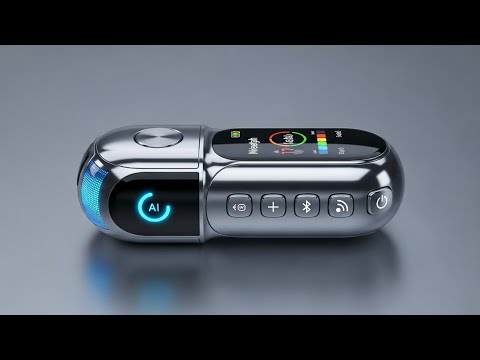
Desk Companions, Wearables, and Ambient Devices
CES has always been home to unconventional gadgets, and 2026 was no exception. Several companies introduced AI-powered devices designed to act as persistent companions rather than tools used only on demand.
These included:
- Desk-based AI assistants
- Wearables focused on emotional awareness
- Ambient displays that surface information passively
While many of these products remain experimental, they highlight a broader industry push toward ambient computing, where technology blends into everyday environments.
6. Smart Home Tech Focused on Interoperability
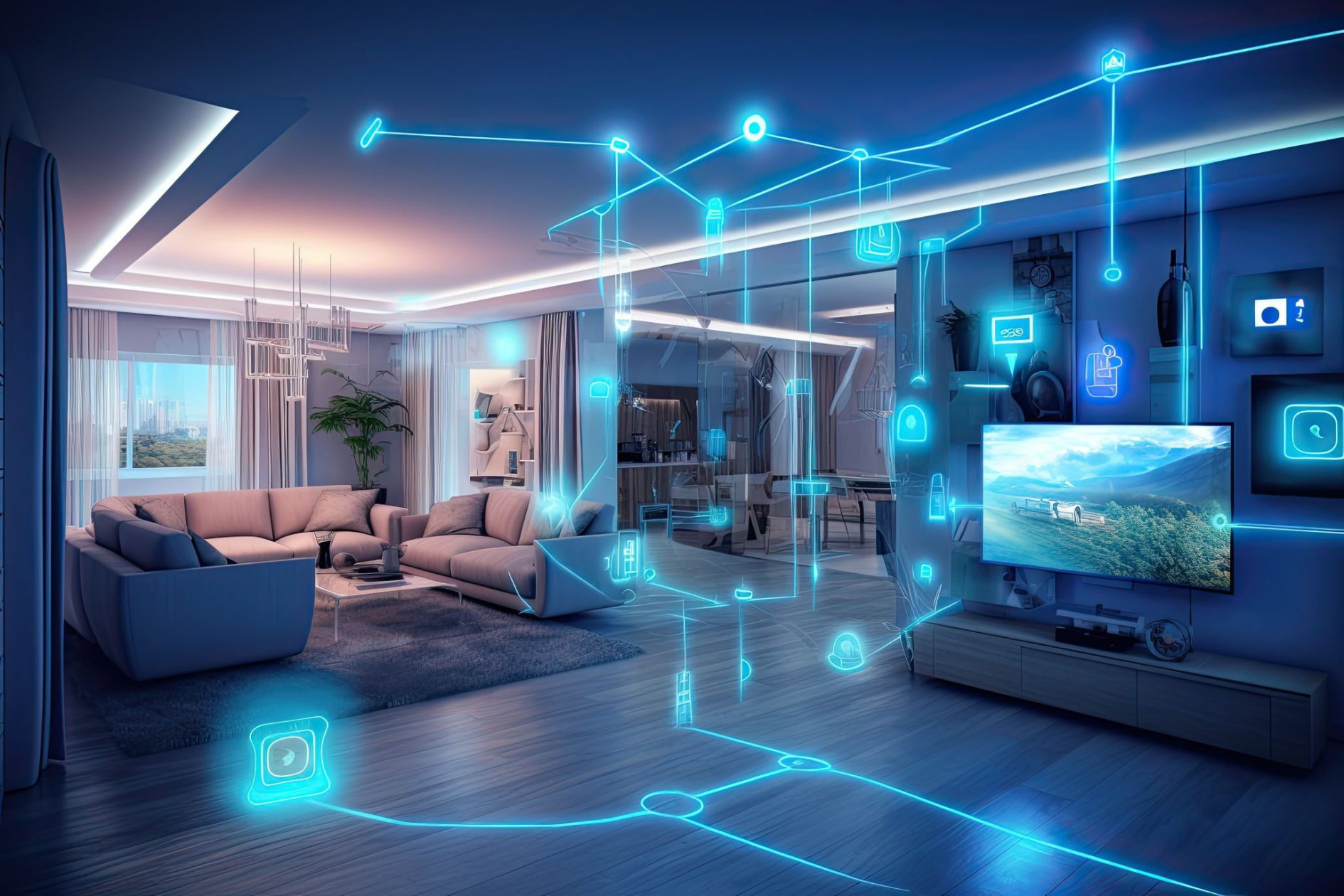
Fewer Apps, More Standards
Smart home announcements at CES 2026 placed less emphasis on flashy new devices and more on compatibility and reliability. Companies stressed support for cross-platform standards, aiming to reduce fragmentation.
Key developments included:
- Expanded support for unified smart home protocols
- Better local control without cloud dependence
- Improved privacy and security features
This shift reflects consumer fatigue with overly complex smart home setups and growing demand for seamless integration.
7. The Weird Gadgets Were Still Very CES
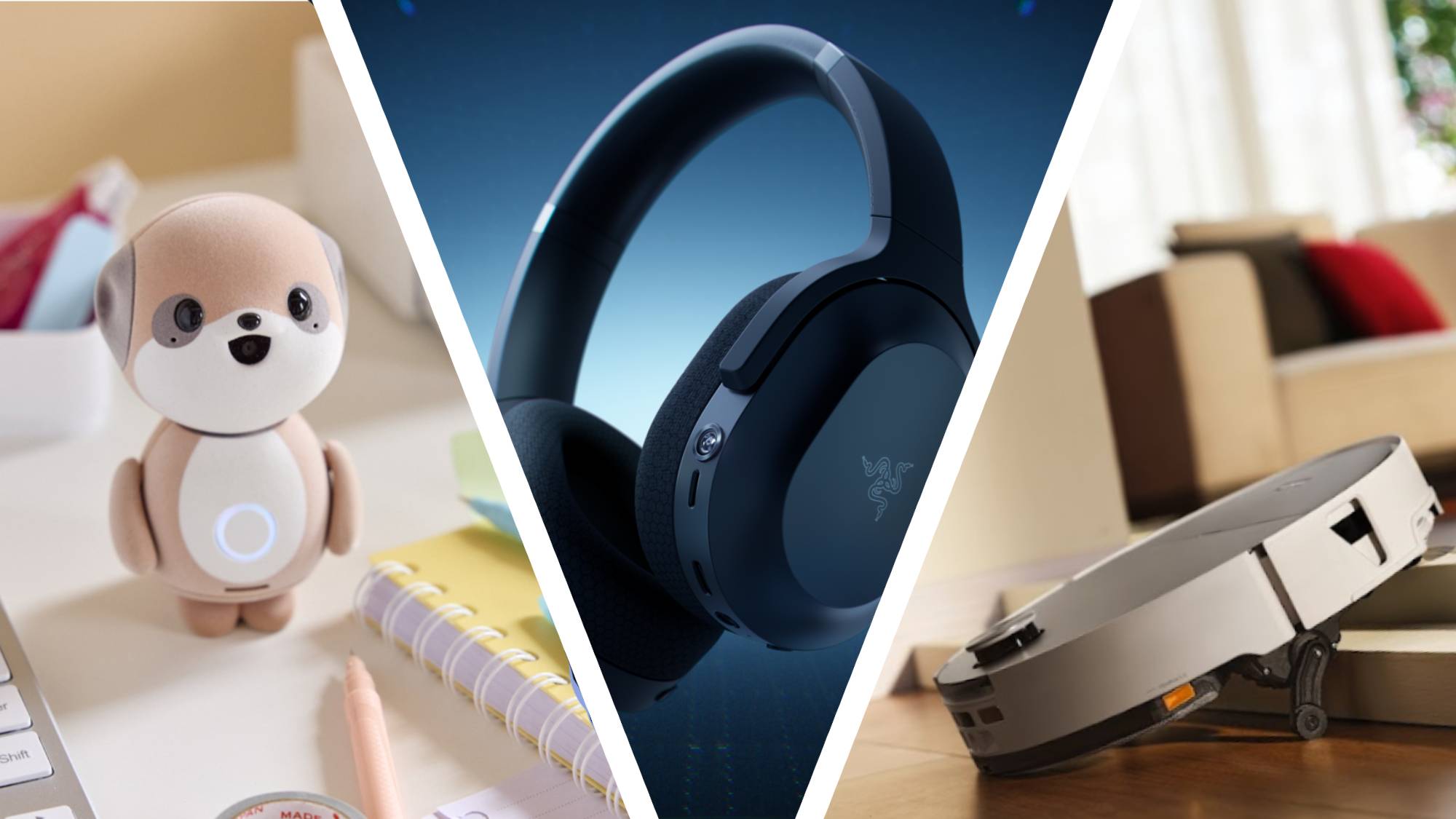
Experimental Tech Remains the Show’s Heart
CES wouldn’t be CES without products that blur the line between innovation and absurdity. CES 2026 delivered its share of unusual concepts, including:
- AI-powered kitchen appliances
- Wearable screens for niche use cases
- Robotics designed for narrow household tasks
While few of these devices are likely to reach mass adoption, they serve as testbeds for ideas that may influence mainstream products years later.
What CES 2026 Says About the Tech Industry’s Direction
Taken together, CES 2026 painted a picture of an industry focused on refinement rather than revolution.
Key themes included:
- AI moving from cloud to device
- Displays prioritizing efficiency and realism
- Hardware designed around everyday usability
- Slower but steadier innovation cycles
Rather than chasing headline specs, companies appear more focused on improving how technology fits into daily life.
TVs vs Laptops: Different Paces of Innovation
While TV innovation centered on incremental hardware gains, laptops underwent a more fundamental shift driven by AI integration. This divergence reflects different market pressures.
- TVs compete on visual experience and energy efficiency
- Laptops compete on intelligence, portability, and adaptability
CES 2026 highlighted how these categories are evolving along separate but equally important paths.
Internal Linking Suggestions
To strengthen SEO and topical authority, consider linking this article to:
- A deep dive on OLED vs QD-OLED TV technology
- An explainer on AI PCs and on-device AI
- A feature on CES history and innovation trends
- Coverage of smart home standards and interoperability
- A roundup of weirdest gadgets from past CES events
These internal links help contextualize CES 2026 developments within broader tech narratives.
What to Watch After CES 2026
Many CES announcements won’t reach consumers until later in the year — if at all. The real test will be how many of these ideas survive beyond prototype stage.
Key questions include:
- Will AI-first laptops deliver meaningful everyday benefits?
- Can display innovation continue without price inflation?
- Will smart home platforms finally become simpler?
The answers will unfold over the next product cycles.
Why CES Still Matters
Despite criticism that CES has lost relevance, CES 2026 demonstrated why the event remains important. It provides a snapshot of industry priorities before products are filtered by market realities.
Even when devices don’t launch immediately, the ideas introduced at CES often shape product roadmaps for years.
Conclusion
CES 2026 may not have delivered a single defining product, but it offered valuable insight into the future of consumer technology. From smarter TVs and AI-centric laptops to experimental gadgets that push boundaries, the show reinforced the industry’s shift toward practical intelligence and thoughtful design.
For consumers, CES 2026 suggests that upcoming tech will be less about dramatic leaps and more about seamless improvements — making devices smarter, quieter, and more integrated into everyday life.
Key Highlights
Innovation leaned toward refinement over disruption
TVs focused on brightness, efficiency, and realism
Laptops embraced on-device AI
Smart home tech emphasized interoperability
Weird gadgets remained a CES staple