
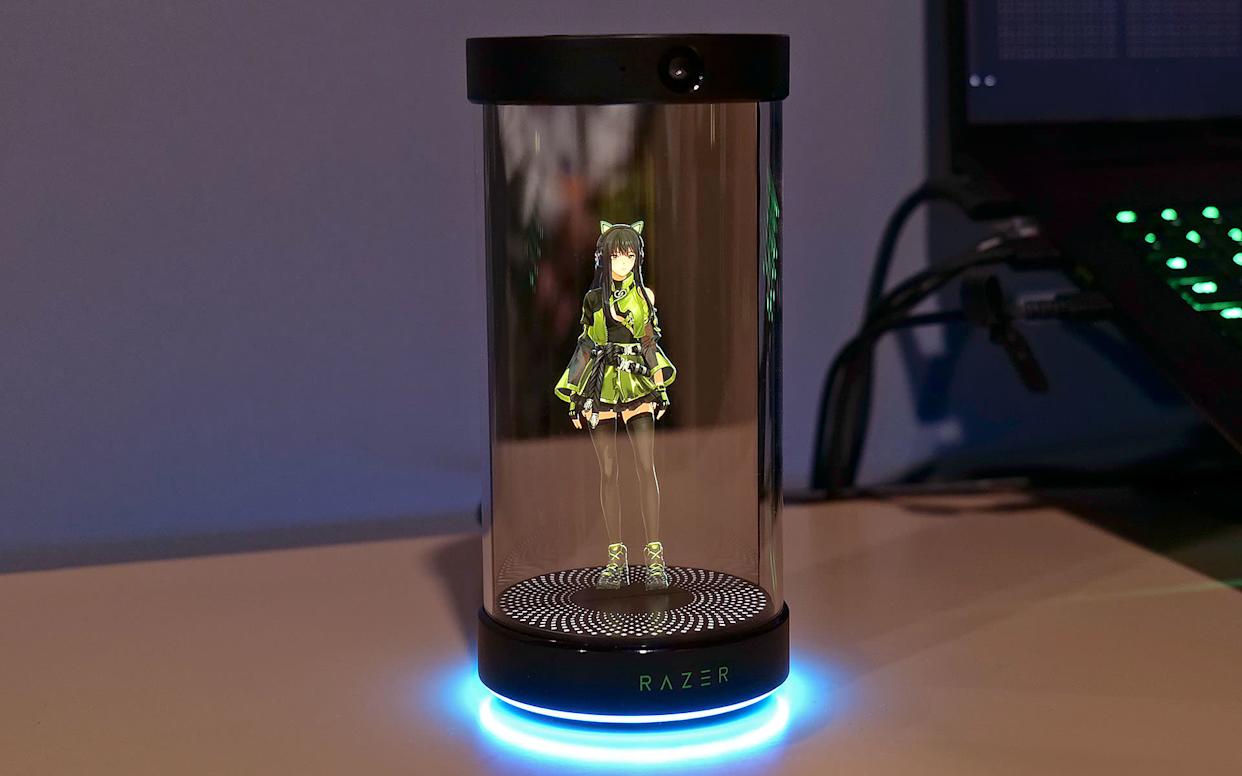
CES 2026 wrapped up with sweeping announcements from Nvidia, AMD, Razer, and dozens of other tech leaders, confirming that artificial intelligence is now the central pillar of consumer and enterprise hardware. From next-generation GPUs and CPUs to experimental AI-powered gaming devices, the show revealed how computing, graphics, and personal tech are evolving under intense performance and efficiency pressure.
Introduction
CES has always been a barometer for the technology industry, but CES 2026 felt unusually decisive. Rather than teasing distant concepts, companies arrived in Las Vegas with clear roadmaps, shipping timelines, and aggressive AI strategies.
According to reporting from TechCrunch, this year’s show was defined by heavyweight announcements from Nvidia, AMD, and Razer—each approaching the AI era from a very different angle.
From data center-class AI trickling into consumer GPUs to CPUs redesigned for efficiency and AI acceleration, CES 2026 showcased how deeply artificial intelligence is now embedded across the hardware stack
CES 2026 at a Glance: Why This Year Mattered
Several forces converged to make CES 2026 particularly important:
- Explosive growth in AI workloads
- Rising costs for memory and advanced silicon
- Increased demand for local, on-device AI
- A maturing PC and gaming market
Instead of chasing raw specs alone, vendors focused on performance per watt, AI integration, and real-world efficiency.
Nvidia’s CES 2026 Debuts: AI Everywhere
GPUs Built for the AI-First Era
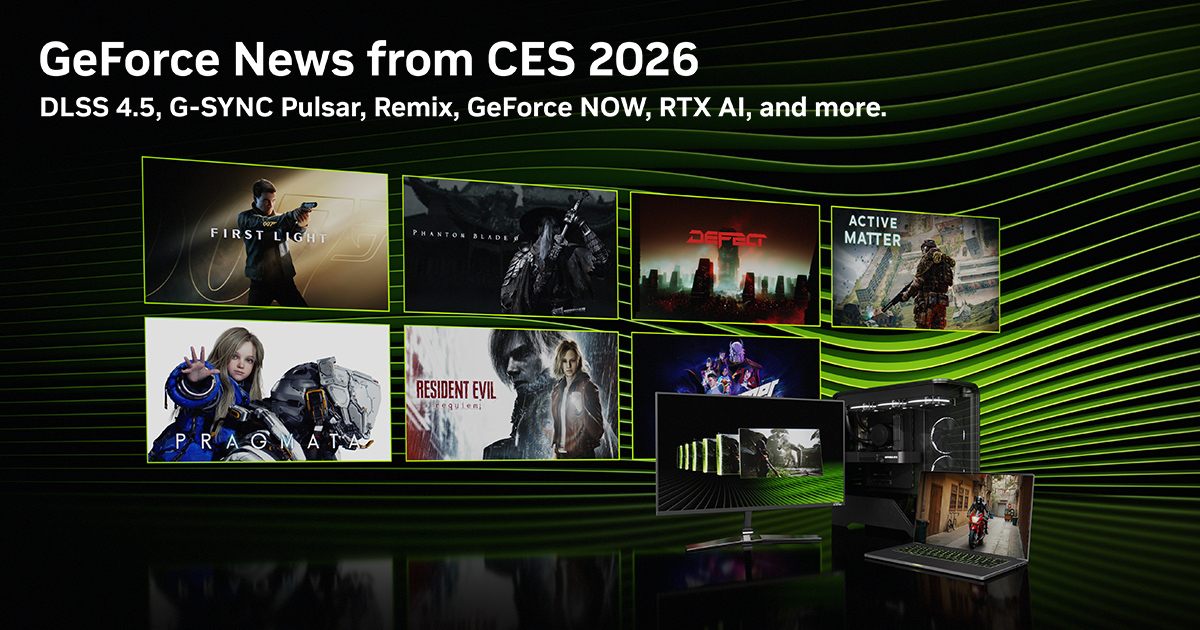
Nvidia arrived at CES 2026 in a position of dominance. Its announcements reinforced how the company now sits at the intersection of gaming, AI, and data centers.
Key themes from Nvidia’s CES presence included:
- GPUs optimized for AI inference and generation
- Deeper AI acceleration baked into consumer hardware
- Improved efficiency under heavy workloads
Rather than framing AI as a separate category, Nvidia positioned it as core GPU functionality, benefiting gaming, content creation, and productivity alike.
AI Upscaling, Rendering, and Creatior
Nvidia highlighted how AI is reshaping graphics pipelines:
- Smarter real-time upscaling
- AI-assisted ray tracing
- Faster creative workflows using local AI models
These features aim to deliver better visuals without requiring brute-force hardware scaling—critical as silicon costs rise.
AMD’s New Chips: Efficiency Over Excess
CPUs Designed for Modern Workloads
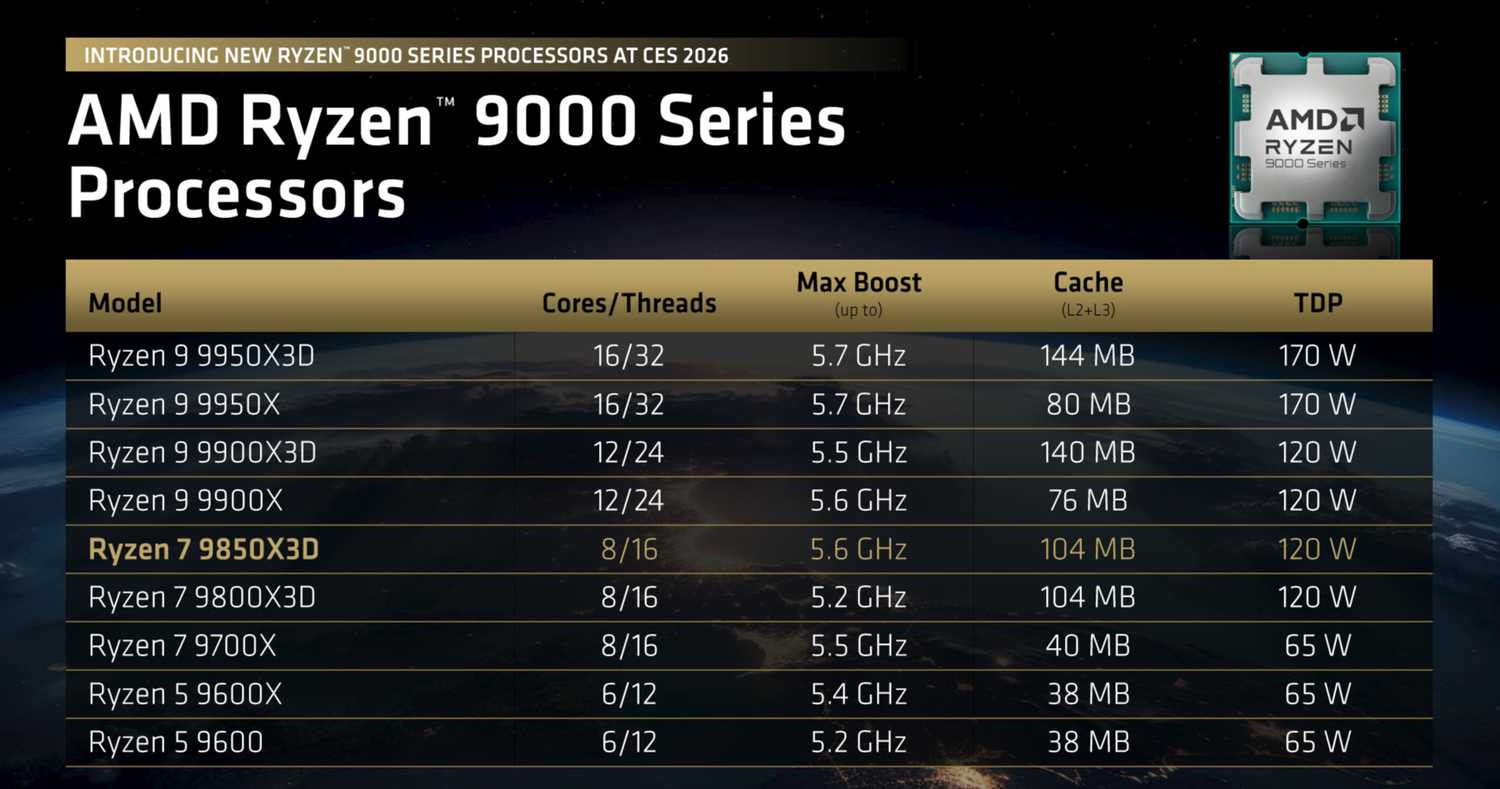
AMD used CES 2026 to underline its focus on balanced performance, rather than chasing headline clock speeds.
Key highlights from AMD’s announcements included:
- New CPUs optimized for mixed workloads
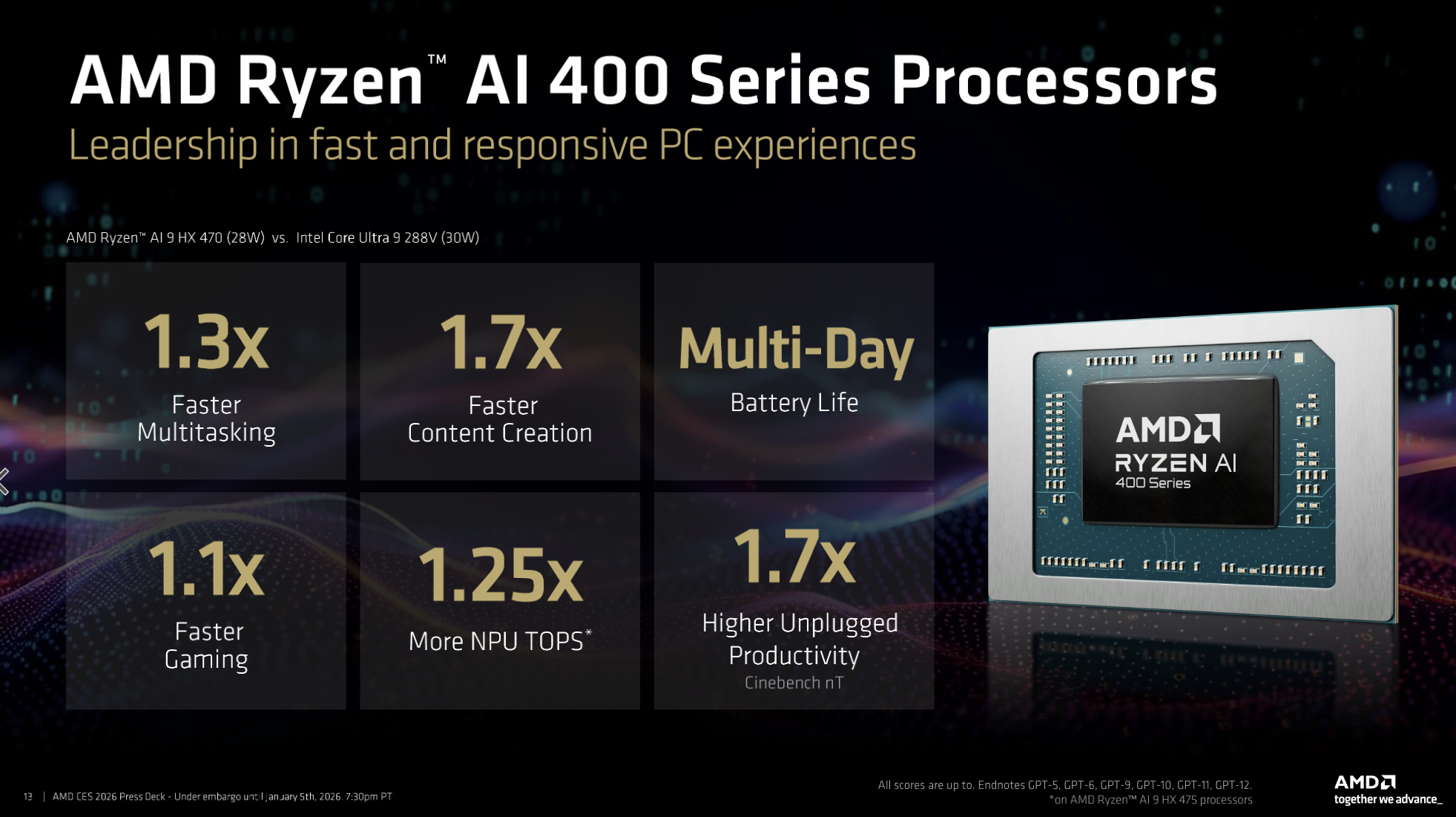
- Improved AI acceleration at the CPU level
- Better power efficiency for laptops and desktops
AMD emphasized that modern PCs must handle:
- AI-assisted productivity
- Content creation
- Gaming
- Background AI services
All without excessive power draw.
AI Moves Closer to the CPU
AMD’s messaging focused on bringing AI closer to the processor, reducing reliance on cloud services.
Benefits include:
- Lower latency
- Better privacy
- Reduced energy use
This aligns with broader industry movement toward on-device intelligence, especially in laptops and mobile PCs.
Razer’s AI Oddities: Where Gaming Meets Experimentation

Not Afraid to Be Weird
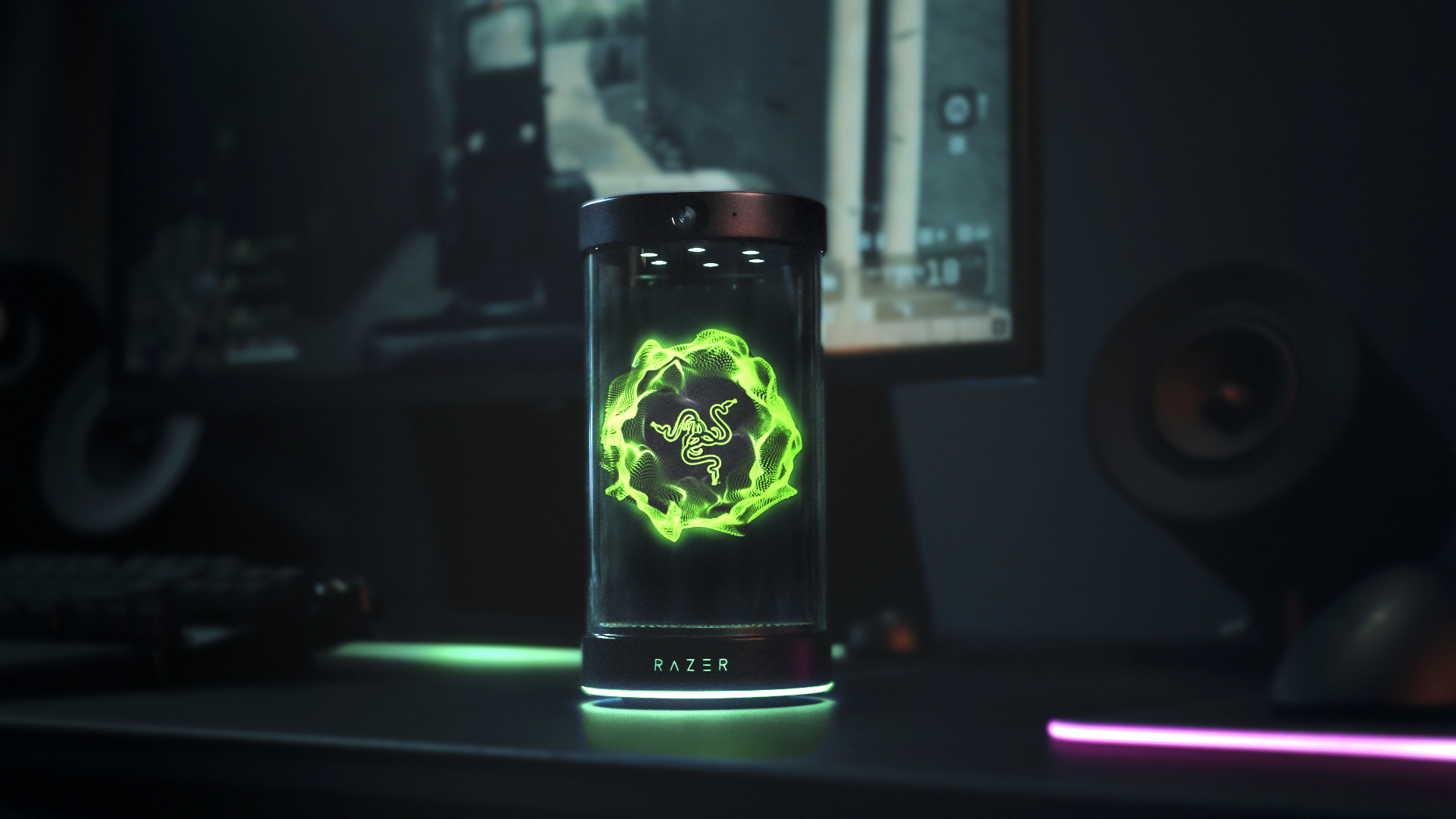
While Nvidia and AMD focused on silicon fundamentals, Razer leaned into CES tradition with experimental, AI-driven hardware concepts.
Razer showcased devices that explored:
- AI-assisted gaming experiences
- Adaptive hardware behavior
- New ways to interact with games
Some products bordered on the unconventional, but that’s part of Razer’s CES identity—testing ideas publicly before refining them.
AI as a Gaming Companion
Razer’s AI concepts focused on:
- Real-time gameplay assistance
- Adaptive performance tuning
- Personalized gaming setups
These ideas hint at a future where gaming hardware responds dynamically to player behavior.
PCs and Laptops: AI Is Now Standard
Copilot-Style AI Goes Hardware-Native
Across CES 2026, laptops and PCs shared a common trait: dedicated AI hardware.
Trends included:
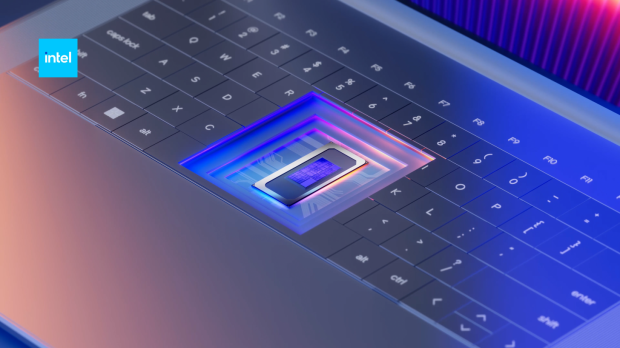
- Integrated neural processing units
- AI-optimized power management
- Background AI tasks running locally
This represents a shift from AI as software add-on to AI as foundational hardware capability.
Gaming Hardware: Smarter, Not Just Faster
Performance Within Constraints
With RAM and storage costs rising, CES 2026 gaming hardware emphasized:
- Smarter asset management
- AI-driven optimization
- Reduced reliance on brute-force upgrades
Both Nvidia and AMD highlighted how AI can improve gaming experiences without exponentially increasing hardware requirements.
Displays, Peripherals, and Ecosystem Growth

Peripheral makers followed the lead of chip companies:
- AI-enhanced displays adjusting to content
- Input devices learning user habits
- Smarter power management
This ecosystem-level AI adoption suggests long-term platform thinking.
Startups and Smaller Players Add Flavor
Beyond the big names, startups at CES 2026 contributed:
- Niche AI accelerators
- Specialized storage solutions
- Modular computing concepts
These companies often move faster than giants, pushing ideas that may influence mainstream products in coming years.
What CES 2026 Says About the Tech Industry
Several broader conclusions emerged:
- AI is now unavoidable across all hardware categories
- Efficiency matters more than peak performance
- Hardware and software boundaries are blurring
- Experimentation remains alive, especially in gaming
CES 2026 showed an industry adapting to economic, technical, and environmental constraints.
How CES 2026 Compares to Previous Years
Compared to earlier shows:
- Fewer wild moonshots
- More shipping-ready products
- Clearer roadmaps
The industry appears more disciplined, focusing on execution rather than spectacle.
Impact on Consumers and Buyers
For consumers, CES 2026 suggests:
- Future PCs will feel smarter, not just faster
- Gaming performance gains will come from AI optimization
- Device lifespans may increase due to efficiency
Upgrading decisions will increasingly revolve around AI capability, not raw specs alone.
What to Watch in 2026 After CES
Key areas to monitor:
- Real-world performance of AI-enhanced GPUs and CPUs
- Software support for new AI features
- Power efficiency improvements in laptops
- Whether experimental ideas from Razer mature into products
CES sets the narrative, but the market decides the winners.
Why CES 2026 Will Be Remembered
CES 2026 may be remembered as the moment when:
- AI became a default hardware expectation
- Chipmakers aligned around efficiency-first design
- Consumer tech embraced maturity over hype
Rather than promising a distant future, CES 2026 focused on what users will actually experience this year.
Conclusion
CES 2026 delivered clarity in an era of complexity. Nvidia reinforced its AI leadership, AMD doubled down on balanced, efficient computing, and Razer reminded the industry that experimentation still matters.
Together, these announcements paint a picture of a tech industry evolving beyond raw power toward intelligence, adaptability, and sustainability. As products announced in Las Vegas reach shelves throughout 2026, the real test will be whether AI-driven hardware delivers on its promise of making technology feel less demanding—and more human.
One thing is certain: after CES 2026, AI is no longer optional. It is the foundation on which the next generation of computing will be built.
Key Highlights
- CES 2026 was dominated by AI-first hardware strategies
- Nvidia focused on AI-powered GPUs across gaming and creation
- AMD emphasized efficiency and CPU-level AI acceleration
- Razer showcased experimental AI-driven gaming concepts
- The industry shifted from brute force to intelligent optimization


