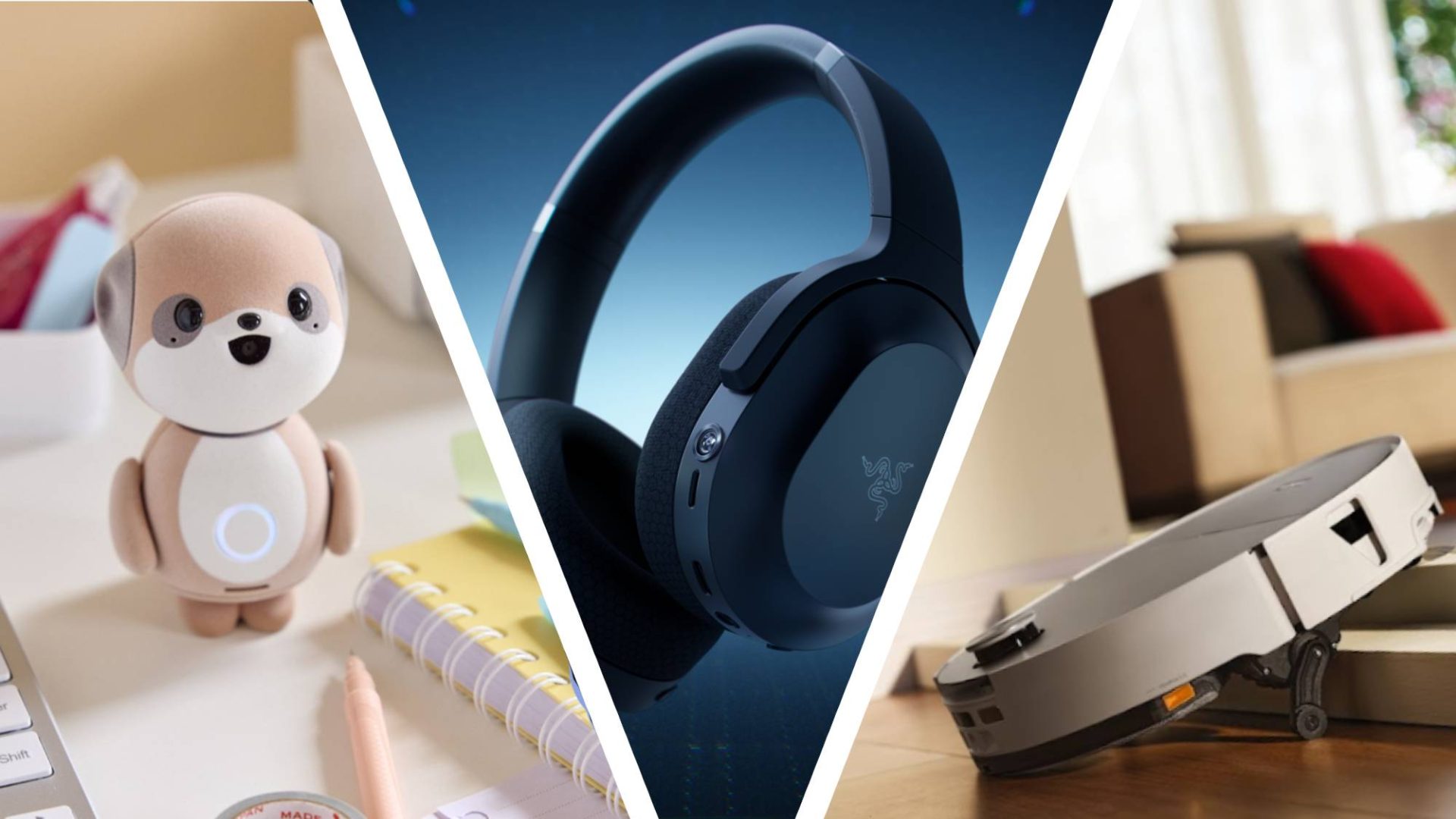
CES 2026 Wrap-Up: The Best, Weirdest and Most Interesting Tech From a Robot- and AI-Heavy Show

Share via:

CES 2026 concluded in Las Vegas as one of the most AI- and robotics-driven editions in the show’s history. From humanoid robots and autonomous home machines to experimental gadgets and genuinely useful consumer tech, the event balanced spectacle with substance. As the show floor closed, CES 2026 offered a clear signal: artificial intelligence is no longer a feature—it is the foundation of modern hardware.

Introduction

As CES 2026 comes to a close, one theme stands above all others: artificial intelligence everywhere. This year’s Consumer Electronics Show was defined by robots that move with purpose, devices that think contextually, and gadgets that blur the line between practical innovation and playful experimentation.

According to live coverage and analysis from TechCrunch, CES 2026 leaned harder into AI and robotics than any previous edition. The show floor felt less like a collection of disconnected gadgets and more like a preview of an intelligent, automated future—sometimes exciting, sometimes strange, and occasionally unsettling.

From startup demos to big-brand showcases, CES 2026 delivered a mix of the best, the weirdest, and the most interesting tech, all competing for attention as the event wrapped up in Las Vegas.

CES 2026 in Context: Why This Year Was Different

CES has always been a place for bold ideas, but 2026 marked a shift from conceptual AI to deployed AI.

Key differences this year included:

  • AI embedded directly into hardware
  • Robots designed for real-world tasks
  • Fewer purely speculative concepts
  • Greater emphasis on near-term products

Instead of asking “what could AI do someday?”, CES 2026 focused on what AI is already doing right now.

Robots Everywhere: From Helpers to Head-Turners

Image
Image

Humanoid Robots Step Out of the Lab

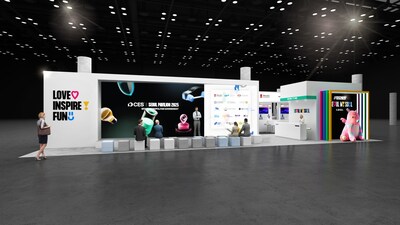
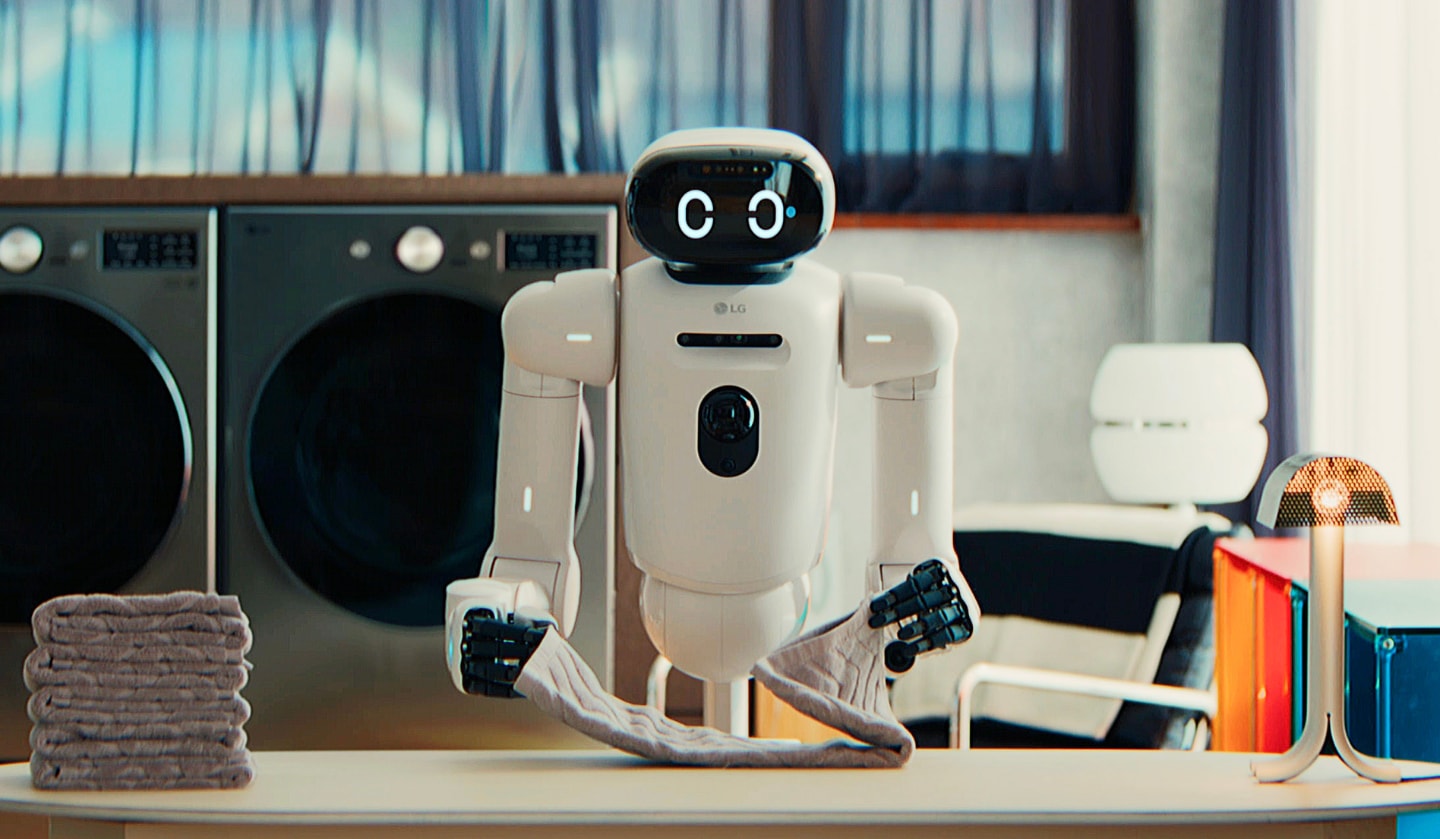
Robots were impossible to miss at CES 2026. Humanoid and semi-humanoid machines roamed booths, greeted visitors, and demonstrated increasingly complex movements.

Notable robot trends included:

  • Improved balance and mobility
  • Natural language interaction
  • Vision-based object recognition
  • Task-oriented design

Many robots were showcased as assistants for:

  • Home chores
  • Warehouses and logistics
  • Hospitality and retail
  • Elder care and accessibility

While some demos leaned theatrical, others showed real operational readiness, signaling that physical AI is moving beyond research environments.

AI Gadgets That Feel Surprisingly Normal
Image
Image

AI as an Invisible Feature

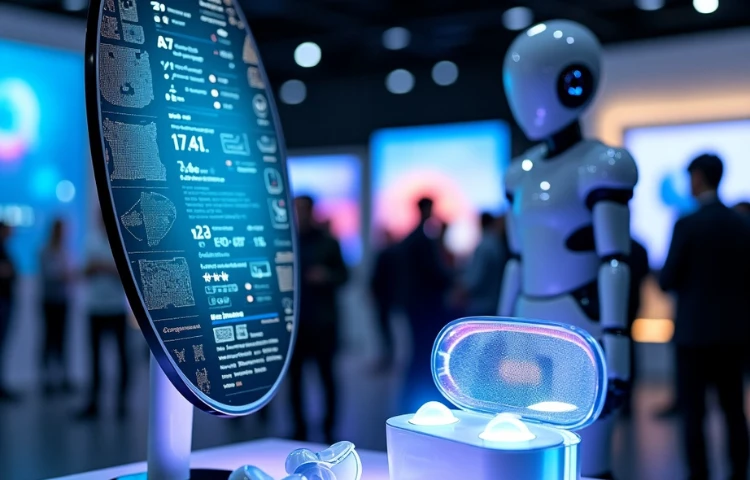
One of the most interesting shifts at CES 2026 was how quietly AI operated. Instead of flashy “AI buttons,” many devices used intelligence in the background.

Examples included:

  • Smart assistants that understand context
  • Devices that learn routines over time
  • Hardware that adapts without manual setup

This trend suggests that AI is transitioning from headline feature to expected behavior, much like Wi-Fi or Bluetooth in earlier years.

The Weirdest Tech That Stopped People in Their Tracks

Image
Image

CES Still Loves the Strange

CES 2026 didn’t abandon its tradition of showcasing bizarre and wonderful inventions.

Among the strangest gadgets spotted:

  • AI-powered pet “communication” devices
  • Musical food concepts
  • Smart mirrors that analyze mood and posture
  • Robots designed purely for companionship

These products may never hit mass markets, but they serve a purpose: testing cultural boundaries and sparking conversation.

As always, today’s weird CES gadget can become tomorrow’s mainstream product.

Startups Shine Amid Big-Tech Giants

Image
Image

Innovation Beyond the Big Booths

While major brands dominated headlines, startups delivered some of CES 2026’s most creative ideas.

Startup-driven themes included:

  • AI-first consumer devices
  • Modular hardware ecosystems
  • Privacy-focused smart tech
  • Sustainability-driven innovation

Many startups positioned themselves not as gadget makers, but as problem solvers, using AI and robotics to tackle everyday inefficiencies.

Smart Home Tech Grows Up

Image
Image

Less Gimmick, More Reliability

Smart home technology at CES 2026 felt notably more mature.

Key improvements included:

  • Local AI processing for privacy
  • Better device interoperability
  • Simpler setup and maintenance
  • Fewer always-listening microphones

Instead of adding more “smart” features, companies focused on making existing smart homes less frustrating.

AI Meets Mobility and Transportation

Image
Image

Cars as Intelligent Platforms

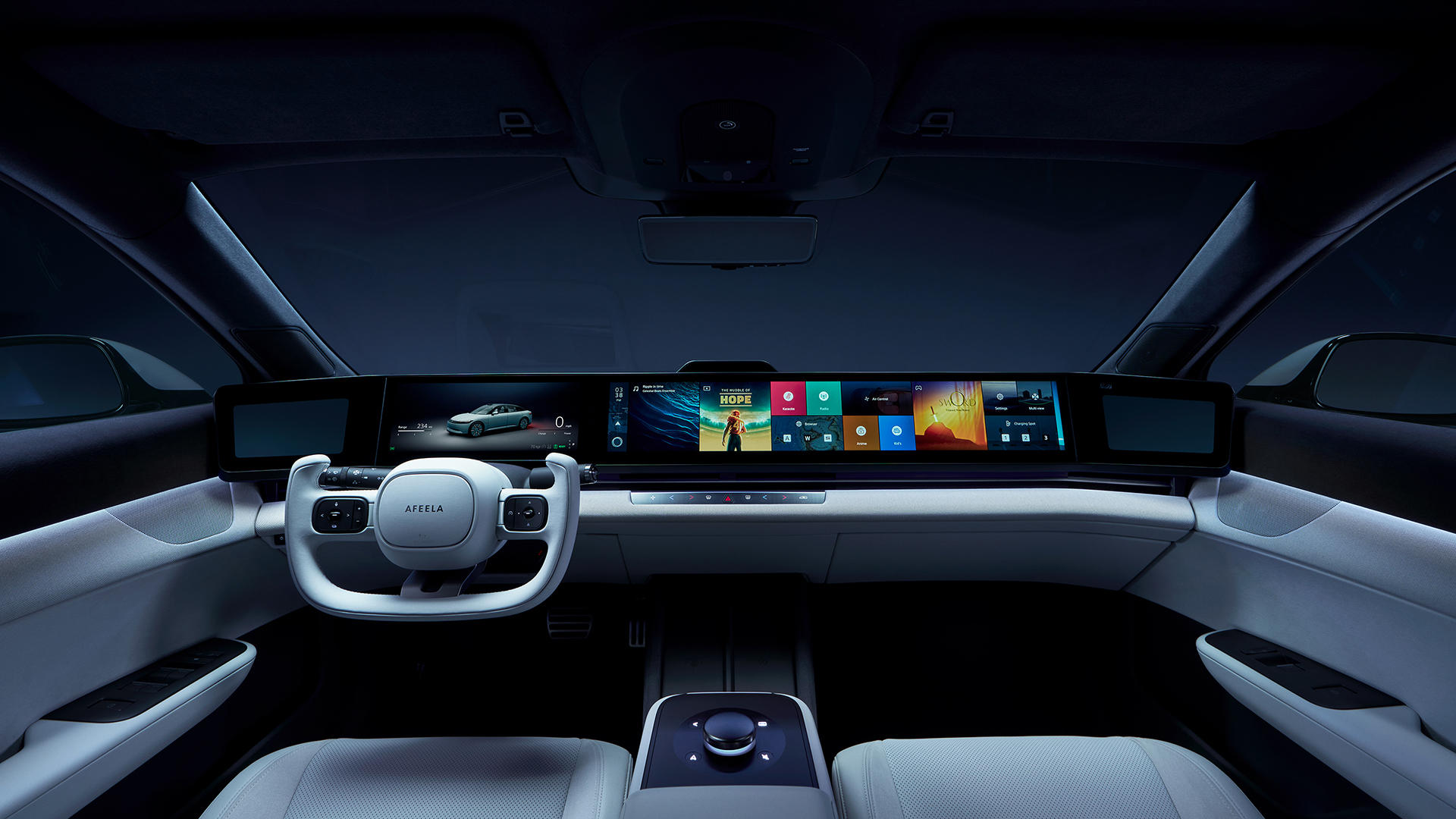
Automotive tech continued to be a CES staple, but AI dominated the narrative in 2026.

Key developments included:

  • AI-driven driver assistance
  • Personalized in-car experiences
  • Autonomous navigation systems
  • Software-defined vehicle platforms

Vehicles were presented less as machines and more as adaptive digital environments.

Wearables Shrink While Intelligence Grows

Image
Image

Smaller Devices, Bigger Insights

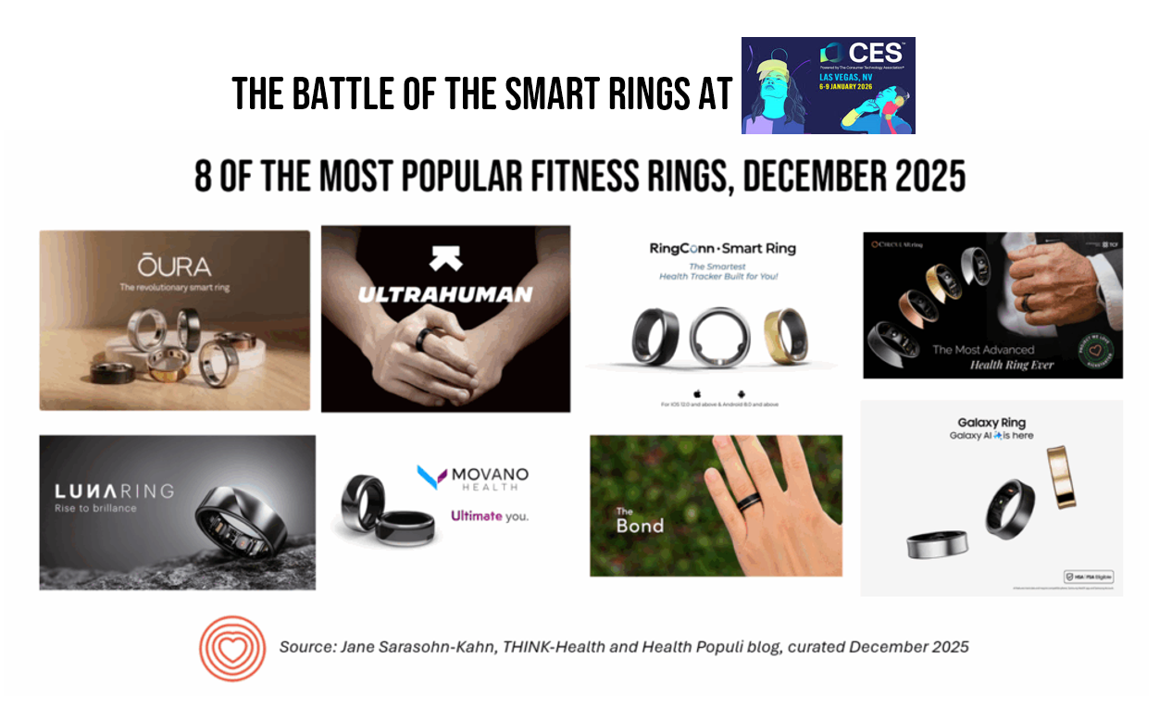
Wearables at CES 2026 moved away from screens and notifications.

Popular formats included:

  • Smart rings
  • Clip-on health trackers
  • Passive monitoring devices

These wearables emphasize continuous health insight without constant interruption, reflecting changing consumer expectations.

The Business of CES 2026: Why AI Dominated

Market Forces at Play

The AI-heavy focus wasn’t accidental.

Driving factors included:

  • Explosive growth in AI investment
  • Pressure to show tangible AI value
  • Rising hardware costs pushing efficiency
  • Competition for developer and enterprise attention

CES 2026 became a platform for companies to prove they are AI-ready, not just AI-aware.

What Didn’t Steal the Spotlight

Interestingly, some traditionally dominant categories felt quieter:

  • Smartphones had fewer dramatic announcements
  • TVs focused on refinement, not spectacle
  • VR remained present but restrained

This shift reflects where innovation momentum currently lies: automation, intelligence, and integration

Live Coverage Reflected the Chaos and Excitement

TechCrunch’s live coverage captured the real energy of CES 2026:

  • Constant product announcements
  • Unexpected demos
  • Rapid shifts between serious and strange

This live-blog style reinforced CES’s identity as a controlled chaos of innovation, where breakthroughs and curiosities coexist.

Why CES 2026 Matters Beyond Las Vegas

CES is not just a trade show—it’s a signal.

CES 2026 tells us that:

  • AI is now hardware-native
  • Robotics are becoming practical
  • Consumer tech is prioritizing efficiency
  • The line between software and hardware is fading

These trends will shape product launches throughout 2026 and beyond.

What Consumers Should Take Away

For everyday users, CES 2026 suggests:

  • Smarter devices without added complexity
  • More automation in homes and workplaces
  • Increased reliance on AI-driven systems
  • Greater emphasis on privacy and local processing

The future being built is quieter, more adaptive, and less screen-centric.

What Comes Next After CES 2026

As products move from show floor to store shelves:

  • Software updates will matter as much as hardware
  • AI reliability will determine success
  • User trust will be critical

Not every CES product will survive, but the ideas introduced here will shape the year ahead.

Conclusion

CES 2026 wrapped up as one of the most robot- and AI-heavy tech shows in history. It delivered awe-inspiring robotics, practical AI-powered gadgets, and delightfully weird inventions that remind us why CES remains relevant.

Rather than overwhelming users with novelty, CES 2026 showed an industry learning how to integrate intelligence naturally into everyday objects. The result is a future that feels less like science fiction and more like quietly capable technology working in the background.

As the lights dim in Las Vegas, one thing is clear: the era of AI-first consumer hardware has officially begun.

Disclaimer

We strive to uphold the highest ethical standards in all of our reporting and coverage. We StartupNews.fyi want to be transparent with our readers about any potential conflicts of interest that may arise in our work. It’s possible that some of the investors we feature may have connections to other businesses, including competitors or companies we write about. However, we want to assure our readers that this will not have any impact on the integrity or impartiality of our reporting. We are committed to delivering accurate, unbiased news and information to our audience, and we will continue to uphold our ethics and principles in all of our work. Thank you for your trust and support.

Popular

More Like this

CES 2026 Wrap-Up: The Best, Weirdest and Most Interesting Tech From a Robot- and AI-Heavy Show

CES 2026 concluded in Las Vegas as one of the most AI- and robotics-driven editions in the show’s history. From humanoid robots and autonomous home machines to experimental gadgets and genuinely useful consumer tech, the event balanced spectacle with substance. As the show floor closed, CES 2026 offered a clear signal: artificial intelligence is no longer a feature—it is the foundation of modern hardware.

Introduction

As CES 2026 comes to a close, one theme stands above all others: artificial intelligence everywhere. This year’s Consumer Electronics Show was defined by robots that move with purpose, devices that think contextually, and gadgets that blur the line between practical innovation and playful experimentation.

According to live coverage and analysis from TechCrunch, CES 2026 leaned harder into AI and robotics than any previous edition. The show floor felt less like a collection of disconnected gadgets and more like a preview of an intelligent, automated future—sometimes exciting, sometimes strange, and occasionally unsettling.

From startup demos to big-brand showcases, CES 2026 delivered a mix of the best, the weirdest, and the most interesting tech, all competing for attention as the event wrapped up in Las Vegas.

CES 2026 in Context: Why This Year Was Different

CES has always been a place for bold ideas, but 2026 marked a shift from conceptual AI to deployed AI.

Key differences this year included:

  • AI embedded directly into hardware
  • Robots designed for real-world tasks
  • Fewer purely speculative concepts
  • Greater emphasis on near-term products

Instead of asking “what could AI do someday?”, CES 2026 focused on what AI is already doing right now.

Robots Everywhere: From Helpers to Head-Turners

Image
Image

Humanoid Robots Step Out of the Lab

Robots were impossible to miss at CES 2026. Humanoid and semi-humanoid machines roamed booths, greeted visitors, and demonstrated increasingly complex movements.

Notable robot trends included:

  • Improved balance and mobility
  • Natural language interaction
  • Vision-based object recognition
  • Task-oriented design

Many robots were showcased as assistants for:

  • Home chores
  • Warehouses and logistics
  • Hospitality and retail
  • Elder care and accessibility

While some demos leaned theatrical, others showed real operational readiness, signaling that physical AI is moving beyond research environments.

AI Gadgets That Feel Surprisingly Normal
Image
Image

AI as an Invisible Feature

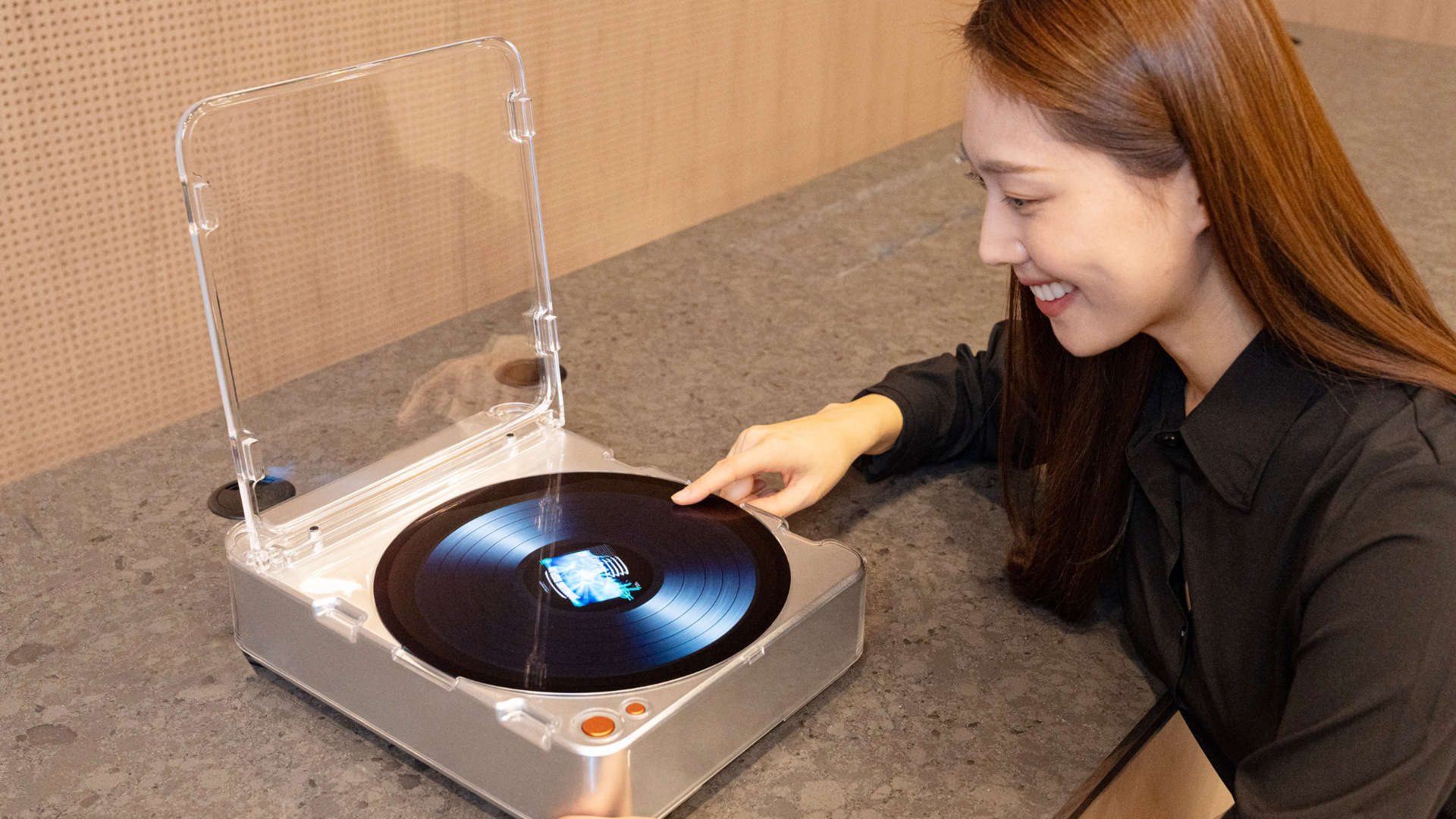
One of the most interesting shifts at CES 2026 was how quietly AI operated. Instead of flashy “AI buttons,” many devices used intelligence in the background.

Examples included:

  • Smart assistants that understand context
  • Devices that learn routines over time
  • Hardware that adapts without manual setup

This trend suggests that AI is transitioning from headline feature to expected behavior, much like Wi-Fi or Bluetooth in earlier years.

The Weirdest Tech That Stopped People in Their Tracks

Image
Image

CES Still Loves the Strange

CES 2026 didn’t abandon its tradition of showcasing bizarre and wonderful inventions.

Among the strangest gadgets spotted:

  • AI-powered pet “communication” devices
  • Musical food concepts
  • Smart mirrors that analyze mood and posture
  • Robots designed purely for companionship

These products may never hit mass markets, but they serve a purpose: testing cultural boundaries and sparking conversation.

As always, today’s weird CES gadget can become tomorrow’s mainstream product.

Startups Shine Amid Big-Tech Giants
Image
Image

Innovation Beyond the Big Booths

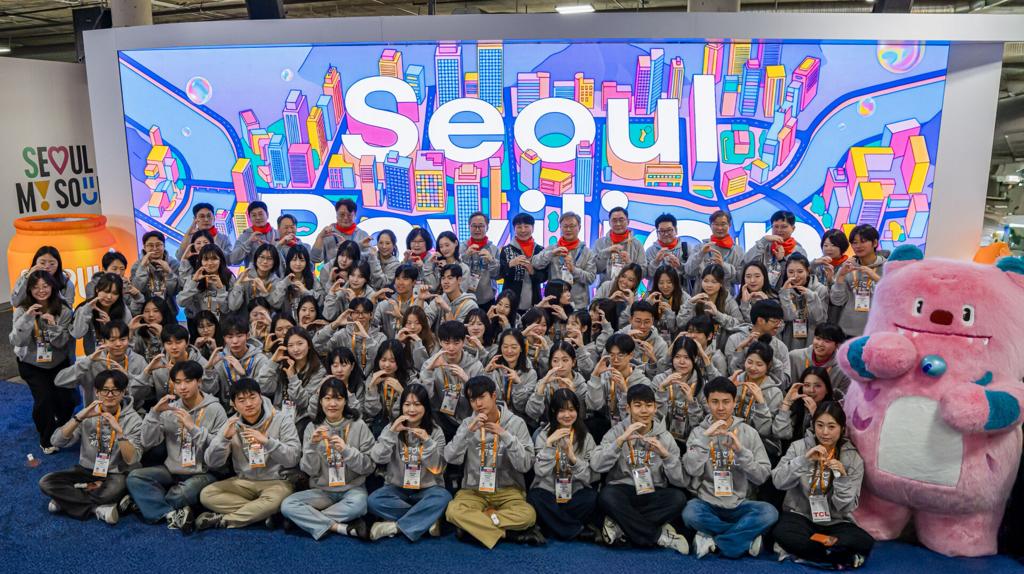
While major brands dominated headlines, startups delivered some of CES 2026’s most creative ideas.

Startup-driven themes included:

  • AI-first consumer devices
  • Modular hardware ecosystems
  • Privacy-focused smart tech
  • Sustainability-driven innovation

Many startups positioned themselves not as gadget makers, but as problem solvers, using AI and robotics to tackle everyday inefficiencies.

Smart Home Tech Grows Up

Image
Image

Less Gimmick, More Reliability

Smart home technology at CES 2026 felt notably more mature.

Key improvements included:

  • Local AI processing for privacy
  • Better device interoperability
  • Simpler setup and maintenance
  • Fewer always-listening microphones

Instead of adding more “smart” features, companies focused on making existing smart homes less frustrating.

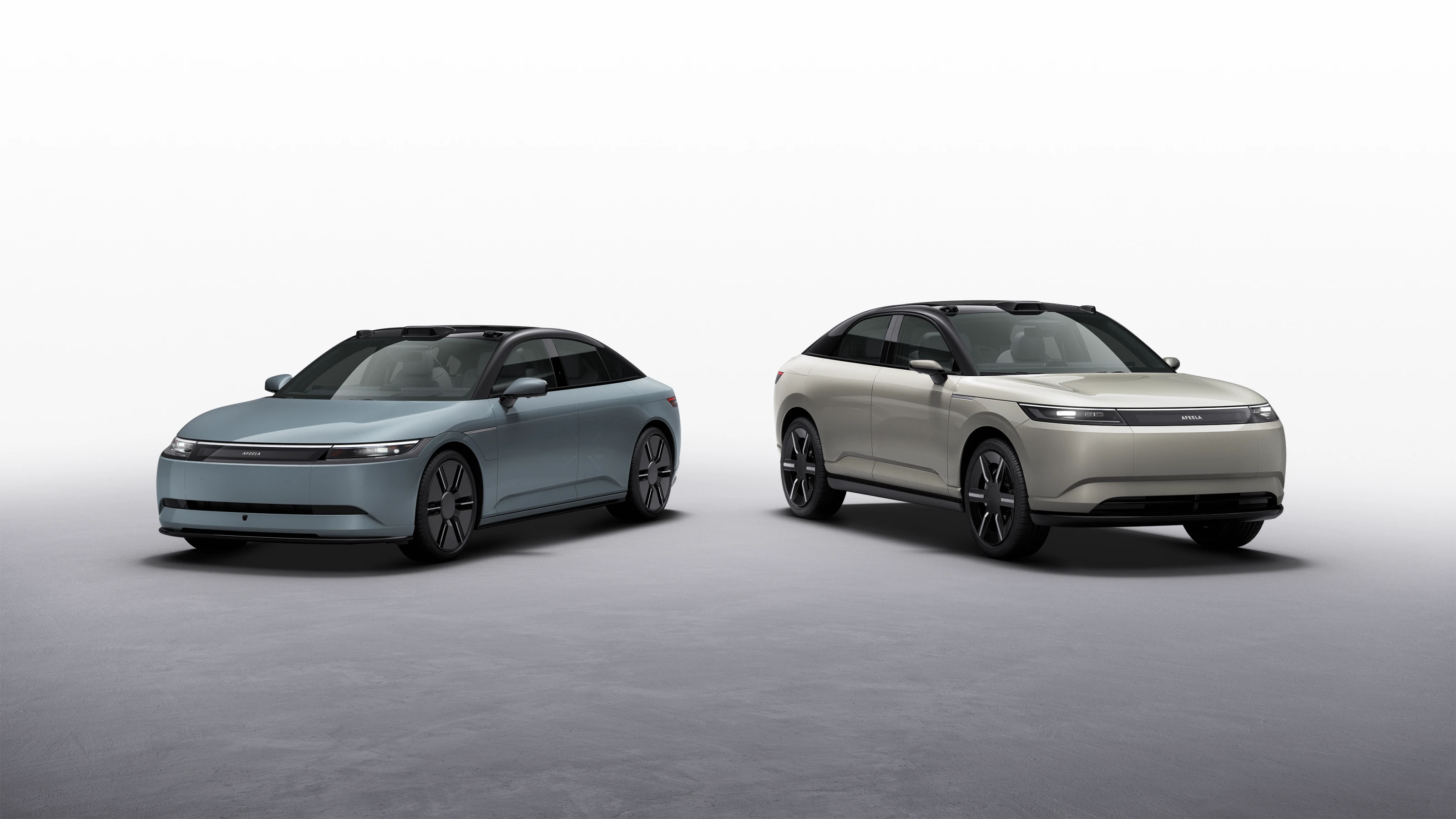
AI Meets Mobility and Transportation
Image
Image

Cars as Intelligent Platforms

Automotive tech continued to be a CES staple, but AI dominated the narrative in 2026.

Key developments included:

  • AI-driven driver assistance
  • Personalized in-car experiences
  • Autonomous navigation systems
  • Software-defined vehicle platforms

Vehicles were presented less as machines and more as adaptive digital environments.

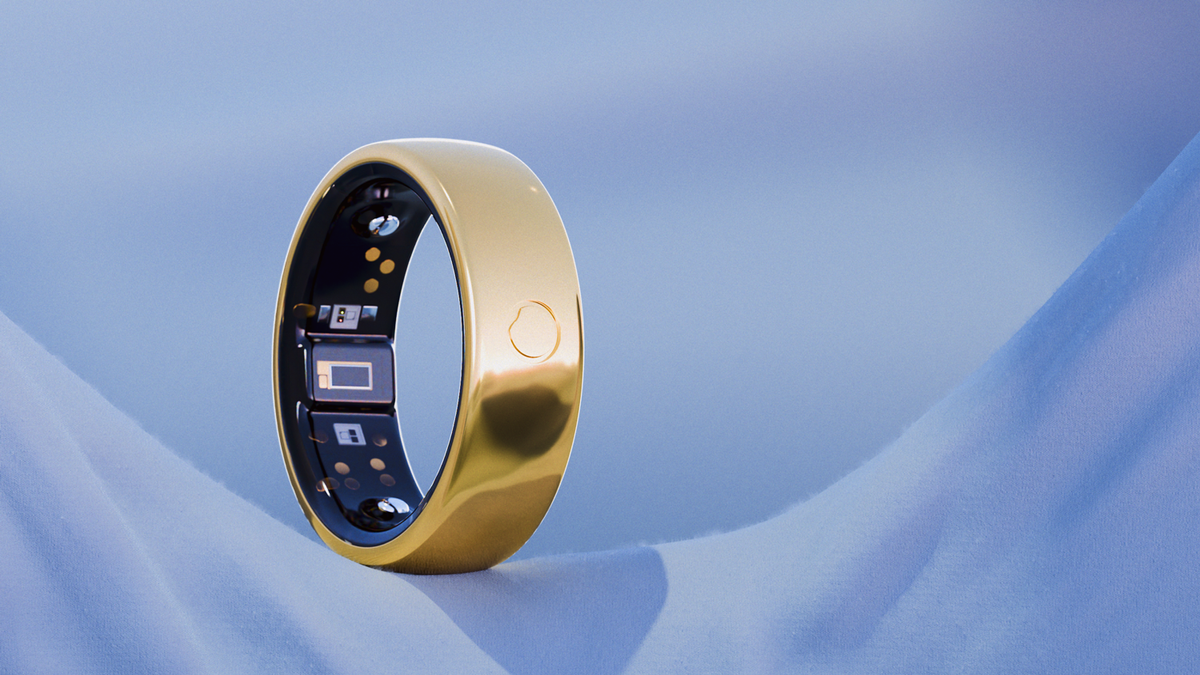
Wearables Shrink While Intelligence Grows
Image
Image

Smaller Devices, Bigger Insights

Wearables at CES 2026 moved away from screens and notifications.

Popular formats included:

  • Smart rings
  • Clip-on health trackers
  • Passive monitoring devices

These wearables emphasize continuous health insight without constant interruption, reflecting changing consumer expectations.

The Business of CES 2026: Why AI Dominated

Market Forces at Play

The AI-heavy focus wasn’t accidental.

Driving factors included:

  • Explosive growth in AI investment
  • Pressure to show tangible AI value
  • Rising hardware costs pushing efficiency
  • Competition for developer and enterprise attention

CES 2026 became a platform for companies to prove they are AI-ready, not just AI-aware.

What Didn’t Steal the Spotlight

Interestingly, some traditionally dominant categories felt quieter:

  • Smartphones had fewer dramatic announcements
  • TVs focused on refinement, not spectacle
  • VR remained present but restrained

This shift reflects where innovation momentum currently lies: automation, intelligence, and integration

Live Coverage Reflected the Chaos and Excitement

TechCrunch’s live coverage captured the real energy of CES 2026:

  • Constant product announcements
  • Unexpected demos
  • Rapid shifts between serious and strange

This live-blog style reinforced CES’s identity as a controlled chaos of innovation, where breakthroughs and curiosities coexist.

Why CES 2026 Matters Beyond Las Vegas

CES is not just a trade show—it’s a signal.

CES 2026 tells us that:

  • AI is now hardware-native
  • Robotics are becoming practical
  • Consumer tech is prioritizing efficiency
  • The line between software and hardware is fading

These trends will shape product launches throughout 2026 and beyond.

What Consumers Should Take Away

For everyday users, CES 2026 suggests:

  • Smarter devices without added complexity
  • More automation in homes and workplaces
  • Increased reliance on AI-driven systems
  • Greater emphasis on privacy and local processing

The future being built is quieter, more adaptive, and less screen-centric.

What Comes Next After CES 2026

As products move from show floor to store shelves:

  • Software updates will matter as much as hardware
  • AI reliability will determine success
  • User trust will be critical

Not every CES product will survive, but the ideas introduced here will shape the year ahead.

Conclusion

CES 2026 wrapped up as one of the most robot- and AI-heavy tech shows in history. It delivered awe-inspiring robotics, practical AI-powered gadgets, and delightfully weird inventions that remind us why CES remains relevant.

Rather than overwhelming users with novelty, CES 2026 showed an industry learning how to integrate intelligence naturally into everyday objects. The result is a future that feels less like science fiction and more like quietly capable technology working in the background.

As the lights dim in Las Vegas, one thing is clear: the era of AI-first consumer hardware has officially begun.


Disclaimer

We strive to uphold the highest ethical standards in all of our reporting and coverage. We StartupNews.fyi want to be transparent with our readers about any potential conflicts of interest that may arise in our work. It’s possible that some of the investors we feature may have connections to other businesses, including competitors or companies we write about. However, we want to assure our readers that this will not have any impact on the integrity or impartiality of our reporting. We are committed to delivering accurate, unbiased news and information to our audience, and we will continue to uphold our ethics and principles in all of our work. Thank you for your trust and support.

Website Upgradation is going on for any glitch kindly connect at office@startupnews.fyi

More like this

Zetwerk’s GMV slips 11% in FY25; posts Rs 371...

B2B e-commerce unicorn Zetwerk, which is reportedly preparing...

Conservative Lawmakers Want Porn Taxes. Critics Say They’re Unconstitutional

As age-verification laws continue to dismantle the adult industry—and...

Medical Office: Meet The Startup Helping Doctors Focus On...

Luxembourg’s shortage of general practitioners and specialists is...

Popular

iptv iptv iptv