
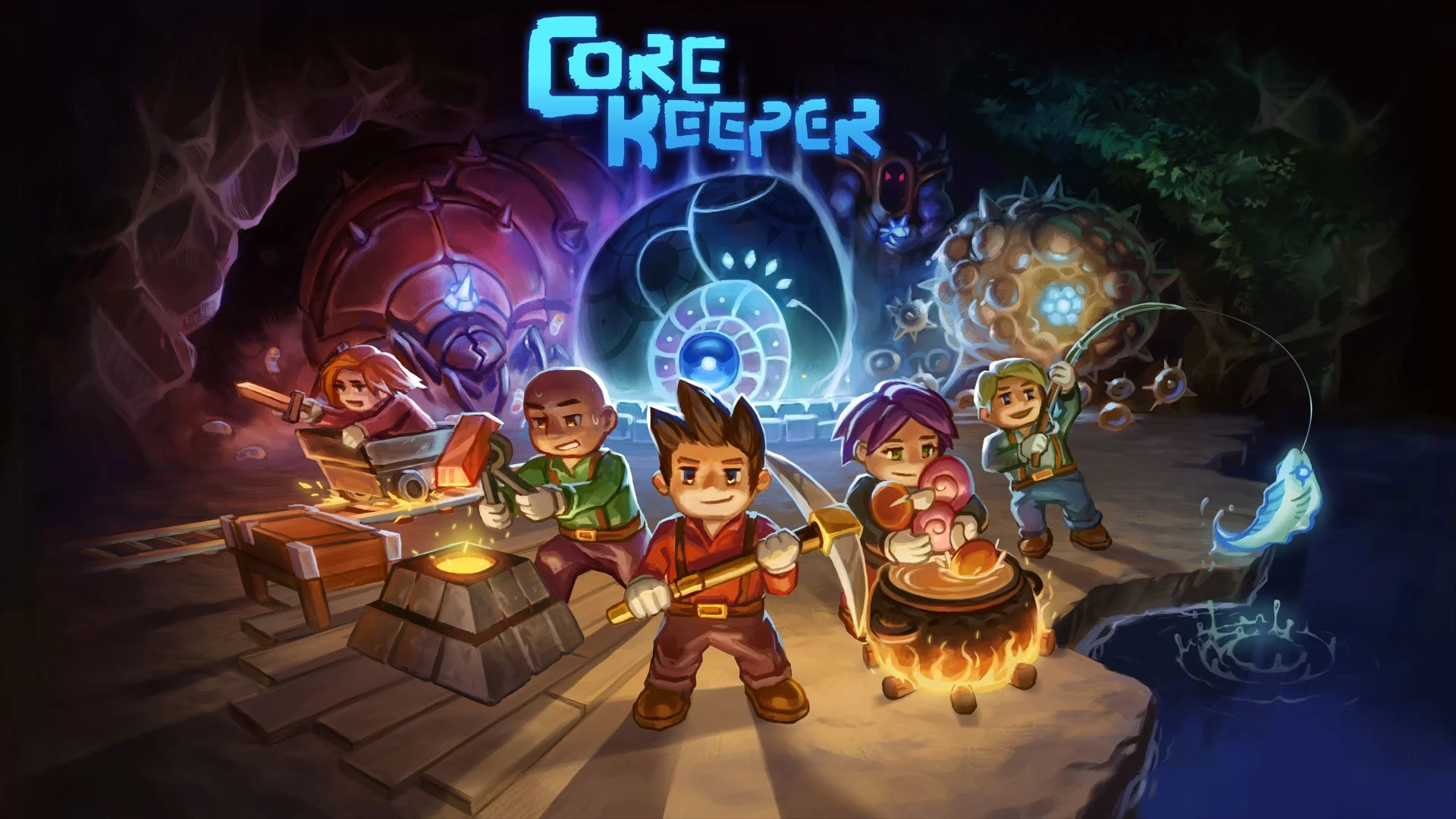
Core Keeper has quietly evolved into one of the most ambitious survival RPGs in recent years. As its underground world continues to expand with new biomes, bosses, systems, and lore, Xbox players—especially those preparing for the next major update—have more reasons than ever to pay attention. This deep dive explains how the game has grown, what makes it unique, and why its upcoming evolution matters.
When Core Keeper first launched, it looked deceptively simple. A pixel-art survival game set entirely underground, it appeared at a glance to borrow familiar ideas from crafting sandboxes and action RPGs. But over time, it has become clear that Core Keeper is doing something far more ambitious.
Developed by Pugstorm and published by Fireshine Games, Core Keeper has steadily expanded its subterranean world into a dense, interconnected ecosystem of biomes, progression systems, and cooperative play. Each update has added layers of depth rather than simply piling on content.
With the game now available on Xbox Series X and Xbox Series S, many console players are encountering Core Keeper for the first time. As another significant update approaches, understanding what the game has already become—and where it is heading—is essential for anyone considering diving in.
A World Built Entirely Underground
One of Core Keeper’s most distinctive traits is its setting. Unlike most survival games that begin on a surface world and push players downward, Core Keeper starts and ends underground. The entire experience unfolds in a vast, procedurally generated cavern system that slowly opens outward from a mysterious central structure known as the Core.
This design choice fundamentally shapes how the game feels. Exploration is not about climbing mountains or crossing oceans but about pushing through darkness, carving tunnels, and lighting the unknown. Progression feels physical and earned, as players dig deeper and further from their starting point, uncovering increasingly dangerous environments.
The underground setting also reinforces a sense of isolation and discovery that resonates strongly with survival RPG fans. Every biome feels like a hidden ecosystem rather than a destination on a map.
How Progression Actually Works
At the heart of Core Keeper is a progression system that blends survival mechanics with RPG-style growth. Instead of traditional experience points tied solely to combat, the game rewards players for almost everything they do.
Mining, farming, cooking, crafting, fishing, fighting, and even running all contribute to skill growth. Over time, players shape their character organically through playstyle rather than rigid class selection. This makes the game particularly appealing to players who enjoy experimenting and defining their own role within a group.
For Xbox players accustomed to more structured RPGs, this system may initially feel subtle. However, as skills accumulate and perks unlock, the long-term depth becomes clear. Small choices compound into meaningful advantages, especially in cooperative play.
Biomes That Feel Like Separate Games
As Core Keeper has evolved, its biomes have become increasingly distinct in both mechanics and atmosphere. Early areas focus on basic survival and resource gathering, easing players into the rhythm of underground life. Later zones introduce environmental hazards, tougher enemies, and unique materials that force adaptation.
Each biome brings its own identity. Some emphasize combat and exploration, while others reward careful preparation and resource management. This variety prevents the underground world from feeling repetitive, even after dozens of hours.
Importantly, these biomes are not simply cosmetic changes. They influence how players build bases, choose equipment, and approach progression. For Xbox players jumping in now, the sheer scope of the world may be surprising given the game’s pixel-art presentation.
Bosses as Milestones, Not Roadblocks
Boss encounters in Core Keeper serve a different role than in many action RPGs. Rather than acting as isolated challenges, bosses function as progression gates that unlock new systems, materials, and areas.
Early bosses introduce core mechanics and establish the game’s tone. Later bosses become more complex, demanding better preparation, stronger gear, and cooperative strategies in multiplayer sessions. Each victory feels consequential because it reshapes the world and expands what players can do next.
This design encourages exploration and experimentation rather than pure grinding. Xbox players who enjoy structured progression without constant handholding will likely appreciate how bosses are woven into the game’s rhythm.
Crafting That Rewards Creativity
Crafting in Core Keeper goes far beyond basic survival necessities. While players begin by crafting tools and simple gear, the system expands into automation, advanced equipment, and elaborate base-building possibilities.
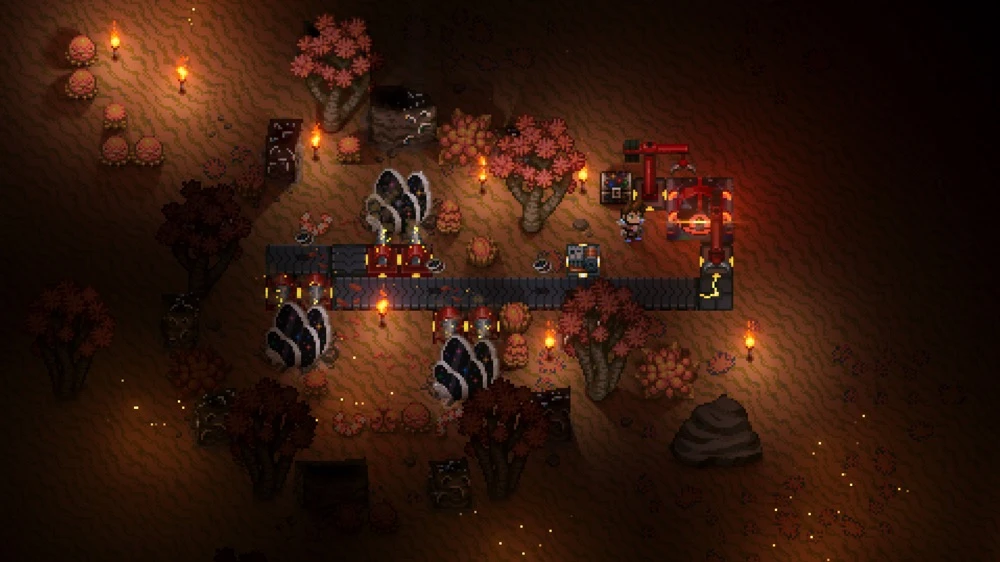
Over time, players can create sprawling underground settlements complete with farms, storage systems, and decorative elements. Automation becomes increasingly important, especially as resource demands grow. Conveyors, drills, and other mechanical tools allow players to scale their operations efficiently.
This emphasis on creative problem-solving is a major reason the game retains players long-term. It appeals equally to those who enjoy optimization and those who prefer aesthetic base design.
Cooking, Farming, and the Quiet Depth of Systems
Some of Core Keeper’s deepest systems are also its most understated. Cooking and farming, for example, are not optional side activities but central components of survival and progression.
Food provides powerful buffs that can significantly alter combat effectiveness, mining efficiency, and exploration stamina. Farming offers reliable access to key ingredients, encouraging players to invest time in building sustainable food production.
These systems add a layer of strategic planning that becomes increasingly important in later stages of the game. Xbox players who enjoy slower, methodical gameplay alongside bursts of action will find these mechanics particularly satisfying.
Co-Op That Feels Natural
Multiplayer is where Core Keeper truly shines. The game supports cooperative play that feels intuitive and flexible, allowing friends to share a world and contribute in different ways.
One player might focus on exploration and combat while another manages farming or base construction. Progress is shared, but roles remain fluid, adapting naturally as the group’s needs change.
For Xbox players accustomed to co-op survival experiences, Core Keeper offers a refreshing balance between teamwork and individual agency. The underground setting also amplifies the sense of shared discovery, making co-op sessions especially memorable.
Ongoing Updates and Expanding Ambitions
One of the most compelling aspects of Core Keeper is its steady evolution. Each major update has expanded the game’s scope without undermining its core identity.
New biomes, enemies, items, and systems have been added in ways that feel intentional rather than tacked on. The developers have shown a clear commitment to long-term growth, listening to community feedback while pursuing a cohesive vision.
As the next update approaches, expectations are high. Xbox players entering the game now benefit from a mature foundation that has already undergone significant refinement.
Why Xbox Players Are Entering at the Right Time
For console players, especially those on Xbox, Core Keeper arrives in a strong state. Many of the systems that early PC players watched evolve over time are now fully realized, offering a more complete experience from the outset.
Performance improvements, quality-of-life features, and content depth make the current version particularly accessible without sacrificing complexity. With another update on the horizon, Xbox players have the opportunity to grow alongside the game rather than playing catch-up.
How Core Keeper Fits Into the Survival RPG Landscape
Core Keeper occupies a unique space between survival sandbox and action RPG. It lacks the punishing difficulty of some hardcore survival games while offering far more depth than casual crafting titles.
Its underground focus, organic progression, and emphasis on player-driven discovery set it apart from more traditional genre entries. For Xbox players looking for a long-term game that rewards curiosity and creativity, it offers something genuinely distinctive.
Interlinking Opportunities for Deeper Exploration
This article naturally connects to broader coverage of survival RPGs on Xbox, cooperative indie games, and long-running early-access success stories. Linking to guides on base-building strategies, boss progression paths, and multiplayer tips can help players deepen their understanding as they explore the game.
Additional connections to interviews with the developers or retrospectives on the game’s update history can further contextualize Core Keeper’s growth.
Looking Ahead to the Next Update
While details about the upcoming update remain closely guarded, the game’s track record suggests meaningful expansion rather than incremental tweaks. New content is likely to deepen existing systems and extend the underground world further, reinforcing the game’s identity rather than reinventing it.
For players already invested, the update represents another chapter in a long-term journey. For newcomers, it is an invitation to join a world that continues to evolve in thoughtful ways.Conclusion
Core Keeper has grown far beyond its humble beginnings, transforming into a richly layered survival RPG with one of the most distinctive settings in the genre. Its expanding underground world, flexible progression systems, and cooperative focus make it especially appealing to Xbox players looking for depth without rigidity.
As the next major update approaches, there has rarely been a better time to dig in. Whether played solo or with friends, Core Keeper rewards patience, creativity, and curiosity in equal measure. For Xbox players willing to explore beneath the surface, the game offers a journey that continues to deepen with every update.


