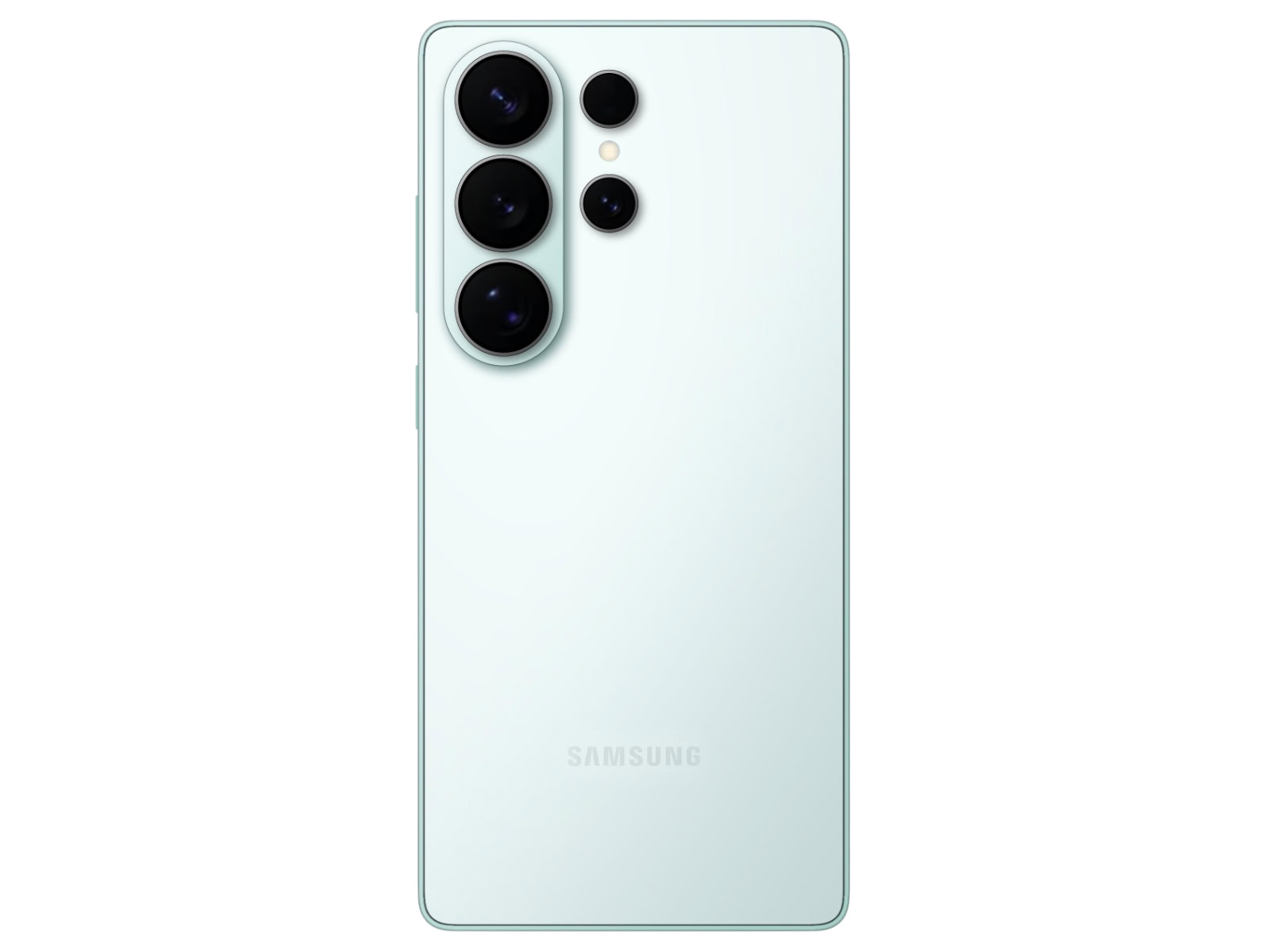
Galaxy S26 With Exynos 2600 Makes First Geekbench Appearance – Is a Global Exynos Comeback Finally Happening?

Share via:

The Samsung Galaxy S26 has reportedly surfaced on Geekbench for the first time, revealing the presence of the much-rumored Exynos 2600 chipset and immediately reigniting debate around Samsung’s long-term processor strategy. The benchmark listing, first highlighted by SammyFans, suggests that Samsung has entered an advanced testing phase for its next flagship smartphone. While benchmark leaks are common months ahead of major launches, this particular appearance carries far greater weight because it touches on one of Samsung’s most controversial decisions in recent years: whether Exynos can once again power Galaxy S devices on a global scale.

For Samsung, the Galaxy S26 is shaping up to be more than a routine annual refresh. It represents a critical moment for the company’s in-house silicon ambitions. The appearance of an Exynos-powered Galaxy S26 on Geekbench signals renewed confidence from Samsung’s semiconductor division and hints at a possible shift away from the region-based chipset strategy that has defined recent Galaxy S generations. Although Samsung has not confirmed anything officially, the implications of this leak extend well beyond raw benchmark numbers.

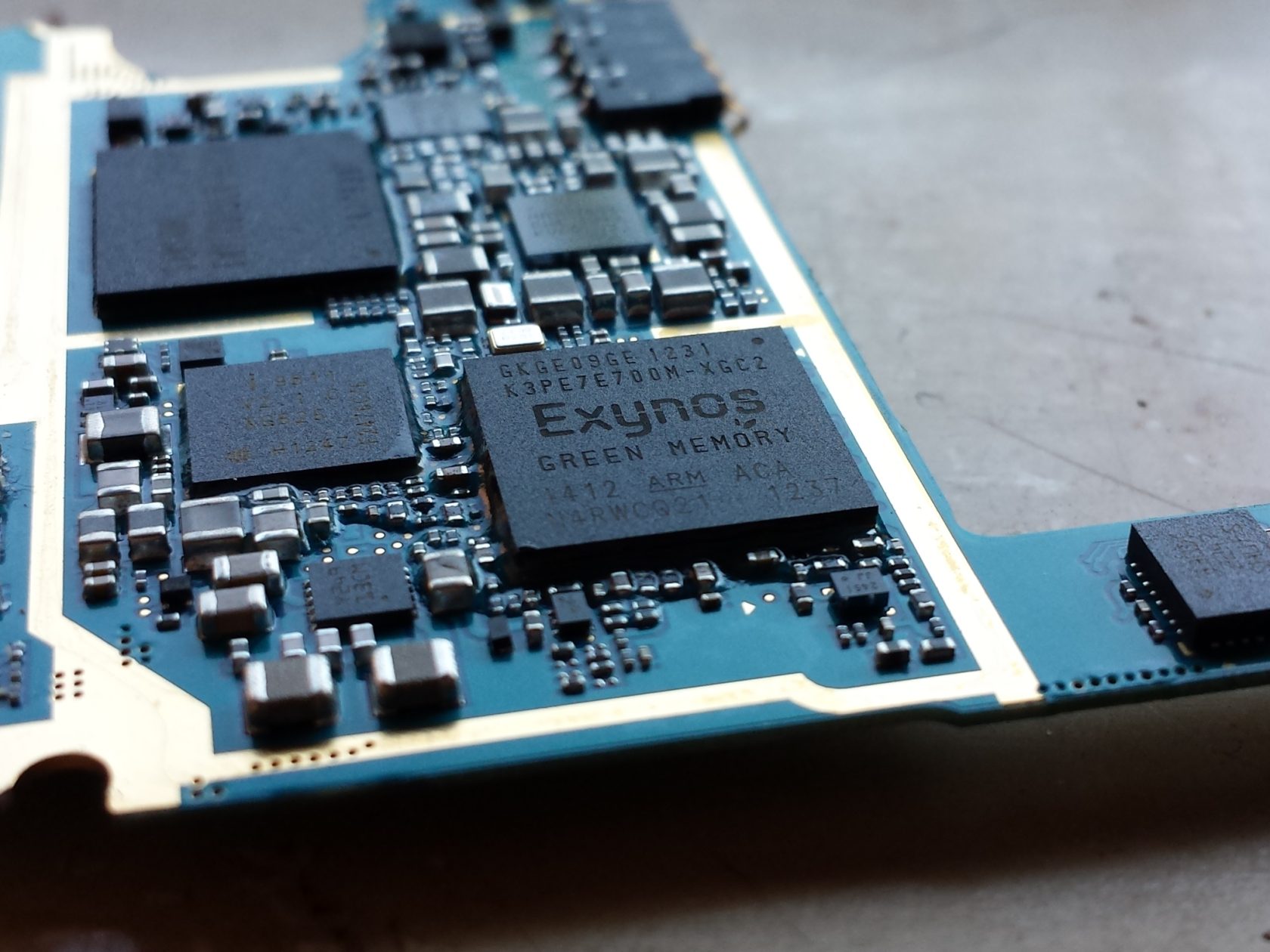
According to the Geekbench listing, the Galaxy S26 prototype is clearly identified as running on an Exynos platform, widely believed to be the upcoming Exynos 2600. Geekbench entries typically surface when hardware and firmware reach a stage stable enough for broader validation testing. This suggests that Exynos 2600 development is well underway and no longer confined to internal lab environments. In past years, Samsung was notably cautious about allowing early visibility of Exynos-based flagships, particularly when confidence in performance parity was low. This time, the public appearance suggests a more assertive approach.
METADATA-START

Samsung’s relationship with Exynos has been complex and often contentious. For much of the Galaxy S series’ history, Exynos chips powered Samsung’s flagships worldwide. Over time, however, performance inefficiencies, thermal concerns, and graphics shortcomings led to increasing criticism from users and reviewers. This pressure eventually pushed Samsung toward a split strategy, deploying Exynos chips in certain regions while relying on alternative processors elsewhere. While this approach reduced backlash in key markets, it also damaged Exynos’ global reputation and created inconsistency within Samsung’s flagship lineup.

The Galaxy S26 Geekbench sighting reopens the question of whether Samsung is ready to reverse course. A global Exynos rollout would only make sense if Samsung believes Exynos 2600 can finally deliver a consistent flagship experience across markets. Early benchmark results, while not definitive, suggest that Samsung is aiming for competitive multi-core performance and improved efficiency rather than chasing short-lived peak scores. This aligns with broader industry trends, where sustained performance, battery life, and thermal stability matter more than headline numbers.

Exynos 2600 is widely expected to be a significant step forward compared to previous generations. Industry observers believe Samsung has focused heavily on architectural refinements, power efficiency, and on-device artificial intelligence capabilities. Modern smartphones are increasingly judged by how well they handle AI-driven tasks such as photography, voice processing, background optimization, and real-time translation. If Exynos 2600 excels in these areas, Samsung may be able to reposition Exynos not just as competitive, but as differentiated.

It is important to emphasize that early Geekbench scores rarely tell the full story. Prototype devices often run unfinished software, conservative clock speeds, and incomplete thermal tuning. Samsung will continue refining Exynos 2600 for months before the Galaxy S26 reaches consumers. However, even at this early stage, benchmark data can reveal design intent. In this case, the intent appears to be clear: Exynos 2600 is being treated as a true flagship-class processor rather than a regional compromise.

The timing of this leak is also noteworthy. Appearing well ahead of the Galaxy S26 launch cycle, it suggests Samsung is comfortable allowing early scrutiny rather than keeping Exynos development hidden. This contrasts with previous years, when Exynos-related leaks were often sparse or emerged late in the development process. The shift in visibility may reflect internal confidence that Exynos 2600 will withstand closer examination as more data emerges.

A potential global Exynos rollout would have major implications for Samsung’s broader strategy. Samsung is one of the few companies in the world capable of designing, manufacturing, and deploying its own flagship processors at scale. Success with Exynos 2600 would strengthen Samsung’s vertical integration, giving it greater control over hardware-software optimization, long-term support, and feature differentiation. The Galaxy S26 could become a showcase for this integrated approach, similar to how some competitors tightly align their silicon and software strategies.

At the same time, consumer skepticism remains a major hurdle. Many users have long memories when it comes to Exynos-powered Galaxy devices, particularly in regions where performance gaps were noticeable. For Samsung, rebuilding trust will require more than competitive benchmarks. Battery efficiency, sustained gaming performance, camera processing consistency, and thermal behavior will all be closely scrutinized once retail units reach reviewers and consumers.

The competitive landscape Samsung faces in 2026 only raises the stakes further. Flagship smartphones are now expected to deliver exceptional performance across a wide range of tasks, from advanced gaming and AI workloads to all-day battery life and seamless multitasking. Any perceived weakness in Exynos 2600 would be magnified in this environment. Conversely, a strong showing could dramatically shift perceptions and give Samsung greater flexibility in future product planning.

Analysts have reacted to the Geekbench appearance with cautious optimism. Many view it as a sign that Samsung is no longer retreating from Exynos, but actively recommitting to its internal silicon roadmap. A global Exynos-powered Galaxy S26 would send a strong message to both consumers and competitors that Samsung believes it has finally closed the performance and efficiency gap that plagued earlier generations.

The Galaxy S26 Geekbench leak also raises questions about how Samsung may position Exynos 2600 in its marketing. Rather than focusing solely on raw power, Samsung may emphasize AI performance, efficiency, and real-world responsiveness. This would align with shifting consumer priorities and allow Exynos to compete on more than just benchmark charts. If executed well, this strategy could redefine how Exynos is perceived within the flagship smartphone conversation.

As the Galaxy S26 launch approaches, more indicators will help clarify Samsung’s intentions. Additional benchmark listings, firmware leaks, regulatory certifications, and regional testing data will all provide clues about whether Exynos 2600 is destined for a limited role or a truly global debut. Each new data point will be closely analyzed by enthusiasts and industry observers alike.

For now, the first Geekbench appearance of the Galaxy S26 with Exynos 2600 stands as a significant milestone. It confirms that Samsung’s next-generation chip is real, active, and being tested in a flagship-class device. It signals renewed confidence in Exynos and reopens the possibility of a unified global chipset strategy. While many questions remain unanswered, one thing is clear: Samsung is not done betting on Exynos.


Disclaimer

We strive to uphold the highest ethical standards in all of our reporting and coverage. We StartupNews.fyi want to be transparent with our readers about any potential conflicts of interest that may arise in our work. It’s possible that some of the investors we feature may have connections to other businesses, including competitors or companies we write about. However, we want to assure our readers that this will not have any impact on the integrity or impartiality of our reporting. We are committed to delivering accurate, unbiased news and information to our audience, and we will continue to uphold our ethics and principles in all of our work. Thank you for your trust and support.

Popular

More Like this

Galaxy S26 With Exynos 2600 Makes First Geekbench Appearance – Is a Global Exynos Comeback Finally Happening?

The Samsung Galaxy S26 has reportedly surfaced on Geekbench for the first time, revealing the presence of the much-rumored Exynos 2600 chipset and immediately reigniting debate around Samsung’s long-term processor strategy. The benchmark listing, first highlighted by SammyFans, suggests that Samsung has entered an advanced testing phase for its next flagship smartphone. While benchmark leaks are common months ahead of major launches, this particular appearance carries far greater weight because it touches on one of Samsung’s most controversial decisions in recent years: whether Exynos can once again power Galaxy S devices on a global scale.

For Samsung, the Galaxy S26 is shaping up to be more than a routine annual refresh. It represents a critical moment for the company’s in-house silicon ambitions. The appearance of an Exynos-powered Galaxy S26 on Geekbench signals renewed confidence from Samsung’s semiconductor division and hints at a possible shift away from the region-based chipset strategy that has defined recent Galaxy S generations. Although Samsung has not confirmed anything officially, the implications of this leak extend well beyond raw benchmark numbers.

According to the Geekbench listing, the Galaxy S26 prototype is clearly identified as running on an Exynos platform, widely believed to be the upcoming Exynos 2600. Geekbench entries typically surface when hardware and firmware reach a stage stable enough for broader validation testing. This suggests that Exynos 2600 development is well underway and no longer confined to internal lab environments. In past years, Samsung was notably cautious about allowing early visibility of Exynos-based flagships, particularly when confidence in performance parity was low. This time, the public appearance suggests a more assertive approach.

METADATA-START

Samsung’s relationship with Exynos has been complex and often contentious. For much of the Galaxy S series’ history, Exynos chips powered Samsung’s flagships worldwide. Over time, however, performance inefficiencies, thermal concerns, and graphics shortcomings led to increasing criticism from users and reviewers. This pressure eventually pushed Samsung toward a split strategy, deploying Exynos chips in certain regions while relying on alternative processors elsewhere. While this approach reduced backlash in key markets, it also damaged Exynos’ global reputation and created inconsistency within Samsung’s flagship lineup.

The Galaxy S26 Geekbench sighting reopens the question of whether Samsung is ready to reverse course. A global Exynos rollout would only make sense if Samsung believes Exynos 2600 can finally deliver a consistent flagship experience across markets. Early benchmark results, while not definitive, suggest that Samsung is aiming for competitive multi-core performance and improved efficiency rather than chasing short-lived peak scores. This aligns with broader industry trends, where sustained performance, battery life, and thermal stability matter more than headline numbers.

Exynos 2600 is widely expected to be a significant step forward compared to previous generations. Industry observers believe Samsung has focused heavily on architectural refinements, power efficiency, and on-device artificial intelligence capabilities. Modern smartphones are increasingly judged by how well they handle AI-driven tasks such as photography, voice processing, background optimization, and real-time translation. If Exynos 2600 excels in these areas, Samsung may be able to reposition Exynos not just as competitive, but as differentiated.

It is important to emphasize that early Geekbench scores rarely tell the full story. Prototype devices often run unfinished software, conservative clock speeds, and incomplete thermal tuning. Samsung will continue refining Exynos 2600 for months before the Galaxy S26 reaches consumers. However, even at this early stage, benchmark data can reveal design intent. In this case, the intent appears to be clear: Exynos 2600 is being treated as a true flagship-class processor rather than a regional compromise.

The timing of this leak is also noteworthy. Appearing well ahead of the Galaxy S26 launch cycle, it suggests Samsung is comfortable allowing early scrutiny rather than keeping Exynos development hidden. This contrasts with previous years, when Exynos-related leaks were often sparse or emerged late in the development process. The shift in visibility may reflect internal confidence that Exynos 2600 will withstand closer examination as more data emerges.

A potential global Exynos rollout would have major implications for Samsung’s broader strategy. Samsung is one of the few companies in the world capable of designing, manufacturing, and deploying its own flagship processors at scale. Success with Exynos 2600 would strengthen Samsung’s vertical integration, giving it greater control over hardware-software optimization, long-term support, and feature differentiation. The Galaxy S26 could become a showcase for this integrated approach, similar to how some competitors tightly align their silicon and software strategies.

At the same time, consumer skepticism remains a major hurdle. Many users have long memories when it comes to Exynos-powered Galaxy devices, particularly in regions where performance gaps were noticeable. For Samsung, rebuilding trust will require more than competitive benchmarks. Battery efficiency, sustained gaming performance, camera processing consistency, and thermal behavior will all be closely scrutinized once retail units reach reviewers and consumers.

The competitive landscape Samsung faces in 2026 only raises the stakes further. Flagship smartphones are now expected to deliver exceptional performance across a wide range of tasks, from advanced gaming and AI workloads to all-day battery life and seamless multitasking. Any perceived weakness in Exynos 2600 would be magnified in this environment. Conversely, a strong showing could dramatically shift perceptions and give Samsung greater flexibility in future product planning.

Analysts have reacted to the Geekbench appearance with cautious optimism. Many view it as a sign that Samsung is no longer retreating from Exynos, but actively recommitting to its internal silicon roadmap. A global Exynos-powered Galaxy S26 would send a strong message to both consumers and competitors that Samsung believes it has finally closed the performance and efficiency gap that plagued earlier generations.

The Galaxy S26 Geekbench leak also raises questions about how Samsung may position Exynos 2600 in its marketing. Rather than focusing solely on raw power, Samsung may emphasize AI performance, efficiency, and real-world responsiveness. This would align with shifting consumer priorities and allow Exynos to compete on more than just benchmark charts. If executed well, this strategy could redefine how Exynos is perceived within the flagship smartphone conversation.

As the Galaxy S26 launch approaches, more indicators will help clarify Samsung’s intentions. Additional benchmark listings, firmware leaks, regulatory certifications, and regional testing data will all provide clues about whether Exynos 2600 is destined for a limited role or a truly global debut. Each new data point will be closely analyzed by enthusiasts and industry observers alike.

For now, the first Geekbench appearance of the Galaxy S26 with Exynos 2600 stands as a significant milestone. It confirms that Samsung’s next-generation chip is real, active, and being tested in a flagship-class device. It signals renewed confidence in Exynos and reopens the possibility of a unified global chipset strategy. While many questions remain unanswered, one thing is clear: Samsung is not done betting on Exynos.

Disclaimer

We strive to uphold the highest ethical standards in all of our reporting and coverage. We StartupNews.fyi want to be transparent with our readers about any potential conflicts of interest that may arise in our work. It’s possible that some of the investors we feature may have connections to other businesses, including competitors or companies we write about. However, we want to assure our readers that this will not have any impact on the integrity or impartiality of our reporting. We are committed to delivering accurate, unbiased news and information to our audience, and we will continue to uphold our ethics and principles in all of our work. Thank you for your trust and support.

Website Upgradation is going on for any glitch kindly connect at office@startupnews.fyi

More like this

Apple introduces Creator Studio Subscription for video, music and...

Apple has unveiled Apple Creator Studio, a new...

How Much Can We Influence AI Responses?

Right now, we’re dealing with a search landscape...

CarDekho Group backed Carrum raises Series A funding from...

CarDekho Group backed fleet management company Carrum has...

Popular

iptv subscription iptv subscription iptv subscription iptv subscription iptv subscription iptv subscription iptv subscription iptv subscription iptv subscription iptv subscription iptv subscription iptv subscription iptv subscription iptv subscription iptv subscription iptv subscription iptv subscription iptv subscription iptv subscription iptv subscription iptv subscription iptv subscription iptv subscription iptv subscription iptv subscription iptv subscription iptv subscription iptv subscription iptv subscription iptv subscription iptv subscription iptv subscription iptv subscription iptv subscription iptv subscription iptv subscription iptv subscription iptv subscription iptv subscription iptv subscription iptv subscription iptv subscription iptv subscription iptv subscription iptv subscription iptv subscription iptv subscription iptv subscription iptv subscription iptv subscription iptv subscription iptv subscription iptv subscription iptv subscription iptv subscription iptv subscription iptv subscription iptv subscription iptv subscription iptv subscription iptv subscription iptv subscription iptv subscription iptv subscription iptv subscription iptv subscription iptv subscription iptv subscription iptv subscription iptv subscription iptv subscription iptv subscription iptv subscription iptv subscription iptv subscription iptv subscription iptv subscription iptv subscription iptv subscription iptv subscription iptv subscription iptv subscription iptv subscription iptv subscription iptv subscription iptv subscription iptv subscription iptv subscription iptv subscription iptv subscription iptv subscription iptv subscription iptv subscription iptv subscription iptv subscription iptv subscription iptv subscription iptv subscription iptv subscription iptv subscription iptv subscription iptv subscription iptv subscription iptv subscription iptv subscription iptv subscription iptv subscription iptv subscription iptv subscription iptv subscription iptv subscription iptv subscription iptv subscription iptv subscription iptv subscription iptv subscription iptv subscription iptv subscription iptv subscription iptv subscription iptv subscription iptv subscription iptv subscription iptv subscription iptv subscription iptv subscription iptv subscription iptv subscription iptv subscription iptv subscription iptv subscription iptv subscription iptv subscription iptv subscription iptv subscription iptv subscription iptv subscription iptv subscription iptv subscription iptv subscription iptv subscription iptv subscription iptv subscription iptv subscription iptv subscription iptv subscription iptv subscription iptv subscription iptv subscription iptv subscription iptv subscription iptv subscription iptv subscription iptv subscription iptv subscription iptv subscription iptv subscription iptv subscription iptv subscription iptv subscription iptv subscription iptv subscription iptv subscription iptv subscription iptv subscription iptv subscription iptv subscription iptv subscription iptv subscription iptv subscription iptv subscription iptv subscription iptv subscription iptv subscription iptv subscription iptv subscription iptv subscription iptv subscription iptv subscription iptv subscription iptv subscription iptv subscription iptv subscription iptv subscription iptv subscription iptv subscription iptv subscription iptv subscription iptv subscription iptv subscription iptv subscription iptv subscription iptv subscription iptv subscription iptv subscription iptv subscription iptv subscription iptv subscription iptv subscription iptv iptv iptv iptv iptv iptv iptv iptv iptv iptv iptv iptv iptv iptv iptv iptv iptv iptv iptv iptv iptv iptv iptv iptv iptv iptv iptv iptv iptv iptv iptv iptv iptv iptv iptv iptv iptv iptv iptv iptv iptv iptv iptv iptv iptv iptv iptv iptv iptv iptv iptv iptv iptv iptv iptv iptv iptv iptv iptv iptv iptv iptv iptv iptv iptv iptv iptv iptv iptv iptv iptv iptv iptv iptv iptv iptv iptv iptv iptv iptv iptv iptv iptv iptv iptv iptv iptv iptv iptv iptv iptv iptv iptv iptv iptv iptv iptv iptv iptv