
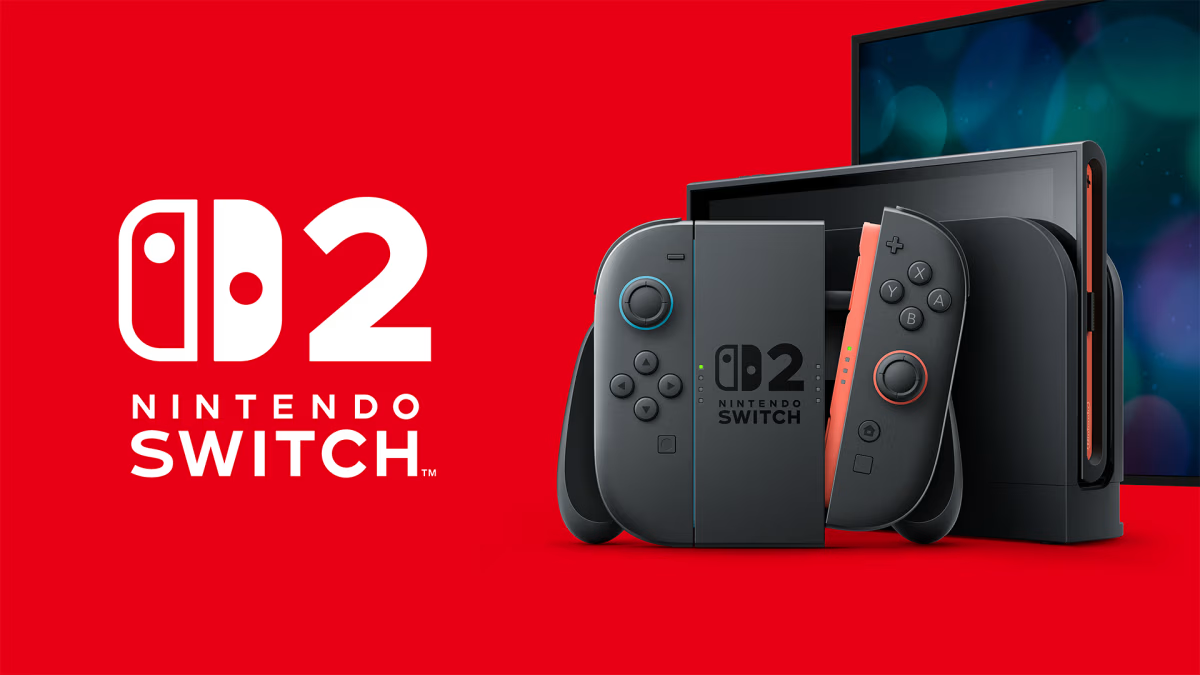
Japan’s video game market is kicking off the year with a notable mix of high-profile upgrades and fresh original releases, reflecting both nostalgia and innovation in equal measure. According to a weekly roundup published by Gematsu, this week’s Japanese game releases are led by the arrival of Animal Crossing: New Horizons – Nintendo Switch 2 Edition, alongside a range of smaller but creatively ambitious titles such as CASSETTE BOY. Together, these releases offer a clear snapshot of where the Japanese games industry is heading in early 2026.
The standout release of the week is undoubtedly the Nintendo Switch 2 Edition of Animal Crossing: New Horizons. Originally launched on the first Nintendo Switch, Animal Crossing: New Horizons became a cultural phenomenon, particularly during its early years. Its reappearance as an enhanced edition signals Nintendo’s intent to carry its most beloved franchises forward into the next generation of hardware. For many players in Japan, this release represents both a return to a familiar world and an introduction to the technical improvements promised by Nintendo’s new console.
The Nintendo Switch 2 Edition is widely expected to take advantage of upgraded hardware capabilities, offering smoother performance, faster load times, and improved visual fidelity. While the core charm of Animal Crossing remains unchanged, these refinements aim to modernize the experience without compromising its relaxing, community-driven design. In Japan, where Animal Crossing holds a special place in popular culture, the release is likely to drive renewed interest among long-time fans as well as newcomers to the series.
This release also carries broader significance for Nintendo. As the company transitions into a new hardware generation, bringing proven franchises to the Nintendo Switch 2 helps ensure continuity and stability. Animal Crossing: New Horizons – Nintendo Switch 2 Edition serves as both a showcase for the console’s capabilities and a reminder of Nintendo’s strength in long-lasting, evergreen titles.
Beyond Nintendo’s flagship offering, this week’s Japanese releases also highlight the growing presence of smaller, more experimental games. CASSETTE BOY stands out as a creative indie title that draws inspiration from retro aesthetics while embracing modern gameplay design. Its inclusion in this week’s lineup reflects the increasingly diverse nature of Japan’s gaming output, where independent developers are gaining greater visibility alongside major publishers.
CASSETTE BOY’s appeal lies in its distinctive style and focus on narrative-driven gameplay. Indie games like this often resonate strongly with Japanese audiences who appreciate originality and artistic expression. The game’s release underscores how Japan’s market continues to support a wide spectrum of creative voices, from established franchises to emerging developers testing new ideas.
This week’s lineup also demonstrates how Japanese game releases are no longer defined solely by large-scale console titles. While blockbuster games still command attention, the steady flow of mid-sized and indie releases contributes to a richer and more varied ecosystem. Digital distribution platforms have played a key role in enabling this diversity, allowing smaller titles to reach audiences without the barriers once imposed by physical retail.
The timing of these releases is also notable. Early-year launch windows in Japan are often seen as opportunities to build momentum ahead of busier spring and summer periods. By releasing Animal Crossing: New Horizons – Nintendo Switch 2 Edition now, Nintendo positions the title as a foundation for sustained engagement throughout the year. At the same time, indie games released during this period benefit from reduced competition, giving them space to attract attention.
From a consumer perspective, this week’s Japanese game releases cater to a wide range of play styles. Animal Crossing appeals to players seeking relaxation and long-term progression, while titles like CASSETTE BOY target those looking for more focused, narrative-driven experiences. This balance reflects an industry that understands the varied expectations of modern players.
The renewed focus on enhanced editions also highlights a broader industry trend. As new hardware launches, publishers increasingly revisit successful games from previous generations, updating them for improved performance and compatibility. In Japan, where nostalgia plays a powerful role in media consumption, these enhanced editions often perform particularly well. They offer familiarity while still delivering tangible improvements.
For developers, the success of enhanced editions can provide valuable breathing room. Revisiting proven titles allows studios to generate revenue while investing time and resources into future projects. Animal Crossing’s Nintendo Switch 2 Edition fits neatly into this strategy, reinforcing the franchise’s relevance as Nintendo prepares its next wave of original releases.
Meanwhile, the steady output of original titles like CASSETTE BOY reflects the resilience of Japan’s indie scene. Independent developers continue to experiment with storytelling, mechanics, and visual styles that might be considered too niche for mainstream publishers. These games often find dedicated audiences both domestically and internationally, contributing to Japan’s global reputation as a hub of creative game design.
The Japanese market remains unique in how it blends tradition and innovation. Long-running franchises coexist with experimental new concepts, and both physical and digital releases maintain relevance. This week’s lineup is a clear example of that balance, with Animal Crossing representing continuity and CASSETTE BOY symbolizing creative exploration.
International observers also pay close attention to weekly Japanese game releases, as they often foreshadow global trends. Successful launches in Japan frequently influence localization decisions and international release schedules. Animal Crossing’s enduring popularity, for example, has consistently translated across regions, reinforcing Nintendo’s global strategy.
The presence of Nintendo Switch 2–focused releases further emphasizes how closely the Japanese market aligns with Nintendo’s hardware roadmap. Historically, Nintendo’s home market has played a crucial role in shaping the company’s global success. Strong domestic support for the Switch 2 could have ripple effects across international markets.
As the week unfolds, sales performance and player reception will offer clearer insights into how these titles are resonating. Animal Crossing’s re-release is likely to dominate charts, but the long-term impact of smaller titles should not be underestimated. Indie games often rely on word-of-mouth and community engagement, gradually building momentum over time.
Ultimately, this week’s Japanese game releases paint a picture of an industry in transition but firmly grounded in its strengths. Familiar franchises continue to evolve, new hardware gains traction through trusted titles, and independent developers push creative boundaries. Together, these elements ensure that Japan’s gaming landscape remains dynamic and influential.
For players, the lineup offers both comfort and curiosity. Returning to the peaceful life of Animal Crossing feels reassuring, while exploring new worlds in titles like CASSETTE BOY invites discovery. This duality is part of what makes Japanese game releases so compelling week after week.


