
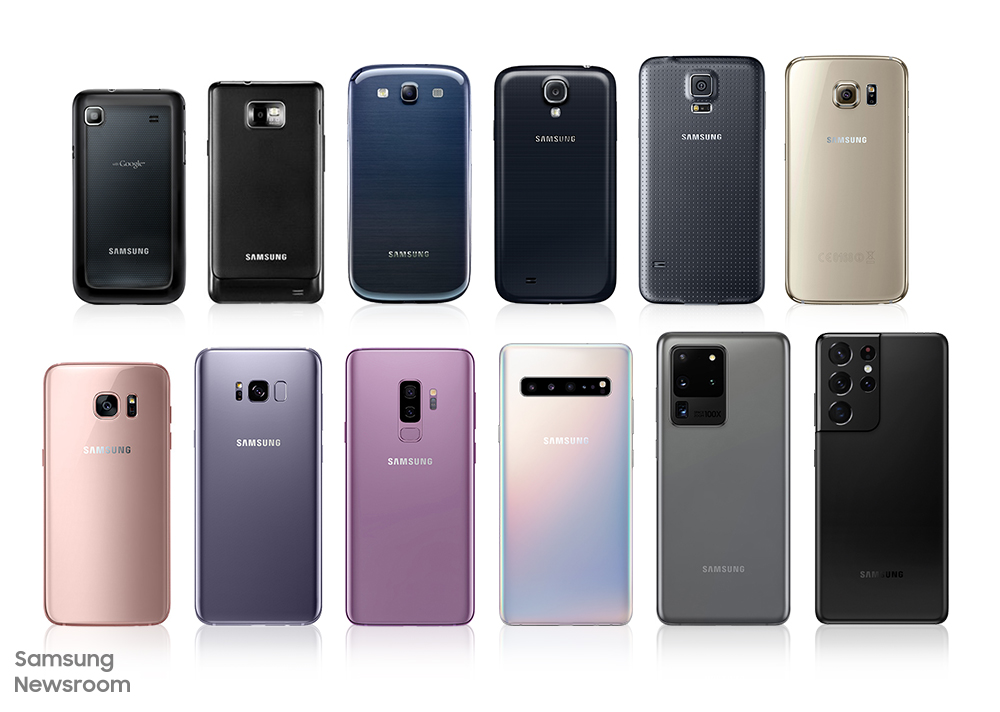
Samsung’s upcoming Galaxy S26 and Galaxy S26 Ultra are already generating strong reactions—and not all of them are positive. According to reader feedback and polling highlighted by PhoneArena, a large portion of Samsung fans are unimpressed with the rumored design changes for the next-generation Galaxy S lineup. At a time when expectations for flagship smartphones are higher than ever, this lukewarm response raises important questions about Samsung’s current design direction and whether refinement has crossed into stagnation.
The Galaxy S series has long been Samsung’s most recognizable smartphone line, setting the tone for Android flagship design year after year. However, as early renders and leaks of the Galaxy S26 and Galaxy S26 Ultra circulate, many readers feel that Samsung’s visual evolution has slowed to a crawl. Rather than delivering a bold refresh, the upcoming models appear to continue a familiar design language that some users believe has run its course.
Why Design Still Matters in Flagship Smartphones
In the premium smartphone segment, design plays a critical role beyond aesthetics. Flagships are not just tools; they are personal devices that users carry daily, often as expressions of identity. For many buyers, especially at premium price points, visual distinction matters as much as performance upgrades.
Samsung has historically excelled at balancing innovation and familiarity. From curved displays to hole-punch cameras, the Galaxy S line has often introduced trends that shaped the broader Android ecosystem. The criticism surrounding the Galaxy S26 suggests that fans expect Samsung to once again lead rather than follow incremental design paths.
What Readers Are Reacting To
Based on the feedback reported by PhoneArena, the dissatisfaction stems from a perception that the Galaxy S26 and S26 Ultra look too similar to their predecessors. The overall silhouette, camera placement, and front-facing design appear largely unchanged, reinforcing the feeling that Samsung is prioritizing consistency over creativity.
While consistency can strengthen brand identity, it can also lead to fatigue. Many readers expressed that they struggle to distinguish the Galaxy S26 from earlier models at a glance. In a market crowded with premium devices, this lack of immediate visual impact may weaken Samsung’s ability to generate excitement ahead of launch.
The Ultra Model Under Greater Scrutiny
The Galaxy S26 Ultra faces even higher expectations. As Samsung’s top-tier flagship, the Ultra model is traditionally where the company showcases its most advanced hardware and design flourishes. However, early impressions suggest that the Ultra’s design changes are subtle at best.
For a device that often commands the highest price in Samsung’s lineup, fans expect a sense of exclusivity and boldness. The muted reaction indicates that some users feel the Galaxy S26 Ultra does not sufficiently differentiate itself visually from previous Ultra models, despite its premium positioning.
Samsung’s Design Philosophy: Refinement Over Reinvention
Samsung’s apparent strategy with the Galaxy S26 series reflects a broader industry trend toward refinement. As smartphone form factors mature, manufacturers increasingly focus on polishing proven designs rather than reinventing them annually. This approach reduces risk and ensures ergonomic familiarity.
However, the reaction to the Galaxy S26 design leaks suggests that refinement alone may not satisfy loyal fans. When year-over-year changes become too subtle, even well-executed designs can feel stale. Samsung now faces the challenge of balancing safe evolution with the need to inspire.
Are Consumers Asking for Too Much?
It is worth considering whether expectations for smartphone design have become unrealistic. Major breakthroughs in form factor are rare, and true innovation often requires years of development. Some argue that fans demanding dramatic visual changes every year may overlook the practical benefits of design stability.
Still, the feedback captured by PhoneArena indicates that dissatisfaction is less about radical transformation and more about perceived effort. Many readers appear to want small but meaningful visual updates that signal progress rather than repetition.
Comparisons With Competing Flagships
Samsung does not operate in a vacuum. Competing Android manufacturers and even Apple face similar criticism when designs remain unchanged for multiple generations. However, competitors have experimented with camera module shapes, materials, and finishes to refresh visual identity without sacrificing familiarity.
In this context, Samsung’s conservative approach with the Galaxy S26 lineup risks making its flagships appear less adventurous, particularly among tech enthusiasts who closely follow design trends.
Camera Design Fatigue Sets In
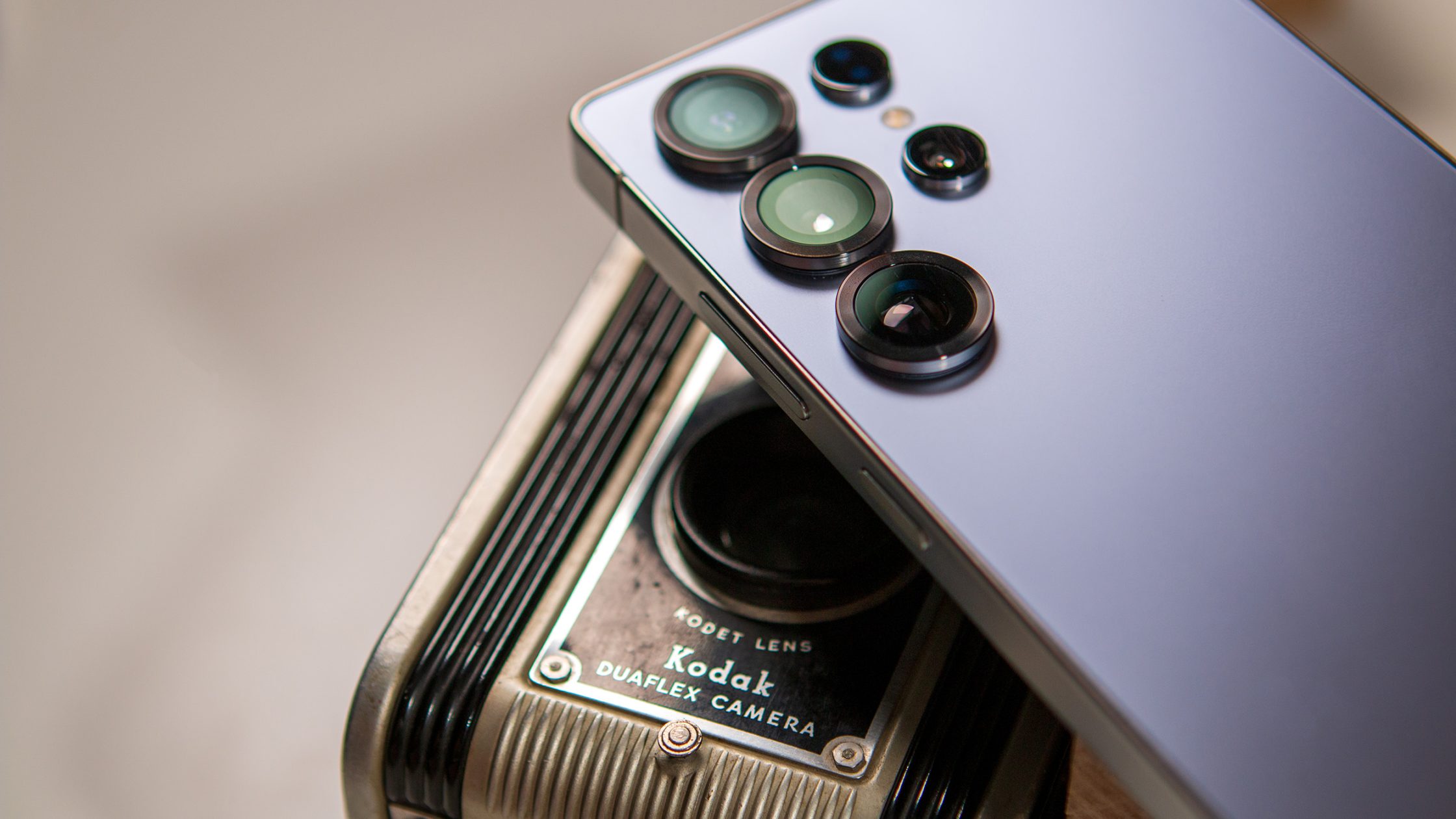
One recurring theme in reader reactions is fatigue with Samsung’s current camera design language. The vertically aligned, individual lens rings have become a signature look, but some fans feel it has overstayed its welcome.
Camera systems are often the most visually distinctive element of modern smartphones. A lack of change in this area contributes significantly to the perception that the Galaxy S26 design is uninspired, even if internal camera technology improves.
The Role of Leaks and Expectations
It is important to note that these reactions are based on leaks, renders, and early design rumors rather than finalized products. Leaks can sometimes misrepresent materials, finishes, or subtle refinements that are more apparent in person.
However, leaks also shape expectations. When early impressions fail to excite, Samsung faces an uphill battle to reverse perception, even if the final product offers incremental improvements not captured in renders.
Design Versus Innovation: A Broader Debate
The Galaxy S26 design backlash feeds into a broader debate within the smartphone industry. As performance gains become less noticeable to average users, design takes on greater importance as a differentiator. If devices feel visually stagnant, innovation elsewhere may go unnoticed.
Samsung’s challenge is not simply to change for the sake of change, but to ensure that its design evolution communicates progress. Even subtle refinements must feel intentional and forward-looking.
What Samsung Might Be Prioritizing Instead
Samsung may be betting that users care more about features, performance, and longevity than cosmetic changes. Improvements in display efficiency, battery life, AI features, and software experience may be central to the Galaxy S26 strategy.
If these upgrades are substantial, Samsung could argue that design continuity supports usability and brand recognition. However, the early reader response suggests that many fans still want visible cues that a new generation has arrived.
The Risk of Alienating Core Fans
Samsung’s most vocal critics are often its most dedicated fans. These are the users who upgrade frequently and influence broader public perception through online discussions. Ignoring their feedback entirely could risk eroding brand enthusiasm over time.
The reaction to the Galaxy S26 design changes does not necessarily indicate declining interest in the product, but it does highlight a desire for Samsung to reassert its design leadership.
Could Software and Experience Offset Design Concerns?
Samsung has increasingly focused on software differentiation through One UI, ecosystem integration, and AI-driven features. A compelling user experience could mitigate design disappointment, especially if it delivers tangible daily benefits.
However, first impressions matter. For many consumers, design is the first point of engagement, and dissatisfaction at that stage can influence purchasing decisions regardless of software improvements.
What This Means Ahead of Launch
As the Galaxy S26 launch approaches, Samsung still has opportunities to reshape the narrative. Official reveals often highlight details that leaks miss, such as new materials, finishes, or ergonomic improvements.
Marketing will also play a role in reframing design continuity as a strength rather than a weakness. Whether that messaging resonates will depend on how convincingly Samsung can articulate the benefits of its choices.
Conclusion: Familiarity Versus Fatigue
The reaction to the Galaxy S26 and Galaxy S26 Ultra design changes underscores a growing tension in the smartphone market. Consumers appreciate refinement, but they also crave visible progress. For many readers, Samsung’s upcoming flagships appear to lean too heavily toward familiarity at the expense of excitement.
Whether this perception holds once the devices are officially unveiled remains to be seen. What is clear is that Samsung faces rising expectations not just to improve its technology, but to inspire confidence that its design vision is still evolving. The Galaxy S26 may ultimately succeed on performance and features, but regaining design momentum could be just as important for maintaining Samsung’s flagship legacy.


