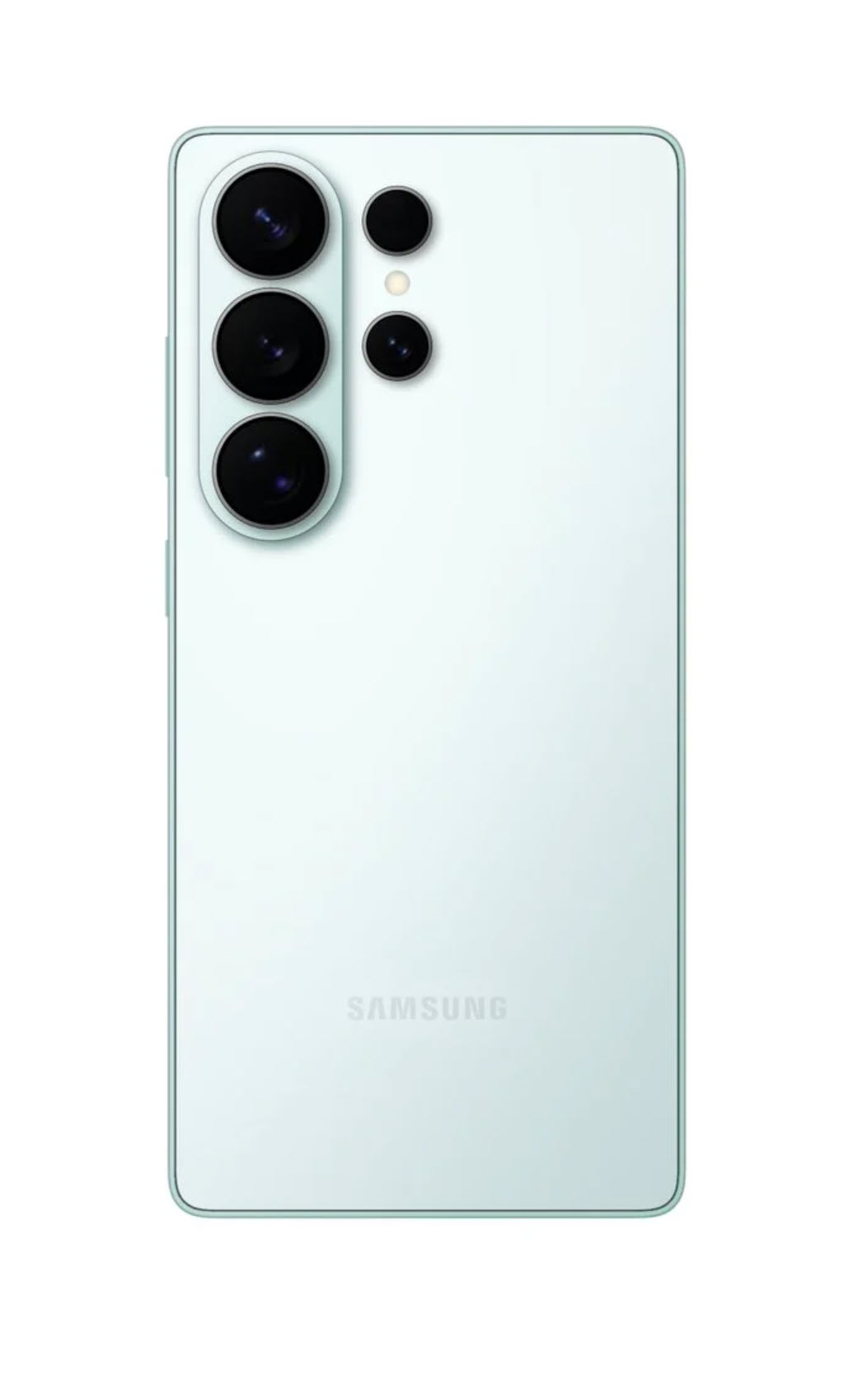
The Samsung Galaxy S26 Ultra’s Weak Point Raises Early Concerns for Samsung’s 2026 Flagship

Share via:

The Samsung Galaxy S26 Ultra is shaping up to be one of the most anticipated smartphones of 2026, but early analysis suggests that it may also arrive with a notable vulnerability. According to detailed reporting by Forbes, Samsung’s next Ultra flagship could face renewed criticism over performance consistency, chipset fragmentation, and memory configuration choices—issues that have historically divided opinion among Galaxy enthusiasts.

While the Galaxy S Ultra line is widely praised for its display quality, camera innovation, and premium build, performance parity has remained a sensitive topic. Early benchmark data and supply chain signals indicate that Samsung may once again rely on a split chipset strategy involving Snapdragon and Exynos processors, potentially creating uneven user experiences across global markets.

Why Performance Consistency Matters More Than Ever

In the modern flagship smartphone market, raw performance is no longer just about speed. It is about sustained efficiency, thermal management, AI workloads, and long-term reliability. Users paying premium prices expect consistency regardless of region.

The Galaxy S26 Ultra’s potential weak point lies in how Samsung balances these demands. With competitors increasingly standardizing global hardware configurations, any perceived disparity risks undermining Samsung’s premium positioning.

Historically, Samsung’s Ultra models have delivered class-leading displays and cameras, but performance debates—especially surrounding Exynos variants—have lingered. The S26 Ultra appears poised to reopen that discussion.

Snapdragon vs Exynos: A Familiar Fault Line

According to Forbes’ analysis, Samsung is again expected to ship the Galaxy S26 Ultra with different chipsets depending on market. Some regions may receive Qualcomm’s latest Snapdragon platform, while others may rely on Samsung’s in-house Exynos silicon.

This dual-chip strategy has long been controversial. While Samsung has made progress narrowing performance gaps, benchmarks often reveal differences in sustained performance, power efficiency, and GPU capability. Even when real-world differences are subtle, perception matters, and Galaxy Ultra buyers tend to be highly informed.

The concern is not that Exynos is incapable, but that inconsistency at this price tier feels increasingly outdated.

Benchmark Results Fuel Early Worries

Early benchmark leaks cited by Forbes suggest that while peak performance numbers may look competitive, sustained workloads tell a different story. Thermal throttling and efficiency under extended load remain areas where Snapdragon variants traditionally outperform Exynos counterparts.

For power users—gamers, creators, and professionals—this distinction matters. The Galaxy S26 Ultra is marketed as a do-everything device, and any limitation under heavy use undermines that promise.

Benchmarks are not the whole story, but they shape early narratives, especially when leaks surface months ahead of launch.

Memory Configuration: Another Pressure Point

Beyond the processor debate, memory specifications may represent another weak spot. Reports suggest Samsung could maintain conservative RAM configurations on base Galaxy S26 Ultra models, while competitors push higher memory ceilings as standard.

In isolation, this may not affect everyday performance. However, as on-device AI, multitasking, and computational photography become more demanding, memory headroom increasingly impacts longevity.

For a device expected to remain premium for several years, memory decisions made today influence how well it ages.

AI Workloads Raise the Stakes

The Galaxy S26 Ultra is expected to lean heavily into AI-powered features, from camera processing to system-level intelligence. AI workloads place unique demands on both processing and memory architecture.

If Exynos variants struggle with sustained AI tasks or memory bandwidth limitations, disparities could become more noticeable over time. This makes chipset and memory decisions more critical than in previous generations.

Samsung’s challenge is ensuring that all variants deliver a consistently premium AI experience.

Thermal Design and Efficiency Concerns

Performance is not only about silicon but also about how heat is managed. Ultra-thin designs and powerful components create thermal challenges, particularly under sustained load.

If early reports are accurate, Samsung’s thermal tuning may once again differ between variants. This could lead to differences in gaming performance, camera processing speed, and even battery longevity.

For a device carrying the “Ultra” name, these trade-offs are closely scrutinized.

Perception vs Reality in the Premium Segment

Even if real-world differences between Galaxy S26 Ultra variants are small, perception plays an outsized role. Premium buyers expect the best, not “almost the same.”

Samsung has faced criticism in past generations not because Exynos devices were unusable, but because buyers felt they were receiving an inferior version of the same flagship. The S26 Ultra risks reigniting that sentiment if the strategy remains unchanged

Why Samsung Keeps the Dual-Chip Strategy

From Samsung’s perspective, the split approach has strategic logic. Exynos development supports vertical integration, reduces long-term dependency on external suppliers, and strengthens Samsung’s semiconductor business.

However, this strategy comes at a reputational cost when performance parity is questioned. The Galaxy S26 Ultra highlights the tension between corporate strategy and consumer expectations

How Rivals Are Shaping Expectations

Competing flagship devices increasingly ship with a single global chipset configuration, ensuring uniform performance worldwide. This consistency simplifies messaging and builds trust.

In comparison, Samsung’s approach feels more complex—and complexity often works against premium branding. The Galaxy S26 Ultra enters a market where expectations for transparency and parity are higher than ever

Cameras and Display Still Set the Benchmark

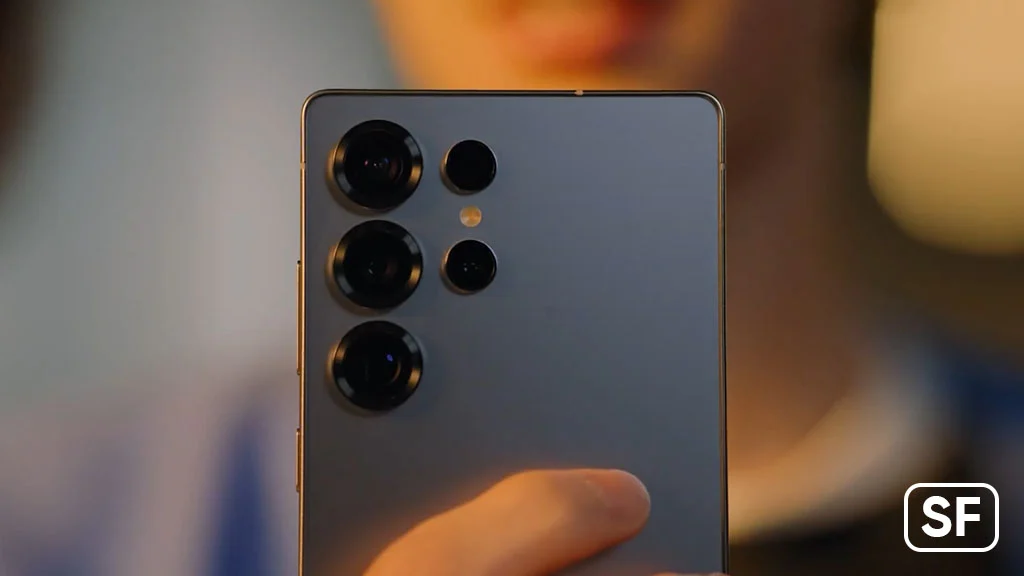
It is important to note that the Galaxy S26 Ultra’s potential weak point does not overshadow its strengths. Samsung is expected to deliver best-in-class display technology and advanced camera hardware once again.

However, flagship devices are judged holistically. When one area invites criticism, it can disproportionately affect overall perception, even if other aspects excel.
Long-Term Software Support Adds Pressure

Samsung’s commitment to extended software updates means that hardware decisions must stand the test of time. A device expected to receive updates for many years must have the performance and memory headroom to keep up.

If the S26 Ultra launches with tight margins in certain configurations, its long-term experience could diverge more sharply than Samsung intends.

Can Samsung Course-Correct Before Launch?

Leaks and early benchmarks are not final products. Samsung still has time to refine thermal tuning, optimize software, and potentially adjust memory configurations before release.

However, once narratives take hold, they are difficult to reverse. The Galaxy S26 Ultra’s biggest challenge may be perception as much as performance.

Why This Matters for Samsung’s Flagship Identity

The Galaxy S Ultra line represents Samsung at its most ambitious. Any compromise—real or perceived—cuts deeper at this level.

The S26 Ultra’s weak point highlights a broader question about Samsung’s flagship philosophy. Is refinement enough, or does the Ultra brand demand absolute parity and excess?

Conclusion: A Small Weakness With Big Implications

The Samsung Galaxy S26 Ultra is shaping up to be a powerful and feature-rich flagship, but early signs suggest that chipset strategy and memory decisions could become its most debated weakness. In a premium market defined by expectations of excellence without compromise, even small disparities matter.

Samsung’s challenge is not just delivering top-tier hardware, but delivering it consistently across markets. If the company can address performance parity and memory concerns before launch, the Galaxy S26 Ultra may still define Android excellence in 2026.


Disclaimer

We strive to uphold the highest ethical standards in all of our reporting and coverage. We StartupNews.fyi want to be transparent with our readers about any potential conflicts of interest that may arise in our work. It’s possible that some of the investors we feature may have connections to other businesses, including competitors or companies we write about. However, we want to assure our readers that this will not have any impact on the integrity or impartiality of our reporting. We are committed to delivering accurate, unbiased news and information to our audience, and we will continue to uphold our ethics and principles in all of our work. Thank you for your trust and support.

Popular

More Like this

The Samsung Galaxy S26 Ultra’s Weak Point Raises Early Concerns for Samsung’s 2026 Flagship

The Samsung Galaxy S26 Ultra is shaping up to be one of the most anticipated smartphones of 2026, but early analysis suggests that it may also arrive with a notable vulnerability. According to detailed reporting by Forbes, Samsung’s next Ultra flagship could face renewed criticism over performance consistency, chipset fragmentation, and memory configuration choices—issues that have historically divided opinion among Galaxy enthusiasts.

While the Galaxy S Ultra line is widely praised for its display quality, camera innovation, and premium build, performance parity has remained a sensitive topic. Early benchmark data and supply chain signals indicate that Samsung may once again rely on a split chipset strategy involving Snapdragon and Exynos processors, potentially creating uneven user experiences across global markets.

Why Performance Consistency Matters More Than Ever

In the modern flagship smartphone market, raw performance is no longer just about speed. It is about sustained efficiency, thermal management, AI workloads, and long-term reliability. Users paying premium prices expect consistency regardless of region.

The Galaxy S26 Ultra’s potential weak point lies in how Samsung balances these demands. With competitors increasingly standardizing global hardware configurations, any perceived disparity risks undermining Samsung’s premium positioning.

Historically, Samsung’s Ultra models have delivered class-leading displays and cameras, but performance debates—especially surrounding Exynos variants—have lingered. The S26 Ultra appears poised to reopen that discussion.

Snapdragon vs Exynos: A Familiar Fault Line

According to Forbes’ analysis, Samsung is again expected to ship the Galaxy S26 Ultra with different chipsets depending on market. Some regions may receive Qualcomm’s latest Snapdragon platform, while others may rely on Samsung’s in-house Exynos silicon.

This dual-chip strategy has long been controversial. While Samsung has made progress narrowing performance gaps, benchmarks often reveal differences in sustained performance, power efficiency, and GPU capability. Even when real-world differences are subtle, perception matters, and Galaxy Ultra buyers tend to be highly informed.

The concern is not that Exynos is incapable, but that inconsistency at this price tier feels increasingly outdated.

Benchmark Results Fuel Early Worries

Early benchmark leaks cited by Forbes suggest that while peak performance numbers may look competitive, sustained workloads tell a different story. Thermal throttling and efficiency under extended load remain areas where Snapdragon variants traditionally outperform Exynos counterparts.

For power users—gamers, creators, and professionals—this distinction matters. The Galaxy S26 Ultra is marketed as a do-everything device, and any limitation under heavy use undermines that promise.

Benchmarks are not the whole story, but they shape early narratives, especially when leaks surface months ahead of launch.

Memory Configuration: Another Pressure Point

Beyond the processor debate, memory specifications may represent another weak spot. Reports suggest Samsung could maintain conservative RAM configurations on base Galaxy S26 Ultra models, while competitors push higher memory ceilings as standard.

In isolation, this may not affect everyday performance. However, as on-device AI, multitasking, and computational photography become more demanding, memory headroom increasingly impacts longevity.

For a device expected to remain premium for several years, memory decisions made today influence how well it ages.

AI Workloads Raise the Stakes

The Galaxy S26 Ultra is expected to lean heavily into AI-powered features, from camera processing to system-level intelligence. AI workloads place unique demands on both processing and memory architecture.

If Exynos variants struggle with sustained AI tasks or memory bandwidth limitations, disparities could become more noticeable over time. This makes chipset and memory decisions more critical than in previous generations.

Samsung’s challenge is ensuring that all variants deliver a consistently premium AI experience.

Thermal Design and Efficiency Concerns

Performance is not only about silicon but also about how heat is managed. Ultra-thin designs and powerful components create thermal challenges, particularly under sustained load.

If early reports are accurate, Samsung’s thermal tuning may once again differ between variants. This could lead to differences in gaming performance, camera processing speed, and even battery longevity.

For a device carrying the “Ultra” name, these trade-offs are closely scrutinized.

Perception vs Reality in the Premium Segment

Even if real-world differences between Galaxy S26 Ultra variants are small, perception plays an outsized role. Premium buyers expect the best, not “almost the same.”

Samsung has faced criticism in past generations not because Exynos devices were unusable, but because buyers felt they were receiving an inferior version of the same flagship. The S26 Ultra risks reigniting that sentiment if the strategy remains unchanged

Why Samsung Keeps the Dual-Chip Strategy

From Samsung’s perspective, the split approach has strategic logic. Exynos development supports vertical integration, reduces long-term dependency on external suppliers, and strengthens Samsung’s semiconductor business.

However, this strategy comes at a reputational cost when performance parity is questioned. The Galaxy S26 Ultra highlights the tension between corporate strategy and consumer expectations

How Rivals Are Shaping Expectations

Competing flagship devices increasingly ship with a single global chipset configuration, ensuring uniform performance worldwide. This consistency simplifies messaging and builds trust.

In comparison, Samsung’s approach feels more complex—and complexity often works against premium branding. The Galaxy S26 Ultra enters a market where expectations for transparency and parity are higher than ever

Cameras and Display Still Set the Benchmark

It is important to note that the Galaxy S26 Ultra’s potential weak point does not overshadow its strengths. Samsung is expected to deliver best-in-class display technology and advanced camera hardware once again.

However, flagship devices are judged holistically. When one area invites criticism, it can disproportionately affect overall perception, even if other aspects excel.

Long-Term Software Support Adds Pressure

Samsung’s commitment to extended software updates means that hardware decisions must stand the test of time. A device expected to receive updates for many years must have the performance and memory headroom to keep up.

If the S26 Ultra launches with tight margins in certain configurations, its long-term experience could diverge more sharply than Samsung intends.

Can Samsung Course-Correct Before Launch?

Leaks and early benchmarks are not final products. Samsung still has time to refine thermal tuning, optimize software, and potentially adjust memory configurations before release.

However, once narratives take hold, they are difficult to reverse. The Galaxy S26 Ultra’s biggest challenge may be perception as much as performance.

Why This Matters for Samsung’s Flagship Identity

The Galaxy S Ultra line represents Samsung at its most ambitious. Any compromise—real or perceived—cuts deeper at this level.

The S26 Ultra’s weak point highlights a broader question about Samsung’s flagship philosophy. Is refinement enough, or does the Ultra brand demand absolute parity and excess?

Conclusion: A Small Weakness With Big Implications

The Samsung Galaxy S26 Ultra is shaping up to be a powerful and feature-rich flagship, but early signs suggest that chipset strategy and memory decisions could become its most debated weakness. In a premium market defined by expectations of excellence without compromise, even small disparities matter.

Samsung’s challenge is not just delivering top-tier hardware, but delivering it consistently across markets. If the company can address performance parity and memory concerns before launch, the Galaxy S26 Ultra may still define Android excellence in 2026.

Disclaimer

We strive to uphold the highest ethical standards in all of our reporting and coverage. We StartupNews.fyi want to be transparent with our readers about any potential conflicts of interest that may arise in our work. It’s possible that some of the investors we feature may have connections to other businesses, including competitors or companies we write about. However, we want to assure our readers that this will not have any impact on the integrity or impartiality of our reporting. We are committed to delivering accurate, unbiased news and information to our audience, and we will continue to uphold our ethics and principles in all of our work. Thank you for your trust and support.

Website Upgradation is going on for any glitch kindly connect at office@startupnews.fyi

More like this

How do you use Tom’s Hardware? Take our survey...

We here at Tom's Hardware are running a short...

How to watch Senegal vs Egypt (it’s free) —...

The Senegal vs Egypt live stream is set to...

Popular

iptv iptv iptv iptv iptv iptv iptv iptv iptv iptv iptv iptv iptv iptv iptv iptv iptv iptv iptv iptv iptv iptv iptv iptv iptv iptv iptv iptv iptv iptv iptv iptv iptv iptv iptv iptv iptv iptv iptv iptv iptv iptv iptv iptv iptv iptv iptv iptv iptv iptv iptv iptv iptv iptv iptv iptv iptv iptv iptv iptv iptv iptv iptv iptv iptv iptv iptv iptv iptv iptv iptv iptv iptv iptv iptv iptv iptv iptv iptv iptv iptv iptv iptv iptv iptv iptv iptv iptv iptv iptv iptv iptv iptv iptv iptv iptv iptv iptv iptv iptv iptv iptv iptv iptv iptv iptv iptv iptv iptv iptv iptv iptv iptv iptv iptv iptv iptv iptv iptv iptv iptv iptv iptv iptv iptv iptv iptv iptv iptv iptv iptv iptv iptv iptv iptv iptv iptv iptv iptv iptv iptv iptv iptv iptv iptv iptv iptv iptv iptv iptv iptv iptv iptv iptv iptv iptv iptv iptv iptv iptv iptv iptv iptv iptv iptv iptv iptv iptv iptv iptv iptv iptv iptv iptv iptv iptv iptv iptv iptv iptv iptv iptv iptv iptv iptv iptv iptv iptv iptv iptv iptv iptv iptv iptv iptv iptv iptv iptv iptv iptv iptv iptv iptv iptv iptv iptv iptv iptv iptv iptv iptv iptv iptv iptv iptv iptv iptv iptv iptv iptv iptv iptv iptv iptv iptv iptv iptv iptv iptv iptv iptv iptv iptv iptv iptv iptv iptv iptv iptv iptv iptv iptv iptv iptv iptv iptv iptv iptv iptv iptv iptv iptv iptv iptv iptv iptv iptv iptv iptv iptv iptv iptv iptv iptv iptv iptv iptv iptv iptv iptv iptv iptv iptv iptv iptv iptv iptv iptv iptv iptv iptv iptv iptv iptv iptv iptv iptv iptv iptv iptv iptv iptv iptv iptv iptv iptv iptv iptv iptv iptv iptv iptv iptv iptv iptv iptv iptv iptv iptv iptv iptv iptv iptv iptv iptv iptv iptv iptv iptv iptv iptv iptv iptv iptv iptv iptv iptv iptv iptv iptv iptv iptv iptv iptv iptv iptv iptv iptv iptv iptv iptv iptv iptv iptv iptv iptv iptv iptv iptv iptv iptv iptv iptv iptv iptv iptv iptv iptv iptv iptv iptv iptv iptv iptv iptv iptv iptv iptv iptv iptv iptv iptv iptv iptv iptv iptv iptv iptv iptv iptv iptv iptv iptv iptv iptv iptv iptv iptv iptv iptv iptv iptv iptv iptv iptv iptv iptv iptv iptv iptv iptv iptv iptv iptv iptv iptv iptv iptv iptv iptv iptv iptv iptv iptv iptv iptv iptv iptv iptv iptv iptv iptv iptv iptv iptv iptv iptv iptv iptv iptv iptv iptv iptv iptv iptv iptv iptv iptv iptv iptv iptv iptv iptv iptv iptv iptv iptv iptv iptv iptv iptv iptv iptv iptv iptv iptv iptv iptv iptv iptv iptv iptv iptv iptv iptv iptv iptv iptv iptv iptv iptv iptv iptv iptv iptv iptv