Animal Crossing’s Big 3.0 Update Has Fans Eager to Return to the Cozy Island Life

Share via:

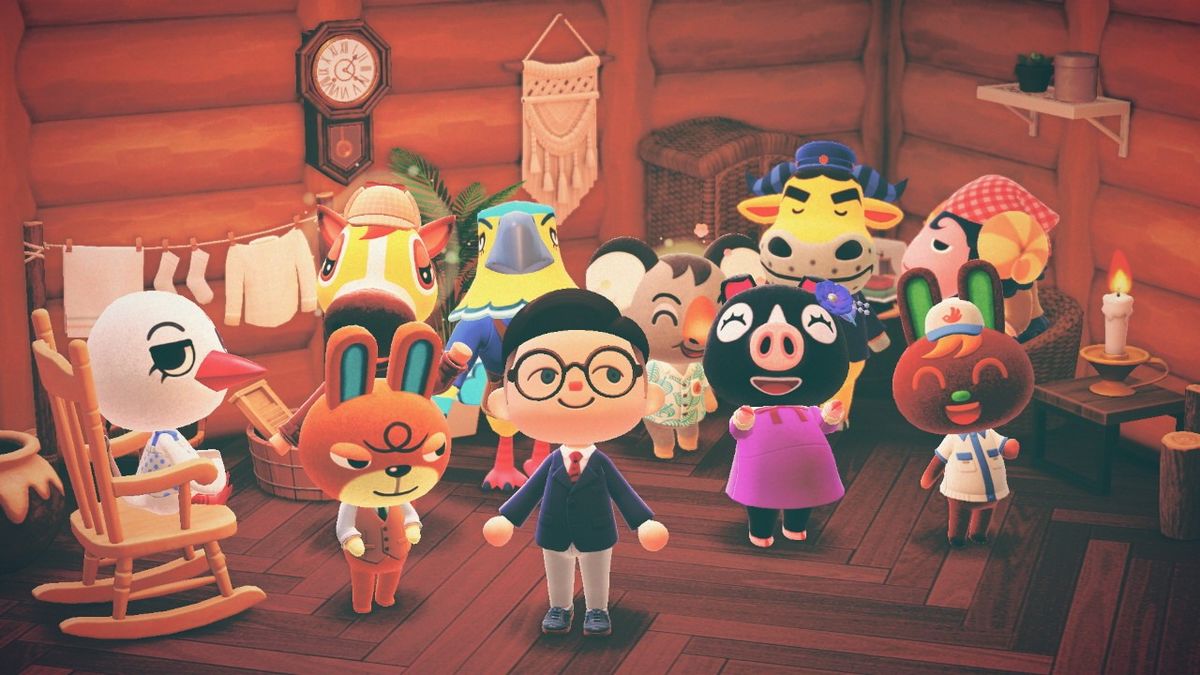
The return of Animal Crossing: New Horizons to the spotlight has been driven by a simple but powerful force: comfort. With the release of its long-awaited 3.0 update, Nintendo has reignited enthusiasm for one of the most culturally influential games of the past decade. As reported by The Verge, the update has sparked a wave of community excitement, drawing players back to their virtual islands years after many first put the game down.

Animal Crossing has always been more than a game. For millions, it was a refuge during uncertain times, a gentle routine built around friendship, creativity, and slow progress. The 3.0 update does not attempt to radically reinvent that formula. Instead, it builds upon what made the game beloved in the first place, reminding players why the cozy island life still holds such enduring appeal.

When Animal Crossing: New Horizons launched, it quickly became a global phenomenon. Its real-time progression, charming characters, and peaceful gameplay loop offered a stark contrast to the intensity of many modern games. Over time, however, even the most dedicated players drifted away as routines settled and updates slowed.

The 3.0 update arrives as a deliberate reawakening. It acknowledges the game’s legacy while signaling that Nintendo has not forgotten its devoted community. For many fans, the update feels less like a patch and more like an invitation to come home.
One of the most striking aspects of the community reaction is how emotional it has been. Players are not just discussing new features or changes; they are sharing memories. Social platforms are filled with screenshots of old islands being dusted off, villagers being greeted again, and long-abandoned projects finally resumed.

This emotional response highlights Animal Crossing’s unique position in gaming culture. Few games foster such personal attachment. The 3.0 update taps directly into that bond, proving that even subtle changes can have a profound impact when a game is deeply woven into players’ lives.

The update’s success lies in its respect for the game’s pacing. Rather than overwhelming players with aggressive objectives or time-limited events, the 3.0 update reinforces the idea that Animal Crossing is meant to be experienced slowly. New reasons to play are introduced gently, encouraging exploration without pressure.

This design philosophy aligns perfectly with the game’s core identity. In a gaming landscape dominated by urgency and competition, Animal Crossing continues to stand apart by celebrating patience and routine.

Fans returning to the game often describe a sense of familiarity mixed with freshness. The island is the same, but it feels alive again. Daily check-ins regain purpose, conversations with villagers feel meaningful, and creative impulses resurface.

The Verge’s coverage emphasizes how the update has rekindled the desire to engage in small, comforting rituals. Watering flowers, rearranging furniture, or simply listening to the in-game music has regained significance for players who once felt they had seen everything the game had to offer.

Another reason the 3.0 update resonates so strongly is timing. In an era of constant digital noise, many players are seeking experiences that feel grounding. Animal Crossing offers a digital space where nothing demands immediate attentio

The update does not try to compete with blockbuster releases or trending genres. Instead, it leans fully into coziness, a quality that has gained cultural importance as players increasingly value games that promote relaxation and emotional well-being.

Nintendo’s approach with the 3.0 update also reflects confidence in its audience. Rather than chasing new players with dramatic overhauls, the company focused on rewarding loyalty. This strategy strengthens long-term trust between developer and community.

For returning players, the update feels personal, as though Nintendo understood exactly why they left and what might bring them back. That level of empathy is rare in large-scale game development.

Community discussion around the update frequently highlights how it restores a sense of purpose. While Animal Crossing never relied on traditional progression systems, the feeling of “having something to do” is essential.

The 3.0 update subtly refreshes that motivation. Players report feeling inspired to redecorate, reconnect with villagers, and invest time once again in shaping their islands. This renewed sense of intention is enough to transform familiar mechanics into engaging experiences.

Importantly, the update also respects players who never left. Longtime fans who continued playing through quieter periods now find their dedication validated. The game feels fuller, more alive, and better aligned with the vision many hoped it would eventually reach.

This balance between welcoming returnees and rewarding loyal players demonstrates thoughtful design. It ensures that no group feels sidelined by the update’s direction.

Animal Crossing’s community-driven culture amplifies the update’s impact. Players share stories, tips, and creative ideas, creating a collective sense of rediscovery. The game becomes a shared space again, not just an individual experience.

The Verge notes how social media activity around Animal Crossing surged following the update, with fans expressing genuine joy rather than fleeting hype. This organic enthusiasm suggests that the 3.0 update has tapped into something deeper than novelty.

From a broader industry perspective, the success of the 3.0 update reinforces the value of long-term support for games built around emotional connection. Animal Crossing does not rely on constant content drops to remain relevant. Instead, carefully timed updates can reignite interest in meaningful ways.

This approach contrasts with live-service models that demand continuous engagement. Animal Crossing thrives precisely because it allows players to leave and return without penalty.

Nintendo’s handling of Animal Crossing also highlights an important lesson: games do not need to grow louder to stay relevant. Sometimes, the quiet return of familiar comforts is enough.

The 3.0 update exemplifies this philosophy. It does not chase trends or radically change the game’s identity. Instead, it deepens the experience, trusting that players will respond to authenticity.

For many fans, returning to Animal Crossing feels like reconnecting with an old friend. The island may have been quiet for a while, but it never truly went away. The update simply reopened the door.

This emotional continuity is one of the game’s greatest strengths. It allows players to step back into their islands without feeling overwhelmed or out of place.

The renewed interest also sparks conversations about Animal Crossing’s legacy. Years after its release, the game continues to shape discussions around cozy gaming, mental health, and the role of games as emotional spaces.

The 3.0 update reinforces Animal Crossing’s status as a cultural touchstone rather than a fleeting trend. Its ability to bring players back speaks to the timelessness of its design.

Looking ahead, the success of the update raises questions about the future of the franchise. Whether Nintendo continues to expand New Horizons or eventually introduces a new entry, the response to 3.0 demonstrates the enduring appetite for gentle, life-sim experiences.

It also suggests that fans value care and intention over constant novelty. Meaningful updates, even years later, can breathe new life into beloved worlds.

Ultimately, Animal Crossing’s 3.0 update succeeds because it understands why people fell in love with the game in the first place. It does not try to reinvent coziness; it simply reminds players how comforting it can be.

In a medium often driven by escalation, Animal Crossing proves that softness can be powerful. The update’s impact is not measured in features alone, but in the smiles, memories, and sense of calm it restores.

Conclusion: A Gentle Return to What Made Animal Crossing Special

Animal Crossing: New Horizons’ 3.0 update is a testament to the enduring power of cozy games. By honoring its roots and listening to its community, Nintendo has reignited a sense of warmth that many players thought they had outgrown.

The enthusiastic response shows that comfort does not fade—it waits. With this update, Animal Crossing invites players back to a slower, kinder world where progress is personal and joy is found in small moments.


Disclaimer

We strive to uphold the highest ethical standards in all of our reporting and coverage. We StartupNews.fyi want to be transparent with our readers about any potential conflicts of interest that may arise in our work. It’s possible that some of the investors we feature may have connections to other businesses, including competitors or companies we write about. However, we want to assure our readers that this will not have any impact on the integrity or impartiality of our reporting. We are committed to delivering accurate, unbiased news and information to our audience, and we will continue to uphold our ethics and principles in all of our work. Thank you for your trust and support.

Popular

More Like this

Animal Crossing’s Big 3.0 Update Has Fans Eager to Return to the Cozy Island Life

The return of Animal Crossing: New Horizons to the spotlight has been driven by a simple but powerful force: comfort. With the release of its long-awaited 3.0 update, Nintendo has reignited enthusiasm for one of the most culturally influential games of the past decade. As reported by The Verge, the update has sparked a wave of community excitement, drawing players back to their virtual islands years after many first put the game down.

Animal Crossing has always been more than a game. For millions, it was a refuge during uncertain times, a gentle routine built around friendship, creativity, and slow progress. The 3.0 update does not attempt to radically reinvent that formula. Instead, it builds upon what made the game beloved in the first place, reminding players why the cozy island life still holds such enduring appeal.

When Animal Crossing: New Horizons launched, it quickly became a global phenomenon. Its real-time progression, charming characters, and peaceful gameplay loop offered a stark contrast to the intensity of many modern games. Over time, however, even the most dedicated players drifted away as routines settled and updates slowed.

The 3.0 update arrives as a deliberate reawakening. It acknowledges the game’s legacy while signaling that Nintendo has not forgotten its devoted community. For many fans, the update feels less like a patch and more like an invitation to come home.

One of the most striking aspects of the community reaction is how emotional it has been. Players are not just discussing new features or changes; they are sharing memories. Social platforms are filled with screenshots of old islands being dusted off, villagers being greeted again, and long-abandoned projects finally resumed.

This emotional response highlights Animal Crossing’s unique position in gaming culture. Few games foster such personal attachment. The 3.0 update taps directly into that bond, proving that even subtle changes can have a profound impact when a game is deeply woven into players’ lives.

The update’s success lies in its respect for the game’s pacing. Rather than overwhelming players with aggressive objectives or time-limited events, the 3.0 update reinforces the idea that Animal Crossing is meant to be experienced slowly. New reasons to play are introduced gently, encouraging exploration without pressure.

This design philosophy aligns perfectly with the game’s core identity. In a gaming landscape dominated by urgency and competition, Animal Crossing continues to stand apart by celebrating patience and routine.

Fans returning to the game often describe a sense of familiarity mixed with freshness. The island is the same, but it feels alive again. Daily check-ins regain purpose, conversations with villagers feel meaningful, and creative impulses resurface.

The Verge’s coverage emphasizes how the update has rekindled the desire to engage in small, comforting rituals. Watering flowers, rearranging furniture, or simply listening to the in-game music has regained significance for players who once felt they had seen everything the game had to offer.

Another reason the 3.0 update resonates so strongly is timing. In an era of constant digital noise, many players are seeking experiences that feel grounding. Animal Crossing offers a digital space where nothing demands immediate attentio

The update does not try to compete with blockbuster releases or trending genres. Instead, it leans fully into coziness, a quality that has gained cultural importance as players increasingly value games that promote relaxation and emotional well-being.

Nintendo’s approach with the 3.0 update also reflects confidence in its audience. Rather than chasing new players with dramatic overhauls, the company focused on rewarding loyalty. This strategy strengthens long-term trust between developer and community.

For returning players, the update feels personal, as though Nintendo understood exactly why they left and what might bring them back. That level of empathy is rare in large-scale game development.

Community discussion around the update frequently highlights how it restores a sense of purpose. While Animal Crossing never relied on traditional progression systems, the feeling of “having something to do” is essential.

The 3.0 update subtly refreshes that motivation. Players report feeling inspired to redecorate, reconnect with villagers, and invest time once again in shaping their islands. This renewed sense of intention is enough to transform familiar mechanics into engaging experiences.

Importantly, the update also respects players who never left. Longtime fans who continued playing through quieter periods now find their dedication validated. The game feels fuller, more alive, and better aligned with the vision many hoped it would eventually reach.

This balance between welcoming returnees and rewarding loyal players demonstrates thoughtful design. It ensures that no group feels sidelined by the update’s direction.

Animal Crossing’s community-driven culture amplifies the update’s impact. Players share stories, tips, and creative ideas, creating a collective sense of rediscovery. The game becomes a shared space again, not just an individual experience.

The Verge notes how social media activity around Animal Crossing surged following the update, with fans expressing genuine joy rather than fleeting hype. This organic enthusiasm suggests that the 3.0 update has tapped into something deeper than novelty.

From a broader industry perspective, the success of the 3.0 update reinforces the value of long-term support for games built around emotional connection. Animal Crossing does not rely on constant content drops to remain relevant. Instead, carefully timed updates can reignite interest in meaningful ways.

This approach contrasts with live-service models that demand continuous engagement. Animal Crossing thrives precisely because it allows players to leave and return without penalty.

Nintendo’s handling of Animal Crossing also highlights an important lesson: games do not need to grow louder to stay relevant. Sometimes, the quiet return of familiar comforts is enough.

The 3.0 update exemplifies this philosophy. It does not chase trends or radically change the game’s identity. Instead, it deepens the experience, trusting that players will respond to authenticity.

For many fans, returning to Animal Crossing feels like reconnecting with an old friend. The island may have been quiet for a while, but it never truly went away. The update simply reopened the door.

This emotional continuity is one of the game’s greatest strengths. It allows players to step back into their islands without feeling overwhelmed or out of place.

The renewed interest also sparks conversations about Animal Crossing’s legacy. Years after its release, the game continues to shape discussions around cozy gaming, mental health, and the role of games as emotional spaces.

The 3.0 update reinforces Animal Crossing’s status as a cultural touchstone rather than a fleeting trend. Its ability to bring players back speaks to the timelessness of its design.

Looking ahead, the success of the update raises questions about the future of the franchise. Whether Nintendo continues to expand New Horizons or eventually introduces a new entry, the response to 3.0 demonstrates the enduring appetite for gentle, life-sim experiences.

It also suggests that fans value care and intention over constant novelty. Meaningful updates, even years later, can breathe new life into beloved worlds.

Ultimately, Animal Crossing’s 3.0 update succeeds because it understands why people fell in love with the game in the first place. It does not try to reinvent coziness; it simply reminds players how comforting it can be.

In a medium often driven by escalation, Animal Crossing proves that softness can be powerful. The update’s impact is not measured in features alone, but in the smiles, memories, and sense of calm it restores.

Conclusion: A Gentle Return to What Made Animal Crossing Special

Animal Crossing: New Horizons’ 3.0 update is a testament to the enduring power of cozy games. By honoring its roots and listening to its community, Nintendo has reignited a sense of warmth that many players thought they had outgrown.

The enthusiastic response shows that comfort does not fade—it waits. With this update, Animal Crossing invites players back to a slower, kinder world where progress is personal and joy is found in small moments.

Disclaimer

We strive to uphold the highest ethical standards in all of our reporting and coverage. We StartupNews.fyi want to be transparent with our readers about any potential conflicts of interest that may arise in our work. It’s possible that some of the investors we feature may have connections to other businesses, including competitors or companies we write about. However, we want to assure our readers that this will not have any impact on the integrity or impartiality of our reporting. We are committed to delivering accurate, unbiased news and information to our audience, and we will continue to uphold our ethics and principles in all of our work. Thank you for your trust and support.

Website Upgradation is going on for any glitch kindly connect at office@startupnews.fyi

More like this

Apple may develop its own AI server chips, mass...

Apple may begin mass production of its own...

Skene raises €800,000 to turn software products into growth...

Helsinki-based product growth automation platform Skene announces it has closed a...

Popular

iptv iptv iptv iptv iptv iptv iptv iptv iptv iptv iptv iptv iptv iptv iptv iptv iptv iptv iptv iptv iptv iptv iptv iptv iptv iptv iptv iptv iptv iptv iptv iptv iptv iptv iptv iptv iptv iptv iptv iptv iptv iptv iptv iptv iptv iptv iptv iptv iptv iptv iptv iptv iptv iptv iptv iptv iptv iptv iptv iptv iptv iptv iptv iptv iptv iptv iptv iptv iptv iptv iptv iptv iptv iptv iptv iptv iptv iptv iptv iptv iptv iptv iptv iptv iptv iptv iptv iptv iptv iptv iptv iptv iptv iptv iptv iptv iptv iptv iptv iptv iptv iptv iptv iptv iptv iptv iptv iptv iptv iptv iptv iptv iptv iptv iptv iptv iptv iptv iptv iptv iptv iptv iptv iptv iptv iptv iptv iptv iptv iptv iptv iptv iptv iptv iptv iptv iptv iptv iptv iptv iptv iptv iptv iptv iptv iptv iptv iptv iptv iptv iptv iptv iptv iptv iptv iptv iptv iptv iptv iptv iptv iptv iptv iptv iptv iptv iptv iptv iptv iptv iptv iptv iptv iptv iptv iptv iptv iptv iptv iptv iptv iptv iptv iptv iptv iptv iptv iptv iptv iptv iptv iptv iptv iptv iptv iptv iptv iptv iptv iptv iptv iptv iptv iptv iptv iptv iptv iptv iptv iptv iptv iptv iptv iptv iptv iptv iptv iptv iptv iptv iptv iptv iptv iptv iptv iptv iptv iptv iptv iptv iptv iptv iptv iptv iptv iptv iptv iptv iptv iptv iptv iptv iptv iptv iptv iptv iptv iptv iptv iptv iptv iptv iptv iptv iptv iptv iptv iptv iptv iptv iptv iptv iptv iptv iptv iptv iptv iptv iptv iptv iptv iptv iptv iptv iptv iptv iptv iptv iptv iptv iptv iptv iptv iptv iptv iptv iptv iptv iptv iptv iptv iptv iptv iptv iptv iptv iptv iptv iptv iptv iptv iptv iptv iptv iptv iptv iptv iptv iptv iptv iptv iptv iptv iptv iptv iptv iptv iptv iptv iptv iptv iptv iptv iptv iptv iptv iptv iptv iptv iptv iptv iptv iptv iptv iptv iptv iptv iptv iptv iptv iptv iptv iptv iptv iptv iptv iptv iptv iptv iptv iptv iptv iptv iptv iptv iptv iptv iptv iptv iptv iptv iptv iptv iptv iptv iptv iptv iptv iptv iptv iptv iptv iptv iptv iptv iptv iptv iptv iptv iptv iptv iptv iptv iptv iptv iptv iptv iptv iptv iptv iptv iptv iptv iptv iptv iptv iptv iptv iptv iptv iptv iptv iptv iptv iptv iptv iptv iptv iptv iptv iptv iptv iptv iptv iptv iptv iptv iptv iptv iptv iptv iptv iptv iptv iptv iptv iptv iptv iptv iptv iptv iptv iptv iptv iptv iptv iptv iptv iptv iptv iptv iptv iptv iptv iptv iptv iptv iptv iptv iptv iptv iptv iptv iptv iptv iptv iptv iptv iptv iptv iptv iptv iptv iptv iptv iptv iptv iptv iptv iptv iptv iptv iptv iptv iptv iptv