
Microsoft has officially begun deploying the first Windows 11 operating system update of 2026, marking an important moment for users across consumer and enterprise environments. The update, identified as KB5074109, introduces a range of security fixes, stability improvements, and performance enhancements. Most notably, it includes a long-awaited fix for a battery life issue affecting PCs equipped with a Neural Processing Unit (NPU), a growing category of hardware tied closely to Microsoft’s AI-powered PC strategy.
According to reporting from Windows Central, the update is now rolling out to supported Windows 11 devices via Windows Update. While Patch Tuesday releases are routine, this particular update carries added significance due to its focus on next-generation hardware and AI-related efficiency.
The January 2026 update arrives at a time when Windows 11 is undergoing a quiet but important transition. Microsoft is increasingly optimizing the operating system for AI-capable PCs, especially those branded under the Copilot+ initiative. These devices rely heavily on NPUs to accelerate AI workloads locally, reducing reliance on cloud processing.
However, early adopters reported that background NPU activity was contributing to unexpected battery drain, even during light usage. The inclusion of a fix for this issue signals that Microsoft is responding directly to feedback from users and hardware partners.
The presence of an NPU battery life fix in the very first update of the year underscores how central AI hardware has become to Windows’ future. NPUs are designed to handle tasks such as on-device AI inference, image processing, and background intelligence more efficiently than CPUs or GPUs. When functioning correctly, they should improve both performance and power efficiency.
The reported issue, however, ran counter to that promise. Some Windows 11 users noticed reduced battery endurance on laptops with NPUs, raising concerns about how well the operating system was managing these new components. The January update aims to correct that imbalance.
Microsoft has not disclosed detailed technical specifics about the battery fix, but the update notes indicate improvements to how Windows schedules and manages NPU workloads. By refining background task handling, the operating system can reduce unnecessary power consumption while maintaining AI responsiveness.
This kind of optimization is crucial as NPUs move from niche components to mainstream laptop hardware. Battery life remains one of the most important factors for mobile PC users, and any regression quickly becomes a major issue.
Beyond the NPU-related fix, KB5074109 includes a broad set of security patches addressing vulnerabilities across the Windows ecosystem. These fixes are part of Microsoft’s ongoing commitment to protecting users against evolving threats, particularly as attack surfaces expand with new hardware capabilities.
Security updates like this one are cumulative, meaning they include all previously released fixes. For users who keep systems up to date, installation should be straightforward. For those who delay updates, the January rollout is especially important given its scope.
The update also brings general stability and reliability improvements. While these changes may not be immediately visible, they contribute to smoother system behavior over time. Issues such as intermittent crashes, performance slowdowns, and background service inefficiencies are often addressed quietly in updates like this.
Microsoft’s approach reflects a broader strategy of incremental refinement rather than dramatic overhaul. Windows 11 has reached a stage where reliability and consistency are prioritized over frequent visual changes.
The timing of the update aligns with Microsoft’s broader 2026 roadmap. As AI becomes more deeply integrated into Windows features, the operating system must adapt to manage new types of workloads efficiently. NPUs are central to this vision, enabling AI features to run locally for better privacy, lower latency, and reduced cloud dependency.
Ensuring that these components do not negatively impact battery life is essential for adoption. The January update can be seen as a foundational step in making AI-first PCs practical for everyday use.
Enterprise users also stand to benefit from the update. Many organizations are beginning to evaluate AI-capable hardware, but concerns around power efficiency, stability, and manageability remain. Fixes like the NPU battery improvement help address these concerns and make large-scale deployment more viable.
From an IT perspective, predictable performance and battery behavior are critical, especially for mobile workforces. Microsoft’s attention to these details may influence enterprise confidence in Windows 11’s AI direction.
The rollout process follows Microsoft’s standard phased approach. Not all devices receive the update simultaneously, allowing Microsoft to monitor for unforeseen issues. Users can manually check for updates through Windows Update if they want to install KB5074109 immediately.
This staggered deployment reduces risk, particularly for updates that touch core system components. Given the complexity of managing NPUs across different hardware configurations, caution is warranted.
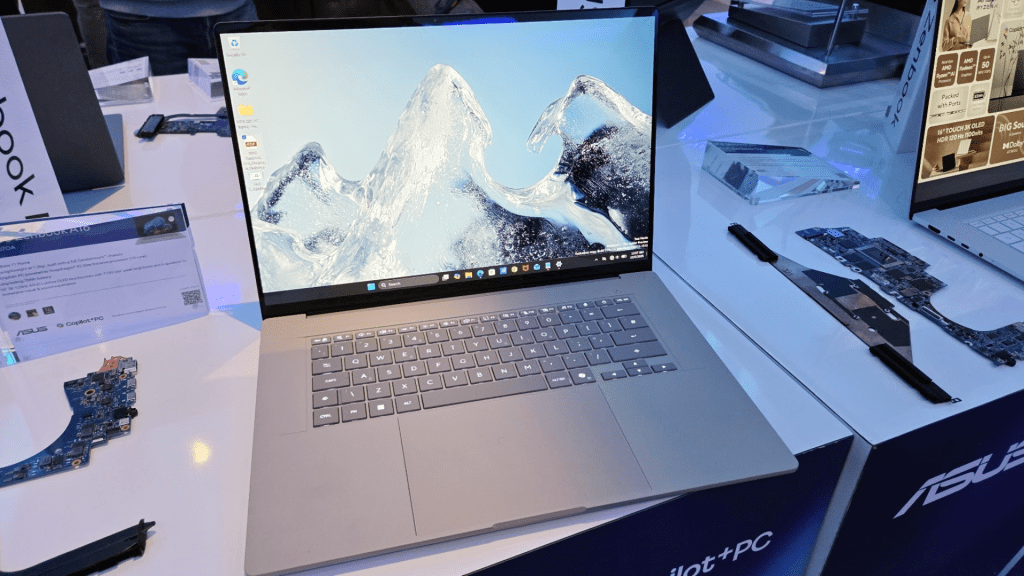
The NPU battery fix also highlights the challenges of supporting rapidly evolving hardware. Unlike CPUs and GPUs, NPUs are still relatively new in consumer PCs. Their behavior varies depending on vendor implementation and driver maturity.
Microsoft must coordinate closely with hardware partners to ensure consistent performance. Updates like KB5074109 demonstrate that this coordination is ongoing and responsive to real-world usage.
For users who do not own NPU-equipped PCs, the update still delivers value. Security patches and general fixes apply broadly across Windows 11 systems. Keeping systems updated remains one of the simplest and most effective ways to maintain security and performance.
Microsoft continues to encourage automatic updates, emphasizing that timely installation reduces exposure to vulnerabilities and ensures access to the latest improvements.
The update also serves as a reminder of how Windows 11 is evolving behind the scenes. While many changes are subtle, they reflect a shift toward an operating system designed for intelligent, adaptive computing.
Battery efficiency, once largely a hardware concern, is now deeply tied to software intelligence. How Windows schedules tasks, prioritizes workloads, and manages specialized hardware can significantly impact user experience.
As AI features expand, users may increasingly rely on background processes powered by NPUs. These processes must operate efficiently to avoid undermining mobility. The January 2026 update suggests Microsoft is aware of this balancing act and is actively refining its approach.
This responsiveness will be critical as more AI-driven features roll out over the course of the year.
The update’s release also reinforces the importance of regular maintenance in modern operating systems. Windows is no longer a static platform updated only for major releases. Instead, it is a continuously evolving service that adapts to new hardware and usage patterns.
For users, this means that staying current is not just about new features, but about ensuring compatibility with emerging technologies.
Looking ahead, the success of this update will likely influence how Microsoft prioritizes future fixes. If battery life improves noticeably on NPU-equipped devices, it will validate the company’s strategy and encourage further investment in AI hardware optimization.
Conversely, any lingering issues will provide valuable data for refinement. Either way, the January update represents an important checkpoint.
Industry observers see the focus on NPU efficiency as a sign of maturity. Early AI hardware deployments often face growing pains, and software optimization typically lags initial launches. Addressing these issues early helps build trust among users and partners.
Microsoft’s willingness to acknowledge and fix battery concerns suggests a pragmatic approach rather than blind enthusiasm for AI features.
For everyday users, the takeaway is straightforward. Installing the January 2026 Windows 11 update is strongly recommended. Beyond security improvements, users with AI-capable PCs may see tangible benefits in battery endurance.
As laptops become more intelligent, software updates play a larger role in shaping how that intelligence translates into real-world usability.
Conclusion: A Practical Start to Windows 11 in 2026
The first Windows 11 update of 2026 sets a pragmatic tone for the year ahead. By addressing critical security issues and delivering a meaningful battery life fix for NPU-equipped PCs, Microsoft is demonstrating that it understands the practical challenges of AI-first computing.
Rather than focusing solely on new features, the January update prioritizes stability, efficiency, and trust. This approach may not generate flashy headlines, but it is essential for long-term success.
As AI hardware becomes more common, updates like KB5074109 will play a key role in ensuring that innovation enhances, rather than compromises, everyday computing. For Windows 11 users, this rollout is a reminder that progress often comes through careful refinement—and that staying up to date remains more important than ever.


