2XKO 2026 Content Plan Changes as Riot Reduces Seasonal Updates

Share via:

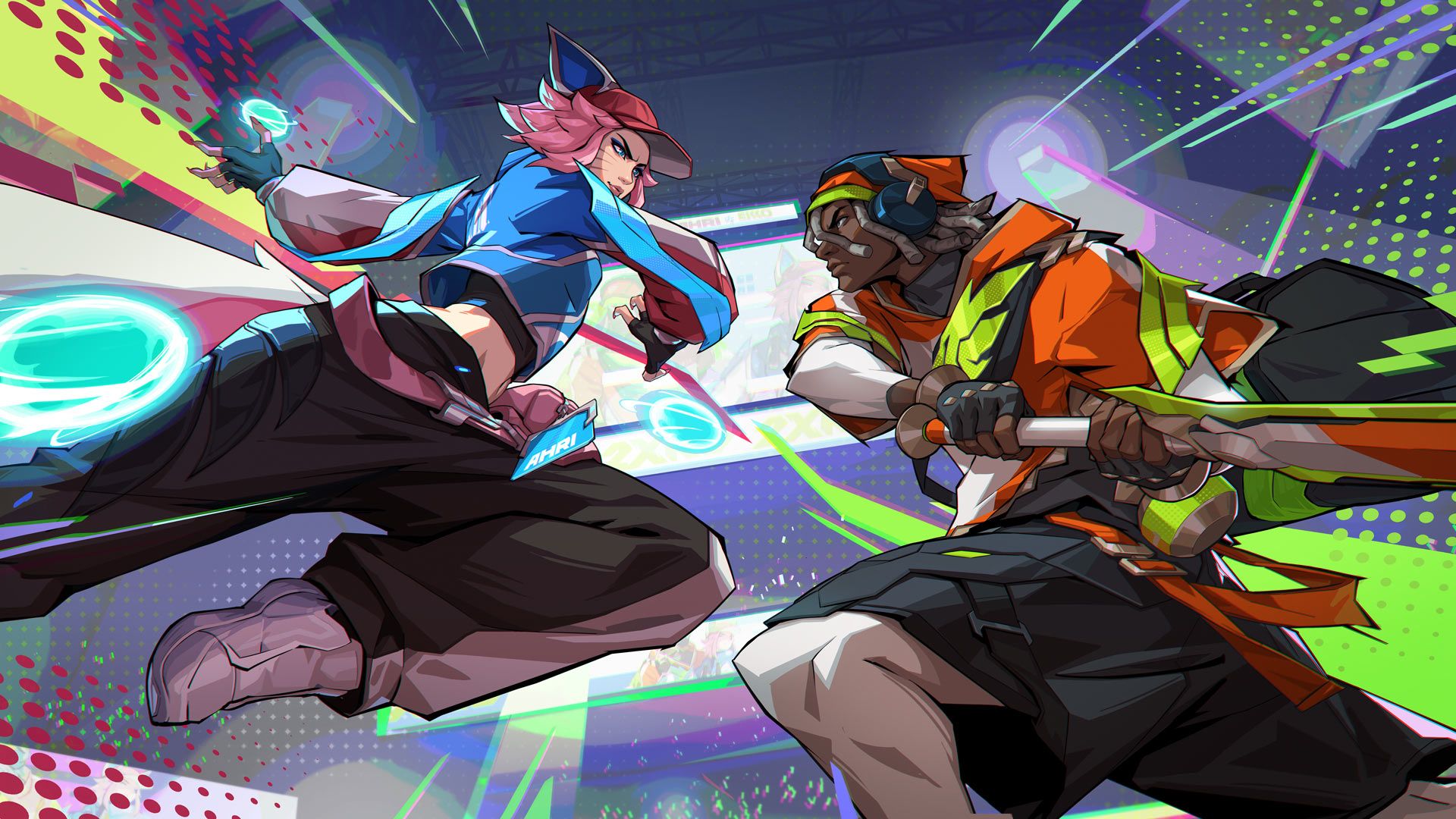
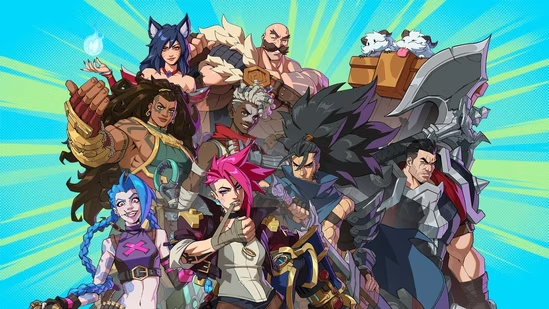
2XKO has been one of the most closely watched upcoming fighting games, not only because of its connection to the League of Legends universe, but also because it represents Riot Games’ first major push into the traditional fighting game genre. Over the past year, Riot has steadily revealed more details about the game’s mechanics, characters, and competitive ambitions, building anticipation among casual players and esports-focused fans alike.

However, a recent update has significantly changed expectations around the game’s post-launch cadence. Riot Games has confirmed that it will scale back its 2026 seasonal roadmap for 2XKO, reducing the number of planned seasons from five to just three. The announcement has sparked discussion across the fighting game community, raising questions about development timelines, live-service expectations, and Riot’s broader strategy for supporting a competitive title long term.

Rather than framing the change as a delay or setback, Riot has positioned it as a strategic recalibration. The studio argues that fewer seasons will allow for deeper updates, more polished balance changes, and better integration of feedback from players. Still, for a community that had been expecting frequent seasonal refreshes, the shift represents a meaningful change in how 2XKO will evolve after launch.
Understanding the Original Five-Season Plan

When Riot first discussed its plans for 2XKO’s live-service structure, the idea of five seasons in a single year stood out. In the context of fighting games, this would have been an unusually aggressive update schedule. Each season was expected to introduce new characters, balance changes, cosmetic updates, and possibly new systems designed to keep the meta evolving.

This approach mirrored trends in other live-service genres, where frequent seasonal updates are used to maintain player engagement and visibility on streaming platforms. For Riot, which has successfully operated long-running games like League of Legends and Valorant using seasonal content cycles, the model was familiar.

However, fighting games operate under different constraints. Balance changes tend to have a more immediate and profound impact on competitive integrity, and new characters require extensive testing to avoid breaking the game. As development progressed, it appears Riot reassessed whether a five-season cadence was realistic without compromising quality.

Why Riot Reduced the Number of Seasons

According to developers, the decision to move from five seasons to three was driven by practical development concerns rather than external pressure. Each season requires significant resources, including animation, character design, gameplay tuning, and quality assurance. Compressing that work into shorter cycles increases the risk of rushed releases and unstable metas.

By reducing the number of seasons, Riot aims to extend development timelines for each update. This allows the team to refine mechanics, address balance issues more thoroughly, and ensure new content integrates smoothly with the existing roster. In a competitive fighting game, even small balance missteps can undermine player trust.

There is also a strong emphasis on feedback. Riot has been actively engaging with players through tests and previews, and incorporating that feedback takes time. A slower seasonal cadence makes it easier to respond meaningfully rather than relying on quick fixes.

What a “Season” Means in 2XKO

Unlike some live-service games where seasons are primarily cosmetic or narrative, seasons in 2XKO are expected to be foundational to gameplay evolution. Each season can influence how characters interact, which strategies dominate tournaments, and how approachable the game feels to new players.

Reducing the number of seasons does not necessarily mean less content overall. Instead, Riot has suggested that each season will be more substantial, with larger updates spaced further apart. This approach aligns more closely with traditional fighting game support models, where fewer but more impactful updates are often preferred by competitive players.

The key difference is pacing. Rather than constant small changes, Riot appears to be opting for more deliberate shifts that give players time to adapt and explore the meta fully.

Community Reaction and Early Concerns

Initial reactions from the community have been mixed. Some players welcome the change, arguing that fighting games benefit from stability and longer periods of meta development. From this perspective, fewer seasons could lead to a healthier competitive environment and reduce burnout.

Others are more cautious. A reduced seasonal count raises concerns about content droughts, especially during the early life of the game when player retention is critical. Frequent updates help keep casual players engaged and maintain visibility on platforms like Twitch and YouTube.

Riot’s challenge will be to strike a balance between depth and momentum. While competitive players may appreciate longer seasons, newer or more casual audiences often expect regular content drops to sustain interest.

Development Quality Versus Live-Service Expectations

The shift in 2XKO’s roadmap highlights a broader tension in modern game development. Live-service models have trained players to expect frequent updates, but not all genres are equally suited to rapid iteration. Fighting games, in particular, demand precision.

Riot’s history with competitive games suggests it is acutely aware of this trade-off. In League of Legends, balance changes are frequent, but the scale of the game allows for constant adjustment. In a fighting game with a smaller roster and more direct interactions, each change carries greater weight.

By slowing the seasonal pace, Riot may be signaling that it prioritizes long-term competitive health over short-term engagement metrics. This is a notable stance in an industry increasingly driven by constant content churn.

Implications for the Competitive Scene

The esports ambitions for 2XKO remain significant, and the revised seasonal structure could have meaningful implications for competitive play. Longer seasons provide more stable environments for tournaments, allowing players to master matchups and strategies without constantly adapting to new patches.

Tournament organizers also benefit from predictability. Scheduling events around major updates becomes easier when changes are less frequent. This stability can help establish a more coherent competitive calendar in the game’s early years.

At the same time, Riot will need to ensure that each season introduces enough novelty to keep the competitive scene dynamic. Stagnant metas can be just as damaging as overly volatile ones.

How This Fits Into Riot Games’ Broader Strategy

Riot Games has built its reputation on long-term support rather than rapid turnover. Titles like League of Legends and Valorant have thrived for years through consistent updates, community engagement, and evolving competitive ecosystems.

The decision to reduce 2XKO’s seasonal count suggests Riot is applying lessons learned from these games while adapting them to a new genre. Rather than forcing a familiar model onto a different type of game, the studio appears willing to adjust its approach.

This flexibility may ultimately benefit 2XKO, especially as Riot navigates the expectations of fighting game veterans alongside players coming from its existing franchises.

Content Depth and Character Development

One area where longer seasons could pay dividends is character development. Each new fighter in 2XKO requires extensive animation work, voice acting, move design, and balance testing. Rushing these elements risks introducing characters that feel unfinished or unbalanced.

With fewer seasonal deadlines, Riot can focus on making each character feel distinct and polished. This is particularly important given the game’s emphasis on team-based mechanics, where character synergy plays a major role.

Deeper seasons also create opportunities for more meaningful system updates, such as refining mechanics based on how players actually use them in competitive settings.

Player Retention and the Early Lifecycle Challenge

The early lifecycle of any multiplayer game is critical. Player impressions formed in the first year often determine whether a title develops a long-term audience. Riot’s decision to slow its seasonal cadence places greater pressure on the quality of each update.

To compensate for fewer seasons, Riot may rely more heavily on community events, balance patches within seasons, and communication. Transparency around development goals and timelines will be key to maintaining trust.

If executed well, the approach could lead to a more loyal and engaged player base. If mismanaged, it could risk losing momentum at a crucial stage.

Lessons From Other Fighting Games

Historically, successful fighting games have often favored fewer, more impactful updates. Titles that update too frequently can fragment their player base and create confusion around competitive standards.

Riot’s revised plan appears to acknowledge these lessons. By aligning more closely with established fighting game support models, the studio may be positioning 2XKO for long-term relevance rather than short-term spikes.

This does not mean innovation is off the table. Instead, it suggests a more cautious and considered pace of change.


Disclaimer

We strive to uphold the highest ethical standards in all of our reporting and coverage. We StartupNews.fyi want to be transparent with our readers about any potential conflicts of interest that may arise in our work. It’s possible that some of the investors we feature may have connections to other businesses, including competitors or companies we write about. However, we want to assure our readers that this will not have any impact on the integrity or impartiality of our reporting. We are committed to delivering accurate, unbiased news and information to our audience, and we will continue to uphold our ethics and principles in all of our work. Thank you for your trust and support.

Popular

More Like this

2XKO 2026 Content Plan Changes as Riot Reduces Seasonal Updates

2XKO has been one of the most closely watched upcoming fighting games, not only because of its connection to the League of Legends universe, but also because it represents Riot Games’ first major push into the traditional fighting game genre. Over the past year, Riot has steadily revealed more details about the game’s mechanics, characters, and competitive ambitions, building anticipation among casual players and esports-focused fans alike.

However, a recent update has significantly changed expectations around the game’s post-launch cadence. Riot Games has confirmed that it will scale back its 2026 seasonal roadmap for 2XKO, reducing the number of planned seasons from five to just three. The announcement has sparked discussion across the fighting game community, raising questions about development timelines, live-service expectations, and Riot’s broader strategy for supporting a competitive title long term.

Rather than framing the change as a delay or setback, Riot has positioned it as a strategic recalibration. The studio argues that fewer seasons will allow for deeper updates, more polished balance changes, and better integration of feedback from players. Still, for a community that had been expecting frequent seasonal refreshes, the shift represents a meaningful change in how 2XKO will evolve after launch.

Understanding the Original Five-Season Plan

When Riot first discussed its plans for 2XKO’s live-service structure, the idea of five seasons in a single year stood out. In the context of fighting games, this would have been an unusually aggressive update schedule. Each season was expected to introduce new characters, balance changes, cosmetic updates, and possibly new systems designed to keep the meta evolving.

This approach mirrored trends in other live-service genres, where frequent seasonal updates are used to maintain player engagement and visibility on streaming platforms. For Riot, which has successfully operated long-running games like League of Legends and Valorant using seasonal content cycles, the model was familiar.

However, fighting games operate under different constraints. Balance changes tend to have a more immediate and profound impact on competitive integrity, and new characters require extensive testing to avoid breaking the game. As development progressed, it appears Riot reassessed whether a five-season cadence was realistic without compromising quality.

Why Riot Reduced the Number of Seasons

According to developers, the decision to move from five seasons to three was driven by practical development concerns rather than external pressure. Each season requires significant resources, including animation, character design, gameplay tuning, and quality assurance. Compressing that work into shorter cycles increases the risk of rushed releases and unstable metas.

By reducing the number of seasons, Riot aims to extend development timelines for each update. This allows the team to refine mechanics, address balance issues more thoroughly, and ensure new content integrates smoothly with the existing roster. In a competitive fighting game, even small balance missteps can undermine player trust.

There is also a strong emphasis on feedback. Riot has been actively engaging with players through tests and previews, and incorporating that feedback takes time. A slower seasonal cadence makes it easier to respond meaningfully rather than relying on quick fixes.

What a “Season” Means in 2XKO

Unlike some live-service games where seasons are primarily cosmetic or narrative, seasons in 2XKO are expected to be foundational to gameplay evolution. Each season can influence how characters interact, which strategies dominate tournaments, and how approachable the game feels to new players.

Reducing the number of seasons does not necessarily mean less content overall. Instead, Riot has suggested that each season will be more substantial, with larger updates spaced further apart. This approach aligns more closely with traditional fighting game support models, where fewer but more impactful updates are often preferred by competitive players.

The key difference is pacing. Rather than constant small changes, Riot appears to be opting for more deliberate shifts that give players time to adapt and explore the meta fully.

Community Reaction and Early Concerns

Initial reactions from the community have been mixed. Some players welcome the change, arguing that fighting games benefit from stability and longer periods of meta development. From this perspective, fewer seasons could lead to a healthier competitive environment and reduce burnout.

Others are more cautious. A reduced seasonal count raises concerns about content droughts, especially during the early life of the game when player retention is critical. Frequent updates help keep casual players engaged and maintain visibility on platforms like Twitch and YouTube.

Riot’s challenge will be to strike a balance between depth and momentum. While competitive players may appreciate longer seasons, newer or more casual audiences often expect regular content drops to sustain interest.

Development Quality Versus Live-Service Expectations

The shift in 2XKO’s roadmap highlights a broader tension in modern game development. Live-service models have trained players to expect frequent updates, but not all genres are equally suited to rapid iteration. Fighting games, in particular, demand precision.

Riot’s history with competitive games suggests it is acutely aware of this trade-off. In League of Legends, balance changes are frequent, but the scale of the game allows for constant adjustment. In a fighting game with a smaller roster and more direct interactions, each change carries greater weight.

By slowing the seasonal pace, Riot may be signaling that it prioritizes long-term competitive health over short-term engagement metrics. This is a notable stance in an industry increasingly driven by constant content churn.

Implications for the Competitive Scene

The esports ambitions for 2XKO remain significant, and the revised seasonal structure could have meaningful implications for competitive play. Longer seasons provide more stable environments for tournaments, allowing players to master matchups and strategies without constantly adapting to new patches.

Tournament organizers also benefit from predictability. Scheduling events around major updates becomes easier when changes are less frequent. This stability can help establish a more coherent competitive calendar in the game’s early years.

At the same time, Riot will need to ensure that each season introduces enough novelty to keep the competitive scene dynamic. Stagnant metas can be just as damaging as overly volatile ones.

How This Fits Into Riot Games’ Broader Strategy

Riot Games has built its reputation on long-term support rather than rapid turnover. Titles like League of Legends and Valorant have thrived for years through consistent updates, community engagement, and evolving competitive ecosystems.

The decision to reduce 2XKO’s seasonal count suggests Riot is applying lessons learned from these games while adapting them to a new genre. Rather than forcing a familiar model onto a different type of game, the studio appears willing to adjust its approach.

This flexibility may ultimately benefit 2XKO, especially as Riot navigates the expectations of fighting game veterans alongside players coming from its existing franchises.

Content Depth and Character Development

One area where longer seasons could pay dividends is character development. Each new fighter in 2XKO requires extensive animation work, voice acting, move design, and balance testing. Rushing these elements risks introducing characters that feel unfinished or unbalanced.

With fewer seasonal deadlines, Riot can focus on making each character feel distinct and polished. This is particularly important given the game’s emphasis on team-based mechanics, where character synergy plays a major role.

Deeper seasons also create opportunities for more meaningful system updates, such as refining mechanics based on how players actually use them in competitive settings.

Player Retention and the Early Lifecycle Challenge

The early lifecycle of any multiplayer game is critical. Player impressions formed in the first year often determine whether a title develops a long-term audience. Riot’s decision to slow its seasonal cadence places greater pressure on the quality of each update.

To compensate for fewer seasons, Riot may rely more heavily on community events, balance patches within seasons, and communication. Transparency around development goals and timelines will be key to maintaining trust.

If executed well, the approach could lead to a more loyal and engaged player base. If mismanaged, it could risk losing momentum at a crucial stage.

Lessons From Other Fighting Games

Historically, successful fighting games have often favored fewer, more impactful updates. Titles that update too frequently can fragment their player base and create confusion around competitive standards.

Riot’s revised plan appears to acknowledge these lessons. By aligning more closely with established fighting game support models, the studio may be positioning 2XKO for long-term relevance rather than short-term spikes.

This does not mean innovation is off the table. Instead, it suggests a more cautious and considered pace of change.

Disclaimer

We strive to uphold the highest ethical standards in all of our reporting and coverage. We StartupNews.fyi want to be transparent with our readers about any potential conflicts of interest that may arise in our work. It’s possible that some of the investors we feature may have connections to other businesses, including competitors or companies we write about. However, we want to assure our readers that this will not have any impact on the integrity or impartiality of our reporting. We are committed to delivering accurate, unbiased news and information to our audience, and we will continue to uphold our ethics and principles in all of our work. Thank you for your trust and support.

Website Upgradation is going on for any glitch kindly connect at office@startupnews.fyi

More like this

ScyllaDB’s New Cloud Challenges DynamoDB Cost, Performance

High-performance database system provider ScyllaDB has launched a...

Philippines Bans Grok Website, Eyes X Talks as Backlash...

(Bloomberg) -- The Philippines blocked access to the...

Building A Brand Is Not A Strategy, It Is...

“Build a brand” has become one of the...

Popular

iptv iptv iptv iptv iptv iptv iptv iptv iptv iptv iptv iptv iptv iptv iptv iptv iptv iptv iptv iptv iptv iptv iptv iptv iptv iptv iptv iptv iptv iptv iptv iptv iptv iptv iptv iptv iptv iptv iptv iptv iptv iptv iptv iptv iptv iptv iptv iptv iptv iptv iptv iptv iptv iptv iptv iptv iptv iptv iptv iptv iptv iptv iptv iptv iptv iptv iptv iptv iptv iptv iptv iptv iptv iptv iptv iptv iptv iptv iptv iptv iptv iptv iptv iptv iptv iptv iptv iptv iptv iptv iptv iptv iptv iptv iptv iptv iptv iptv iptv iptv iptv iptv iptv iptv iptv iptv iptv iptv iptv iptv iptv iptv iptv iptv iptv iptv iptv iptv iptv iptv iptv iptv iptv iptv iptv iptv iptv iptv iptv iptv iptv iptv iptv iptv iptv iptv iptv iptv iptv iptv iptv iptv iptv iptv iptv iptv iptv iptv iptv iptv iptv iptv iptv iptv iptv iptv iptv iptv iptv iptv iptv iptv iptv iptv iptv iptv iptv iptv iptv iptv iptv iptv iptv iptv iptv iptv iptv iptv iptv iptv iptv iptv iptv iptv iptv iptv iptv iptv iptv iptv iptv iptv iptv iptv iptv iptv iptv iptv iptv iptv iptv iptv iptv iptv iptv iptv iptv iptv iptv iptv iptv iptv iptv iptv iptv iptv iptv iptv iptv iptv iptv iptv iptv iptv iptv iptv iptv iptv iptv iptv iptv iptv iptv iptv iptv iptv iptv iptv iptv iptv iptv iptv iptv iptv iptv iptv iptv iptv iptv iptv iptv iptv iptv iptv iptv iptv iptv iptv iptv iptv iptv iptv iptv iptv iptv iptv iptv iptv iptv iptv iptv iptv iptv iptv iptv iptv iptv iptv iptv iptv iptv iptv iptv iptv iptv iptv iptv iptv iptv iptv iptv iptv iptv iptv iptv iptv iptv iptv iptv iptv iptv iptv iptv iptv iptv iptv iptv iptv iptv iptv iptv iptv iptv iptv iptv iptv iptv iptv iptv iptv iptv iptv iptv iptv iptv iptv iptv iptv iptv iptv iptv iptv iptv iptv iptv iptv iptv iptv iptv iptv iptv iptv iptv iptv iptv iptv iptv iptv iptv iptv iptv iptv iptv iptv iptv iptv iptv iptv iptv iptv iptv iptv iptv iptv iptv iptv iptv iptv iptv iptv iptv iptv iptv iptv iptv iptv iptv iptv iptv iptv iptv iptv iptv iptv iptv iptv iptv iptv iptv iptv iptv iptv iptv iptv iptv iptv iptv iptv iptv iptv iptv iptv iptv iptv iptv iptv iptv iptv iptv iptv iptv iptv iptv iptv iptv iptv iptv iptv iptv iptv iptv iptv iptv iptv iptv iptv iptv iptv iptv iptv iptv iptv iptv iptv iptv iptv iptv iptv iptv iptv iptv iptv iptv iptv iptv iptv iptv iptv iptv iptv iptv iptv iptv iptv iptv iptv iptv iptv iptv iptv iptv iptv iptv iptv iptv iptv iptv iptv iptv iptv iptv iptv iptv iptv iptv iptv