
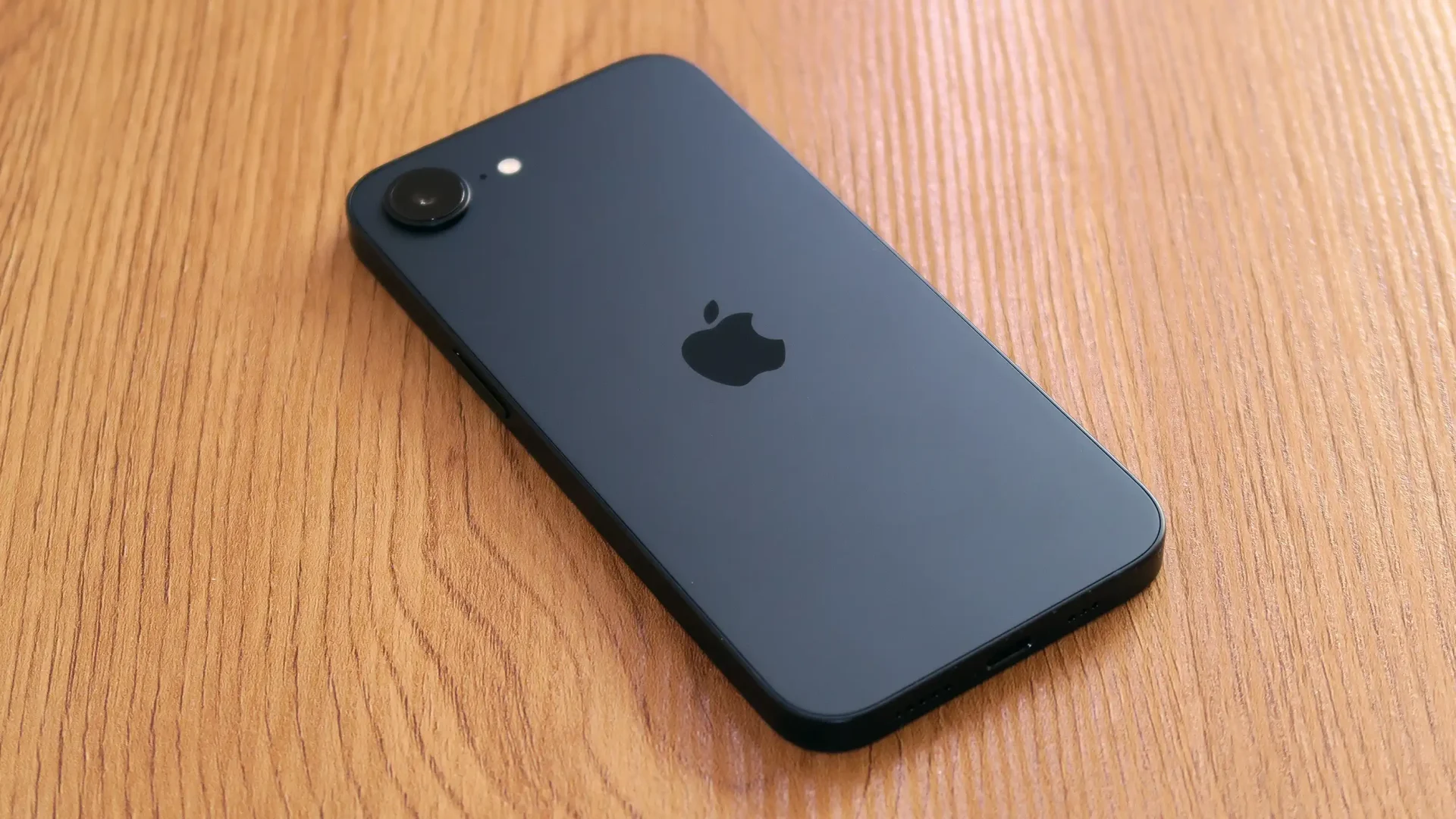
Apple is reportedly just weeks away from unveiling the iPhone 17e, a model positioned to sit below the flagship lineup while offering a more modern experience than older entry-level iPhones. As anticipation builds, early details paint a picture of a device designed to balance cost, performance, and longevity.
However, alongside expectations of solid upgrades, one rumored specification has begun to temper enthusiasm. According to recent reporting, the iPhone 17e may ship with a feature that feels increasingly outdated in 2026, especially as competitors push more advanced hardware deeper into mid-range price segments.
The iPhone 17e appears to be aimed at a large and important audience: users who want a new iPhone with current software support and strong performance, but who are unwilling to pay premium prices for Pro-level features. That positioning makes every design decision more noticeable, and potentially more controversial.
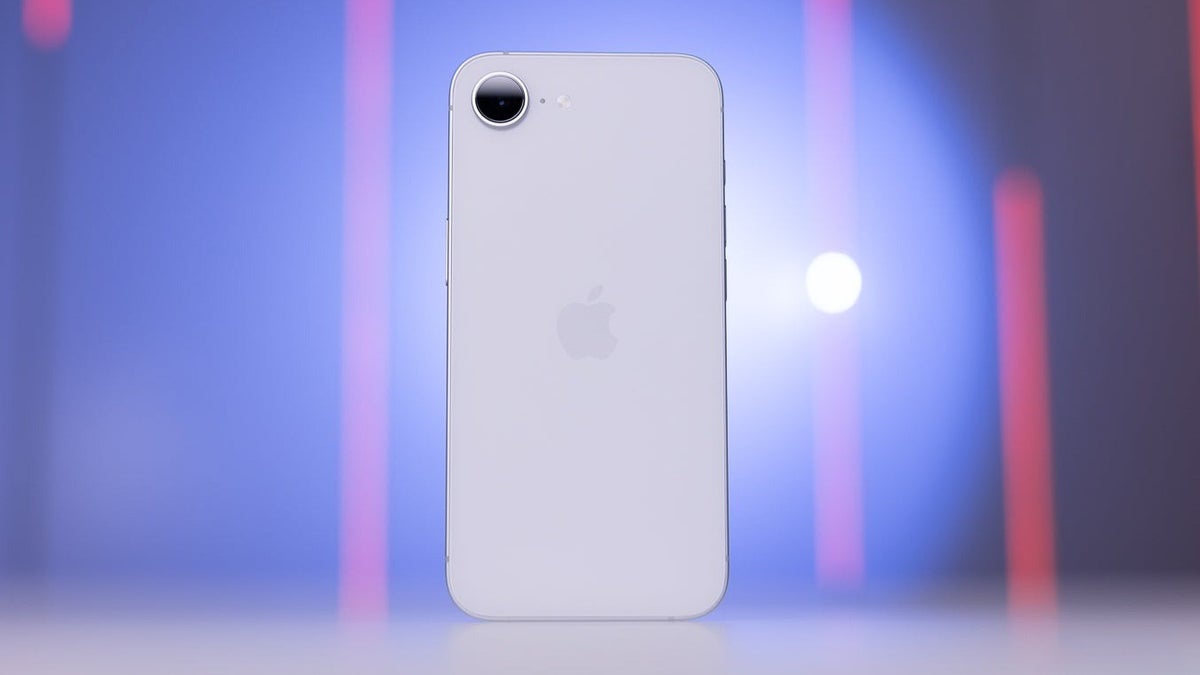
Where the iPhone 17e Fits in Apple’s Lineup
The iPhone 17e is widely viewed as Apple’s next evolution of its lower-cost iPhone strategy, following the gradual phasing out of older designs and components. Rather than refreshing older models indefinitely, Apple has increasingly leaned toward introducing simplified versions of its current-generation devices.
This approach allows Apple to maintain consistency in software, security updates, and ecosystem integration while offering a lower entry price. For many buyers, especially those upgrading from much older devices, this matters more than having the latest camera tricks or premium materials.
The “e” branding suggests efficiency and accessibility rather than experimentation. The iPhone 17e is expected to reuse many proven design elements while selectively adopting newer internal components. That balance is central to understanding both its appeal and the disappointment surrounding the rumored feature omission.
Expected Launch Timing and Market Context
Reports indicate that Apple is preparing to release the iPhone 17e in the coming weeks, likely outside its traditional September launch window. Apple has increasingly used off-cycle launches for more affordable models, allowing them to capture attention without competing directly with flagship announcements.
A launch early in the year also positions the iPhone 17e strategically in global markets where replacement cycles are driven by affordability rather than annual upgrades. In regions such as India, Southeast Asia, and parts of Europe, a well-timed mid-range iPhone can generate significant volume.
The timing also reflects broader market realities. Smartphone sales growth has slowed globally, and Apple is under pressure to attract new users without eroding its premium brand image. A capable, modern, but carefully constrained device like the iPhone 17e fits that objective.
Performance Expectations and Internal Hardware
Despite its lower price positioning, the iPhone 17e is expected to deliver strong performance. Apple’s strategy in recent years has been to reuse slightly older but still highly capable chips in its more affordable models. This ensures smooth performance, long-term software support, and compatibility with new iOS features.
If reports are accurate, the iPhone 17e will feel fast and responsive in everyday use, handling multitasking, photography, and even demanding apps with ease. For most users, raw performance is unlikely to be a concern, especially compared to older devices still in circulation.
This emphasis on performance longevity is one of Apple’s strongest advantages in the mid-range market. Buyers often choose iPhones not for cutting-edge specs, but for the confidence that their device will remain usable and secure for many years.
The Feature That May Disappoint
The most talked-about aspect of the latest report is the display. According to sources cited in recent coverage, the iPhone 17e is expected to retain a standard 60Hz refresh rate display rather than adopting the higher refresh rates that have become common even in mid-range smartphones.
In isolation, a 60Hz display is not unusable or low quality. Apple’s displays are known for excellent color accuracy, brightness, and touch responsiveness. However, once users experience smoother scrolling and animations on higher refresh rate screens, the difference becomes noticeable.
In 2026, the expectation among many consumers is that higher refresh rates are no longer a premium-only feature. Android competitors have made 90Hz and 120Hz displays standard at increasingly accessible price points. Against that backdrop, Apple’s decision to reserve ProMotion exclusively for higher-end models stands out more sharply.
Why Apple May Be Holding Back
Apple’s reluctance to bring higher refresh rate displays to non-Pro models is not accidental. Product differentiation remains central to its pricing strategy. By limiting certain features to Pro devices.
There are also technical and strategic considerations. Higher refresh rate displays consume more power, and Apple places a strong emphasis on battery life consistency across its lineup. Maintaining predictable battery performance on a lower-cost device may be easier with a standard refresh rate panel.
Cost control is another factor. While display prices have fallen, Apple’s margins depend on tight control over component selection. The iPhone 17e is designed to hit a specific price point without undermining flagship sales.
Design and Build Expectations
Design-wise, the iPhone 17e is expected to look modern, with slimmer bezels and a form factor aligned with Apple’s current design language. It is unlikely to feature premium materials like titanium, but Apple’s aluminum builds have proven durable and visually appealing.
For many buyers, familiarity is a strength rather than a weakness. A design that feels current but not experimental reduces risk and improves long-term satisfaction. Apple tends to reserve bold design changes for its flagship lineup, while affordable models emphasize stability.
The physical design of the iPhone 17e is expected to reinforce its role as a dependable daily device rather than a statement piece.
Camera Capabilities in Everyday Use
Camera performance is another area where Apple typically prioritizes consistency over novelty in its lower-tier devices. The iPhone 17e is expected to deliver reliable photo and video quality, benefiting from Apple’s strong computational photography.
While it may lack some advanced features found in Pro models, such as enhanced zoom or specialized sensors, the core camera experience is likely to be more than sufficient for most users. Apple’s image processing tends to narrow the gap between models in everyday conditions.
For social media, video calls, and casual photography, the iPhone 17e should perform well, especially for users upgrading from older hardware.
Software, Longevity, and Ecosystem Value
One of the strongest selling points of the iPhone 17e is software longevity. Apple’s commitment to long-term iOS updates means buyers can expect years of support, security patches, and new features.
This is particularly important in the mid-range segment, where many Android devices receive limited update support. For users who prioritize stability and long-term value, the iPhone 17e’s software future may outweigh concerns about display refresh rates.
Integration with Apple’s broader ecosystem also plays a role. Seamless compatibility with Macs, iPads, Apple Watch, and services reinforces the value proposition, especially for users already invested in Apple’s products.
How the iPhone 17e Reflects Apple’s Broader Strategy
The iPhone 17e highlights Apple’s cautious approach to democratizing premium features. Rather than rapidly pushing cutting-edge hardware down the lineup, Apple prefers to maintain clear tiers that encourage upselling.
This strategy has proven effective financially, even if it occasionally frustrates tech-savvy consumers. By carefully choosing what to include and what to hold back, Apple preserves the perceived value of its Pro models while still offering a compelling entry point.
The rumored display limitation underscores this philosophy. Apple appears willing to accept criticism in exchange for maintaining product hierarchy and margin discipline.


