
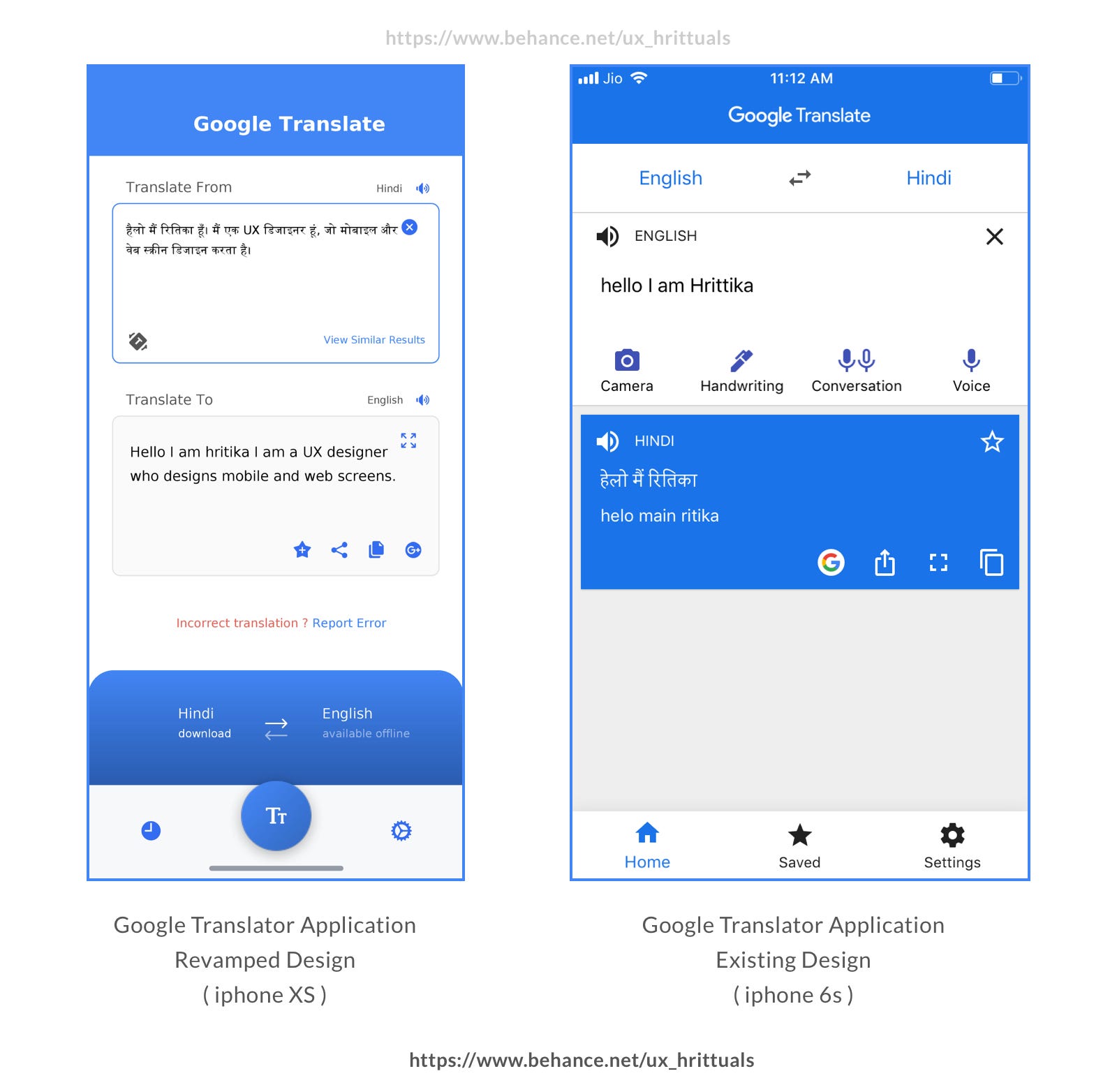
OpenAI has officially entered one of the most competitive corners of consumer technology: language translation. With the launch of a dedicated ChatGPT-powered translation experience, OpenAI is directly challenging the long-standing dominance of Google Translate, a service that has defined digital translation for more than a decade. The development, first reported by The Verge, marks a pivotal shift in how artificial intelligence approaches multilingual communication.
Rather than positioning translation as a narrow utility, OpenAI is framing it as part of a broader conversational intelligence system. This distinction may prove decisive as users increasingly expect translation tools to understand nuance, tone, and context—not just vocabulary.
Why Translation Is a Strategic Battleground for AI
Language translation is one of the most widely used AI-powered services in the world. From travel and education to global business and online communication, billions of users rely on instant translation every day. Google Translate has long dominated this space due to its scale, speed, and deep integration across Android, Chrome, and Google Search.
OpenAI’s move into translation is significant because it does not treat the task as a standalone feature. Instead, translation is embedded within OpenAI’s broader ChatGPT ecosystem, where language understanding, reasoning, and conversation coexist. This approach has the potential to redefine user expectations.
How ChatGPT Translation Is Different
Traditional translation tools focus on converting text from one language to another as accurately and quickly as possible. ChatGPT’s translator aims to go further by understanding intent, context, and style.
Because ChatGPT is trained as a large language model rather than a narrow translation engine, it can adapt translations based on context. For example, the same sentence can be translated differently depending on whether it is part of a legal document, casual conversation, marketing copy, or technical manual.
This contextual awareness is where ChatGPT poses its strongest challenge to Google Translate.
From Utility to Conversation
One of the most striking differences between ChatGPT’s translator and Google Translate is interaction style. Google Translate excels at instant, one-shot translations. ChatGPT, by contrast, allows users to refine translations through dialogue.
Users can ask follow-up questions, request alternative phrasings, adjust tone, or clarify meaning. This conversational loop transforms translation from a static output into a collaborative process.
For professionals working across languages, this flexibility could be transformative.
Why The Timing Matters
The launch of ChatGPT’s translation tool comes at a moment when generative AI is rapidly reshaping user expectations. People no longer see AI as a background utility; they expect it to reason, explain, and adapt.
Google Translate, while powerful, remains largely transactional. ChatGPT’s translator reflects a broader shift toward adaptive AI assistants that can operate across multiple domains seamlessly.
This timing gives OpenAI a strategic opening.
Google Translate’s Strengths Remain Formidable
Despite the challenge, Google Translate remains a formidable competitor. It supports over 100 languages, operates at massive global scale, and integrates deeply into daily digital life.
For quick translations, signage, websites, or short phrases, Google Translate remains fast, reliable, and universally accessible. Its offline capabilities and mobile-first design also give it an advantage in many real-world scenarios.
OpenAI is not replacing Google Translate overnight. Instead, it is redefining what translation can be.
Where ChatGPT May Win Early Adoptio n
ChatGPT’s translator is likely to resonate first with knowledge workers, creators, and multilingual professionals. These users often care less about speed and more about accuracy, tone, and adaptability.
Use cases such as writing emails in another language, translating nuanced documents, or localizing content for different audiences play directly to ChatGPT’s strengths.
In these scenarios, Google Translate’s literal accuracy may be less valuable than ChatGPT’s interpretive intelligence.
The Role of Context and Cultural Nuance
Language is not just words; it is culture, tone, and implied meaning. One of the biggest criticisms of traditional translation tools is their difficulty handling idioms, humor, and culturally specific expressions.
ChatGPT’s training across diverse text sources allows it to recognize and adapt these subtleties more effectively. Users can explicitly ask for culturally appropriate translations or explanations of phrases that do not map cleanly between languages.
This capability positions ChatGPT as both a translator and a language tutor.
Implications for Education and Learning
The educational impact of ChatGPT’s translation tool could be substantial. Instead of simply translating text, users can ask why a phrase is translated a certain way, explore grammatical structure, or compare multiple translations.
This turns translation into a learning experience rather than a black box. For language learners, this transparency is invaluable.
Google Translate offers some contextual hints, but it does not engage in explanatory dialogue in the same way.
Enterprise and Professional Use Cases
In professional environments, translation errors can be costly. Legal documents, contracts, technical manuals, and marketing materials require precision and clarity.
ChatGPT’s ability to explain choices, adjust phrasing, and align translations with specific goals may appeal to enterprises seeking more control over multilingual communication.
However, adoption in these contexts will depend heavily on data privacy, compliance, and reliability, areas where Google’s enterprise offerings remain strong.
Privacy and Trust Considerations
Privacy will play a critical role in determining how widely ChatGPT’s translation tool is adopted. Translation often involves sensitive content, from personal messages to confidential business documents.
OpenAI will need to clearly communicate how translation data is handled, stored, and protected. Google, for all its scale, has spent years building trust frameworks around enterprise data handling.
Users will weigh intelligence against assurance.
A Shift From Feature to Platform
What makes this competition particularly interesting is that translation is not the end goal for either company. For Google, Translate feeds into a larger ecosystem of search, ads, and services.
For OpenAI, translation is one capability within a growing AI platform designed to assist users across tasks. This platform mindset could give OpenAI an edge as users increasingly prefer unified experiences over fragmented tools.
ChatGPT does not just translate—it remembers, reasons, and responds.
How This Could Influence Google’s Strategy
Google is unlikely to ignore this challenge. The rise of conversational AI has already prompted Google to rethink how it integrates intelligence across its products.
ChatGPT’s translation tool may accelerate Google’s efforts to make Translate more interactive, contextual, and integrated with its own AI models.
Competition here benefits users by pushing both companies to innovate faster.
The Future of Translation Is Multimodal
Looking ahead, translation will increasingly involve more than text. Voice, images, and video are becoming central to how people communicate.
ChatGPT’s multimodal roadmap suggests a future where users can translate conversations, documents, and visual content within a single interface.
Google is also moving in this direction, but ChatGPT’s conversational core could give it an advantage in unifying these modes.
Why This Matters Beyond Translation
At a deeper level, this competition reflects a broader shift in AI. Tools are no longer judged solely on accuracy, but on usefulness, adaptability, and experience.
Translation is simply the latest domain where this shift is becoming visible.
The success of ChatGPT’s translator will depend on whether users value intelligence over immediacy.

Early Reactions and Expectations
Early reactions suggest curiosity rather than immediate migration. Many users will continue to rely on Google Translate for quick tasks while experimenting with ChatGPT for more complex needs.
This coexistence may define the near future, with each tool occupying a different role in users’ workflows.
Over time, however, expectations may change.
Conclusion: A Turning Point in AI Translation
The launch of ChatGPT’s translation tool marks a turning point in the evolution of AI-powered language services. By challenging Google Translate not on scale, but on intelligence and interaction, OpenAI is redefining what users can expect from translation.
This is not a simple rivalry between two tools. It is a clash between two philosophies: translation as a utility versus translation as a conversation.
Google Translate remains indispensable, but ChatGPT’s approach hints at a future where language barriers are not just crossed, but understood.


