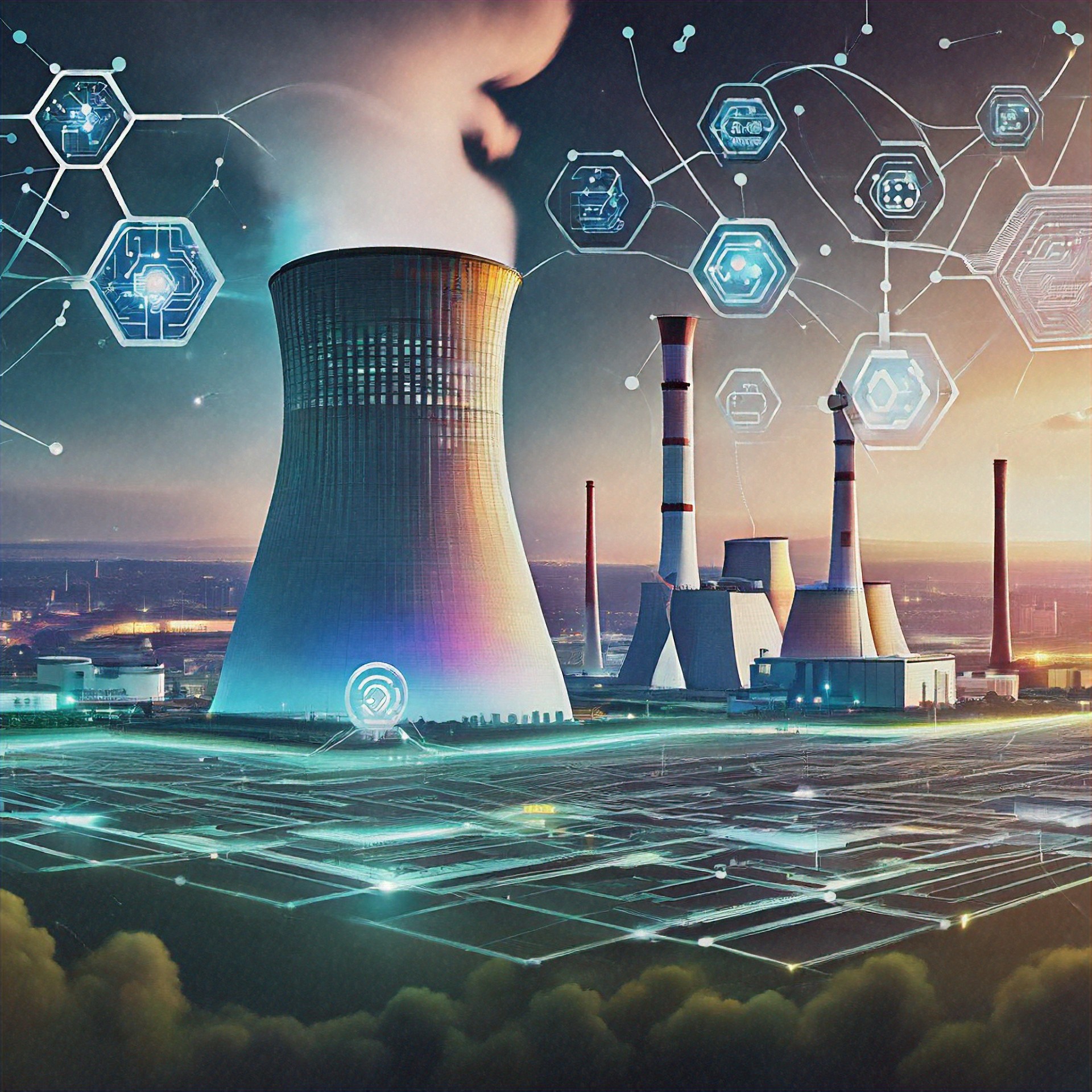
Can AI Trigger a Global Revival of Nuclear Power?

Share via:

Artificial intelligence is no longer a niche technology. It now underpins search engines, cloud computing, enterprise software, logistics, finance, healthcare, and national infrastructure. As AI systems scale, so does their appetite for energy. This surge is prompting a fundamental question for governments, utilities, and technology companies alike: can existing energy systems keep up?

At the center of this debate sits nuclear power. Long viewed as controversial, capital-intensive, and politically sensitive, nuclear energy is being reconsidered in a world where AI-driven data centers require massive, continuous, and carbon-free electricity. The convergence of AI expansion and climate commitments is forcing policymakers to re-evaluate assumptions about how power is generated.

According to the United Nations, the world faces a dual challenge of meeting rising electricity demand while reducing emissions. AI, paradoxically, could become both part of the problem and part of the solution.
AI’s Growing Energy Footprint

The computational demands of modern AI systems are immense. Training large models and running them at scale requires data centers operating around the clock. Unlike traditional IT workloads, AI workloads are energy-intensive, heat-producing, and sensitive to power interruptions.

Major technology firms are rapidly expanding data center capacity across North America, Europe, and Asia. These facilities require stable baseload power that intermittent renewables alone cannot always provide. While solar and wind are critical to decarbonization, their variability introduces challenges for grid operators trying to maintain reliability.

As AI adoption spreads across industries, electricity demand curves are becoming steeper and less predictable. This reality is pushing energy planners to look again at sources capable of delivering constant output.

Why Nuclear Is Back in the Conversation

Nuclear power offers a combination that few other sources can match: high energy density, continuous generation, and near-zero operational emissions. For decades, these advantages were overshadowed by concerns over cost, waste, safety, and public perception.

AI changes the calculus. The need for uninterrupted power aligns closely with nuclear’s strengths. Unlike fossil fuels, nuclear does not undermine climate targets. Unlike renewables, it does not depend on weather conditions.

This alignment is not theoretical. Policymakers and international agencies increasingly frame nuclear as a complement to renewables rather than a competitor. The idea is not to replace wind and solar, but to stabilize systems where AI-driven demand makes volatility more costly.

How AI Could Improve Nuclear Operations

AI is not just driving demand; it is also reshaping how nuclear plants are designed, operated, and maintained. Machine learning systems can analyze sensor data from reactors in real time, identifying anomalies before they become safety issues.

Predictive maintenance powered by AI allows operators to anticipate equipment failures, reduce downtime, and extend plant lifespans. Digital twins, virtual replicas of physical systems, enable operators to simulate scenarios and optimize performance without risk.

These capabilities directly address some of nuclear energy’s historical weaknesses, particularly operational costs and safety concerns. As AI systems mature, they could make nuclear plants more efficient and transparent, strengthening public and regulatory confidence.

Small Modular Reactors and AI

One of the most discussed developments in nuclear energy is the rise of small modular reactors, often referred to as SMRs. These reactors are designed to be smaller, more flexible, and easier to deploy than traditional large-scale plants.

AI plays a role here as well. SMRs rely heavily on automation, advanced monitoring, and software-driven control systems. AI can manage load balancing, optimize fuel usage, and enhance safety systems with minimal human intervention.

For regions with growing data center clusters or limited grid infrastructure, SMRs paired with AI management systems present a compelling model. They promise faster deployment and lower upfront risk, although regulatory frameworks are still evolving.

The Data Center Connection

The link between AI and nuclear power becomes most visible when examining data centers. Hyperscale data centers often require as much electricity as small cities. Their operators prioritize reliability above all else.

Several technology companies have begun exploring direct power purchase agreements with nuclear operators. In some cases, discussions include co-locating data centers near nuclear facilities to reduce transmission losses and grid strain.

This trend reflects a broader shift in how energy is procured. Instead of relying solely on public grids, large AI operators are increasingly seeking dedicated, long-term energy solutions.

Climate Goals and Policy Pressure

Global climate commitments add another layer of urgency. Many countries have pledged to reach net-zero emissions within the next few decades. Meeting these goals while accommodating AI-driven growth is a complex balancing act.

Nuclear power’s low carbon footprint makes it attractive in policy discussions, particularly in countries where renewable expansion alone may not suffice. International organizations emphasize that excluding nuclear from the energy mix could make climate targets harder to achieve.

AI, by accelerating electricity demand, strengthens the argument for maintaining and expanding nuclear capacity as part of a diversified energy strategy.

Public Perception and Political Reality

Despite renewed interest, nuclear power remains politically sensitive. Public concerns about accidents, waste disposal, and long-term environmental impact persist.

AI does not erase these concerns, but it can influence how they are addressed. Enhanced monitoring, transparent data reporting, and automated safety systems may improve trust over time.

Political acceptance will vary by region. In some countries, nuclear energy is already part of the national identity. In others, historical opposition remains strong. AI’s role is likely to be incremental rather than transformative in shifting public opinion.

Economic Considerations

Building nuclear plants is expensive and time-consuming. AI can reduce operational costs, but it does not eliminate high capital requirements.

However, when evaluated over decades, nuclear energy’s stability can offset initial investment. For AI-driven industries that depend on predictable energy pricing, this long-term certainty has economic value.

Governments are also exploring new financing models, including public-private partnerships and state-backed guarantees, to reduce risk and accelerate deployment.

Global Relevance Across Major Markets

The intersection of AI and nuclear power has implications across the USA, UK, UAE, Germany, Australia, and France. These regions face similar pressures from digital growth, climate policy, and grid resilience.

France already relies heavily on nuclear power and is exploring how AI can modernize its reactor fleet. The UK and USA are evaluating SMRs as part of their energy transition. The UAE has invested in nuclear to diversify energy sources, while Germany continues to debate nuclear’s role amid energy security concerns.

Across these markets, AI intensifies existing energy debates rather than creating entirely new ones.

Risks and Open Questions

AI-driven nuclear revival is not guaranteed. Regulatory hurdles, public resistance, and financing challenges remain substantial.

There are also cybersecurity concerns. As nuclear facilities become more digitized, protecting systems from cyber threats becomes critical. AI can strengthen defenses, but it also expands the digital attack surface.

Finally, there is the question of pace. AI adoption is accelerating faster than energy infrastructure can be built. Even with political will, nuclear projects take years to complete.

The Long-Term Outlook

AI is reshaping how societies consume energy, and nuclear power is re-entering strategic discussions as a result. The relationship is complex and indirect. AI does not mandate nuclear power, but it changes the constraints under which energy decisions are made.

Over the next decade, the influence of AI on energy policy will likely grow. Nuclear power’s role will depend on how effectively its challenges are addressed and how convincingly it can be integrated into modern, digital-first energy system


Disclaimer

We strive to uphold the highest ethical standards in all of our reporting and coverage. We StartupNews.fyi want to be transparent with our readers about any potential conflicts of interest that may arise in our work. It’s possible that some of the investors we feature may have connections to other businesses, including competitors or companies we write about. However, we want to assure our readers that this will not have any impact on the integrity or impartiality of our reporting. We are committed to delivering accurate, unbiased news and information to our audience, and we will continue to uphold our ethics and principles in all of our work. Thank you for your trust and support.

Popular

More Like this

Can AI Trigger a Global Revival of Nuclear Power?

Artificial intelligence is no longer a niche technology. It now underpins search engines, cloud computing, enterprise software, logistics, finance, healthcare, and national infrastructure. As AI systems scale, so does their appetite for energy. This surge is prompting a fundamental question for governments, utilities, and technology companies alike: can existing energy systems keep up?

At the center of this debate sits nuclear power. Long viewed as controversial, capital-intensive, and politically sensitive, nuclear energy is being reconsidered in a world where AI-driven data centers require massive, continuous, and carbon-free electricity. The convergence of AI expansion and climate commitments is forcing policymakers to re-evaluate assumptions about how power is generated.

According to the United Nations, the world faces a dual challenge of meeting rising electricity demand while reducing emissions. AI, paradoxically, could become both part of the problem and part of the solution.

AI’s Growing Energy Footprint

The computational demands of modern AI systems are immense. Training large models and running them at scale requires data centers operating around the clock. Unlike traditional IT workloads, AI workloads are energy-intensive, heat-producing, and sensitive to power interruptions.

Major technology firms are rapidly expanding data center capacity across North America, Europe, and Asia. These facilities require stable baseload power that intermittent renewables alone cannot always provide. While solar and wind are critical to decarbonization, their variability introduces challenges for grid operators trying to maintain reliability.

As AI adoption spreads across industries, electricity demand curves are becoming steeper and less predictable. This reality is pushing energy planners to look again at sources capable of delivering constant output.

Why Nuclear Is Back in the Conversation

Nuclear power offers a combination that few other sources can match: high energy density, continuous generation, and near-zero operational emissions. For decades, these advantages were overshadowed by concerns over cost, waste, safety, and public perception.

AI changes the calculus. The need for uninterrupted power aligns closely with nuclear’s strengths. Unlike fossil fuels, nuclear does not undermine climate targets. Unlike renewables, it does not depend on weather conditions.

This alignment is not theoretical. Policymakers and international agencies increasingly frame nuclear as a complement to renewables rather than a competitor. The idea is not to replace wind and solar, but to stabilize systems where AI-driven demand makes volatility more costly.

How AI Could Improve Nuclear Operations

AI is not just driving demand; it is also reshaping how nuclear plants are designed, operated, and maintained. Machine learning systems can analyze sensor data from reactors in real time, identifying anomalies before they become safety issues.

Predictive maintenance powered by AI allows operators to anticipate equipment failures, reduce downtime, and extend plant lifespans. Digital twins, virtual replicas of physical systems, enable operators to simulate scenarios and optimize performance without risk.

These capabilities directly address some of nuclear energy’s historical weaknesses, particularly operational costs and safety concerns. As AI systems mature, they could make nuclear plants more efficient and transparent, strengthening public and regulatory confidence.

Small Modular Reactors and AI

One of the most discussed developments in nuclear energy is the rise of small modular reactors, often referred to as SMRs. These reactors are designed to be smaller, more flexible, and easier to deploy than traditional large-scale plants.

AI plays a role here as well. SMRs rely heavily on automation, advanced monitoring, and software-driven control systems. AI can manage load balancing, optimize fuel usage, and enhance safety systems with minimal human intervention.

For regions with growing data center clusters or limited grid infrastructure, SMRs paired with AI management systems present a compelling model. They promise faster deployment and lower upfront risk, although regulatory frameworks are still evolving.

The Data Center Connection

The link between AI and nuclear power becomes most visible when examining data centers. Hyperscale data centers often require as much electricity as small cities. Their operators prioritize reliability above all else.

Several technology companies have begun exploring direct power purchase agreements with nuclear operators. In some cases, discussions include co-locating data centers near nuclear facilities to reduce transmission losses and grid strain.

This trend reflects a broader shift in how energy is procured. Instead of relying solely on public grids, large AI operators are increasingly seeking dedicated, long-term energy solutions.

Climate Goals and Policy Pressure

Global climate commitments add another layer of urgency. Many countries have pledged to reach net-zero emissions within the next few decades. Meeting these goals while accommodating AI-driven growth is a complex balancing act.

Nuclear power’s low carbon footprint makes it attractive in policy discussions, particularly in countries where renewable expansion alone may not suffice. International organizations emphasize that excluding nuclear from the energy mix could make climate targets harder to achieve.

AI, by accelerating electricity demand, strengthens the argument for maintaining and expanding nuclear capacity as part of a diversified energy strategy.

Public Perception and Political Reality

Despite renewed interest, nuclear power remains politically sensitive. Public concerns about accidents, waste disposal, and long-term environmental impact persist.

AI does not erase these concerns, but it can influence how they are addressed. Enhanced monitoring, transparent data reporting, and automated safety systems may improve trust over time.

Political acceptance will vary by region. In some countries, nuclear energy is already part of the national identity. In others, historical opposition remains strong. AI’s role is likely to be incremental rather than transformative in shifting public opinion.

Economic Considerations

Building nuclear plants is expensive and time-consuming. AI can reduce operational costs, but it does not eliminate high capital requirements.

However, when evaluated over decades, nuclear energy’s stability can offset initial investment. For AI-driven industries that depend on predictable energy pricing, this long-term certainty has economic value.

Governments are also exploring new financing models, including public-private partnerships and state-backed guarantees, to reduce risk and accelerate deployment.

Global Relevance Across Major Markets

The intersection of AI and nuclear power has implications across the USA, UK, UAE, Germany, Australia, and France. These regions face similar pressures from digital growth, climate policy, and grid resilience.

France already relies heavily on nuclear power and is exploring how AI can modernize its reactor fleet. The UK and USA are evaluating SMRs as part of their energy transition. The UAE has invested in nuclear to diversify energy sources, while Germany continues to debate nuclear’s role amid energy security concerns.

Across these markets, AI intensifies existing energy debates rather than creating entirely new ones.

Risks and Open Questions

AI-driven nuclear revival is not guaranteed. Regulatory hurdles, public resistance, and financing challenges remain substantial.

There are also cybersecurity concerns. As nuclear facilities become more digitized, protecting systems from cyber threats becomes critical. AI can strengthen defenses, but it also expands the digital attack surface.

Finally, there is the question of pace. AI adoption is accelerating faster than energy infrastructure can be built. Even with political will, nuclear projects take years to complete.

The Long-Term Outlook

AI is reshaping how societies consume energy, and nuclear power is re-entering strategic discussions as a result. The relationship is complex and indirect. AI does not mandate nuclear power, but it changes the constraints under which energy decisions are made.

Over the next decade, the influence of AI on energy policy will likely grow. Nuclear power’s role will depend on how effectively its challenges are addressed and how convincingly it can be integrated into modern, digital-first energy system

Disclaimer

We strive to uphold the highest ethical standards in all of our reporting and coverage. We StartupNews.fyi want to be transparent with our readers about any potential conflicts of interest that may arise in our work. It’s possible that some of the investors we feature may have connections to other businesses, including competitors or companies we write about. However, we want to assure our readers that this will not have any impact on the integrity or impartiality of our reporting. We are committed to delivering accurate, unbiased news and information to our audience, and we will continue to uphold our ethics and principles in all of our work. Thank you for your trust and support.

Website Upgradation is going on for any glitch kindly connect at office@startupnews.fyi

More like this

Gear News of the Week: Kia Shows off the...

It might seem strange to buy a camera that...

Gear News of the Week: Kia Shows off the...

It might seem strange to buy a camera that...

Will Google Become Our AI-Powered Central Planner? The Quiet...

The question of whether Google could become an AI-powered...

Popular

best iptv best iptv best iptv best iptv best iptv best iptv best iptv best iptv best iptv best iptv best iptv best iptv best iptv best iptv best iptv best iptv best iptv best iptv best iptv best iptv best iptv best iptv best iptv best iptv best iptv best iptv best iptv best iptv best iptv best iptv best iptv best iptv best iptv best iptv best iptv best iptv best iptv best iptv best iptv best iptv best iptv best iptv best iptv best iptv best iptv best iptv best iptv best iptv best iptv best iptv best iptv best iptv best iptv best iptv best iptv best iptv best iptv best iptv best iptv best iptv best iptv best iptv best iptv best iptv best iptv best iptv best iptv best iptv best iptv best iptv best iptv best iptv best iptv best iptv best iptv best iptv best iptv best iptv best iptv best iptv best iptv best iptv best iptv best iptv best iptv best iptv best iptv best iptv best iptv best iptv best iptv best iptv best iptv best iptv best iptv best iptv best iptv best iptv best iptv best iptv best iptv best iptv best iptv best iptv best iptv best iptv best iptv best iptv best iptv best iptv best iptv best iptv best iptv best iptv best iptv best iptv best iptv best iptv best iptv best iptv best iptv best iptv best iptv best iptv best iptv best iptv best iptv best iptv best iptv best iptv best iptv best iptv best iptv best iptv best iptv best iptv best iptv best iptv best iptv best iptv best iptv best iptv best iptv best iptv best iptv best iptv best iptv best iptv best iptv best iptv best iptv best iptv best iptv best iptv best iptv best iptv best iptv best iptv best iptv best iptv best iptv best iptv best iptv best iptv best iptv best iptv best iptv best iptv best iptv best iptv best iptv best iptv best iptv best iptv best iptv best iptv best iptv best iptv best iptv best iptv best iptv best iptv best iptv best iptv best iptv best iptv best iptv best iptv best iptv best iptv best iptv best iptv best iptv best iptv best iptv best iptv best iptv