Daigo Umehara on Street Fighter 6: Why Balance Isn’t Easily Reset

Share via:

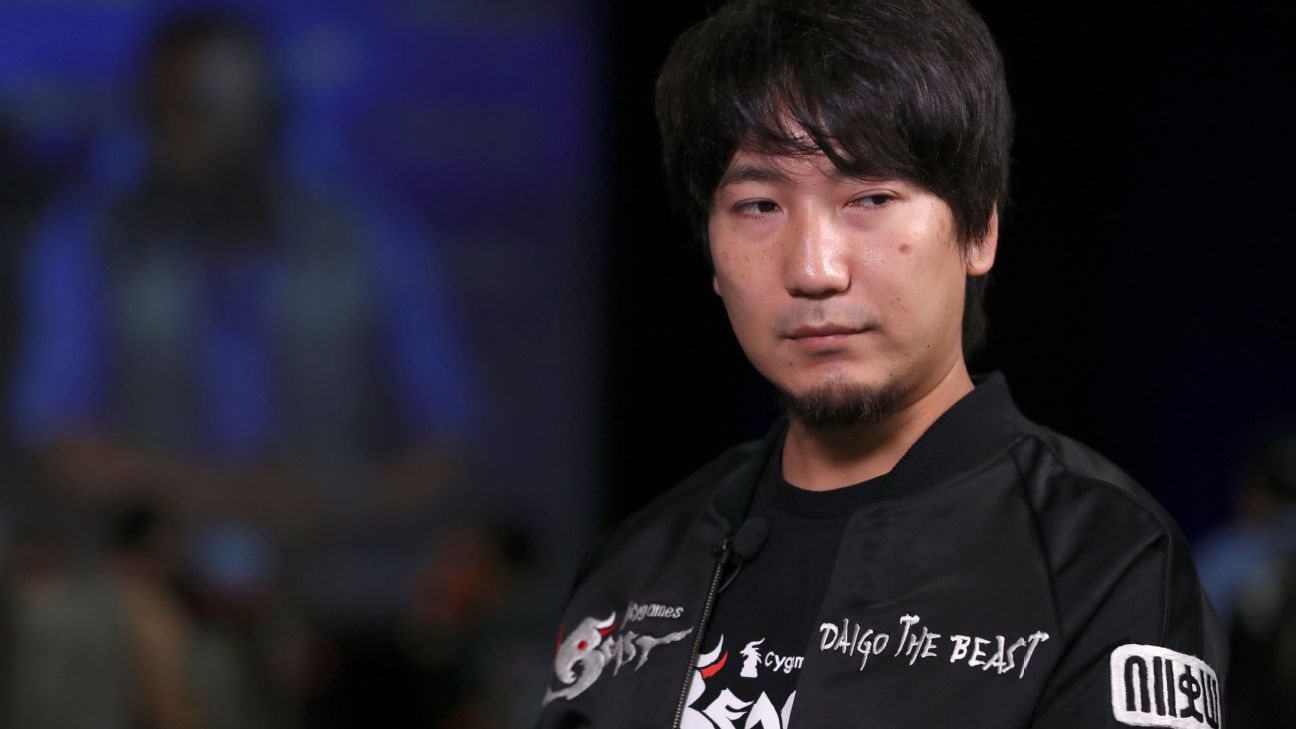
When Daigo Umehara speaks about fighting games, the competitive community listens. Few players have shaped the history and global perception of the genre as much as Daigo, whose career spans decades, multiple Street Fighter generations, and countless meta shifts.

In a recent reflection, Daigo admitted that he was naive to believe Street Fighter 6 would rebalance aspects of the series that had felt out of alignment for years. His comments resonate beyond a single game or patch cycle. They touch on fundamental questions about modern game design, competitive balance, and the expectations placed on new installments in long-running franchises.

Street Fighter 6 arrived with enormous anticipation. It promised accessibility for newcomers, depth for veterans, and a fresh start after years of debate around balance in previous titles. Yet Daigo’s remarks suggest that even a ground-up redesign cannot easily escape the structural realities of competitive fighting games.

The Weight of Expectations on Street Fighter 6
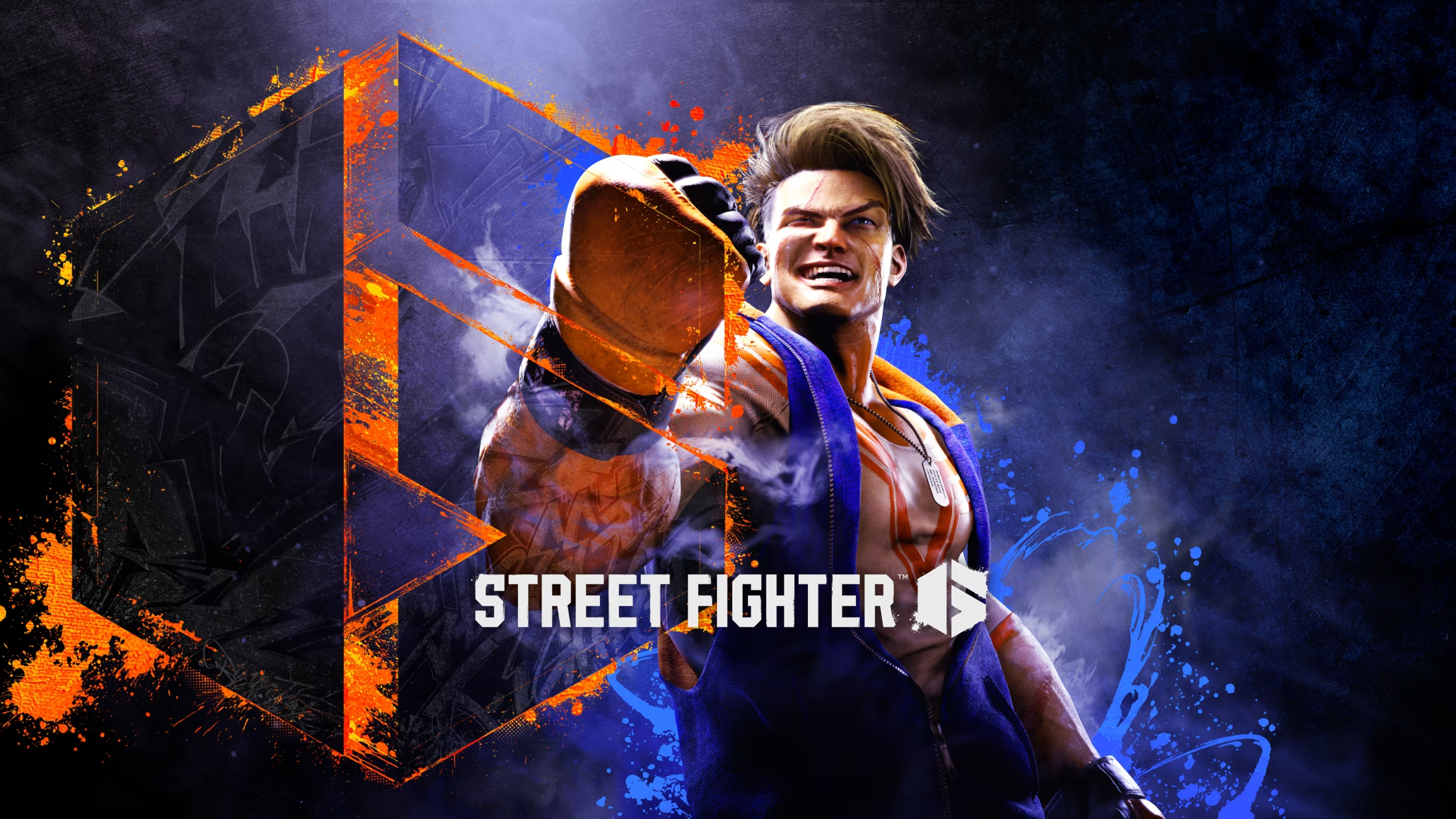
Street Fighter 6 was positioned as more than just another sequel. For many players, it represented a chance to correct perceived imbalances that had accumulated over time. Characters, mechanics, and strategies that felt dominant or restrictive in earlier games were expected to be rethought.

This expectation was not unreasonable. Capcom invested heavily in redesigning core systems, from the Drive system to pacing and accessibility. The game launched with modern controls, expanded training tools, and a renewed focus on onboarding new players.

However, Daigo’s reflection highlights a deeper truth. Balance is not a static goal that can be achieved once and preserved indefinitely. It is an evolving process shaped by player behavior, competitive discovery, and unintended interactions.

Why Balance Is Harder Than It Looks

From the outside, balance might appear to be a matter of numbers. Adjust damage values, tweak frame data, and limit overly strong options. In practice, balance is an emergent property of how systems interact.

Fighting games are especially sensitive to this complexity. Small changes can cascade into major shifts in strategy. A single adjustment to movement or meter gain can elevate one character while indirectly weakening another.

Daigo’s comments suggest that expecting a new version to simply reset these dynamics overlooks how deeply entrenched they are. Players do not approach a new game as a blank slate. They bring habits, preferences, and competitive instincts that shape the meta almost immediately.

Legacy Skill and Modern Design

One of the unique challenges facing Street Fighter 6 is its diverse audience. The game must serve newcomers discovering fighting games for the first time, casual players returning after years away, and elite competitors with decades of experience.

Daigo belongs firmly in the latter category. His understanding of spacing, timing, and psychological pressure transcends individual mechanics. Even as systems change, certain fundamentals remain dominant.

This creates tension in balance design. Mechanics introduced to level the playing field may not affect top players in the same way they affect average ones. What feels balanced at one level of play may feel skewed at another.

Daigo’s sense of naivety reflects this gap. A system that appears fair in theory can still produce familiar power imbalances when filtered through elite-level execution.

The Myth of the Perfect Reset

Every major fighting game release carries an implicit promise of renewal. Players hope that longstanding frustrations will be resolved and that the competitive landscape will feel fresh.

Street Fighter 6 did introduce significant changes, but Daigo’s experience suggests that no reset is truly clean. As soon as competition begins, patterns emerge. Certain characters rise to prominence. Certain strategies become dominant.

This is not necessarily a failure of design. It may be an unavoidable outcome of depth. Games that support long-term competition inevitably develop hierarchies of effectiveness.

Daigo’s realization points to a more mature understanding of balance. Rather than expecting perfection, players and developers may need to accept imbalance as something to be managed rather than eliminated.

Player Discovery Shapes Balance

One factor often underestimated is how quickly players explore and exploit systems. Within weeks of release, high-level players uncover optimal routes, safe pressure options, and matchup-specific strategies.

Street Fighter 6’s launch was no exception. Early impressions gave way to a more nuanced understanding as tournaments and online play revealed strengths and weaknesses across the roster.

Daigo’s comments imply that he initially believed systemic changes would override this process. In reality, player discovery remains a powerful force that no amount of pre-release testing can fully anticipate.

This reinforces the idea that balance is a dialogue between designers and players rather than a one-time decision.

The Role of Patches and Ongoing Support

Modern fighting games are no longer static products. Regular balance updates, character adjustments, and seasonal changes are now standard.

Street Fighter 6 was designed with this reality in mind. Capcom has emphasized long-term support, signaling that balance will evolve over time.

Daigo’s reflections suggest that this ongoing approach is not just practical but necessary. Expecting the launch version of any game to solve deep-rooted issues ignores how competitive ecosystems grow.

Balance patches are not admissions of failure. They are acknowledgments that a living game requires continuous refinement.

Competitive Perspective Versus Developer Intent

There is often a gap between how developers intend systems to function and how competitors actually use them. Designers may aim for diversity and expression, while players gravitate toward consistency and efficiency.

Daigo’s career has been defined by mastering efficiency under pressure. His disappointment is less about specific mechanics and more about the persistence of structural imbalances that reward certain approaches.

This tension is inherent in competitive design. Developers must decide whether to prioritize variety or fairness, accessibility or depth. Perfect alignment is elusive.

Street Fighter 6 sits at the intersection of these priorities, and Daigo’s comments reflect the difficulty of satisfying all of them simultaneously.

The Emotional Side of Competitive Play

Beyond mechanics, Daigo’s admission carries emotional weight. It reveals vulnerability from a player often seen as stoic and analytical.

Expecting a new game to feel fundamentally different can be a form of hope. When that hope clashes with reality, it prompts reflection not just on the game, but on one’s own assumptions.

For veterans like Daigo, each new installment raises questions about adaptation, relevance, and legacy. His remarks suggest a recalibration of expectations rather than disillusionment.

What This Means for the Street Fighter Community

Daigo’s perspective influences how the broader community thinks about balance. When a respected figure acknowledges complexity and uncertainty, it encourages more nuanced discussion.

Rather than framing balance debates as accusations or demands, players may approach them as shared challenges. This shift in tone can improve discourse and reduce frustration.

Street Fighter 6’s community is diverse and global. Voices like Daigo’s help bridge gaps between casual enthusiasm and competitive rigor.

Global Competitive Context

Street Fighter 6 is played at the highest levels across the USA, UK, UAE, Germany, Australia, and France. Each region brings its own playstyles, preferences, and competitive traditions.

Balance perceptions vary accordingly. A character considered dominant in one region may be less prominent in another. Daigo’s reflections emerge from a global competitive environment rather than a single local meta.

This diversity further complicates balance design. Developers must account for a wide range of contexts, reinforcing the idea that universal balance is an aspirational goal rather than an attainable endpoint.

Evolution Over Perfection

Daigo’s realization ultimately points toward evolution rather than perfection. Fighting games endure because they change, adapt, and challenge players to rethink assumptions.

Street Fighter 6 is still early in its lifecycle. As patches roll out and new characters are introduced, the balance landscape will continue to shift.

Daigo’s comments encourage patience and adaptability. They remind players that mastery involves responding to change rather than expecting stability.


Disclaimer

We strive to uphold the highest ethical standards in all of our reporting and coverage. We StartupNews.fyi want to be transparent with our readers about any potential conflicts of interest that may arise in our work. It’s possible that some of the investors we feature may have connections to other businesses, including competitors or companies we write about. However, we want to assure our readers that this will not have any impact on the integrity or impartiality of our reporting. We are committed to delivering accurate, unbiased news and information to our audience, and we will continue to uphold our ethics and principles in all of our work. Thank you for your trust and support.

Popular

More Like this

Daigo Umehara on Street Fighter 6: Why Balance Isn’t Easily Reset

When Daigo Umehara speaks about fighting games, the competitive community listens. Few players have shaped the history and global perception of the genre as much as Daigo, whose career spans decades, multiple Street Fighter generations, and countless meta shifts.

In a recent reflection, Daigo admitted that he was naive to believe Street Fighter 6 would rebalance aspects of the series that had felt out of alignment for years. His comments resonate beyond a single game or patch cycle. They touch on fundamental questions about modern game design, competitive balance, and the expectations placed on new installments in long-running franchises.

Street Fighter 6 arrived with enormous anticipation. It promised accessibility for newcomers, depth for veterans, and a fresh start after years of debate around balance in previous titles. Yet Daigo’s remarks suggest that even a ground-up redesign cannot easily escape the structural realities of competitive fighting games.

The Weight of Expectations on Street Fighter 6

Street Fighter 6 was positioned as more than just another sequel. For many players, it represented a chance to correct perceived imbalances that had accumulated over time. Characters, mechanics, and strategies that felt dominant or restrictive in earlier games were expected to be rethought.

This expectation was not unreasonable. Capcom invested heavily in redesigning core systems, from the Drive system to pacing and accessibility. The game launched with modern controls, expanded training tools, and a renewed focus on onboarding new players.

However, Daigo’s reflection highlights a deeper truth. Balance is not a static goal that can be achieved once and preserved indefinitely. It is an evolving process shaped by player behavior, competitive discovery, and unintended interactions.

Why Balance Is Harder Than It Looks

From the outside, balance might appear to be a matter of numbers. Adjust damage values, tweak frame data, and limit overly strong options. In practice, balance is an emergent property of how systems interact.

Fighting games are especially sensitive to this complexity. Small changes can cascade into major shifts in strategy. A single adjustment to movement or meter gain can elevate one character while indirectly weakening another.

Daigo’s comments suggest that expecting a new version to simply reset these dynamics overlooks how deeply entrenched they are. Players do not approach a new game as a blank slate. They bring habits, preferences, and competitive instincts that shape the meta almost immediately.

Legacy Skill and Modern Design

One of the unique challenges facing Street Fighter 6 is its diverse audience. The game must serve newcomers discovering fighting games for the first time, casual players returning after years away, and elite competitors with decades of experience.

Daigo belongs firmly in the latter category. His understanding of spacing, timing, and psychological pressure transcends individual mechanics. Even as systems change, certain fundamentals remain dominant.

This creates tension in balance design. Mechanics introduced to level the playing field may not affect top players in the same way they affect average ones. What feels balanced at one level of play may feel skewed at another.

Daigo’s sense of naivety reflects this gap. A system that appears fair in theory can still produce familiar power imbalances when filtered through elite-level execution.

The Myth of the Perfect Reset

Every major fighting game release carries an implicit promise of renewal. Players hope that longstanding frustrations will be resolved and that the competitive landscape will feel fresh.

Street Fighter 6 did introduce significant changes, but Daigo’s experience suggests that no reset is truly clean. As soon as competition begins, patterns emerge. Certain characters rise to prominence. Certain strategies become dominant.

This is not necessarily a failure of design. It may be an unavoidable outcome of depth. Games that support long-term competition inevitably develop hierarchies of effectiveness.

Daigo’s realization points to a more mature understanding of balance. Rather than expecting perfection, players and developers may need to accept imbalance as something to be managed rather than eliminated.

Player Discovery Shapes Balance

One factor often underestimated is how quickly players explore and exploit systems. Within weeks of release, high-level players uncover optimal routes, safe pressure options, and matchup-specific strategies.

Street Fighter 6’s launch was no exception. Early impressions gave way to a more nuanced understanding as tournaments and online play revealed strengths and weaknesses across the roster.

Daigo’s comments imply that he initially believed systemic changes would override this process. In reality, player discovery remains a powerful force that no amount of pre-release testing can fully anticipate.

This reinforces the idea that balance is a dialogue between designers and players rather than a one-time decision.

The Role of Patches and Ongoing Support

Modern fighting games are no longer static products. Regular balance updates, character adjustments, and seasonal changes are now standard.

Street Fighter 6 was designed with this reality in mind. Capcom has emphasized long-term support, signaling that balance will evolve over time.

Daigo’s reflections suggest that this ongoing approach is not just practical but necessary. Expecting the launch version of any game to solve deep-rooted issues ignores how competitive ecosystems grow.

Balance patches are not admissions of failure. They are acknowledgments that a living game requires continuous refinement.

Competitive Perspective Versus Developer Intent

There is often a gap between how developers intend systems to function and how competitors actually use them. Designers may aim for diversity and expression, while players gravitate toward consistency and efficiency.

Daigo’s career has been defined by mastering efficiency under pressure. His disappointment is less about specific mechanics and more about the persistence of structural imbalances that reward certain approaches.

This tension is inherent in competitive design. Developers must decide whether to prioritize variety or fairness, accessibility or depth. Perfect alignment is elusive.

Street Fighter 6 sits at the intersection of these priorities, and Daigo’s comments reflect the difficulty of satisfying all of them simultaneously.

The Emotional Side of Competitive Play

Beyond mechanics, Daigo’s admission carries emotional weight. It reveals vulnerability from a player often seen as stoic and analytical.

Expecting a new game to feel fundamentally different can be a form of hope. When that hope clashes with reality, it prompts reflection not just on the game, but on one’s own assumptions.

For veterans like Daigo, each new installment raises questions about adaptation, relevance, and legacy. His remarks suggest a recalibration of expectations rather than disillusionment.

What This Means for the Street Fighter Community

Daigo’s perspective influences how the broader community thinks about balance. When a respected figure acknowledges complexity and uncertainty, it encourages more nuanced discussion.

Rather than framing balance debates as accusations or demands, players may approach them as shared challenges. This shift in tone can improve discourse and reduce frustration.

Street Fighter 6’s community is diverse and global. Voices like Daigo’s help bridge gaps between casual enthusiasm and competitive rigor.

Global Competitive Context

Street Fighter 6 is played at the highest levels across the USA, UK, UAE, Germany, Australia, and France. Each region brings its own playstyles, preferences, and competitive traditions.

Balance perceptions vary accordingly. A character considered dominant in one region may be less prominent in another. Daigo’s reflections emerge from a global competitive environment rather than a single local meta.

This diversity further complicates balance design. Developers must account for a wide range of contexts, reinforcing the idea that universal balance is an aspirational goal rather than an attainable endpoint.

Evolution Over Perfection

Daigo’s realization ultimately points toward evolution rather than perfection. Fighting games endure because they change, adapt, and challenge players to rethink assumptions.

Street Fighter 6 is still early in its lifecycle. As patches roll out and new characters are introduced, the balance landscape will continue to shift.

Daigo’s comments encourage patience and adaptability. They remind players that mastery involves responding to change rather than expecting stability.

Disclaimer

We strive to uphold the highest ethical standards in all of our reporting and coverage. We StartupNews.fyi want to be transparent with our readers about any potential conflicts of interest that may arise in our work. It’s possible that some of the investors we feature may have connections to other businesses, including competitors or companies we write about. However, we want to assure our readers that this will not have any impact on the integrity or impartiality of our reporting. We are committed to delivering accurate, unbiased news and information to our audience, and we will continue to uphold our ethics and principles in all of our work. Thank you for your trust and support.

Website Upgradation is going on for any glitch kindly connect at office@startupnews.fyi

More like this

Elon Musk’s xAI is hiring native Hindi and Bengali...

Elon Musk’s xAI is hiring native Bengali and...

Snabbit acquihires Pync founding team to scale quick home...

Quick home services platform Snabbit has announced that...

There Is No Comfortable Reading Position — And That’s...

If you have ever shifted in your chair for...

Popular

best iptv best iptv best iptv best iptv best iptv best iptv best iptv best iptv best iptv best iptv best iptv best iptv best iptv best iptv best iptv best iptv best iptv best iptv best iptv best iptv best iptv best iptv best iptv best iptv best iptv best iptv best iptv best iptv best iptv best iptv best iptv best iptv best iptv best iptv best iptv best iptv best iptv best iptv best iptv best iptv best iptv best iptv best iptv best iptv best iptv best iptv best iptv best iptv best iptv best iptv best iptv best iptv best iptv best iptv best iptv best iptv best iptv best iptv best iptv best iptv best iptv best iptv best iptv best iptv best iptv best iptv best iptv best iptv best iptv best iptv best iptv best iptv best iptv best iptv best iptv best iptv best iptv best iptv best iptv best iptv best iptv best iptv best iptv best iptv best iptv best iptv best iptv best iptv best iptv best iptv best iptv best iptv best iptv best iptv best iptv best iptv best iptv best iptv best iptv best iptv best iptv best iptv best iptv best iptv best iptv best iptv best iptv best iptv best iptv best iptv best iptv best iptv best iptv best iptv best iptv best iptv best iptv best iptv best iptv best iptv best iptv best iptv best iptv best iptv best iptv best iptv best iptv best iptv best iptv best iptv best iptv best iptv best iptv best iptv best iptv best iptv best iptv best iptv best iptv best iptv best iptv best iptv best iptv best iptv best iptv best iptv best iptv best iptv best iptv best iptv best iptv best iptv best iptv best iptv best iptv best iptv best iptv best iptv best iptv best iptv best iptv best iptv best iptv best iptv best iptv best iptv best iptv best iptv best iptv best iptv best iptv best iptv best iptv best iptv best iptv best iptv best iptv best iptv best iptv best iptv best iptv best iptv best iptv best iptv best iptv best iptv best iptv best iptv best iptv best iptv best iptv best iptv best iptv best iptv best iptv best iptv best iptv