
Software updates are a constant part of the iPhone experience, but not all updates are designed to change how a device looks or feels. Some updates are quieter, focused on stability, reliability, and behind-the-scenes improvements. iOS 26.3 falls squarely into this category.
Apple is preparing to release iOS 26.3 for millions of iPhone users worldwide. While it may not introduce headline-grabbing features, this update plays an important role in keeping iPhones secure, responsive, and dependable. For many users, especially those holding on to older devices, updates like this often have a bigger day-to-day impact than feature-heavy releases.
As iPhones remain central to communication, work, payments, and digital identity, even incremental software improvements matter at scale.
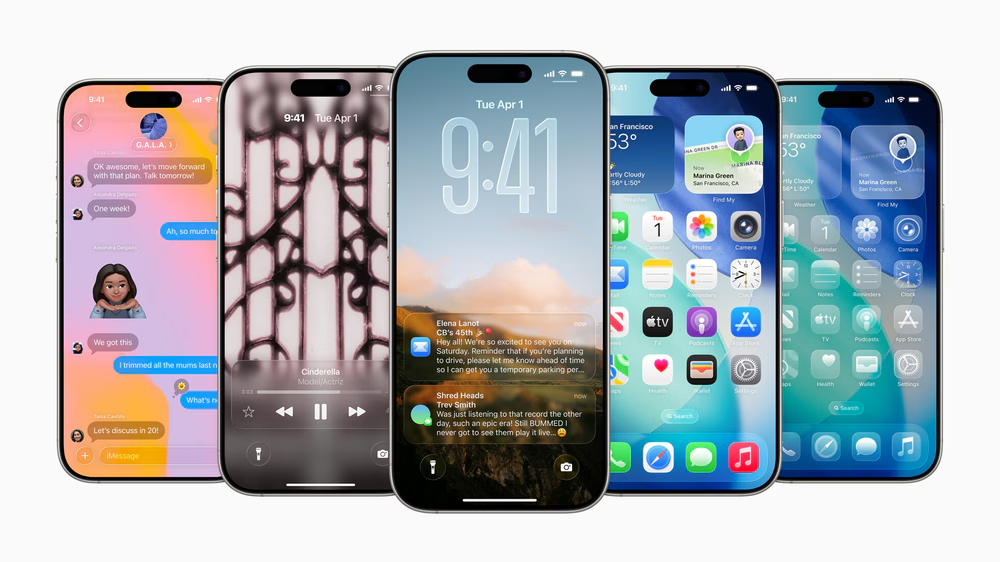
iOS 26.3 Release Date
Although some earlier parts of the iOS 26 schedule were delayed, Apple seems to have got back on track now, so I still think that iOS 26.3 is likely to hit general release on or about Monday, Jan. 26. Assuming that’s still on track, then iOS 26.2.1 seems superfluous — Apple doesn’t want its users to update the iPhone on a weekly basis unless it has no alternative.
Other reports are also pointing to similar release dates. “Monday, January 26 is the most likely launch date, but it could always slip to a day later that week or early the following week instead,” 9to5Mac reported on Jan. 15.
It arrived at this conclusion after comparing calendar dates in recent years for iOS x.3 releases. “They all follow the exact same pattern. Each of the last three x.3 launches happened exactly one week after Martin Luther King Jr. Day. This year, that will be January 26,” it said.
Where iOS 26.3 Fits in Apple’s Update Cycle
Apple’s iOS development follows a predictable pattern. Major releases introduce new features and interface changes, while point releases focus on refinement. iOS 26.3 is part of this refinement phase.
After the rollout of iOS 26, Apple has been gathering feedback from users, developers, and internal diagnostics. Issues that surface after a major release are typically addressed through updates like 26.1, 26.2, and now 26.3. These updates often resolve performance slowdowns, unexpected app crashes, connectivity problems, and battery behavior anomalies.
For Apple, these releases are about maintaining trust. A stable operating system ensures that new hardware performs as expected and older models remain usable for longer.
Expected Release Timing
While Apple does not publicly announce exact release dates for minor iOS updates, patterns from previous years offer guidance. iOS 26.3 is expected to arrive soon, likely within weeks of its internal testing phase reaching completion.
Apple typically releases these updates simultaneously across supported devices and regions. Users receive notifications directly on their iPhones, and the update becomes available through the Settings app.
The timing also reflects Apple’s need to address issues quickly without waiting for the next major version. This approach allows Apple to respond to real-world usage data at scale.
Devices Likely to Receive iOS 26.3
iOS 26.3 is expected to support the same devices compatible with iOS 26. That includes a broad range of recent and moderately older iPhone models. For users with aging hardware, continued software support is one of the reasons iPhones maintain strong resale value and long lifespans.
iPhone models that remain within Apple’s support window benefit the most from stability-focused updates. Even when new features are limited, performance optimizations can make everyday interactions feel smoother.
This broad compatibility ensures that improvements reach hundreds of millions of active devices worldwide.
Performance and Stability Improvements
One of the primary goals of iOS 26.3 is to improve system performance. After major releases, some users experience lag, app freezes, or inconsistent responsiveness. These issues are often hardware-specific or related to certain usage patterns.
Apple uses aggregated diagnostics and crash reports to identify problem areas. Updates like iOS 26.3 fine-tune memory management, background processes, and system animations. These changes may not be visible, but they can noticeably reduce slowdowns and random glitches.
For users who rely on their iPhones for productivity or time-sensitive tasks, these refinements can make a meaningful difference.
Battery Life Adjustments
Battery performance is one of the most closely watched aspects of any iOS update. While Apple avoids promising dramatic improvements, point releases often include tweaks that stabilize power consumption.
iOS 26.3 is expected to address background activity issues that can lead to unexpected battery drain. This is especially relevant for users who noticed reduced battery life after upgrading to iOS 26.
Apple’s approach focuses on balancing performance and efficiency. Small changes to how apps refresh data or how system services operate can extend daily battery life without sacrificing functionality.
Security Updates at Scale
Security is a critical reason Apple releases frequent iOS updates. Each version typically includes patches for vulnerabilities discovered by Apple’s internal teams or external researchers.
While Apple does not always disclose details immediately, these fixes protect users from exploits that could compromise personal data, financial information, or device integrity. Given the scale of the iPhone user base, even rare vulnerabilities become significant.
iOS 26.3 continues Apple’s practice of delivering security improvements quietly but consistently, reinforcing the platform’s reputation for safety.
App Compatibility and Reliability
Another focus of iOS 26.3 is improving app compatibility. Following major iOS releases, some third-party apps may behave unpredictably until developers issue updates.
Apple works closely with developers to identify system-level issues that affect app performance. Updates like 26.3 often resolve conflicts related to permissions, background tasks, or system APIs.
For users, this means fewer crashes, smoother multitasking, and more reliable everyday apps, from messaging and banking to navigation and work tools.
Why Minor iOS Updates Matter More Than They Appear
It is easy to overlook point releases because they lack new features. However, these updates are essential to Apple’s long-term software strategy.
By regularly refining iOS, Apple ensures that devices remain usable for years. This approach supports sustainability goals and reduces the pressure on users to upgrade hardware frequently.
For businesses and developers, a stable operating system lowers support costs and simplifies maintenance across device fleets.
Global Impact Across Major Markets
iOS 26.3 is relevant across major markets including the USA, UK, UAE, Germany, Australia, and France. In all these regions, iPhones are widely used for communication, payments, navigation, and work-related tasks.
Consistent updates ensure a uniform experience regardless of location. Shared concerns around security, performance, and battery life make stability-focused releases universally important.
As regulators and consumers increasingly scrutinize software reliability and data protection, Apple’s update cadence plays a role in maintaining compliance and user confidence.
How Users Should Prepare
Most users do not need to take special action beyond keeping their devices updated. Ensuring sufficient storage space and backing up data before installing any update remains good practice.
For those who experienced issues after upgrading to iOS 26, installing iOS 26.3 promptly may resolve lingering problems. Apple typically recommends updating as soon as possible to benefit from security fixes.
Looking Ahead in Apple’s Software Strategy
iOS 26.3 represents a continuation of Apple’s incremental improvement philosophy. As the company prepares future major releases, these smaller updates serve as a foundation.
They allow Apple to stabilize the platform while gathering insights that shape upcoming features and system changes. For users, this means fewer disruptions and more predictable performance.
Over time, the cumulative effect of these updates is what defines the iPhone experience.
Closing Perspective
iOS 26.3 may not redefine how the iPhone works, but its importance lies in scale and reliability. When millions of devices receive performance, battery, and security improvements simultaneously, the impact is substantial.
For iPhone users, updates like iOS 26.3 reinforce why long-term software support remains one of Apple’s strongest advantages.


