The Two Things AMD Subtly Revealed at CES 2026 That Truly Matter — And Why They’re a Big Deal

Share via:

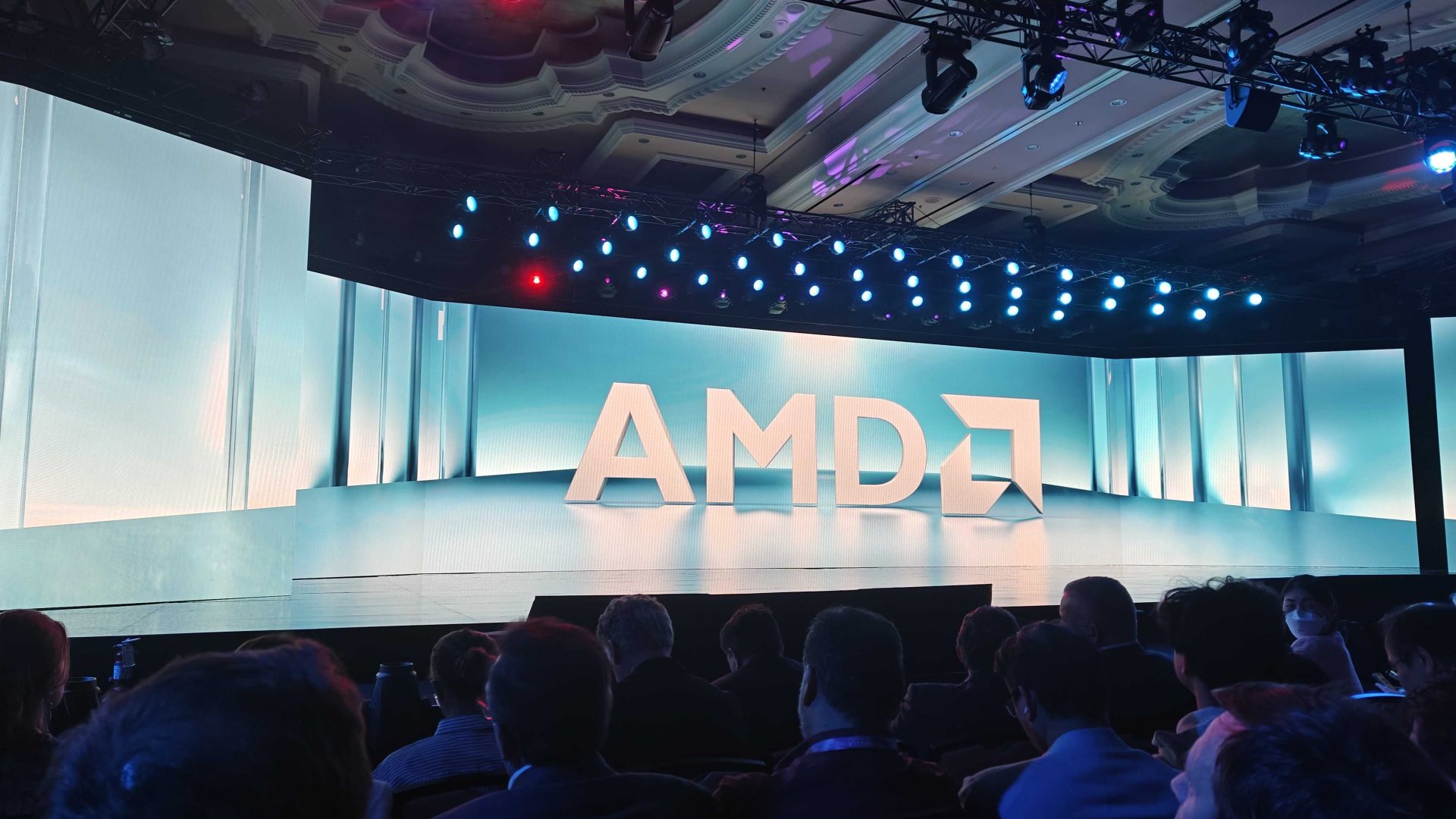
AMD’s CES 2026 keynote may not have delivered flashy surprises or headline-grabbing theatrics, but for those paying close attention, it quietly revealed two developments that could meaningfully reshape the future of laptops and PC performance. While much of the tech world focused on AI hype and over-polished demos, AMD slipped in details that signal long-term strategy rather than short-term spectacle.

As highlighted by The Verge, these revelations were easy to overlook. Yet they address two of the most persistent frustrations in modern computing: upgradability in laptops and the balance between power, efficiency, and price.

Together, these changes suggest AMD is positioning itself not just as a performance leader, but as a more user-aligned alternative in an increasingly locked-down PC ecosystem.

CES 2026 Wasn’t About Noise — It Was About Direction

AMD’s presence at CES 2026 contrasted sharply with competitors chasing buzzwords and speculative AI promises. Instead of overwhelming audiences with rapid-fire announcements, AMD focused on refining its roadmap.

The company’s messaging suggested confidence rather than urgency. AMD appears less interested in chasing every trend and more focused on correcting structural problems in modern PCs.

That restraint made the two subtle reveals all the more meaningful.

First Reveal: The Return of Socketed Laptop CPUs

Perhaps the most exciting signal from AMD was its renewed commitment to socketed laptop processors. In an era where most laptop CPUs are soldered permanently to the motherboard, AMD’s approach stands out.

While not marketed aggressively during the keynote, AMD confirmed ongoing support and development for socketed mobile platforms—particularly for high-performance and enthusiast-class laptops.

This is a quiet rebellion against industry norms.

Why Socketed Laptop CPUs Matter

Modern laptops have become increasingly disposable. Soldered CPUs mean:

  • No CPU upgrades
  • Limited repair options
  • Shorter usable lifespan

By continuing to support socketed designs, AMD opens the door to laptops that can evolve over time rather than be replaced entirely.

For power users, creators, and developers, this is a fundamental shift. It restores a degree of ownership that has been steadily eroded.

Who This Benefits Most

AMD’s socketed laptop strategy is not aimed at ultra-thin consumer notebooks. Instead, it targets:

  • Mobile workstations
  • Gaming laptops
  • Performance-focused notebooks

These are users who already invest heavily in hardware and expect longevity. AMD’s move aligns perfectly with their needs.

It also gives system integrators and OEMs greater flexibility—something increasingly rare in laptop design.

A Philosophical Difference From the Competition

This decision highlights a philosophical divide. While many manufacturers pursue sealed designs for slimness and cost efficiency, AMD is betting that some users still value modularity.

That bet could pay off as sustainability concerns grow and right-to-repair regulations gain traction globally.

AMD isn’t just selling chips—it’s signaling respect for the user.

Second Reveal: Strix Halo and a New Performance Class

The second subtle reveal centers on Strix Halo, AMD’s upcoming high-end APU platform. While AMD mentioned Strix Halo without excessive detail, what it represents is significant.

Strix Halo is positioned to blur the line between integrated graphics and discrete GPUs, offering:

  • Massive integrated GPU performance
  • High core-count CPUs
  • Unified memory advantages

This is not a typical mobile chip—it’s a redefinition of what a laptop processor can be.

Why Strix Halo Changes the Conversation

Historically, high-performance laptops required discrete GPUs, adding cost, complexity, and power draw. Strix Halo challenges that assumption.

By delivering near-discrete GPU performance within an APU, AMD enables thinner designs, better efficiency, and potentially lower prices.

For many users, this could eliminate the need for a separate graphics card entirely.

Performance Without the Traditional Penalties

Strix Halo isn’t just about raw power. It’s about efficiency at scale.

Unified memory architecture allows the CPU and GPU to share resources dynamically, reducing latency and improving performance consistency. This design also simplifies cooling and power delivery.

The result is sustained performance without the typical drawbacks of gaming-class laptops.

Why Pricing Is the Silent Story

AMD hinted that Strix Halo systems would be priced more aggressively than traditional high-end laptops with discrete GPUs.

If that holds true, it could significantly disrupt the premium laptop market. Performance that once required expensive configurations may become accessible to a wider audience.

This is where AMD’s strategy becomes especially compelling.

A Real Alternative to Discrete GPU Laptops

Strix Halo doesn’t aim to replace flagship desktop GPUs. Instead, it targets a massive middle ground:

  • Creators who need GPU acceleration
  • Developers working with AI and simulations
  • Gamers who want strong performance without bulk

For these users, Strix Halo could be the sweet spot.

How These Two Reveals Work Together

Socketed laptop CPUs and Strix Halo may seem unrelated, but they share a common theme: flexibility.

AMD is building platforms that adapt to user needs rather than forcing users into rigid upgrade paths. One focuses on physical modularity, the other on architectural efficiency.

Together, they suggest AMD is thinking beyond benchmark charts.

Why This Matters More Than AI Demos

CES 2026 was saturated with AI promises, many of which remain abstract. AMD’s announcements, by contrast, address tangible problems users face today.

  • Can I upgrade my laptop?
  • Can I get high performance without excessive cost or heat?

AMD quietly answered “yes” to both.

Industry Implications

If AMD succeeds, competitors may be forced to reconsider current laptop design philosophies. Socketed CPUs could regain legitimacy, and high-performance APUs could challenge the dominance of discrete GPUs in mobile devices.

This would represent a meaningful shift in the PC industry—one driven by user value rather than marketing trends.

OEMs and Developers Are Watching Closely

Laptop manufacturers stand to benefit from greater design freedom. Developers, meanwhile, gain more predictable performance environments.

Strix Halo’s unified architecture could simplify optimization, especially for workloads involving graphics and compute simultaneously.

These ripple effects extend well beyond consumer marketing.

Why AMD’s Subtlety Is Strategic

AMD didn’t oversell these announcements. That restraint builds credibility.

Rather than promising revolutions, AMD is laying groundwork. The company understands that trust is earned through delivery, not hype.

CES 2026 was about planting seeds, not harvesting attention.

A Broader Pattern in AMD’s Strategy

These reveals fit a broader pattern. AMD has consistently focused on:

  • Platform longevity
  • Price-to-performance leadership
  • Architectural efficiency

CES 2026 reinforced that identity rather than reinventing it.

What Users Should Take Away

If you care about:

  • Upgradable laptops
  • Better value in high-performance systems
  • Efficient, powerful mobile computing

AMD’s CES 2026 messaging should excite you.

Not because it was loud—but because it was deliberate.

Why This Could Shape the Next Five Years

The real impact of these decisions won’t be felt immediately. They will shape product design, buying habits, and expectations over several years.

Socketed CPUs could normalize repairable laptops again. Strix Halo could redefine what “high-end” means in mobile computing.

These are slow burns—but powerful ones

Conclusion: Quiet Signals, Real Change

The most important announcements at CES 2026 weren’t the loudest. AMD’s subtle reveals about socketed laptop CPUs and Strix Halo APUs point to a future where performance, flexibility, and value coexist.

Rather than chasing trends, AMD is addressing foundational problems in modern PCs. That’s why these announcements matter—and why they should excite anyone who cares about the future of computing.


Disclaimer

We strive to uphold the highest ethical standards in all of our reporting and coverage. We StartupNews.fyi want to be transparent with our readers about any potential conflicts of interest that may arise in our work. It’s possible that some of the investors we feature may have connections to other businesses, including competitors or companies we write about. However, we want to assure our readers that this will not have any impact on the integrity or impartiality of our reporting. We are committed to delivering accurate, unbiased news and information to our audience, and we will continue to uphold our ethics and principles in all of our work. Thank you for your trust and support.

Popular

More Like this

The Two Things AMD Subtly Revealed at CES 2026 That Truly Matter — And Why They’re a Big Deal

AMD’s CES 2026 keynote may not have delivered flashy surprises or headline-grabbing theatrics, but for those paying close attention, it quietly revealed two developments that could meaningfully reshape the future of laptops and PC performance. While much of the tech world focused on AI hype and over-polished demos, AMD slipped in details that signal long-term strategy rather than short-term spectacle.

As highlighted by The Verge, these revelations were easy to overlook. Yet they address two of the most persistent frustrations in modern computing: upgradability in laptops and the balance between power, efficiency, and price.

Together, these changes suggest AMD is positioning itself not just as a performance leader, but as a more user-aligned alternative in an increasingly locked-down PC ecosystem.

CES 2026 Wasn’t About Noise — It Was About Direction

AMD’s presence at CES 2026 contrasted sharply with competitors chasing buzzwords and speculative AI promises. Instead of overwhelming audiences with rapid-fire announcements, AMD focused on refining its roadmap.

The company’s messaging suggested confidence rather than urgency. AMD appears less interested in chasing every trend and more focused on correcting structural problems in modern PCs.

That restraint made the two subtle reveals all the more meaningful.

First Reveal: The Return of Socketed Laptop CPUs

Perhaps the most exciting signal from AMD was its renewed commitment to socketed laptop processors. In an era where most laptop CPUs are soldered permanently to the motherboard, AMD’s approach stands out.

While not marketed aggressively during the keynote, AMD confirmed ongoing support and development for socketed mobile platforms—particularly for high-performance and enthusiast-class laptops.

This is a quiet rebellion against industry norms.

Why Socketed Laptop CPUs Matter

Modern laptops have become increasingly disposable. Soldered CPUs mean:

  • No CPU upgrades
  • Limited repair options
  • Shorter usable lifespan

By continuing to support socketed designs, AMD opens the door to laptops that can evolve over time rather than be replaced entirely.

For power users, creators, and developers, this is a fundamental shift. It restores a degree of ownership that has been steadily eroded.

Who This Benefits Most

AMD’s socketed laptop strategy is not aimed at ultra-thin consumer notebooks. Instead, it targets:

  • Mobile workstations
  • Gaming laptops
  • Performance-focused notebooks

These are users who already invest heavily in hardware and expect longevity. AMD’s move aligns perfectly with their needs.

It also gives system integrators and OEMs greater flexibility—something increasingly rare in laptop design.

A Philosophical Difference From the Competition

This decision highlights a philosophical divide. While many manufacturers pursue sealed designs for slimness and cost efficiency, AMD is betting that some users still value modularity.

That bet could pay off as sustainability concerns grow and right-to-repair regulations gain traction globally.

AMD isn’t just selling chips—it’s signaling respect for the user.

Second Reveal: Strix Halo and a New Performance Class

The second subtle reveal centers on Strix Halo, AMD’s upcoming high-end APU platform. While AMD mentioned Strix Halo without excessive detail, what it represents is significant.

Strix Halo is positioned to blur the line between integrated graphics and discrete GPUs, offering:

  • Massive integrated GPU performance
  • High core-count CPUs
  • Unified memory advantages

This is not a typical mobile chip—it’s a redefinition of what a laptop processor can be.

Why Strix Halo Changes the Conversation

Historically, high-performance laptops required discrete GPUs, adding cost, complexity, and power draw. Strix Halo challenges that assumption.

By delivering near-discrete GPU performance within an APU, AMD enables thinner designs, better efficiency, and potentially lower prices.

For many users, this could eliminate the need for a separate graphics card entirely.

Performance Without the Traditional Penalties

Strix Halo isn’t just about raw power. It’s about efficiency at scale.

Unified memory architecture allows the CPU and GPU to share resources dynamically, reducing latency and improving performance consistency. This design also simplifies cooling and power delivery.

The result is sustained performance without the typical drawbacks of gaming-class laptops.

Why Pricing Is the Silent Story

AMD hinted that Strix Halo systems would be priced more aggressively than traditional high-end laptops with discrete GPUs.

If that holds true, it could significantly disrupt the premium laptop market. Performance that once required expensive configurations may become accessible to a wider audience.

This is where AMD’s strategy becomes especially compelling.

A Real Alternative to Discrete GPU Laptops

Strix Halo doesn’t aim to replace flagship desktop GPUs. Instead, it targets a massive middle ground:

  • Creators who need GPU acceleration
  • Developers working with AI and simulations
  • Gamers who want strong performance without bulk

For these users, Strix Halo could be the sweet spot.

How These Two Reveals Work Together

Socketed laptop CPUs and Strix Halo may seem unrelated, but they share a common theme: flexibility.

AMD is building platforms that adapt to user needs rather than forcing users into rigid upgrade paths. One focuses on physical modularity, the other on architectural efficiency.

Together, they suggest AMD is thinking beyond benchmark charts.

Why This Matters More Than AI Demos

CES 2026 was saturated with AI promises, many of which remain abstract. AMD’s announcements, by contrast, address tangible problems users face today.

  • Can I upgrade my laptop?
  • Can I get high performance without excessive cost or heat?

AMD quietly answered “yes” to both.

Industry Implications

If AMD succeeds, competitors may be forced to reconsider current laptop design philosophies. Socketed CPUs could regain legitimacy, and high-performance APUs could challenge the dominance of discrete GPUs in mobile devices.

This would represent a meaningful shift in the PC industry—one driven by user value rather than marketing trends.

OEMs and Developers Are Watching Closely

Laptop manufacturers stand to benefit from greater design freedom. Developers, meanwhile, gain more predictable performance environments.

Strix Halo’s unified architecture could simplify optimization, especially for workloads involving graphics and compute simultaneously.

These ripple effects extend well beyond consumer marketing.

Why AMD’s Subtlety Is Strategic

AMD didn’t oversell these announcements. That restraint builds credibility.

Rather than promising revolutions, AMD is laying groundwork. The company understands that trust is earned through delivery, not hype.

CES 2026 was about planting seeds, not harvesting attention.

A Broader Pattern in AMD’s Strategy

These reveals fit a broader pattern. AMD has consistently focused on:

  • Platform longevity
  • Price-to-performance leadership
  • Architectural efficiency

CES 2026 reinforced that identity rather than reinventing it.

What Users Should Take Away

If you care about:

  • Upgradable laptops
  • Better value in high-performance systems
  • Efficient, powerful mobile computing

AMD’s CES 2026 messaging should excite you.

Not because it was loud—but because it was deliberate.

Why This Could Shape the Next Five Years

The real impact of these decisions won’t be felt immediately. They will shape product design, buying habits, and expectations over several years.

Socketed CPUs could normalize repairable laptops again. Strix Halo could redefine what “high-end” means in mobile computing.

These are slow burns—but powerful ones

Conclusion: Quiet Signals, Real Change

The most important announcements at CES 2026 weren’t the loudest. AMD’s subtle reveals about socketed laptop CPUs and Strix Halo APUs point to a future where performance, flexibility, and value coexist.

Rather than chasing trends, AMD is addressing foundational problems in modern PCs. That’s why these announcements matter—and why they should excite anyone who cares about the future of computing.

Disclaimer

We strive to uphold the highest ethical standards in all of our reporting and coverage. We StartupNews.fyi want to be transparent with our readers about any potential conflicts of interest that may arise in our work. It’s possible that some of the investors we feature may have connections to other businesses, including competitors or companies we write about. However, we want to assure our readers that this will not have any impact on the integrity or impartiality of our reporting. We are committed to delivering accurate, unbiased news and information to our audience, and we will continue to uphold our ethics and principles in all of our work. Thank you for your trust and support.

Website Upgradation is going on for any glitch kindly connect at office@startupnews.fyi

More like this

Why Tech Companies Want Retailers to Use AI Everywhere

Retail is undergoing a quiet but far-reaching transformation. Artificial...

US FTC to scrutinise Big Tech’s talent acquisition deals:...

The US Federal Trade Commission is scrutinising ‍big...

ICAR: Integrating transparency and merit in the selection process

Agricultural research is the backbone of any nation’s...

Popular

best iptv best iptv best iptv best iptv best iptv best iptv best iptv best iptv best iptv best iptv best iptv best iptv best iptv best iptv best iptv best iptv best iptv best iptv best iptv best iptv best iptv best iptv best iptv best iptv best iptv best iptv best iptv best iptv best iptv best iptv best iptv best iptv best iptv best iptv best iptv best iptv best iptv best iptv best iptv best iptv best iptv best iptv best iptv best iptv best iptv best iptv best iptv best iptv best iptv best iptv best iptv best iptv best iptv best iptv best iptv best iptv best iptv best iptv best iptv best iptv best iptv best iptv best iptv best iptv best iptv best iptv best iptv best iptv best iptv best iptv best iptv best iptv best iptv best iptv best iptv best iptv best iptv best iptv best iptv best iptv best iptv best iptv best iptv best iptv best iptv best iptv best iptv best iptv best iptv best iptv best iptv best iptv best iptv best iptv best iptv best iptv best iptv best iptv best iptv best iptv best iptv best iptv best iptv best iptv best iptv best iptv best iptv best iptv best iptv best iptv best iptv best iptv best iptv best iptv best iptv best iptv best iptv best iptv best iptv best iptv best iptv best iptv best iptv best iptv best iptv best iptv best iptv best iptv best iptv best iptv best iptv best iptv best iptv best iptv best iptv best iptv best iptv best iptv best iptv best iptv best iptv best iptv best iptv best iptv best iptv best iptv best iptv best iptv best iptv best iptv best iptv best iptv best iptv best iptv best iptv best iptv best iptv best iptv best iptv best iptv best iptv best iptv best iptv best iptv best iptv best iptv best iptv best iptv best iptv best iptv best iptv best iptv best iptv best iptv best iptv best iptv best iptv best iptv best iptv best iptv best iptv best iptv best iptv best iptv best iptv best iptv best iptv best iptv best iptv best iptv best iptv best iptv best iptv best iptv best iptv best iptv best iptv