Google Just Announced a Huge Change to Gmail — Here’s What You Need to Know

Share via:

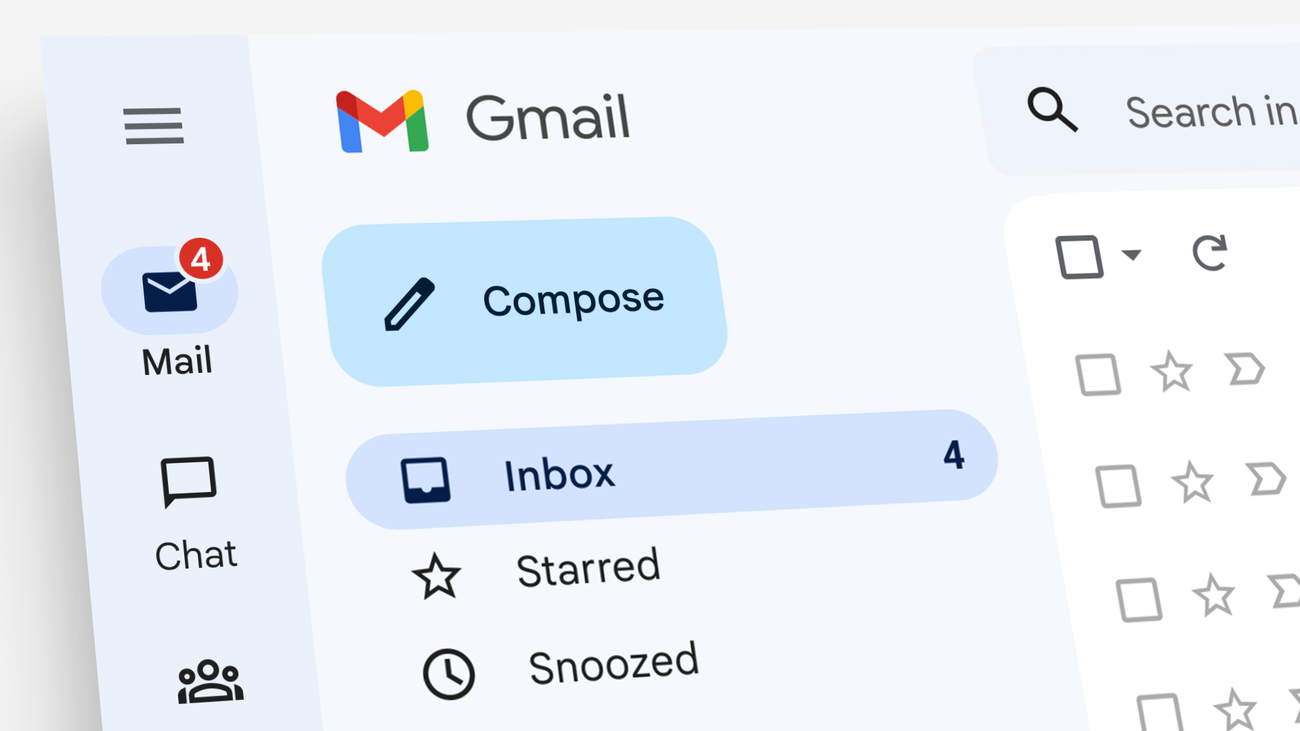
Google has announced one of the most consequential changes to Gmail in years, signaling a major shift in how email will work for billions of users worldwide. The update, first reported by PennLive and echoed across leading tech outlets, goes far beyond a cosmetic redesign. Instead, it represents Google’s clearest attempt yet to transform Gmail from a passive inbox into an AI-driven communication hub that actively organizes, prioritizes, and responds on the user’s behalf

For a service used by more than a billion people daily, even small changes carry enormous impact. This update, however, is anything but small. It touches how emails are sorted, surfaced, summarized, and acted upon—fundamentally redefining what “checking email” means in 2026.

Why Google Is Rethinking Gmail Now

Email has remained largely unchanged for decades. While features like spam filtering and smart replies improved convenience, the core experience—scrolling through a chronological inbox—persisted.

Google now believes that model is broken.

With inboxes overwhelmed by newsletters, notifications, receipts, and automated messages, users spend more time managing email than actually communicating. Google’s new Gmail update is designed to address that overload directly using artificial intelligence.

This shift reflects broader trends across Google’s ecosystem, where AI is becoming the primary interface layer rather than a background tool.

The Inbox Is No Longer Just a List

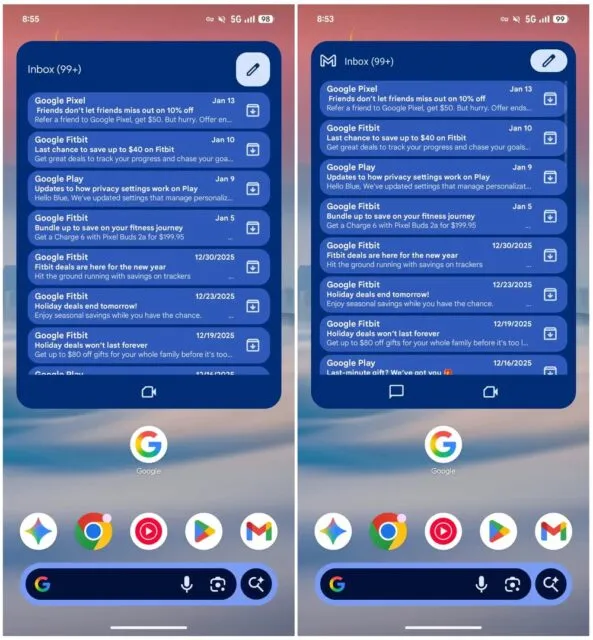
The most significant change is how Gmail treats the inbox itself. Instead of acting as a neutral container for incoming messages, Gmail will increasingly function as an intelligent organizer.

Emails are no longer surfaced purely by time of arrival. Instead, Gmail analyzes relevance, urgency, and user behavior to determine what deserves attention first.

This means important messages may stay visible longer, while low-priority emails are quietly deprioritized—even if they arrived more recently.

AI Summaries Change How Emails Are Read

One of the most noticeable features in the update is AI-generated email summaries. Long email threads, group conversations, and complex messages can now be condensed into short summaries that appear at the top of the conversation.

This allows users to understand context without reading every message. For busy professionals, this could significantly reduce time spent triaging inboxes.

Google emphasizes that summaries are generated dynamically and update as conversations evolve, ensuring they remain accurate and relevant.

Gmail Becomes Proactive, Not Reactive

Traditionally, email clients respond to user input. Gmail’s update flips that relationship.

The new system proactively suggests actions based on email content. For example, it may surface reminders, suggest replies, or prompt follow-ups without the user explicitly asking.

This approach aligns Gmail with Google’s broader vision of AI as an assistant that anticipates needs rather than waits for commands.

Smart Replies Are Getting Smarter

Smart Reply has existed for years, but the new update dramatically expands its capabilities. Responses are no longer limited to short acknowledgments.

Instead, Gmail can now draft longer, context-aware replies that reflect the tone and intent of the conversation. Users can edit these drafts before sending, maintaining control while saving time.

This evolution blurs the line between writing assistance and automation—raising both excitement and questions.
Personalization Is Central to the Update

Google stresses that Gmail’s changes are personalized. The system learns from user behavior, such as which emails are opened, ignored, replied to, or archived.

Over time, this allows Gmail to tailor its prioritization model to individual preferences. Two users receiving the same email may see it ranked differently based on their habits.

This personalization is key to making AI-driven inboxes feel helpful rather than intrusive.

Privacy and Data Concerns Are Inevitable

Whenever Google introduces AI-driven changes, privacy concerns follow. Gmail’s update is no exception.

Google maintains that AI processing respects existing privacy protections and that user data is not used to train external models without consent. Much of the analysis occurs within Google’s secure infrastructure.

Still, the idea of an AI interpreting personal communication raises valid questions about transparency and control.

How This Affects Google Workspace Users

For business and enterprise users, the Gmail update integrates deeply with Google Workspace tools.

Emails tied to documents, meetings, and tasks can now trigger contextual suggestions across Google Docs, Calendar, and Tasks. This creates a more unified workflow where email becomes the entry point rather than a silo.

For organizations already invested in Workspace, this update strengthens Gmail’s role as a productivity hub.

What Happens to Traditional Email Habits

The update challenges long-standing email habits. Inbox Zero, manual sorting, and folder-based organization become less necessary when AI handles prioritization.

Some users may welcome this shift. Others may resist it, preferring explicit control over automation.

Google appears aware of this tension and is offering settings that allow users to customize or limit AI features.

Why This Is a Competitive Move

Email competition has intensified in recent years, with alternatives emphasizing privacy, simplicity, or focus. By deeply integrating AI, Google differentiates Gmail as the most intelligent option rather than the most minimal.

This move also reinforces Google’s advantage in AI infrastructure. Few competitors can deploy changes at Gmail’s scale with comparable sophistication.

The update positions Gmail as a flagship example of applied AI.

The Broader Implications for Digital Communication

Gmail’s evolution reflects a broader shift in how digital communication is managed. As AI takes on more organizational tasks, users interact less with raw information and more with curated outcomes.

This raises philosophical questions about agency and awareness. When AI decides what matters, users must trust its judgment.

Gmail’s update is an early test of that trust at global scale.

Why This Matters Beyond Gmail

Because Gmail is so widely used, its design choices influence expectations across the internet. Features introduced in Gmail often become industry standards.

If AI-driven inboxes prove effective, other platforms will follow. Gmail is effectively setting the direction for email’s next decade.

That influence gives this update significance beyond any single product.

User Control Remains a Key Question

Google insists users remain in control. Settings allow adjustments to prioritization, summaries, and suggestions.

However, default behaviors matter. Most users will not deeply customize settings, meaning Google’s choices shape everyday experience.

Balancing automation with autonomy will determine how this update is received long-term.

Early Reactions Are Mixed but Curious

Initial reactions range from excitement to skepticism. Power users appreciate the efficiency gains, while others worry about losing the simplicity of email.

This split mirrors reactions to previous Gmail innovations. Over time, features like spam filtering and tabbed inboxes became accepted—even expected.

History suggests resistance may fade if benefits prove real.

What Google Is Really Betting On

At its core, Google is betting that users want less inbox management, not more features. The goal is to reduce cognitive load rather than add complexity.

If Gmail succeeds in making email feel lighter and more intentional, it strengthens Google’s ecosystem lock-in.

This is not just a product update—it is a strategic bet on AI-mediated communication.

Potential Risks Google Must Manage

There are real risks. Over-automation could hide important messages. Misinterpretation could lead to awkward replies. Trust could erode if users feel out of control.

Google will need to refine these systems carefully and respond quickly to feedback.

AI success depends as much on restraint as capability.

How This Fits Into Google’s AI Strategy

Gmail’s update aligns with Google’s broader push to embed AI across its services, from search to productivity tools.

Rather than launching standalone AI apps, Google is weaving intelligence into familiar products. Gmail is one of the most visible examples of that strategy.

This approach minimizes friction while maximizing reach.

What Users Should Expect Next

The rollout is gradual, with features appearing over time. Users may see changes incrementally rather than all at once.

Google has indicated that feedback will shape future refinements, suggesting Gmail’s AI evolution is ongoing rather than fixed.

Email, it seems, is finally changing.

Conclusion: Gmail Is Becoming an AI Assistant, Not Just an Inbox

Google’s latest Gmail update marks a turning point. Email is no longer treated as a static stream of messages, but as a dynamic system that adapts to users.

By introducing AI summaries, proactive suggestions, and personalized prioritization, Google is redefining what email can be—and what users should expect from it.

Whether this change feels liberating or unsettling will depend on execution and trust. But one thing is clear: Gmail as we knew it is evolving, and the era of the purely passive inbox


Disclaimer

We strive to uphold the highest ethical standards in all of our reporting and coverage. We StartupNews.fyi want to be transparent with our readers about any potential conflicts of interest that may arise in our work. It’s possible that some of the investors we feature may have connections to other businesses, including competitors or companies we write about. However, we want to assure our readers that this will not have any impact on the integrity or impartiality of our reporting. We are committed to delivering accurate, unbiased news and information to our audience, and we will continue to uphold our ethics and principles in all of our work. Thank you for your trust and support.

Popular

More Like this

Google Just Announced a Huge Change to Gmail — Here’s What You Need to Know

Google has announced one of the most consequential changes to Gmail in years, signaling a major shift in how email will work for billions of users worldwide. The update, first reported by PennLive and echoed across leading tech outlets, goes far beyond a cosmetic redesign. Instead, it represents Google’s clearest attempt yet to transform Gmail from a passive inbox into an AI-driven communication hub that actively organizes, prioritizes, and responds on the user’s behalf

For a service used by more than a billion people daily, even small changes carry enormous impact. This update, however, is anything but small. It touches how emails are sorted, surfaced, summarized, and acted upon—fundamentally redefining what “checking email” means in 2026.

Why Google Is Rethinking Gmail Now

Email has remained largely unchanged for decades. While features like spam filtering and smart replies improved convenience, the core experience—scrolling through a chronological inbox—persisted.

Google now believes that model is broken.

With inboxes overwhelmed by newsletters, notifications, receipts, and automated messages, users spend more time managing email than actually communicating. Google’s new Gmail update is designed to address that overload directly using artificial intelligence.

This shift reflects broader trends across Google’s ecosystem, where AI is becoming the primary interface layer rather than a background tool.

The Inbox Is No Longer Just a List

The most significant change is how Gmail treats the inbox itself. Instead of acting as a neutral container for incoming messages, Gmail will increasingly function as an intelligent organizer.

Emails are no longer surfaced purely by time of arrival. Instead, Gmail analyzes relevance, urgency, and user behavior to determine what deserves attention first.

This means important messages may stay visible longer, while low-priority emails are quietly deprioritized—even if they arrived more recently.

AI Summaries Change How Emails Are Read

One of the most noticeable features in the update is AI-generated email summaries. Long email threads, group conversations, and complex messages can now be condensed into short summaries that appear at the top of the conversation.

This allows users to understand context without reading every message. For busy professionals, this could significantly reduce time spent triaging inboxes.

Google emphasizes that summaries are generated dynamically and update as conversations evolve, ensuring they remain accurate and relevant.

Gmail Becomes Proactive, Not Reactive

Traditionally, email clients respond to user input. Gmail’s update flips that relationship.

The new system proactively suggests actions based on email content. For example, it may surface reminders, suggest replies, or prompt follow-ups without the user explicitly asking.

This approach aligns Gmail with Google’s broader vision of AI as an assistant that anticipates needs rather than waits for commands.

Smart Replies Are Getting Smarter

Smart Reply has existed for years, but the new update dramatically expands its capabilities. Responses are no longer limited to short acknowledgments.

Instead, Gmail can now draft longer, context-aware replies that reflect the tone and intent of the conversation. Users can edit these drafts before sending, maintaining control while saving time.

This evolution blurs the line between writing assistance and automation—raising both excitement and questions.

Personalization Is Central to the Update

Google stresses that Gmail’s changes are personalized. The system learns from user behavior, such as which emails are opened, ignored, replied to, or archived.

Over time, this allows Gmail to tailor its prioritization model to individual preferences. Two users receiving the same email may see it ranked differently based on their habits.

This personalization is key to making AI-driven inboxes feel helpful rather than intrusive.

Privacy and Data Concerns Are Inevitable

Whenever Google introduces AI-driven changes, privacy concerns follow. Gmail’s update is no exception.

Google maintains that AI processing respects existing privacy protections and that user data is not used to train external models without consent. Much of the analysis occurs within Google’s secure infrastructure.

Still, the idea of an AI interpreting personal communication raises valid questions about transparency and control.

How This Affects Google Workspace Users

For business and enterprise users, the Gmail update integrates deeply with Google Workspace tools.

Emails tied to documents, meetings, and tasks can now trigger contextual suggestions across Google Docs, Calendar, and Tasks. This creates a more unified workflow where email becomes the entry point rather than a silo.

For organizations already invested in Workspace, this update strengthens Gmail’s role as a productivity hub.

What Happens to Traditional Email Habits

The update challenges long-standing email habits. Inbox Zero, manual sorting, and folder-based organization become less necessary when AI handles prioritization.

Some users may welcome this shift. Others may resist it, preferring explicit control over automation.

Google appears aware of this tension and is offering settings that allow users to customize or limit AI features.

Why This Is a Competitive Move

Email competition has intensified in recent years, with alternatives emphasizing privacy, simplicity, or focus. By deeply integrating AI, Google differentiates Gmail as the most intelligent option rather than the most minimal.

This move also reinforces Google’s advantage in AI infrastructure. Few competitors can deploy changes at Gmail’s scale with comparable sophistication.

The update positions Gmail as a flagship example of applied AI.

The Broader Implications for Digital Communication

Gmail’s evolution reflects a broader shift in how digital communication is managed. As AI takes on more organizational tasks, users interact less with raw information and more with curated outcomes.

This raises philosophical questions about agency and awareness. When AI decides what matters, users must trust its judgment.

Gmail’s update is an early test of that trust at global scale.

Why This Matters Beyond Gmail

Because Gmail is so widely used, its design choices influence expectations across the internet. Features introduced in Gmail often become industry standards.

If AI-driven inboxes prove effective, other platforms will follow. Gmail is effectively setting the direction for email’s next decade.

That influence gives this update significance beyond any single product.

User Control Remains a Key Question

Google insists users remain in control. Settings allow adjustments to prioritization, summaries, and suggestions.

However, default behaviors matter. Most users will not deeply customize settings, meaning Google’s choices shape everyday experience.

Balancing automation with autonomy will determine how this update is received long-term.

Early Reactions Are Mixed but Curious

Initial reactions range from excitement to skepticism. Power users appreciate the efficiency gains, while others worry about losing the simplicity of email.

This split mirrors reactions to previous Gmail innovations. Over time, features like spam filtering and tabbed inboxes became accepted—even expected.

History suggests resistance may fade if benefits prove real.

What Google Is Really Betting On

At its core, Google is betting that users want less inbox management, not more features. The goal is to reduce cognitive load rather than add complexity.

If Gmail succeeds in making email feel lighter and more intentional, it strengthens Google’s ecosystem lock-in.

This is not just a product update—it is a strategic bet on AI-mediated communication.

Potential Risks Google Must Manage

There are real risks. Over-automation could hide important messages. Misinterpretation could lead to awkward replies. Trust could erode if users feel out of control.

Google will need to refine these systems carefully and respond quickly to feedback.

AI success depends as much on restraint as capability.

How This Fits Into Google’s AI Strategy

Gmail’s update aligns with Google’s broader push to embed AI across its services, from search to productivity tools.

Rather than launching standalone AI apps, Google is weaving intelligence into familiar products. Gmail is one of the most visible examples of that strategy.

This approach minimizes friction while maximizing reach.

What Users Should Expect Next

The rollout is gradual, with features appearing over time. Users may see changes incrementally rather than all at once.

Google has indicated that feedback will shape future refinements, suggesting Gmail’s AI evolution is ongoing rather than fixed.

Email, it seems, is finally changing.

Conclusion: Gmail Is Becoming an AI Assistant, Not Just an Inbox

Google’s latest Gmail update marks a turning point. Email is no longer treated as a static stream of messages, but as a dynamic system that adapts to users.

By introducing AI summaries, proactive suggestions, and personalized prioritization, Google is redefining what email can be—and what users should expect from it.

Whether this change feels liberating or unsettling will depend on execution and trust. But one thing is clear: Gmail as we knew it is evolving, and the era of the purely passive inbox

Disclaimer

We strive to uphold the highest ethical standards in all of our reporting and coverage. We StartupNews.fyi want to be transparent with our readers about any potential conflicts of interest that may arise in our work. It’s possible that some of the investors we feature may have connections to other businesses, including competitors or companies we write about. However, we want to assure our readers that this will not have any impact on the integrity or impartiality of our reporting. We are committed to delivering accurate, unbiased news and information to our audience, and we will continue to uphold our ethics and principles in all of our work. Thank you for your trust and support.

Website Upgradation is going on for any glitch kindly connect at office@startupnews.fyi

More like this

Apple Prepares to Enter the Low-Cost Laptop Market for...

Apple is preparing to do something it has never...

The Rise of Prediction Markets

Billions of dollars are trading hands on sites like...

Tech Mahindra on WEF list of organisations making AI...

Indian IT major Tech Mahindra on Monday made...

Popular

melhor-iptv-portugal melhor-iptv-portugal melhor-iptv-portugal melhor-iptv-portugal melhor-iptv-portugal melhor-iptv-portugal melhor-iptv-portugal melhor-iptv-portugal melhor-iptv-portugal melhor-iptv-portugal melhor-iptv-portugal melhor-iptv-portugal melhor-iptv-portugal melhor-iptv-portugal melhor-iptv-portugal melhor-iptv-portugal melhor-iptv-portugal melhor-iptv-portugal melhor-iptv-portugal melhor-iptv-portugal melhor-iptv-portugal melhor-iptv-portugal melhor-iptv-portugal melhor-iptv-portugal melhor-iptv-portugal melhor-iptv-portugal melhor-iptv-portugal melhor-iptv-portugal melhor-iptv-portugal melhor-iptv-portugal melhor-iptv-portugal melhor-iptv-portugal melhor-iptv-portugal melhor-iptv-portugal melhor-iptv-portugal melhor-iptv-portugal melhor-iptv-portugal melhor-iptv-portugal melhor-iptv-portugal melhor-iptv-portugal melhor-iptv-portugal melhor-iptv-portugal melhor-iptv-portugal melhor-iptv-portugal melhor-iptv-portugal melhor-iptv-portugal melhor-iptv-portugal melhor-iptv-portugal melhor-iptv-portugal melhor-iptv-portugal melhor-iptv-portugal melhor-iptv-portugal melhor-iptv-portugal melhor-iptv-portugal melhor-iptv-portugal melhor-iptv-portugal melhor-iptv-portugal melhor-iptv-portugal melhor-iptv-portugal melhor-iptv-portugal melhor-iptv-portugal melhor-iptv-portugal melhor-iptv-portugal melhor-iptv-portugal melhor-iptv-portugal melhor-iptv-portugal melhor-iptv-portugal melhor-iptv-portugal melhor-iptv-portugal melhor-iptv-portugal melhor-iptv-portugal melhor-iptv-portugal melhor-iptv-portugal melhor-iptv-portugal