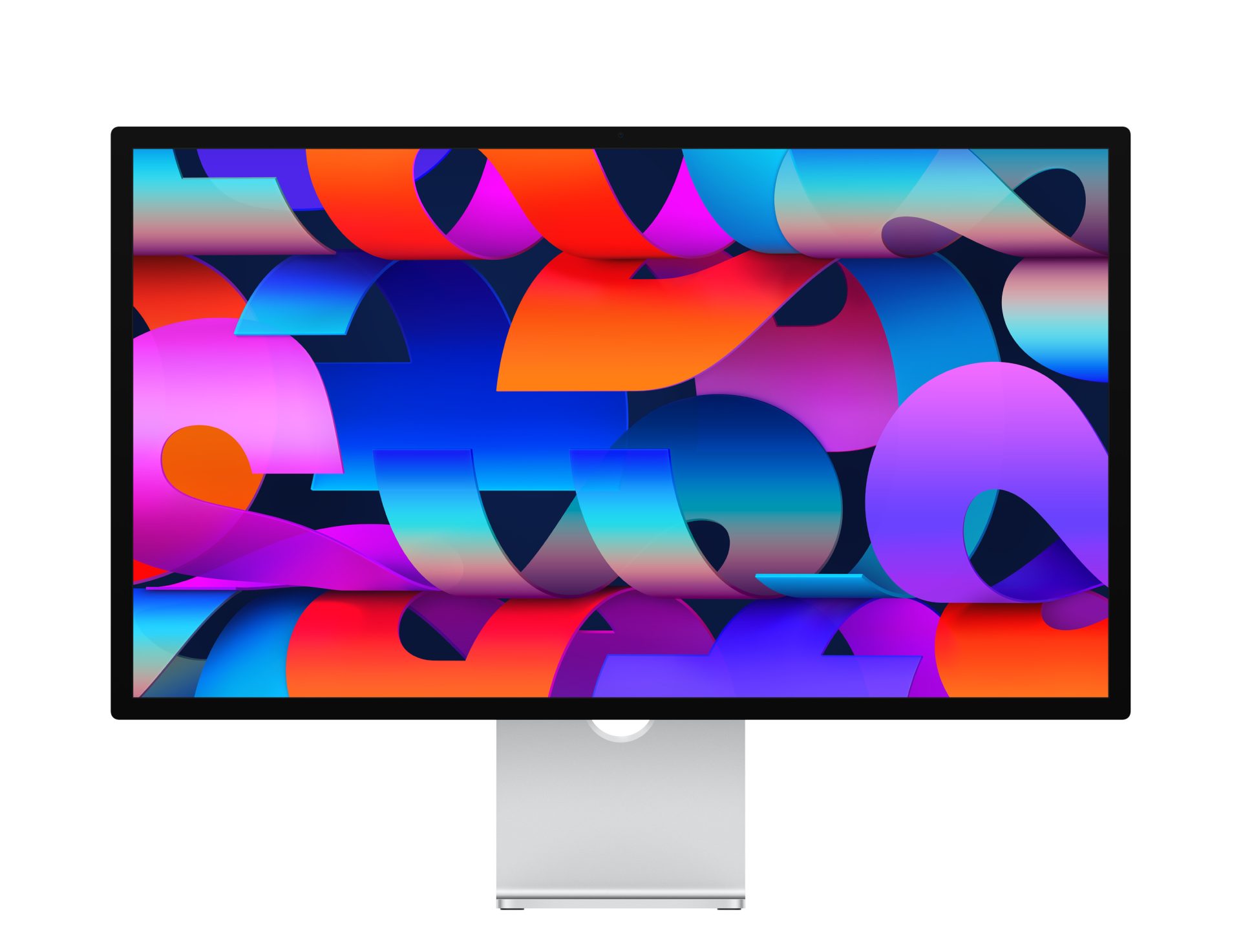
New Apple Leak Suggests Studio Display 2 Could Match MacBook Pro Screen Technology

Share via:

A new Apple leak is reigniting excitement around the future of Apple’s external displays. According to reporting highlighted by TechRepublic, Apple’s long-rumored Studio Display 2 may adopt the same advanced screen technology used in recent MacBook Pro models, signaling a significant leap forward for Apple’s professional monitor lineup. While Apple has not officially confirmed the product, the leak aligns with broader industry expectations that Apple is preparing a meaningful refresh rather than a minor revision.

If accurate, the move would address one of the most persistent criticisms of the current Studio Display and reposition Apple as a more serious contender in the premium external monitor market—particularly for creators, developers, and professionals who already rely heavily on MacBook Pro displays.

Why the Studio Display Needs a Major Upgrade

Apple introduced the original Studio Display as a companion to Apple silicon Macs, offering a clean design, high-resolution panel, and tight ecosystem integration. However, despite its strengths, the display quickly drew criticism for one key reason: its screen technology lagged behind Apple’s own laptops.

While MacBook Pro models moved to mini-LED panels with higher brightness, better contrast, and HDR support, the Studio Display remained stuck with a traditional LED IPS panel. For a monitor positioned as “pro,” that discrepancy was difficult to ignore—especially given its premium price.

A Studio Display 2 that matches MacBook Pro screen technology would directly address that gap.

What “MacBook Pro Screen Tech” Really Means

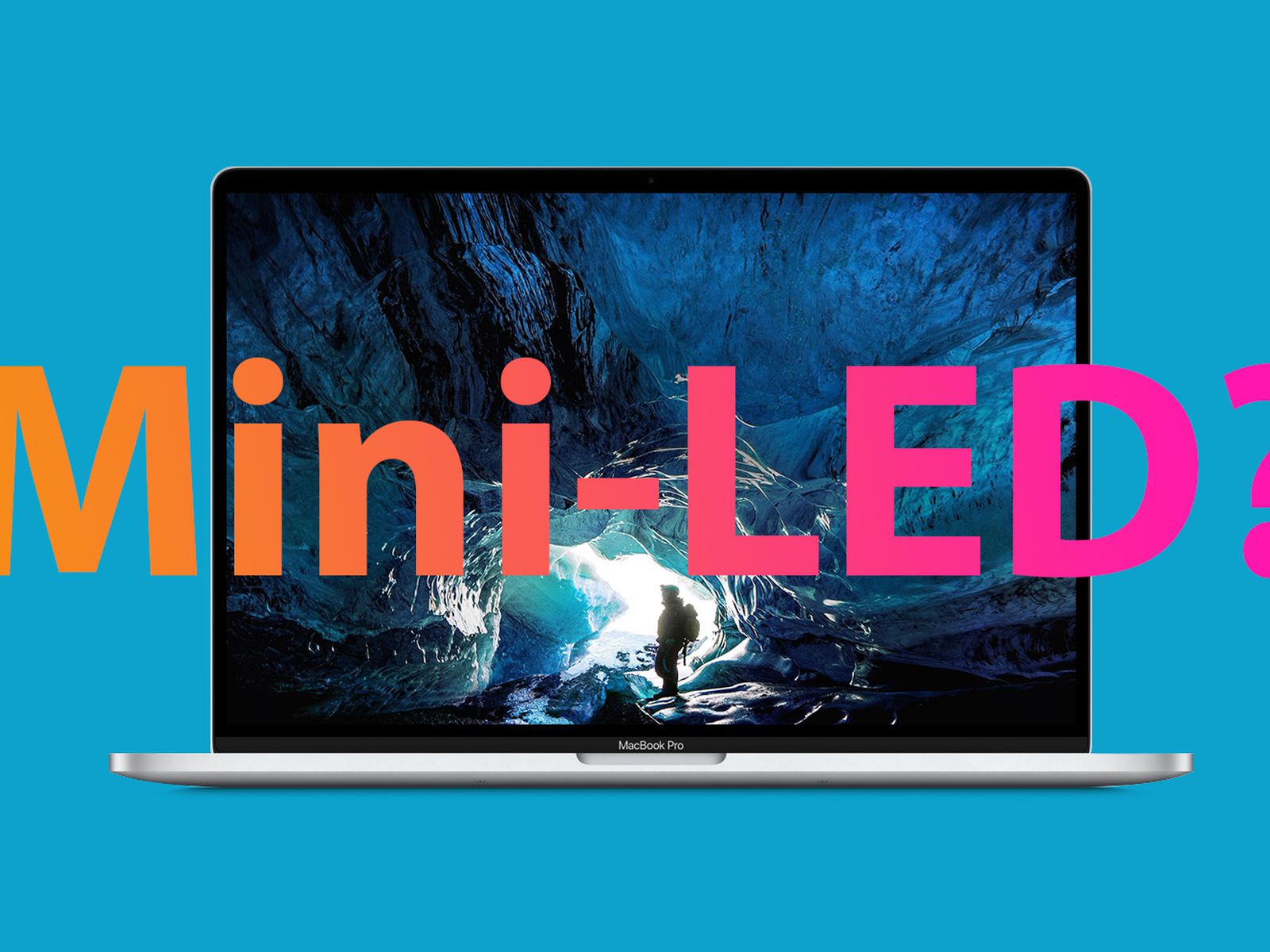
Modern MacBook Pro displays are widely praised for their use of mini-LED backlighting, which allows for thousands of local dimming zones. This results in deeper blacks, higher contrast ratios, and dramatically improved HDR performance compared to standard LCD panels.

In practical terms, this means:
• Brighter highlights without washing out colors
• Better shadow detail in dark scenes
• More accurate color representation for creative work

If Studio Display 2 adopts similar technology, it would mark a fundamental shift in how Apple positions its external displays.

Why This Leak Is Credible

The leak gains credibility because it fits neatly into Apple’s broader product strategy. Apple has steadily worked to unify experiences across devices, ensuring that external peripherals do not feel like compromises compared to built-in hardware.

A professional using a MacBook Pro should not feel that plugging into an external display is a downgrade. Matching screen technology would solve that problem.

Additionally, Apple has historically refreshed displays slowly but deliberately, often waiting until a new technology is mature enough to scale reliably.

The Competitive Pressure Apple Face

The premium monitor market has become increasingly competitive. Display manufacturers now offer high-end mini-LED and OLED monitors aimed directly at creative professionals.

These displays often provide:
• High refresh rates
• Strong HDR performance
• Advanced color calibration

Apple’s Studio Display, while elegant and well-integrated, has struggled to justify its price when compared purely on panel specifications. A Studio Display 2 with MacBook Pro-level screen tech would significantly strengthen Apple’s position.

Why Mini-LED Makes Sense for Apple Right Now

Apple already has extensive experience manufacturing mini-LED panels at scale for MacBook Pro models. That manufacturing expertise reduces risk and cost when expanding the technology to other products.

From a supply chain perspective, it makes sense to reuse proven display technology rather than introduce something entirely new.

Mini-LED also aligns well with Apple’s emphasis on consistent brightness, long lifespan, and predictable performance—qualities valued by professional users.
What This Could Mean for HDR Workflow

One of the biggest limitations of the current Studio Display is its lack of true HDR performance. While it offers excellent resolution and color accuracy, it cannot match the dynamic range of Apple’s laptop displays.

A Studio Display 2 with mini-LED would change that. HDR video editors, photographers, and designers could rely on the display for more accurate previews without switching devices.

This would make the Studio Display a far more credible tool for professional workflows.

The Price Question Still Looms Large

While improved screen technology would justify a higher price, Apple will still face scrutiny over cost. The current Studio Display already sits at a premium, and adding mini-LED could push prices higher.

Apple’s challenge will be balancing improved hardware with perceived value. Professionals are often willing to pay more—but only when benefits are clear and tangible.

Matching MacBook Pro screen quality would be a compelling justification.

Why Apple May Avoid OLED—for Now

Some industry watchers have asked why Apple might not jump directly to OLED for its next display. While OLED offers exceptional contrast and pixel-level control, it also introduces concerns around burn-in and long-term uniformity—particularly for static desktop interfaces.

Mini-LED avoids many of these issues while delivering strong HDR performance. For professional desktop use, that reliability matters.

Apple’s cautious approach suggests mini-LED is the more likely choice for Studio Display 2.

How This Fits Into Apple’s Display Lineup

Apple currently offers two external displays: the Studio Display and the ultra-premium Pro Display XDR. There is a noticeable gap between them in both price and capability.

A more advanced Studio Display 2 could narrow that gap without encroaching on the Pro Display XDR’s territory. It would give professionals a stronger mid-tier option.

This tiered approach mirrors Apple’s broader product strategy across Macs and iPads.

Why Professionals Care About Display Consistenc

For creative professionals, consistency across devices is critical. Color shifts, brightness differences, and contrast inconsistencies can disrupt workflows and introduce errors.

Matching MacBook Pro screen technology would ensure that work started on a laptop looks the same on a desktop setup. That consistency saves time and reduces frustration.

It also reinforces Apple’s ecosystem advantage.

The Timing of a Studio Display 2

Apple has not announced a release date, but the leak suggests development is underway. If history is any guide, Apple may time the launch alongside updated Macs to reinforce the value of a complete workstation setup.

A Studio Display 2 debuting alongside new Mac Studio or Mac Pro hardware would make strategic sense.

Such timing would amplify impact and reinforce Apple’s professional narrative.

What Apple Needs to Get Right Beyond the Pane

While screen technology is central, it is not the only factor. Professionals will also expect:
• Improved refresh rates
• Better camera and audio performance
• Enhanced connectivity options

Apple addressed some of these areas in the original Studio Display, but expectations have risen since then.

A Studio Display 2 must feel modern in every respect.

Why This Leak Matters Even If Details Change

Leaks are rarely perfect. Specifications may evolve before launch. But the broader signal is important: Apple appears ready to take its external displays more seriously.

That alone is meaningful for professionals who felt underserved by the current lineup.

Even incremental improvements would be welcome. Matching MacBook Pro screen tech would be transformative.

The Broader Trend: Displays Are Becoming More Central

As workflows become more visual and more demanding, displays matter more than ever. Apple’s emphasis on screen quality across devices reflects this reality.

Studio Display 2 could become a cornerstone of Apple’s professional ecosystem, not just an accessory.

That shift aligns with how people actually use their Macs today.

Potential Risks Apple Must Manage

Raising expectations is risky. If Studio Display 2 fails to deliver noticeable improvements beyond the panel, disappointment will follow.

Apple must ensure that performance gains are visible in daily use, not just on spec sheets.

Clear communication will also be critical.

Why Apple Has Little Room for Half-Measures

The original Studio Display was criticized precisely because it felt like a half-step forward. With Studio Display 2, Apple cannot afford the same mistake.

Matching MacBook Pro screen technology would signal commitment rather than compromise.

Professionals are watching closely.

How This Could Influence Apple’s Brand Perception

Displays are symbolic products. They reflect how much a company values visual quality and professional users.

A high-end Studio Display 2 would reinforce Apple’s reputation for caring deeply about creative workflows.

That reputation has long been one of Apple’s strongest assets.

Conclusion: A Studio Display That Finally Feels “Pro”

If the latest leak is accurate, Studio Display 2 adopting MacBook Pro screen technology could mark a turning point for Apple’s external displays. By bringing mini-LED-level brightness, contrast, and HDR performance to a desktop monitor, Apple would finally align its display offerings with the rest of its premium hardware lineup.

While pricing and timing remain unknown, the direction is clear. Apple appears ready to address past criticisms and deliver a display that feels worthy of its professional branding.


Disclaimer

We strive to uphold the highest ethical standards in all of our reporting and coverage. We StartupNews.fyi want to be transparent with our readers about any potential conflicts of interest that may arise in our work. It’s possible that some of the investors we feature may have connections to other businesses, including competitors or companies we write about. However, we want to assure our readers that this will not have any impact on the integrity or impartiality of our reporting. We are committed to delivering accurate, unbiased news and information to our audience, and we will continue to uphold our ethics and principles in all of our work. Thank you for your trust and support.

Popular

More Like this

New Apple Leak Suggests Studio Display 2 Could Match MacBook Pro Screen Technology

A new Apple leak is reigniting excitement around the future of Apple’s external displays. According to reporting highlighted by TechRepublic, Apple’s long-rumored Studio Display 2 may adopt the same advanced screen technology used in recent MacBook Pro models, signaling a significant leap forward for Apple’s professional monitor lineup. While Apple has not officially confirmed the product, the leak aligns with broader industry expectations that Apple is preparing a meaningful refresh rather than a minor revision.

If accurate, the move would address one of the most persistent criticisms of the current Studio Display and reposition Apple as a more serious contender in the premium external monitor market—particularly for creators, developers, and professionals who already rely heavily on MacBook Pro displays.

Why the Studio Display Needs a Major Upgrade

Apple introduced the original Studio Display as a companion to Apple silicon Macs, offering a clean design, high-resolution panel, and tight ecosystem integration. However, despite its strengths, the display quickly drew criticism for one key reason: its screen technology lagged behind Apple’s own laptops.

While MacBook Pro models moved to mini-LED panels with higher brightness, better contrast, and HDR support, the Studio Display remained stuck with a traditional LED IPS panel. For a monitor positioned as “pro,” that discrepancy was difficult to ignore—especially given its premium price.

A Studio Display 2 that matches MacBook Pro screen technology would directly address that gap.

What “MacBook Pro Screen Tech” Really Means

Modern MacBook Pro displays are widely praised for their use of mini-LED backlighting, which allows for thousands of local dimming zones. This results in deeper blacks, higher contrast ratios, and dramatically improved HDR performance compared to standard LCD panels.

In practical terms, this means:
• Brighter highlights without washing out colors
• Better shadow detail in dark scenes
• More accurate color representation for creative work

If Studio Display 2 adopts similar technology, it would mark a fundamental shift in how Apple positions its external displays.

Why This Leak Is Credible

The leak gains credibility because it fits neatly into Apple’s broader product strategy. Apple has steadily worked to unify experiences across devices, ensuring that external peripherals do not feel like compromises compared to built-in hardware.

A professional using a MacBook Pro should not feel that plugging into an external display is a downgrade. Matching screen technology would solve that problem.

Additionally, Apple has historically refreshed displays slowly but deliberately, often waiting until a new technology is mature enough to scale reliably.

The Competitive Pressure Apple Face

The premium monitor market has become increasingly competitive. Display manufacturers now offer high-end mini-LED and OLED monitors aimed directly at creative professionals.

These displays often provide:
• High refresh rates
• Strong HDR performance
• Advanced color calibration

Apple’s Studio Display, while elegant and well-integrated, has struggled to justify its price when compared purely on panel specifications. A Studio Display 2 with MacBook Pro-level screen tech would significantly strengthen Apple’s position.

Why Mini-LED Makes Sense for Apple Right Now

Apple already has extensive experience manufacturing mini-LED panels at scale for MacBook Pro models. That manufacturing expertise reduces risk and cost when expanding the technology to other products.

From a supply chain perspective, it makes sense to reuse proven display technology rather than introduce something entirely new.

Mini-LED also aligns well with Apple’s emphasis on consistent brightness, long lifespan, and predictable performance—qualities valued by professional users.

What This Could Mean for HDR Workflow

One of the biggest limitations of the current Studio Display is its lack of true HDR performance. While it offers excellent resolution and color accuracy, it cannot match the dynamic range of Apple’s laptop displays.

A Studio Display 2 with mini-LED would change that. HDR video editors, photographers, and designers could rely on the display for more accurate previews without switching devices.

This would make the Studio Display a far more credible tool for professional workflows.

The Price Question Still Looms Large

While improved screen technology would justify a higher price, Apple will still face scrutiny over cost. The current Studio Display already sits at a premium, and adding mini-LED could push prices higher.

Apple’s challenge will be balancing improved hardware with perceived value. Professionals are often willing to pay more—but only when benefits are clear and tangible.

Matching MacBook Pro screen quality would be a compelling justification.

Why Apple May Avoid OLED—for Now

Some industry watchers have asked why Apple might not jump directly to OLED for its next display. While OLED offers exceptional contrast and pixel-level control, it also introduces concerns around burn-in and long-term uniformity—particularly for static desktop interfaces.

Mini-LED avoids many of these issues while delivering strong HDR performance. For professional desktop use, that reliability matters.

Apple’s cautious approach suggests mini-LED is the more likely choice for Studio Display 2.

How This Fits Into Apple’s Display Lineup

Apple currently offers two external displays: the Studio Display and the ultra-premium Pro Display XDR. There is a noticeable gap between them in both price and capability.

A more advanced Studio Display 2 could narrow that gap without encroaching on the Pro Display XDR’s territory. It would give professionals a stronger mid-tier option.

This tiered approach mirrors Apple’s broader product strategy across Macs and iPads.

Why Professionals Care About Display Consistenc

For creative professionals, consistency across devices is critical. Color shifts, brightness differences, and contrast inconsistencies can disrupt workflows and introduce errors.

Matching MacBook Pro screen technology would ensure that work started on a laptop looks the same on a desktop setup. That consistency saves time and reduces frustration.

It also reinforces Apple’s ecosystem advantage.

The Timing of a Studio Display 2

Apple has not announced a release date, but the leak suggests development is underway. If history is any guide, Apple may time the launch alongside updated Macs to reinforce the value of a complete workstation setup.

A Studio Display 2 debuting alongside new Mac Studio or Mac Pro hardware would make strategic sense.

Such timing would amplify impact and reinforce Apple’s professional narrative.

What Apple Needs to Get Right Beyond the Pane

While screen technology is central, it is not the only factor. Professionals will also expect:
• Improved refresh rates
• Better camera and audio performance
• Enhanced connectivity options

Apple addressed some of these areas in the original Studio Display, but expectations have risen since then.

A Studio Display 2 must feel modern in every respect.

Why This Leak Matters Even If Details Change

Leaks are rarely perfect. Specifications may evolve before launch. But the broader signal is important: Apple appears ready to take its external displays more seriously.

That alone is meaningful for professionals who felt underserved by the current lineup.

Even incremental improvements would be welcome. Matching MacBook Pro screen tech would be transformative.

The Broader Trend: Displays Are Becoming More Central

As workflows become more visual and more demanding, displays matter more than ever. Apple’s emphasis on screen quality across devices reflects this reality.

Studio Display 2 could become a cornerstone of Apple’s professional ecosystem, not just an accessory.

That shift aligns with how people actually use their Macs today.

Potential Risks Apple Must Manage

Raising expectations is risky. If Studio Display 2 fails to deliver noticeable improvements beyond the panel, disappointment will follow.

Apple must ensure that performance gains are visible in daily use, not just on spec sheets.

Clear communication will also be critical.

Why Apple Has Little Room for Half-Measures

The original Studio Display was criticized precisely because it felt like a half-step forward. With Studio Display 2, Apple cannot afford the same mistake.

Matching MacBook Pro screen technology would signal commitment rather than compromise.

Professionals are watching closely.

How This Could Influence Apple’s Brand Perception

Displays are symbolic products. They reflect how much a company values visual quality and professional users.

A high-end Studio Display 2 would reinforce Apple’s reputation for caring deeply about creative workflows.

That reputation has long been one of Apple’s strongest assets.

Conclusion: A Studio Display That Finally Feels “Pro”

If the latest leak is accurate, Studio Display 2 adopting MacBook Pro screen technology could mark a turning point for Apple’s external displays. By bringing mini-LED-level brightness, contrast, and HDR performance to a desktop monitor, Apple would finally align its display offerings with the rest of its premium hardware lineup.

While pricing and timing remain unknown, the direction is clear. Apple appears ready to address past criticisms and deliver a display that feels worthy of its professional branding.

Disclaimer

We strive to uphold the highest ethical standards in all of our reporting and coverage. We StartupNews.fyi want to be transparent with our readers about any potential conflicts of interest that may arise in our work. It’s possible that some of the investors we feature may have connections to other businesses, including competitors or companies we write about. However, we want to assure our readers that this will not have any impact on the integrity or impartiality of our reporting. We are committed to delivering accurate, unbiased news and information to our audience, and we will continue to uphold our ethics and principles in all of our work. Thank you for your trust and support.

Website Upgradation is going on for any glitch kindly connect at office@startupnews.fyi

More like this

Esports World Cup Expands 2026 Line-up With Trackmania

The global esports calendar continues to expand, but few...

JioHotstar Monthly Cost of Mobile, Super and Premium Plans

JioHotstar, the largest over-the-top (OTT) platform in the...

JioHotstar Monthly Cost of Mobile, Super and Premium Plans

JioHotstar, the largest over-the-top (OTT) platform in the...

Popular

melhor-iptv-portugal melhor-iptv-portugal melhor-iptv-portugal melhor-iptv-portugal melhor-iptv-portugal melhor-iptv-portugal melhor-iptv-portugal melhor-iptv-portugal melhor-iptv-portugal melhor-iptv-portugal melhor-iptv-portugal melhor-iptv-portugal melhor-iptv-portugal melhor-iptv-portugal melhor-iptv-portugal melhor-iptv-portugal melhor-iptv-portugal melhor-iptv-portugal melhor-iptv-portugal melhor-iptv-portugal melhor-iptv-portugal melhor-iptv-portugal melhor-iptv-portugal melhor-iptv-portugal melhor-iptv-portugal melhor-iptv-portugal melhor-iptv-portugal melhor-iptv-portugal melhor-iptv-portugal melhor-iptv-portugal melhor-iptv-portugal melhor-iptv-portugal melhor-iptv-portugal melhor-iptv-portugal melhor-iptv-portugal melhor-iptv-portugal melhor-iptv-portugal melhor-iptv-portugal melhor-iptv-portugal melhor-iptv-portugal melhor-iptv-portugal melhor-iptv-portugal melhor-iptv-portugal melhor-iptv-portugal melhor-iptv-portugal melhor-iptv-portugal melhor-iptv-portugal melhor-iptv-portugal melhor-iptv-portugal melhor-iptv-portugal melhor-iptv-portugal melhor-iptv-portugal melhor-iptv-portugal melhor-iptv-portugal melhor-iptv-portugal melhor-iptv-portugal melhor-iptv-portugal melhor-iptv-portugal melhor-iptv-portugal melhor-iptv-portugal melhor-iptv-portugal melhor-iptv-portugal melhor-iptv-portugal melhor-iptv-portugal melhor-iptv-portugal melhor-iptv-portugal melhor-iptv-portugal melhor-iptv-portugal melhor-iptv-portugal melhor-iptv-portugal melhor-iptv-portugal melhor-iptv-portugal melhor-iptv-portugal melhor-iptv-portugal