OpenAI Signs Another Deal With a Computer Chip Maker, Deepening the Global AI Hardware Arms Race

Share via:

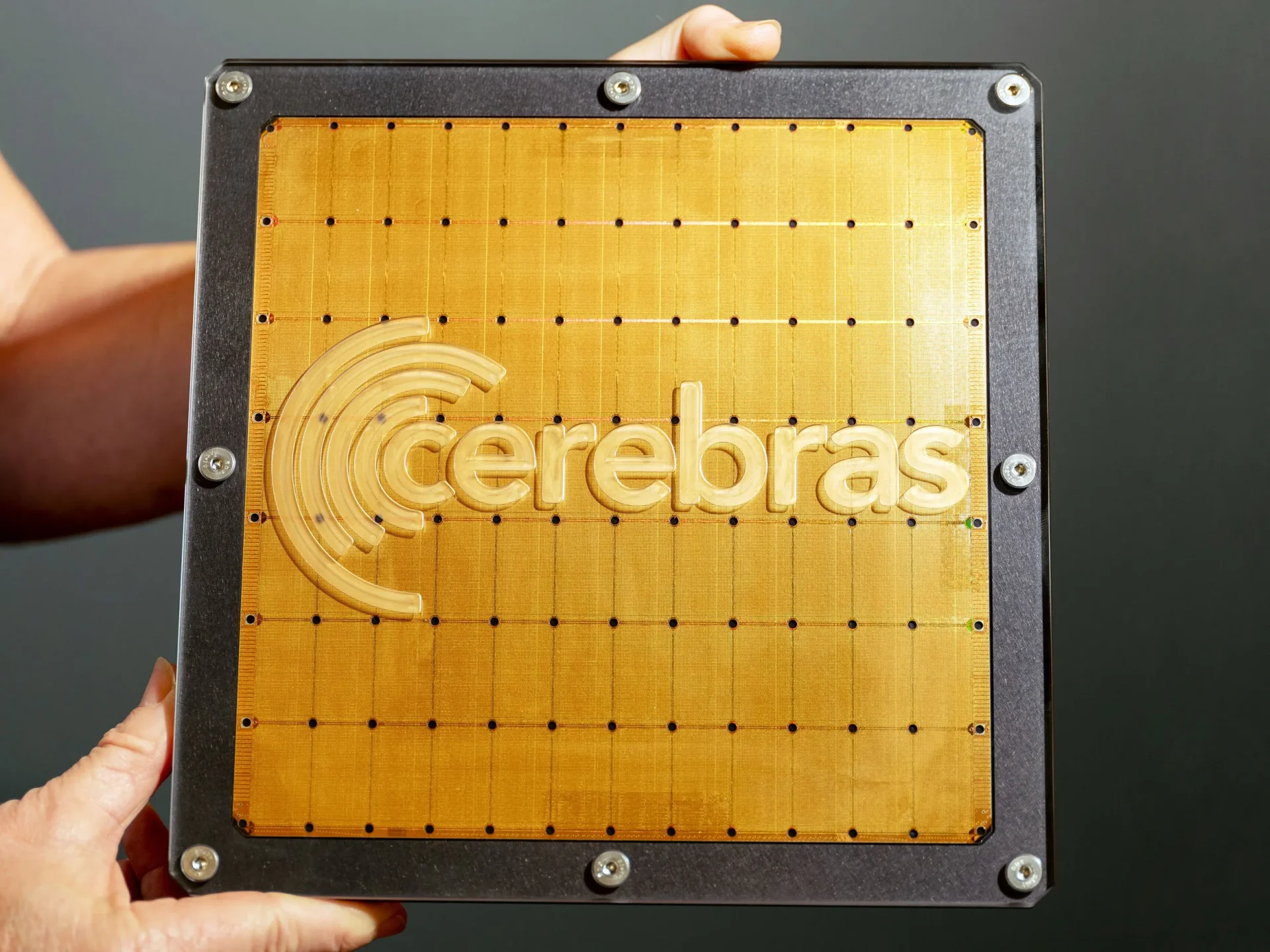
OpenAI has signed another major agreement with a computer chip maker, reinforcing a growing reality in artificial intelligence: the future of AI is increasingly defined by access to specialized computing hardware. According to reporting by The New York Times, OpenAI has entered into a new deal with Cerebras Systems, a Silicon Valley startup known for building some of the world’s largest and most powerful AI-focused processors.

The agreement signals OpenAI’s continued push to diversify its computing supply chain as demand for AI model training and inference explodes worldwide. It also highlights how AI development is no longer just about algorithms and software, but about who controls the silicon that powers the next generation of intelligent systems.

Why OpenAI Needs More Than One Chip Partner

OpenAI’s models have grown dramatically in size, complexity, and computational appetite. Training and running advanced AI systems now requires enormous amounts of processing power, far beyond what traditional CPUs or even standard GPUs can efficiently provide.

Until recently, much of the AI industry relied heavily on a small number of dominant chip suppliers. That concentration created bottlenecks, supply constraints, and rising costs.

By signing additional deals with specialized chip makers, OpenAI is reducing its dependence on any single hardware provider and gaining more flexibility to scale its infrastructure.

Who Cerebras Is and Why It Matters

Cerebras is not a conventional chip company. Instead of producing small processors designed to be combined in large clusters, the company builds wafer-scale engines—single chips that are dramatically larger than traditional processors.

These chips are designed specifically for AI workloads and can handle massive neural networks with fewer communication bottlenecks. In practical terms, this means faster training times and more efficient execution for certain types of AI models.

For OpenAI, that specialization offers a potential performance and efficiency advantage.

The Shift Toward AI-Specific Silicon

The deal underscores a broader industry trend: general-purpose chips are no longer sufficient for cutting-edge AI.

Modern AI models demand:
• Extreme parallel processing
• High memory bandwidth
• Low-latency data movement
• Efficient scaling across large systems

AI-specific chips like those from Cerebras are built to address these needs directly, rather than adapting hardware designed for other purposes.

Why OpenAI Is Diversifying Its Hardware Strategy

Relying on a single hardware architecture carries risk. Supply shortages, pricing power, or technical limitations can slow progress.

By working with multiple chip makers, OpenAI can:
• Optimize different workloads on different hardware
• Reduce supply chain vulnerability
• Negotiate better terms
• Experiment with alternative architectures

This flexibility becomes increasingly important as AI demand continues to accelerate.

The Rising Cost of AI Compute

Training large AI models can cost tens or even hundreds of millions of dollars in compute resources. Inference—running models at scale for millions of users—adds ongoing costs.

These expenses are now among the largest line items for AI companies. Hardware efficiency directly affects profitability, pricing, and accessibility.

Deals like this are as much about economics as they are about performance.

Why This Deal Matters Beyond OpenAI

OpenAI’s hardware decisions influence the broader AI ecosystem. When a leading AI lab adopts new silicon, it sends a signal to:
• Other AI developers
• Cloud providers
• Investors
• Governments

It validates alternative chip architectures and encourages competition in a market historically dominated by a few players.

The Strategic Importance of Compute Access

In AI, access to compute increasingly determines who can compete. Talent and ideas matter, but without sufficient hardware, progress stalls.

OpenAI’s move reflects an understanding that compute is a strategic asset—not just an operational necessity.

This perspective is reshaping how AI companies plan long-term growth.

How This Fits OpenAI’s Long-Term Vision

OpenAI aims to build increasingly capable and general AI systems. Achieving that goal requires:
• Faster experimentation cycles
• Larger models
• More complex training regimes

Specialized hardware can shorten development timelines and enable research that would otherwise be impractical.

The Cerebras deal aligns with that ambition.
The Competitive AI Hardware Landscape

The AI chip market is rapidly evolving. Established players continue to iterate on their designs, while startups push radical new approaches.

This competition benefits AI developers by:
• Driving innovation
• Lowering costs over time
• Expanding available options

OpenAI’s participation accelerates this virtuous cycle.

Why Wafer-Scale Chips Are Different

Traditional chips are limited by size constraints imposed by manufacturing processes. Cerebras sidesteps this by using entire silicon wafers as single processors.

This allows for:
• Massive on-chip memory
• Reduced data transfer overhead
• Simplified scaling for certain workloads

While not suitable for every use case, wafer-scale chips excel in large-model training scenarios.

Balancing Novelty and Reliability

Adopting unconventional hardware carries risk. New architectures can face:
• Software compatibility challenges
• Operational complexity
• Limited ecosystem support

OpenAI’s decision to work with Cerebras suggests confidence that these risks are manageable—or outweighed by the potential benefits.

The Role of Software Optimization

Hardware alone is not enough. AI performance depends heavily on how well software frameworks are optimized for the underlying chips.

OpenAI’s expertise in model architecture and training techniques allows it to extract more value from specialized hardware than less experienced teams.

This synergy is a competitive advantage.

Why This Deal Reflects Maturity, Not Experimentation

Earlier in its history, OpenAI relied on more standardized infrastructure. Signing deals with specialized chip makers reflects a more mature phase of growth.

The company is no longer just building models—it is building an industrial-scale AI platform.

That scale demands custom solutions.

Implications for Cloud Computin

As AI companies strike direct deals with chip makers, cloud providers may need to adapt. Offering a broader range of AI accelerators could become essential to remain competitive.

This dynamic may reshape how cloud services are priced and packaged.

OpenAI’s choices ripple outward.

The Global Context: AI as Strategic Infrastructure

Governments increasingly view AI compute as strategic infrastructure, similar to energy or telecommunications.

Hardware partnerships influence where AI capabilities are developed and deployed. Deals like this may attract regulatory attention as nations consider technological sovereignty.

OpenAI operates at the center of that conversation.

Why This Is About Speed as Much as Scale

AI development is a race. Faster training enables:
• Quicker iteration
• Faster deployment
• Earlier feedback

Specialized hardware can compress timelines and provide a competitive edge.

In fast-moving markets, speed matters.

How This Affects AI Accessibility

Efficient hardware can reduce the cost per AI operation. Over time, this can make AI services more affordable and widely available.

While the immediate benefits accrue to OpenAI, downstream users may ultimately see lower prices or better performance.

Compute efficiency translates into accessibility.

The Risks of an AI Hardware Arms Race

As demand for AI chips surges, concerns arise about:
• Supply concentration
• Environmental impact
• Barriers to entry for smaller players

OpenAI’s diversification strategy mitigates some risks but also underscores how central hardware has become.

Managing this arms race responsibly is a challenge for the entire industry.

Why OpenAI’s Hardware Choices Are Closely Watche

OpenAI occupies a unique position as both a research lab and a commercial AI provider. Its decisions influence technical direction and market dynamics simultaneously.

When OpenAI commits to a hardware partner, it validates that partner’s technology.

That visibility is powerful.

What Comes Next for OpenAI’s Infrastructure

This deal likely will not be the last. As AI workloads evolve, OpenAI may continue exploring:
• Custom silicon
• New accelerator types
• Hybrid architectures

The goal is resilience, flexibility, and sustained performance growth.

Conclusion: AI’s Future Is Being Built in Silicon

OpenAI’s latest deal with a computer chip maker highlights a fundamental truth of modern AI: progress depends as much on hardware as on algorithms.

By partnering with Cerebras, OpenAI is expanding its compute options, reducing dependency risks, and positioning itself for the next phase of AI development. The move reflects a broader industry shift toward specialized silicon as the backbone of intelligent systems.

As AI models grow larger and more capable, the competition to control the hardware that powers them will only intensify. OpenAI’s strategy shows it understands that reality—and is acting accordingly.

In the AI era, the race is no longer just about smarter software. It is about building the machines that make intelligence possible.


Disclaimer

We strive to uphold the highest ethical standards in all of our reporting and coverage. We StartupNews.fyi want to be transparent with our readers about any potential conflicts of interest that may arise in our work. It’s possible that some of the investors we feature may have connections to other businesses, including competitors or companies we write about. However, we want to assure our readers that this will not have any impact on the integrity or impartiality of our reporting. We are committed to delivering accurate, unbiased news and information to our audience, and we will continue to uphold our ethics and principles in all of our work. Thank you for your trust and support.

Popular

More Like this

OpenAI Signs Another Deal With a Computer Chip Maker, Deepening the Global AI Hardware Arms Race

OpenAI has signed another major agreement with a computer chip maker, reinforcing a growing reality in artificial intelligence: the future of AI is increasingly defined by access to specialized computing hardware. According to reporting by The New York Times, OpenAI has entered into a new deal with Cerebras Systems, a Silicon Valley startup known for building some of the world’s largest and most powerful AI-focused processors.

The agreement signals OpenAI’s continued push to diversify its computing supply chain as demand for AI model training and inference explodes worldwide. It also highlights how AI development is no longer just about algorithms and software, but about who controls the silicon that powers the next generation of intelligent systems.

Why OpenAI Needs More Than One Chip Partner

OpenAI’s models have grown dramatically in size, complexity, and computational appetite. Training and running advanced AI systems now requires enormous amounts of processing power, far beyond what traditional CPUs or even standard GPUs can efficiently provide.

Until recently, much of the AI industry relied heavily on a small number of dominant chip suppliers. That concentration created bottlenecks, supply constraints, and rising costs.

By signing additional deals with specialized chip makers, OpenAI is reducing its dependence on any single hardware provider and gaining more flexibility to scale its infrastructure.

Who Cerebras Is and Why It Matters

Cerebras is not a conventional chip company. Instead of producing small processors designed to be combined in large clusters, the company builds wafer-scale engines—single chips that are dramatically larger than traditional processors.

These chips are designed specifically for AI workloads and can handle massive neural networks with fewer communication bottlenecks. In practical terms, this means faster training times and more efficient execution for certain types of AI models.

For OpenAI, that specialization offers a potential performance and efficiency advantage.

The Shift Toward AI-Specific Silicon

The deal underscores a broader industry trend: general-purpose chips are no longer sufficient for cutting-edge AI.

Modern AI models demand:
• Extreme parallel processing
• High memory bandwidth
• Low-latency data movement
• Efficient scaling across large systems

AI-specific chips like those from Cerebras are built to address these needs directly, rather than adapting hardware designed for other purposes.

Why OpenAI Is Diversifying Its Hardware Strategy

Relying on a single hardware architecture carries risk. Supply shortages, pricing power, or technical limitations can slow progress.

By working with multiple chip makers, OpenAI can:
• Optimize different workloads on different hardware
• Reduce supply chain vulnerability
• Negotiate better terms
• Experiment with alternative architectures

This flexibility becomes increasingly important as AI demand continues to accelerate.

The Rising Cost of AI Compute

Training large AI models can cost tens or even hundreds of millions of dollars in compute resources. Inference—running models at scale for millions of users—adds ongoing costs.

These expenses are now among the largest line items for AI companies. Hardware efficiency directly affects profitability, pricing, and accessibility.

Deals like this are as much about economics as they are about performance.

Why This Deal Matters Beyond OpenAI

OpenAI’s hardware decisions influence the broader AI ecosystem. When a leading AI lab adopts new silicon, it sends a signal to:
• Other AI developers
• Cloud providers
• Investors
• Governments

It validates alternative chip architectures and encourages competition in a market historically dominated by a few players.

The Strategic Importance of Compute Access

In AI, access to compute increasingly determines who can compete. Talent and ideas matter, but without sufficient hardware, progress stalls.

OpenAI’s move reflects an understanding that compute is a strategic asset—not just an operational necessity.

This perspective is reshaping how AI companies plan long-term growth.

How This Fits OpenAI’s Long-Term Vision

OpenAI aims to build increasingly capable and general AI systems. Achieving that goal requires:
• Faster experimentation cycles
• Larger models
• More complex training regimes

Specialized hardware can shorten development timelines and enable research that would otherwise be impractical.

The Cerebras deal aligns with that ambition.

The Competitive AI Hardware Landscape

The AI chip market is rapidly evolving. Established players continue to iterate on their designs, while startups push radical new approaches.

This competition benefits AI developers by:
• Driving innovation
• Lowering costs over time
• Expanding available options

OpenAI’s participation accelerates this virtuous cycle.

Why Wafer-Scale Chips Are Different

Traditional chips are limited by size constraints imposed by manufacturing processes. Cerebras sidesteps this by using entire silicon wafers as single processors.

This allows for:
• Massive on-chip memory
• Reduced data transfer overhead
• Simplified scaling for certain workloads

While not suitable for every use case, wafer-scale chips excel in large-model training scenarios.

Balancing Novelty and Reliability

Adopting unconventional hardware carries risk. New architectures can face:
• Software compatibility challenges
• Operational complexity
• Limited ecosystem support

OpenAI’s decision to work with Cerebras suggests confidence that these risks are manageable—or outweighed by the potential benefits.

The Role of Software Optimization

Hardware alone is not enough. AI performance depends heavily on how well software frameworks are optimized for the underlying chips.

OpenAI’s expertise in model architecture and training techniques allows it to extract more value from specialized hardware than less experienced teams.

This synergy is a competitive advantage.

Why This Deal Reflects Maturity, Not Experimentation

Earlier in its history, OpenAI relied on more standardized infrastructure. Signing deals with specialized chip makers reflects a more mature phase of growth.

The company is no longer just building models—it is building an industrial-scale AI platform.

That scale demands custom solutions.

Implications for Cloud Computin

As AI companies strike direct deals with chip makers, cloud providers may need to adapt. Offering a broader range of AI accelerators could become essential to remain competitive.

This dynamic may reshape how cloud services are priced and packaged.

OpenAI’s choices ripple outward.

The Global Context: AI as Strategic Infrastructure

Governments increasingly view AI compute as strategic infrastructure, similar to energy or telecommunications.

Hardware partnerships influence where AI capabilities are developed and deployed. Deals like this may attract regulatory attention as nations consider technological sovereignty.

OpenAI operates at the center of that conversation.

Why This Is About Speed as Much as Scale

AI development is a race. Faster training enables:
• Quicker iteration
• Faster deployment
• Earlier feedback

Specialized hardware can compress timelines and provide a competitive edge.

In fast-moving markets, speed matters.

How This Affects AI Accessibility

Efficient hardware can reduce the cost per AI operation. Over time, this can make AI services more affordable and widely available.

While the immediate benefits accrue to OpenAI, downstream users may ultimately see lower prices or better performance.

Compute efficiency translates into accessibility.

The Risks of an AI Hardware Arms Race

As demand for AI chips surges, concerns arise about:
• Supply concentration
• Environmental impact
• Barriers to entry for smaller players

OpenAI’s diversification strategy mitigates some risks but also underscores how central hardware has become.

Managing this arms race responsibly is a challenge for the entire industry.

Why OpenAI’s Hardware Choices Are Closely Watche

OpenAI occupies a unique position as both a research lab and a commercial AI provider. Its decisions influence technical direction and market dynamics simultaneously.

When OpenAI commits to a hardware partner, it validates that partner’s technology.

That visibility is powerful.

What Comes Next for OpenAI’s Infrastructure

This deal likely will not be the last. As AI workloads evolve, OpenAI may continue exploring:
• Custom silicon
• New accelerator types
• Hybrid architectures

The goal is resilience, flexibility, and sustained performance growth.

Conclusion: AI’s Future Is Being Built in Silicon

OpenAI’s latest deal with a computer chip maker highlights a fundamental truth of modern AI: progress depends as much on hardware as on algorithms.

By partnering with Cerebras, OpenAI is expanding its compute options, reducing dependency risks, and positioning itself for the next phase of AI development. The move reflects a broader industry shift toward specialized silicon as the backbone of intelligent systems.

As AI models grow larger and more capable, the competition to control the hardware that powers them will only intensify. OpenAI’s strategy shows it understands that reality—and is acting accordingly.

In the AI era, the race is no longer just about smarter software. It is about building the machines that make intelligence possible.

Disclaimer

We strive to uphold the highest ethical standards in all of our reporting and coverage. We StartupNews.fyi want to be transparent with our readers about any potential conflicts of interest that may arise in our work. It’s possible that some of the investors we feature may have connections to other businesses, including competitors or companies we write about. However, we want to assure our readers that this will not have any impact on the integrity or impartiality of our reporting. We are committed to delivering accurate, unbiased news and information to our audience, and we will continue to uphold our ethics and principles in all of our work. Thank you for your trust and support.

Website Upgradation is going on for any glitch kindly connect at office@startupnews.fyi

More like this

Indian IT set for AI-led growth spurt in 2026:...

Indian IT services companies are set to see...

IMF: AI Boom Helps Keep Global Growth on Track...

The global economy is entering 2026 under a cloud...

Popular

melhor-iptv-portugal melhor-iptv-portugal melhor-iptv-portugal melhor-iptv-portugal melhor-iptv-portugal melhor-iptv-portugal melhor-iptv-portugal melhor-iptv-portugal melhor-iptv-portugal melhor-iptv-portugal melhor-iptv-portugal melhor-iptv-portugal melhor-iptv-portugal melhor-iptv-portugal melhor-iptv-portugal melhor-iptv-portugal melhor-iptv-portugal melhor-iptv-portugal melhor-iptv-portugal melhor-iptv-portugal melhor-iptv-portugal melhor-iptv-portugal melhor-iptv-portugal melhor-iptv-portugal melhor-iptv-portugal melhor-iptv-portugal melhor-iptv-portugal melhor-iptv-portugal melhor-iptv-portugal melhor-iptv-portugal melhor-iptv-portugal melhor-iptv-portugal melhor-iptv-portugal melhor-iptv-portugal melhor-iptv-portugal melhor-iptv-portugal melhor-iptv-portugal melhor-iptv-portugal melhor-iptv-portugal melhor-iptv-portugal melhor-iptv-portugal melhor-iptv-portugal melhor-iptv-portugal melhor-iptv-portugal melhor-iptv-portugal melhor-iptv-portugal melhor-iptv-portugal melhor-iptv-portugal melhor-iptv-portugal melhor-iptv-portugal melhor-iptv-portugal melhor-iptv-portugal melhor-iptv-portugal melhor-iptv-portugal melhor-iptv-portugal melhor-iptv-portugal melhor-iptv-portugal melhor-iptv-portugal melhor-iptv-portugal melhor-iptv-portugal melhor-iptv-portugal melhor-iptv-portugal melhor-iptv-portugal melhor-iptv-portugal melhor-iptv-portugal melhor-iptv-portugal melhor-iptv-portugal melhor-iptv-portugal melhor-iptv-portugal melhor-iptv-portugal melhor-iptv-portugal melhor-iptv-portugal melhor-iptv-portugal melhor-iptv-portugal