Apple plans to introduce OLED display technology across five major product lines within the next two years. The shift signals a major change in Apple’s hardware strategy with implications for suppliers, startups, and the global display market.
Apple is preparing one of its most consequential hardware transitions in years. According to reporting from Wccftech, the company plans to adopt OLED display technology across five product lines within the next two years, a move that would significantly reshape its device portfolio and send ripple effects through the global consumer electronics supply chain.
While the company has used OLED displays in iPhones for several generations, the reported expansion goes well beyond smartphones. If executed as outlined, the transition would touch multiple categories, signaling that OLED is no longer a premium exception in Apple’s lineup but a new baseline.
For competitors, suppliers, and hardware-focused startups, the move offers a clear signal: Apple’s display strategy is entering a new phase—one that prioritizes thinner designs, power efficiency, and tighter vertical integration.
What Apple is expected to change
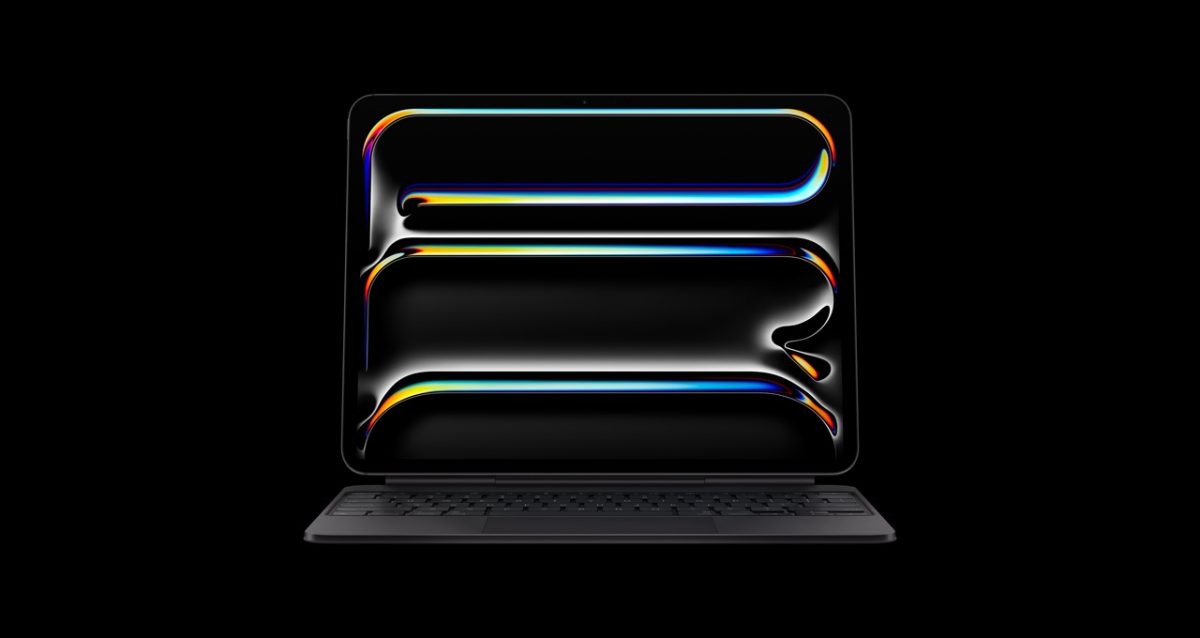
Apple is reportedly planning to bring OLED technology to five distinct product lines over a two-year window. While the company has not publicly confirmed a detailed roadmap, industry reporting suggests the transition could span devices such as iPads, MacBooks, and potentially other form factors alongside iPhones.
What remains unclear is the precise sequencing and whether all OLED panels will use the same underlying architecture. Reports indicate the company may adopt different OLED approaches—including tandem OLED stacks—for larger displays, which would address concerns around brightness, lifespan, and burn-in that have historically limited OLED adoption in laptops and tablets.
Apple has not commented publicly on timelines, suppliers, or specific models, and plans could still shift based on manufacturing readiness or cost considerations.
Why OLED matters for Apple’s hardware strategy
OLED displays offer several advantages over traditional LCD technology: deeper blacks, higher contrast ratios, improved power efficiency, and greater design flexibility. For the company, these benefits align closely with its long-standing emphasis on industrial design and battery performance.
More importantly, OLED enables thinner and lighter devices without sacrificing visual quality—an increasingly important differentiator as hardware innovation becomes more incremental.
Moving OLED into more product categories also allows the company to standardize display technology across its ecosystem, simplifying software optimization and visual consistency between devices.
Supply chain implications extend far beyond Cupertino
Apple’s display decisions rarely stay contained within its own product lineup. A broad OLED rollout would significantly increase demand for high-quality panels, particularly in larger sizes where yields are more challenging and fewer suppliers can meet Apple’s standards.
This is likely to benefit major display manufacturers in Asia, while simultaneously raising the bar for quality control, production scale, and long-term supply commitments.
For smaller component suppliers and manufacturing startups, the company’s shift could create both opportunity and risk. On one hand, OLED-related materials, equipment, and testing solutions may see increased demand. On the other, Apple’s preference for scale and reliability can concentrate business among a small number of partners.
Competitive pressure across consumer electronics
Apple’s move also increases pressure on competitors. While many Android smartphone makers have already standardized on OLED, Apple’s broader adoption could accelerate similar transitions in tablets and laptops across the industry.
OLED laptops and tablets have historically occupied niche or premium segments due to cost and durability concerns. Apple’s endorsement of the technology at scale could help normalize OLED in mainstream computing devices, forcing rivals to follow or risk falling behind on display quality.
For consumers, this may translate into faster industry-wide adoption—but not necessarily lower prices in the near term.
What it means for startups and developers
For startups building hardware accessories, display calibration tools, creative software, or power optimization solutions, Apple’s OLED expansion changes the baseline assumptions about screen behavior.
OLED displays handle color, brightness, and power consumption differently from LCDs. Developers optimizing for Apple platforms may need to rethink UI design, dark mode strategies, and visual testing workflows as OLED becomes more prevalent across devices.
In the longer term, startups focused on display technology, materials science, or manufacturing automation may find new openings as OLED moves from a specialized component to a default expectation.
Risks and unresolved questions
Despite its advantages, OLED is not without tradeoffs. Longevity, burn-in risk, and production costs remain concerns—particularly for devices expected to last many years, such as laptops.
It is still unclear how the company plans to mitigate these issues at scale, or how much of the added cost will be absorbed internally versus passed on to consumers. Apple has historically been willing to accept higher component costs in exchange for differentiation, but price sensitivity varies across product categories.
There is also the question of timing. A two-year window is ambitious, and any supply disruptions or yield challenges could delay or stagger the rollout.
A broader signal from Apple’s roadmap
Taken together, Apple’s OLED push reflects a company doubling down on hardware refinement rather than radical reinvention. Displays are one of the most visible—and emotionally resonant—parts of any device, and Apple appears intent on owning that experience across its ecosystem.
For the global tech industry, the message is clear: OLED is moving from premium feature to foundational technology. And when Apple commits at this scale, the rest of the market rarely stands still.
This article is based on publicly available reporting and industry analysis. The company has not officially confirmed product timelines or specifications, and details may change.