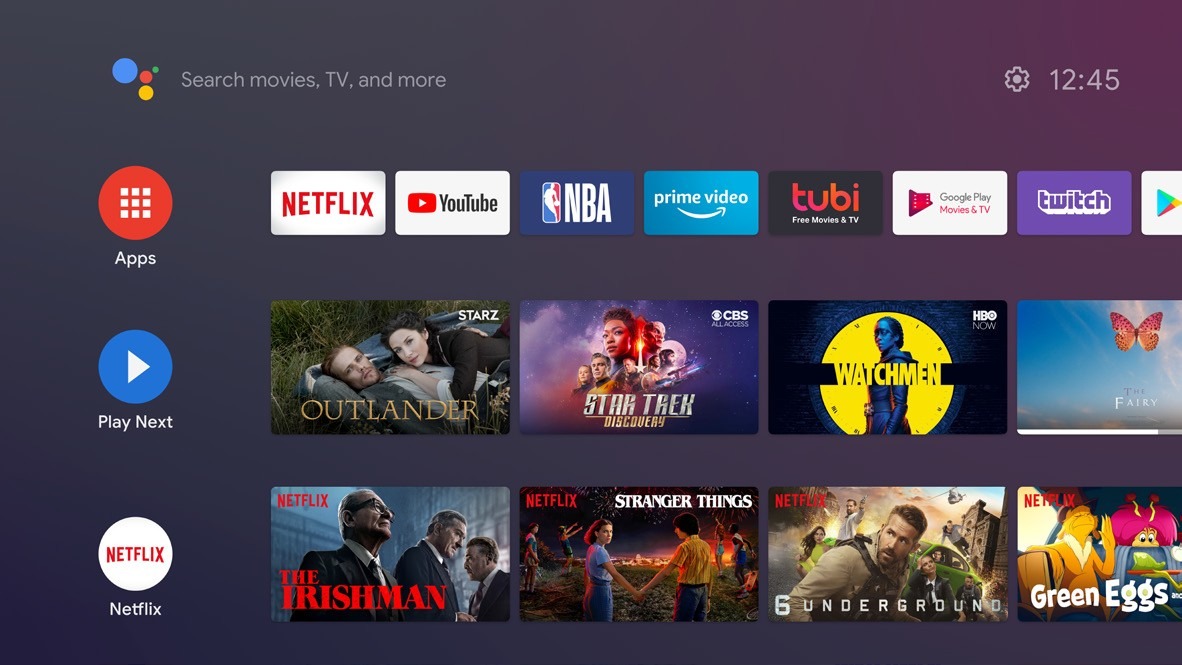
Free Smart TV Apps Are Expanding Beyond Streaming

Share via:

Smart TVs now support a growing range of free apps beyond streaming, including news, fitness, games, and utilities. The shift reflects how TV platforms are evolving into general-purpose computing environments rather than single-use media devices.

Smart TVs are no longer just portals for Netflix and YouTube. A growing ecosystem of free, non-streaming apps is turning televisions into multipurpose devices—handling everything from live news and fitness to casual gaming and smart home control.

According to reporting by BGR, many of the most useful smart TV apps today cost nothing and require no subscriptions, yet they significantly expand what a television can do. For platform operators, startups, and advertisers, the shift signals a deeper transformation in how the living room screen is being monetized—and used.

What counts as a non-streaming smart TV app

Non-streaming apps are not focused on on-demand movies or TV shows. Instead, they provide utilities, information, or interactive experiences that sit alongside traditional entertainment.

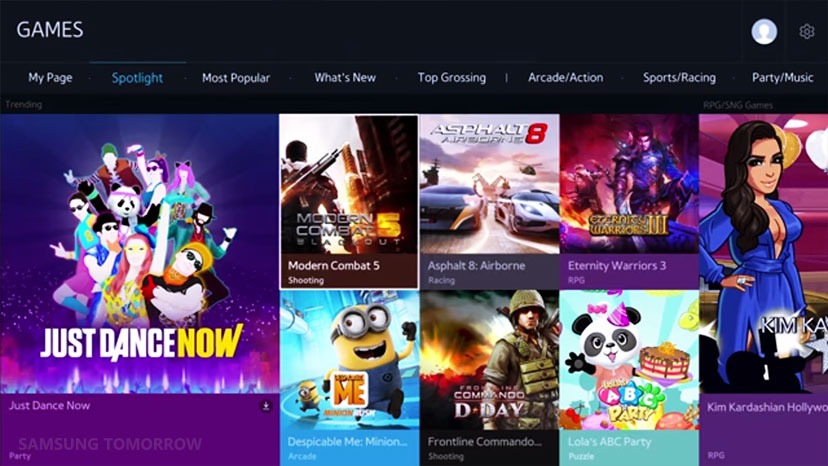
Common categories include live news aggregators, weather dashboards, fitness and wellness programs, casual games, ambient displays, and smart home controllers. Many of smart TV apps are lightweight, ad-supported, or designed to promote ecosystem engagement rather than direct subscription revenue.

Their rise reflects a broader trend: TVs are becoming always-on surfaces for information and interaction, not just lean-back viewing.

The platforms enabling the shift

This expansion is closely tied to the major TV operating systems. Platforms such as Google TV, Roku, and Amazon Fire TV increasingly encourage developers to build apps that keep users engaged even when they are not watching video.

These platforms benefit directly. The more time users spend on the TV interface, the more valuable the platform becomes for advertising, data insights, and ecosystem lock-in. Free apps lower the barrier to experimentation and help platforms compete on breadth rather than exclusive content alone.

Why consumers are using them

For users, free smart TV apps solve practical problems. A fitness app can turn a large screen into a workout guide. A news app can provide background information throughout the day. Casual games and ambient apps offer low-friction entertainment without another monthly bill.

Importantly, these apps often work best on large screens viewed from across the room—something smartphones and tablets cannot easily replicate.

However, app quality varies widely. Some free apps are well-designed and regularly updated; others are ad-heavy or abandoned. Discovery remains a challenge, as app stores on TVs are still less mature than mobile equivalents.

Opportunities for startups

For startups, non-streaming TV apps represent an underexplored distribution channel. Development costs are often lower than for mobile or web platforms, and competition is thinner in many categories.

Use cases like wellness, education, smart home control, and casual gaming are particularly well-suited to the living room. Startups that design specifically for distance viewing, simple navigation, and shared household use can stand out.

That said, platform dependence is a risk. App visibility, monetization terms, and update approvals are controlled by platform owners, limiting how much leverage small developers have.

The business model behind “free”

Most free smart TV apps are supported by advertising, sponsorships, or ecosystem incentives rather than subscriptions. This aligns with the broader connected TV advertising boom, where TVs are becoming premium ad surfaces.

Manufacturers and platform operators benefit as well. By encouraging free apps, they increase engagement without forcing users into paid commitments that might slow adoption.

The result is a TV experience that feels more open—but is increasingly shaped by platform economics.

A broader shift in connected devices

The rise of non-streaming TV apps mirrors trends seen in other devices, where hardware value is extended through software. As TVs last longer physically, software becomes the primary differentiator.

For consumers, this means more utility from devices they already own. For the tech industry, it means competition is moving away from screen specs and toward platforms, data, and developer ecosystems.

What to expect next

As smart TVs become more central to the connected home, free apps are likely to play a larger role. Expect more experimentation in areas like health monitoring, local information, casual multiplayer games, and ambient computing.

The television is no longer just a screen—it is becoming a shared household interface. And increasingly, that transformation is being driven not by subscriptions, but by free software.

This article is based on publicly available reporting from BGR and industry analysis. App availability and features vary by platform, region, and TV model.

Disclaimer

We strive to uphold the highest ethical standards in all of our reporting and coverage. We StartupNews.fyi want to be transparent with our readers about any potential conflicts of interest that may arise in our work. It’s possible that some of the investors we feature may have connections to other businesses, including competitors or companies we write about. However, we want to assure our readers that this will not have any impact on the integrity or impartiality of our reporting. We are committed to delivering accurate, unbiased news and information to our audience, and we will continue to uphold our ethics and principles in all of our work. Thank you for your trust and support.

Sreejit
Sreejit Kumar is a media and communications professional with over two years of experience across digital publishing, social media marketing, and content management. With a background in journalism and advertising, he focuses on crafting and managing multi-platform news content that drives audience engagement and measurable growth.

Popular

More Like this

Free Smart TV Apps Are Expanding Beyond Streaming

Smart TVs now support a growing range of free apps beyond streaming, including news, fitness, games, and utilities. The shift reflects how TV platforms are evolving into general-purpose computing environments rather than single-use media devices.

Smart TVs are no longer just portals for Netflix and YouTube. A growing ecosystem of free, non-streaming apps is turning televisions into multipurpose devices—handling everything from live news and fitness to casual gaming and smart home control.

According to reporting by BGR, many of the most useful smart TV apps today cost nothing and require no subscriptions, yet they significantly expand what a television can do. For platform operators, startups, and advertisers, the shift signals a deeper transformation in how the living room screen is being monetized—and used.

What counts as a non-streaming smart TV app

Non-streaming apps are not focused on on-demand movies or TV shows. Instead, they provide utilities, information, or interactive experiences that sit alongside traditional entertainment.

Common categories include live news aggregators, weather dashboards, fitness and wellness programs, casual games, ambient displays, and smart home controllers. Many of smart TV apps are lightweight, ad-supported, or designed to promote ecosystem engagement rather than direct subscription revenue.

Their rise reflects a broader trend: TVs are becoming always-on surfaces for information and interaction, not just lean-back viewing.

The platforms enabling the shift

This expansion is closely tied to the major TV operating systems. Platforms such as Google TV, Roku, and Amazon Fire TV increasingly encourage developers to build apps that keep users engaged even when they are not watching video.

These platforms benefit directly. The more time users spend on the TV interface, the more valuable the platform becomes for advertising, data insights, and ecosystem lock-in. Free apps lower the barrier to experimentation and help platforms compete on breadth rather than exclusive content alone.

Why consumers are using them

For users, free smart TV apps solve practical problems. A fitness app can turn a large screen into a workout guide. A news app can provide background information throughout the day. Casual games and ambient apps offer low-friction entertainment without another monthly bill.

Importantly, these apps often work best on large screens viewed from across the room—something smartphones and tablets cannot easily replicate.

However, app quality varies widely. Some free apps are well-designed and regularly updated; others are ad-heavy or abandoned. Discovery remains a challenge, as app stores on TVs are still less mature than mobile equivalents.

Opportunities for startups

For startups, non-streaming TV apps represent an underexplored distribution channel. Development costs are often lower than for mobile or web platforms, and competition is thinner in many categories.

Use cases like wellness, education, smart home control, and casual gaming are particularly well-suited to the living room. Startups that design specifically for distance viewing, simple navigation, and shared household use can stand out.

That said, platform dependence is a risk. App visibility, monetization terms, and update approvals are controlled by platform owners, limiting how much leverage small developers have.

The business model behind “free”

Most free smart TV apps are supported by advertising, sponsorships, or ecosystem incentives rather than subscriptions. This aligns with the broader connected TV advertising boom, where TVs are becoming premium ad surfaces.

Manufacturers and platform operators benefit as well. By encouraging free apps, they increase engagement without forcing users into paid commitments that might slow adoption.

The result is a TV experience that feels more open—but is increasingly shaped by platform economics.

A broader shift in connected devices

The rise of non-streaming TV apps mirrors trends seen in other devices, where hardware value is extended through software. As TVs last longer physically, software becomes the primary differentiator.

For consumers, this means more utility from devices they already own. For the tech industry, it means competition is moving away from screen specs and toward platforms, data, and developer ecosystems.

What to expect next

As smart TVs become more central to the connected home, free apps are likely to play a larger role. Expect more experimentation in areas like health monitoring, local information, casual multiplayer games, and ambient computing.

The television is no longer just a screen—it is becoming a shared household interface. And increasingly, that transformation is being driven not by subscriptions, but by free software.

This article is based on publicly available reporting from BGR and industry analysis. App availability and features vary by platform, region, and TV model.

Disclaimer

We strive to uphold the highest ethical standards in all of our reporting and coverage. We StartupNews.fyi want to be transparent with our readers about any potential conflicts of interest that may arise in our work. It’s possible that some of the investors we feature may have connections to other businesses, including competitors or companies we write about. However, we want to assure our readers that this will not have any impact on the integrity or impartiality of our reporting. We are committed to delivering accurate, unbiased news and information to our audience, and we will continue to uphold our ethics and principles in all of our work. Thank you for your trust and support.

Website Upgradation is going on for any glitch kindly connect at office@startupnews.fyi

Sreejit
Sreejit Kumar is a media and communications professional with over two years of experience across digital publishing, social media marketing, and content management. With a background in journalism and advertising, he focuses on crafting and managing multi-platform news content that drives audience engagement and measurable growth.

More like this

The Bharat Music Experience Announces Strategic Partners to Elevate...

Mumbai (Maharashtra) , January 20: The Bharat Music...

Bitcoin (BTC) Price Slides Below $91K as Open Interest...

Fresh waves of bearish forces have captivated the...

Popular

melhor-iptv-portugal melhor-iptv-portugal melhor-iptv-portugal melhor-iptv-portugal melhor-iptv-portugal melhor-iptv-portugal melhor-iptv-portugal melhor-iptv-portugal melhor-iptv-portugal melhor-iptv-portugal melhor-iptv-portugal melhor-iptv-portugal melhor-iptv-portugal melhor-iptv-portugal melhor-iptv-portugal melhor-iptv-portugal melhor-iptv-portugal melhor-iptv-portugal melhor-iptv-portugal melhor-iptv-portugal melhor-iptv-portugal melhor-iptv-portugal melhor-iptv-portugal melhor-iptv-portugal melhor-iptv-portugal melhor-iptv-portugal melhor-iptv-portugal melhor-iptv-portugal melhor-iptv-portugal melhor-iptv-portugal melhor-iptv-portugal melhor-iptv-portugal melhor-iptv-portugal melhor-iptv-portugal melhor-iptv-portugal melhor-iptv-portugal melhor-iptv-portugal melhor-iptv-portugal melhor-iptv-portugal melhor-iptv-portugal melhor-iptv-portugal melhor-iptv-portugal melhor-iptv-portugal melhor-iptv-portugal melhor-iptv-portugal melhor-iptv-portugal melhor-iptv-portugal melhor-iptv-portugal melhor-iptv-portugal melhor-iptv-portugal melhor-iptv-portugal melhor-iptv-portugal melhor-iptv-portugal melhor-iptv-portugal melhor-iptv-portugal melhor-iptv-portugal melhor-iptv-portugal melhor-iptv-portugal melhor-iptv-portugal melhor-iptv-portugal melhor-iptv-portugal melhor-iptv-portugal melhor-iptv-portugal melhor-iptv-portugal melhor-iptv-portugal melhor-iptv-portugal melhor-iptv-portugal melhor-iptv-portugal melhor-iptv-portugal melhor-iptv-portugal melhor-iptv-portugal melhor-iptv-portugal melhor-iptv-portugal melhor-iptv-portugal
